Artwork
Portrait of Zygmunt Vogel
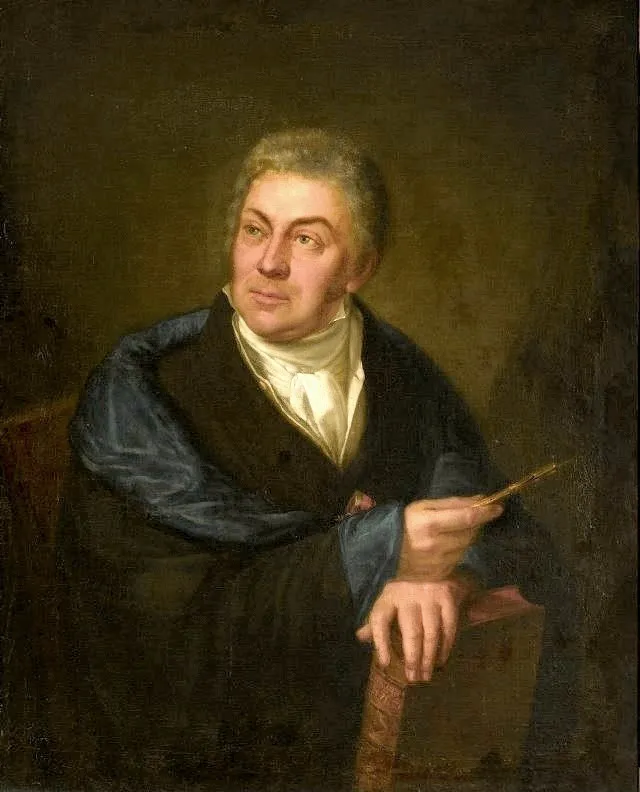
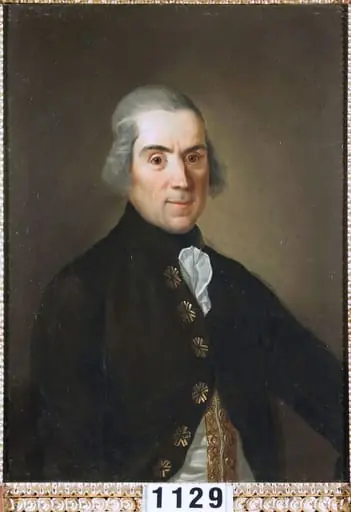
Portrait of Zygmunt Vogel is an oil painting by the Biedermeier artist Aleksander Kokular. It dates from 1823 and is held in the collection of the National Museum in Warsaw.
About this work
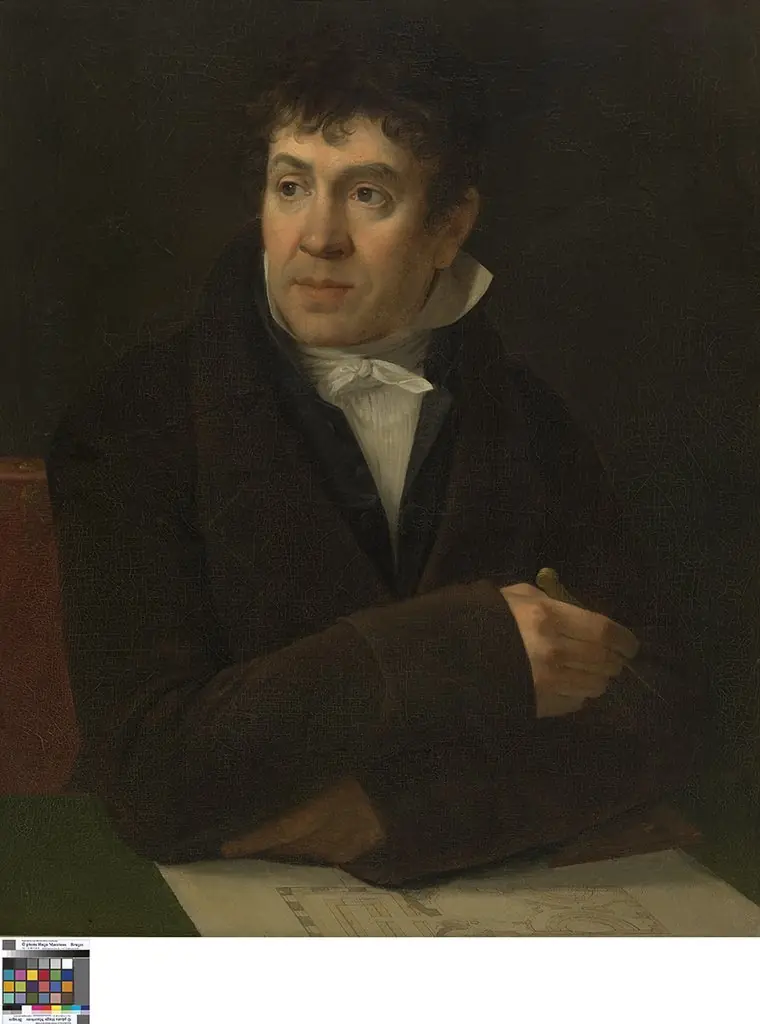
The painting depicts a man with short, light hair, wearing a dark jacket over a white shirt with a high collar and a white cravat.
The painting depicts a man with short, light hair, wearing a dark jacket over a white shirt with a high collar and a white cravat. He is seated, with his left arm resting on a table or chair, holding a gold-tipped object. The background is a dark, muted color.
The man's attire and hairstyle suggest a formal portrait from the early 19th century. The artist's use of chiaroscuro creates a sense of depth and dimensionality in the painting.
To learn more about the artist's techniques, explore the art of Aleksander Kokular.
Overview
Painted in 1823 by Aleksander Kokular, this oil portrait depicts Zygmunt Vogel, a Polish artist and educator. Kokular, active in Warsaw’s artistic circles, was both a practitioner and promoter of academic art. The work belongs to the portrait tradition of the early 19th century and is part of the National Museum in Warsaw’s collection, reflecting the period’s emphasis on individual identity and refined domesticity.
Subject & Meaning
Zygmunt Vogel, a fellow artist and educator, is portrayed with quiet composure, suggesting his intellectual and professional standing. His attire—a dark jacket, white shirt, and cravat—signals formality without ostentation. The gold-tipped object he holds may reference a writing instrument or artistic tool, subtly affirming his role in cultural life. The restrained expression and intimate setting align with Biedermeier ideals of dignity and private virtue.
Technique & Style
Kokular employs chiaroscuro to model the sitter’s face and hands, creating subtle volume against a dark, neutral background. The brushwork is precise but not overly polished, favoring clarity over theatricality. Textures of fabric and skin are rendered with quiet attention, avoiding embellishment. The composition is tightly framed, focusing attention on the figure’s presence rather than environmental detail, characteristic of intimate portraiture of the era.
History & Provenance
The painting was completed in 1823, during Kokular’s tenure at the Warsaw School of Fine Arts, which he helped establish. It remained within Polish cultural institutions after his death, eventually entering the National Museum in Warsaw’s collection. Its continuous presence in Poland underscores its significance as a document of the nation’s artistic community during a period of political fragmentation.
Context
Created during the Biedermeier era, the portrait reflects a broader European trend toward domestic realism and restrained elegance. In partitioned Poland, such works served as quiet assertions of cultural identity. Kokular’s involvement with Freemasonry and art education positioned him at the intersection of intellectual networks and institutional development, making this portrait not only a likeness but a marker of shared values among Poland’s cultural elite.
Legacy
Though Kokular is less widely known today, this portrait endures as a representative example of early 19th-century Polish academic portraiture. It preserves the visual language of a generation of artists who sought to define national identity through disciplined, personal representation. The work remains a reference point for understanding the quiet resilience of Polish artistic practice under foreign rule.
Artist & collection
Artist
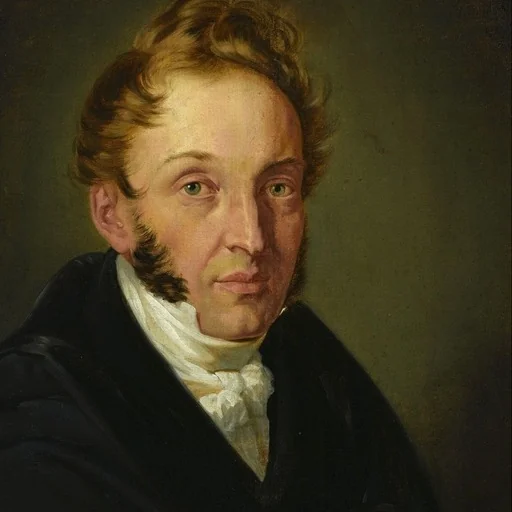
Aleksander Kokular (9 August 1793 – 6 April 1846) was a Polish painter, art collector and teacher.

 Portrait of Artur Potocki (1788–1832)
 Portrait of Joseph François van Gierdegom
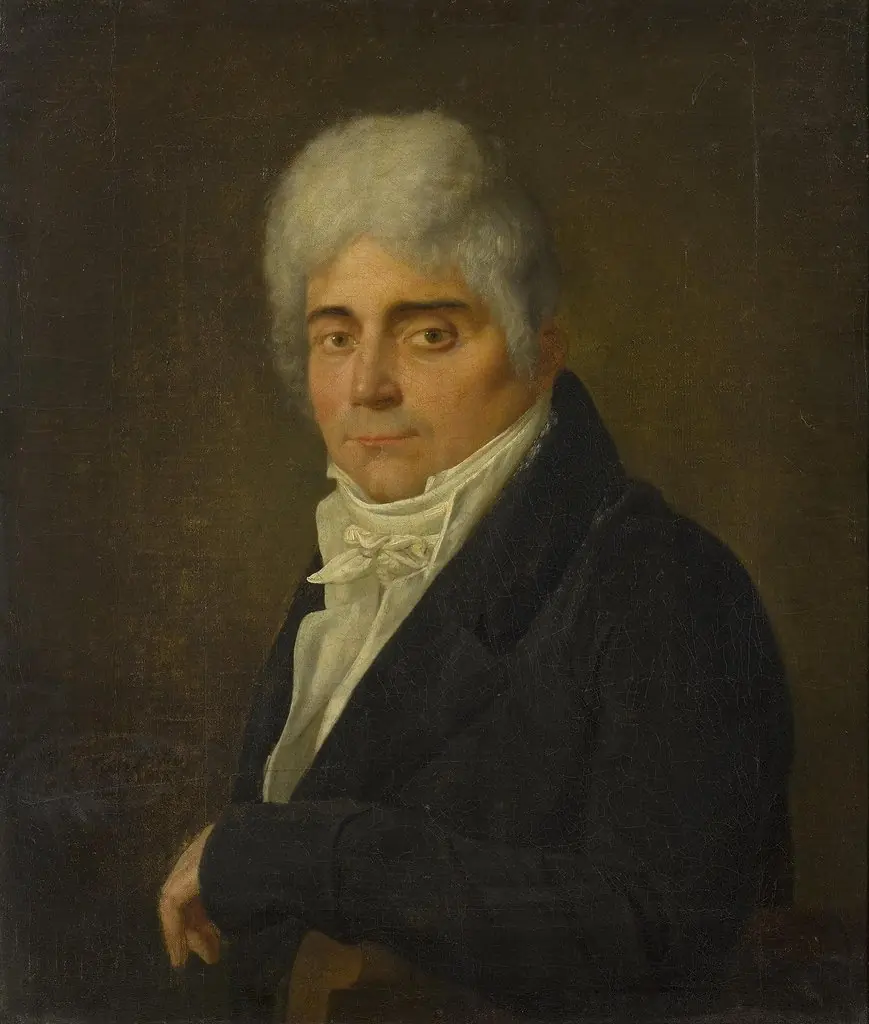 Portrait of a Civilian
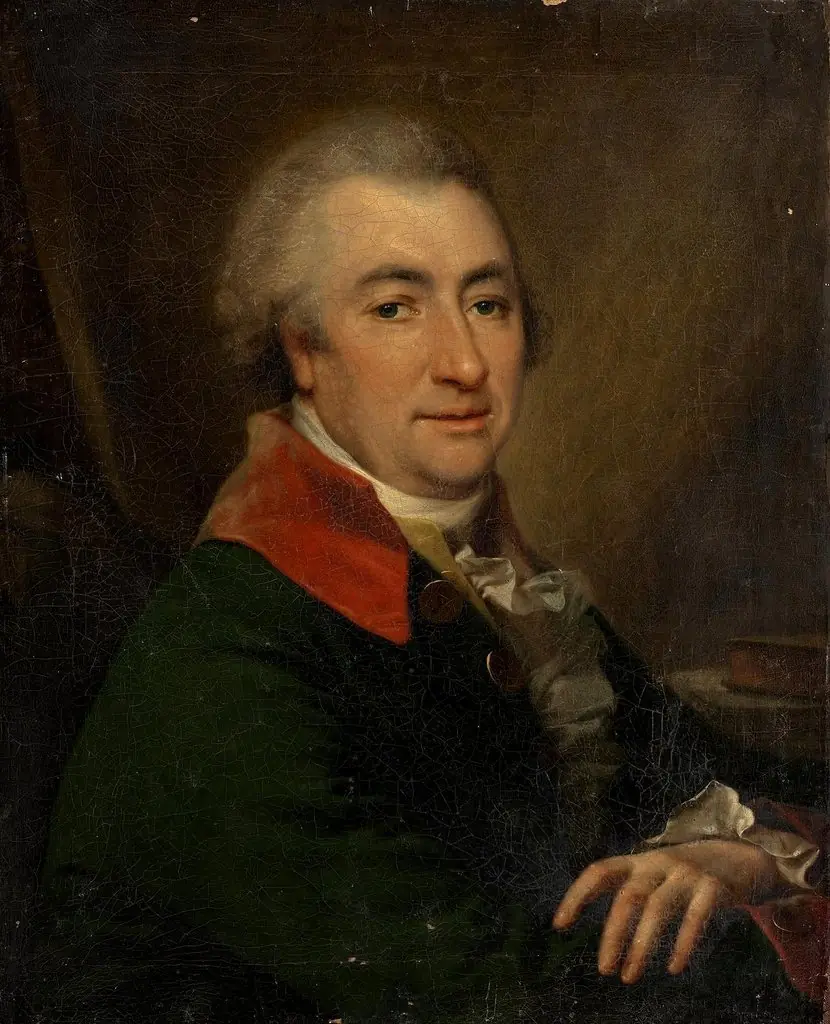 Portrait of A.I. Novikova (? )
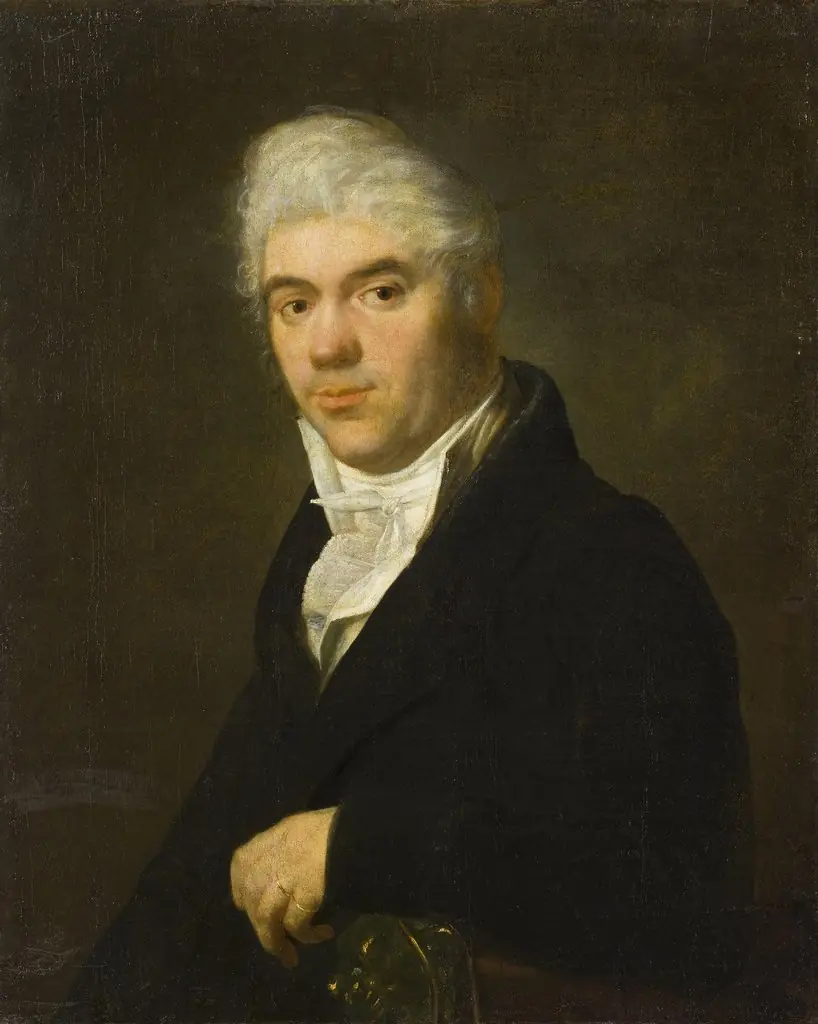 Portrait of a Man from the Schmidt Family
 Lensgreve Adam Wilhelm Moltke til Bregentved
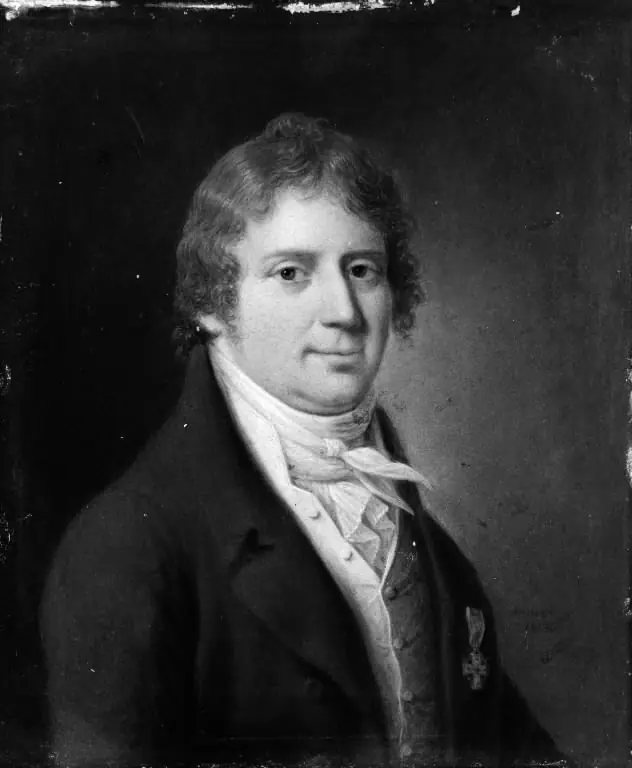 Lensgreve Adam Wilhelm Moltke til Bregentved
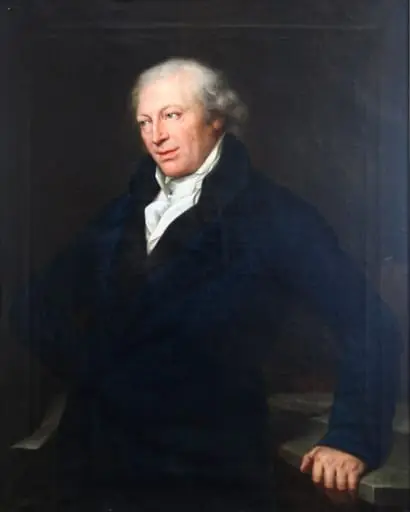 Portrait Berliner Bankier Joel Samuel von Halle
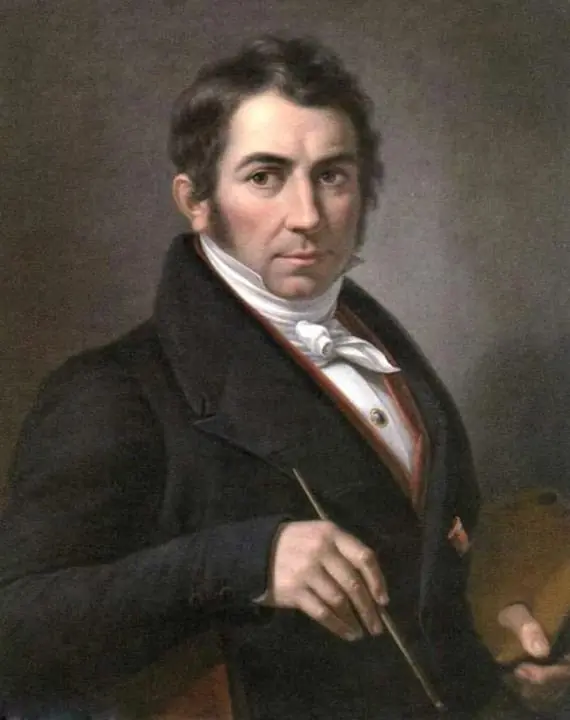 Self-portrait
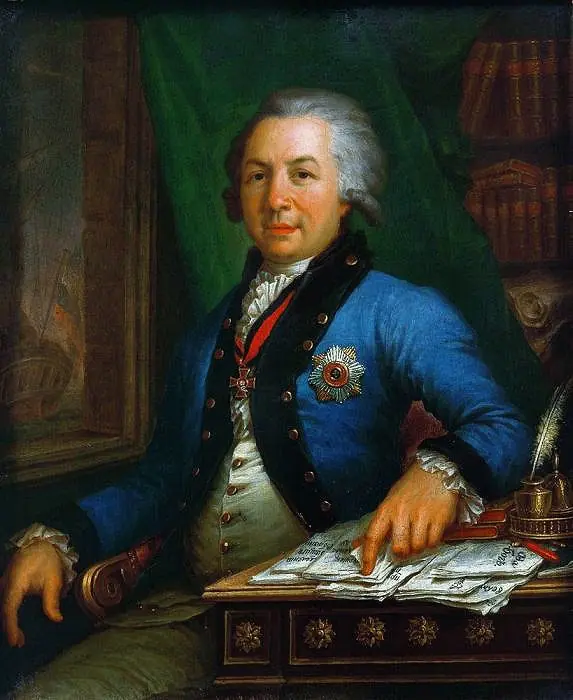 Portrait of Gavrila Romanovich Derzhavin
 Tâmplarul Wolf
 Portrait of Michiel Velle