Artwork
Holberg går af vejen for Jacob von Thyboe og Jean de France
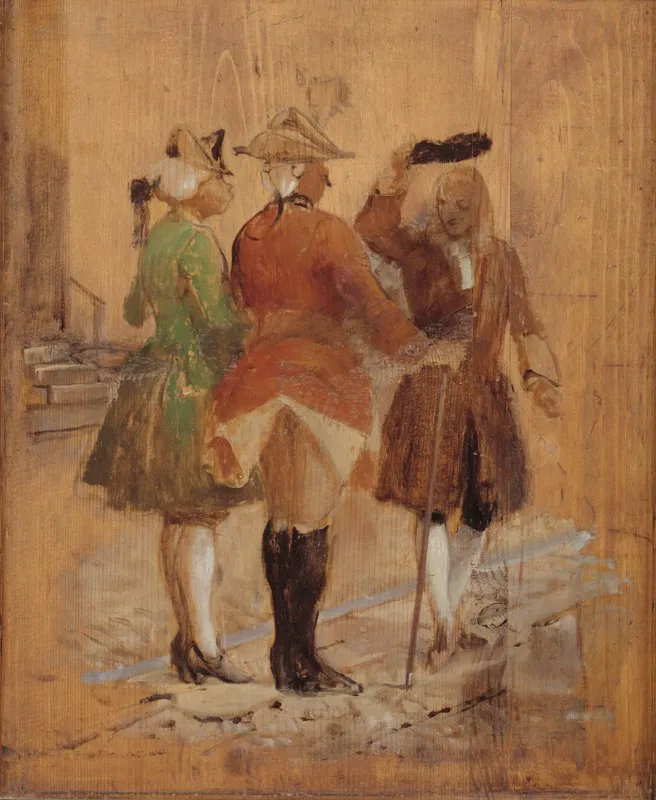
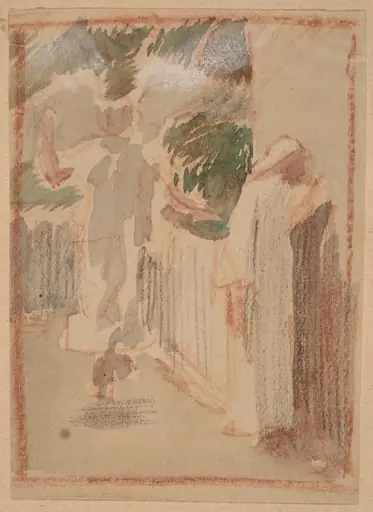
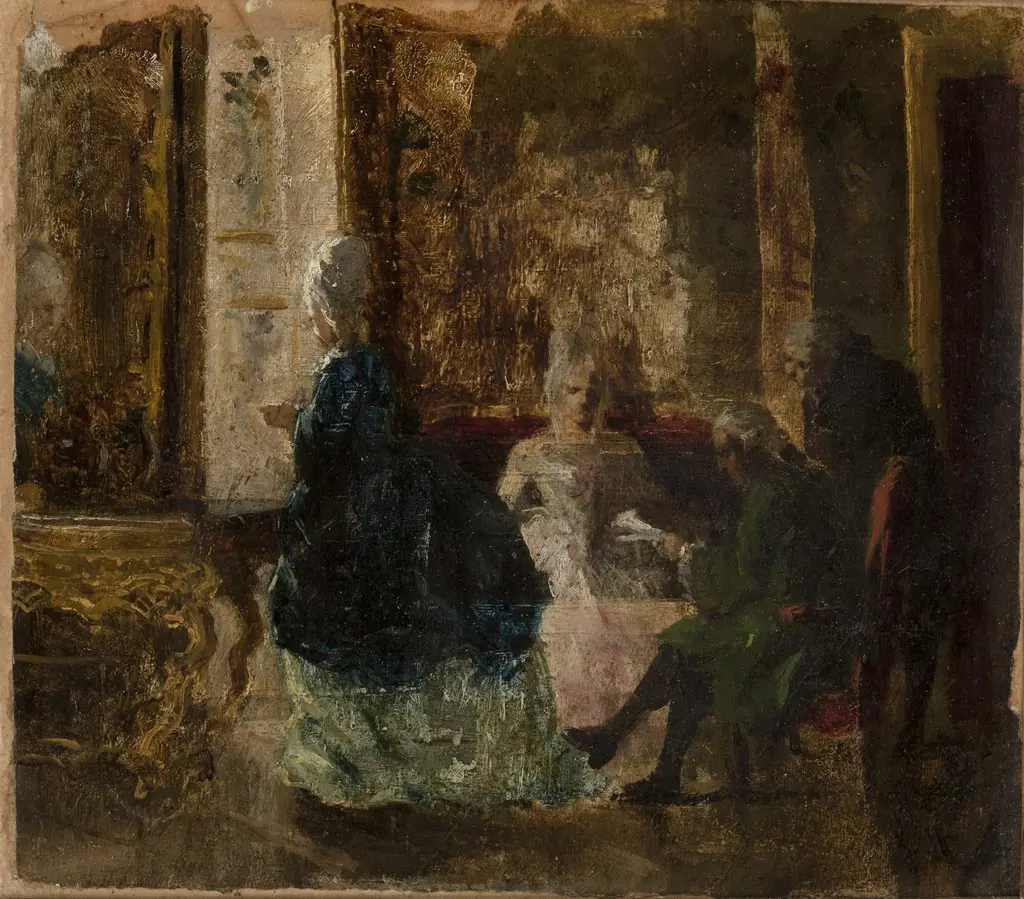
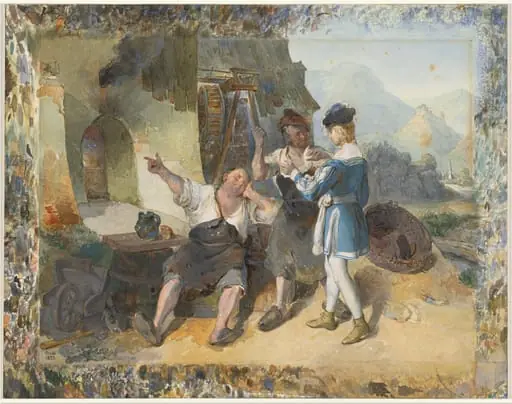
Holberg går af vejen for Jacob von Thyboe og Jean de France is an unspecified painting by Wilhelm Marstrand. It dates from 1849 and is held in the collection of the Statens Museum for Kunst.
About this work
Overview
Painted in 1849 by Danish artist Wilhelm Marstrand, this work captures a moment from the theatrical world of Ludvig Holberg’s comedies.
Painted in 1849 by Danish artist Wilhelm Marstrand, this work captures a moment from the theatrical world of Ludvig Holberg’s comedies. Marstrand, a leading figure in Denmark’s Golden Age of Painting, frequently drew inspiration from literature and stage scenes. The composition presents three men in period dress engaged in a formal exchange on a city street, rendered with careful attention to gesture and costume to suggest narrative tension.
Subject & Meaning
The figures represent characters from Holberg’s plays: Holberg himself, flanked by Jacob von Thyboe and Jean de France. The central figure, Holberg, is depicted stepping aside in a gesture of deference, a visual metaphor for intellectual humility. The scene reflects the cultural reverence for Holberg as a foundational writer in Danish literature, framing his presence as both literal and symbolic within the social fabric of his time.
Technique & Style
Marstrand employs a Romantic approach, emphasizing expressive posture and rich, contrasting colors to heighten the drama of the encounter. The figures are arranged in a balanced triad, with the red-coated Holberg drawing the eye through chromatic emphasis. Detailed rendering of fabrics and architectural elements grounds the scene in realism, while the shallow space and staged lighting evoke the conventions of theatrical tableau.
History & Provenance
Commissioned during a period of renewed interest in Danish national identity, the painting was created shortly after Holberg’s bicentenary. It entered public collections in Denmark in the late 19th century and has since been held in state museums. Its preservation reflects its role as a cultural artifact, documenting how 19th-century Danes viewed their literary heritage through visual art.
Context
In mid-19th century Denmark, artists and intellectuals sought to define a national culture distinct from foreign influence. Holberg, a 17th-century playwright, was elevated as a national icon. Marstrand’s depiction aligns with this movement, transforming literary figures into visible symbols of civic pride. The street setting, with its European urban architecture, situates the scene within a familiar, dignified public sphere.
Legacy
The painting remains a reference point in Danish art history for its fusion of literary homage and visual storytelling. It influenced later depictions of historical figures in Danish painting and reinforced the role of art in shaping collective memory. Though not widely known internationally, it continues to be studied for its nuanced portrayal of intellectual culture in 19th-century Scandinavia.
Artist & collection
Artist
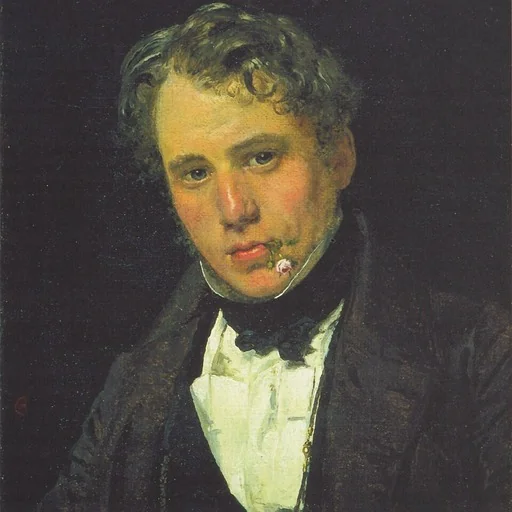
Nicolai Wilhelm Marstrand (24 December 1810 – 25 March 1873), painter and illustrator, was born in Copenhagen, Denmark, to Nicolai Jacob Marstrand, instrument maker and inventor, and Petra Othilia Smith.

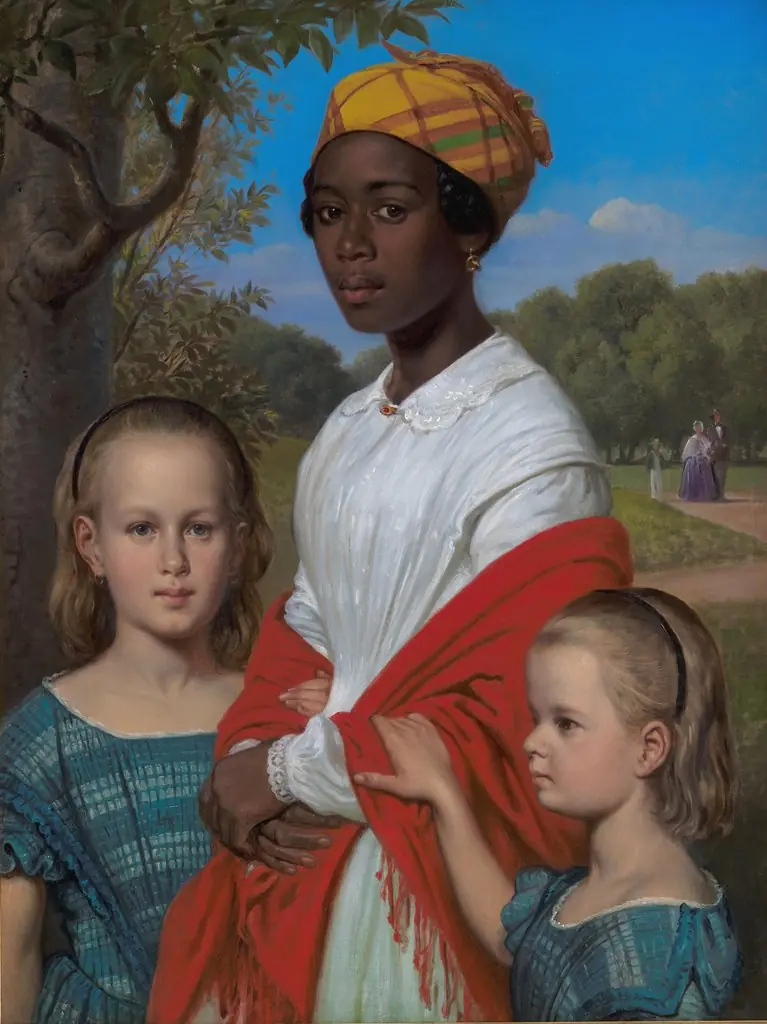 Portrait of Otto Marstrand's two daughters and their nanny
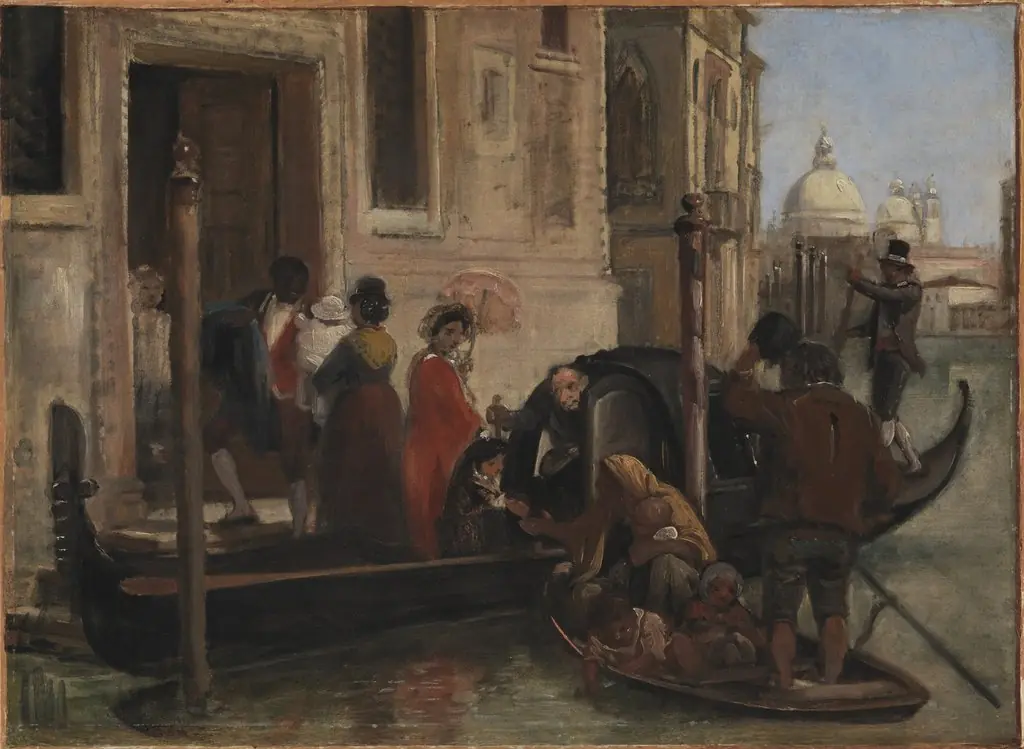 Landing in Venice. In the Distance S. Maria delle Salute
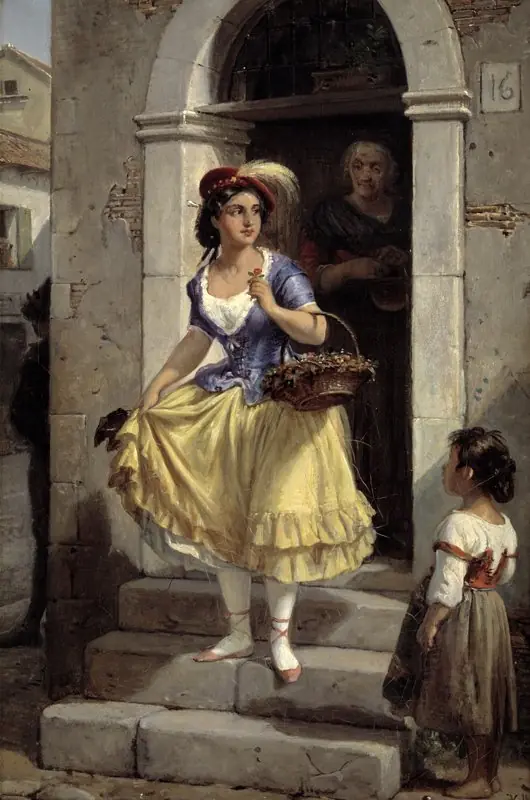 An Italian Woman in the Way to the Carnival
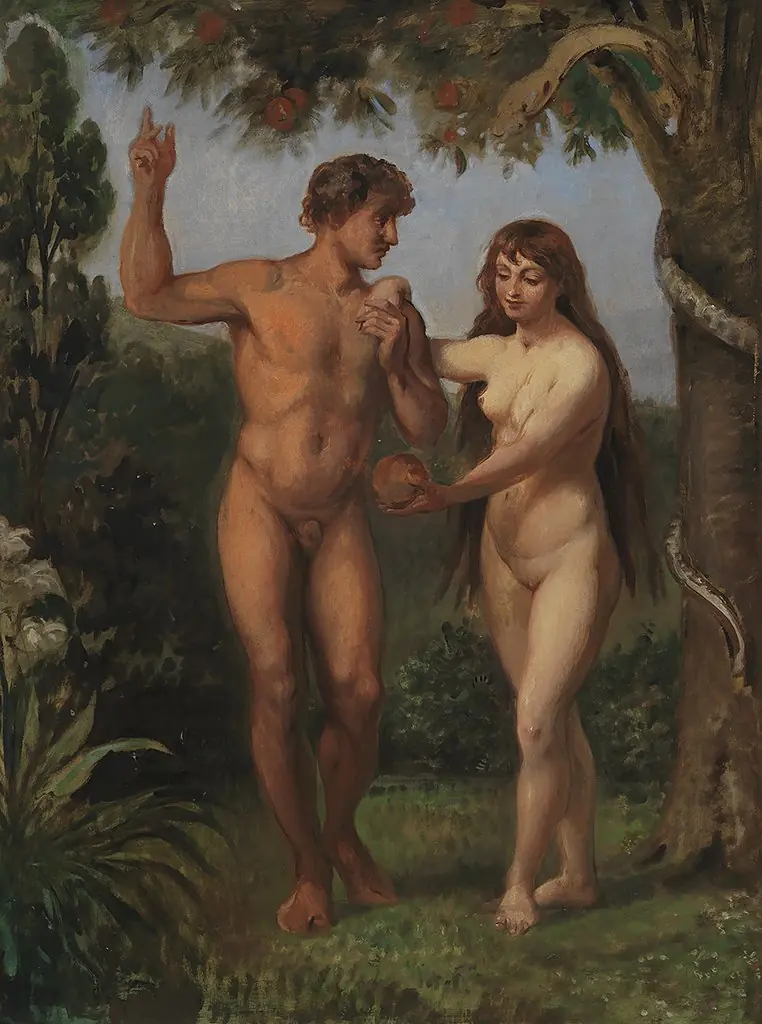 Eve Tempts Adam
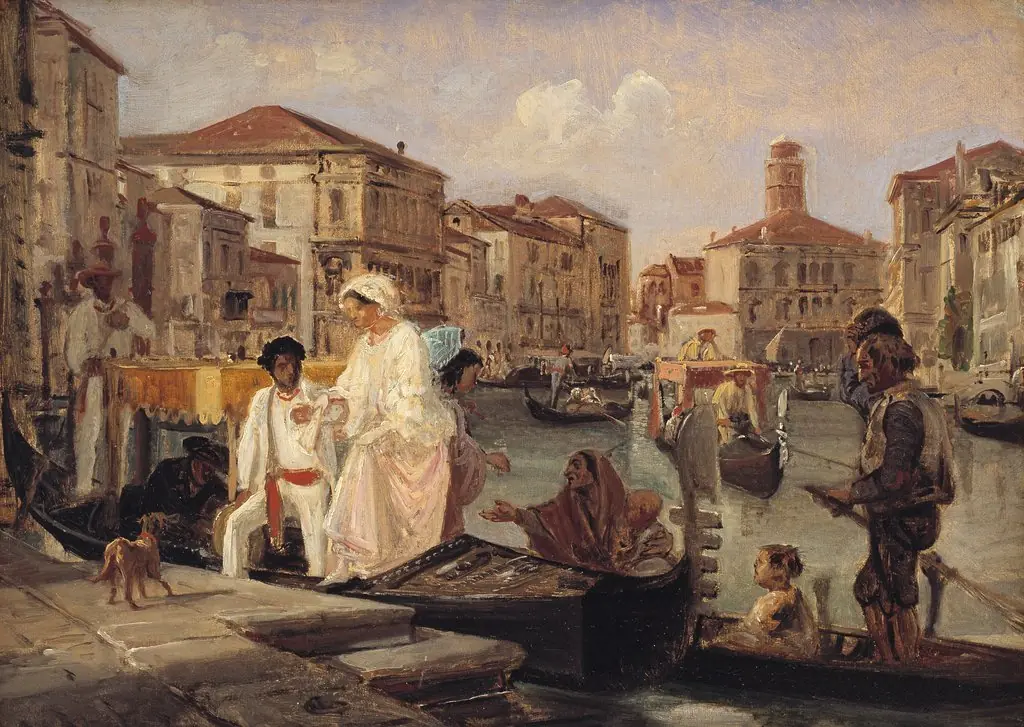 Alighting from a Gondola in Venice
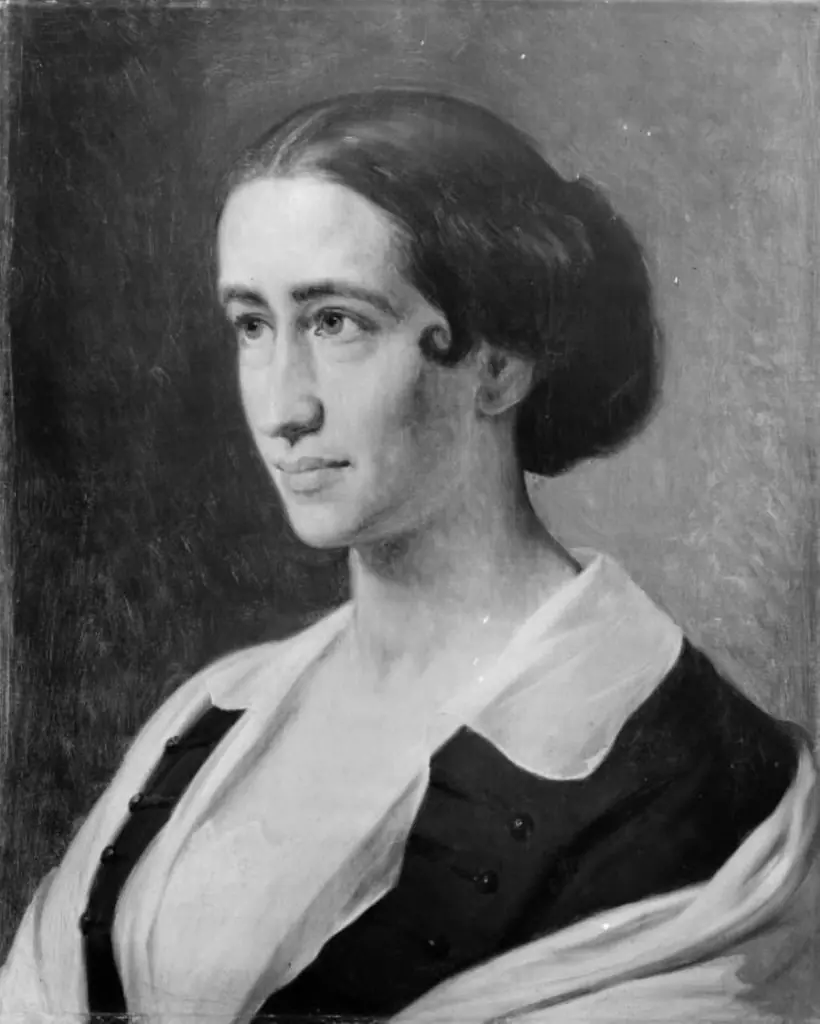 Skuespillerinden Johanne Luise Heiberg
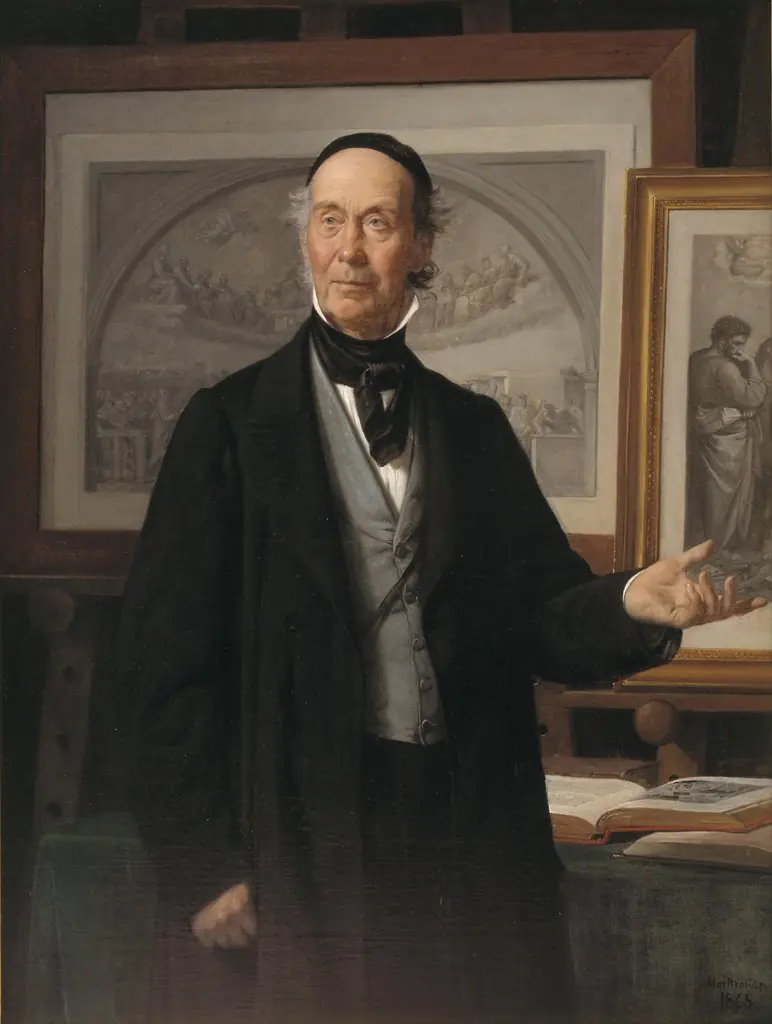 The Art Historian N. L. Høyen
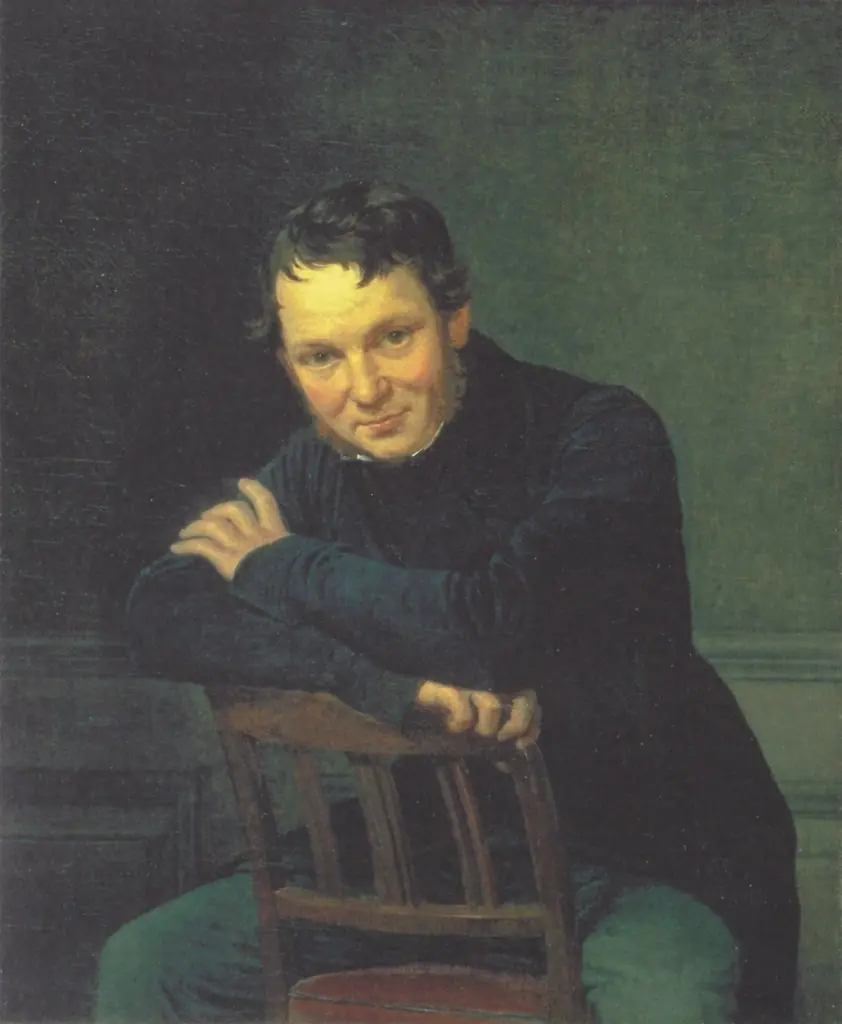 Gottlieb Bindesbøll, Danish Architect