Artwork
Church Interior
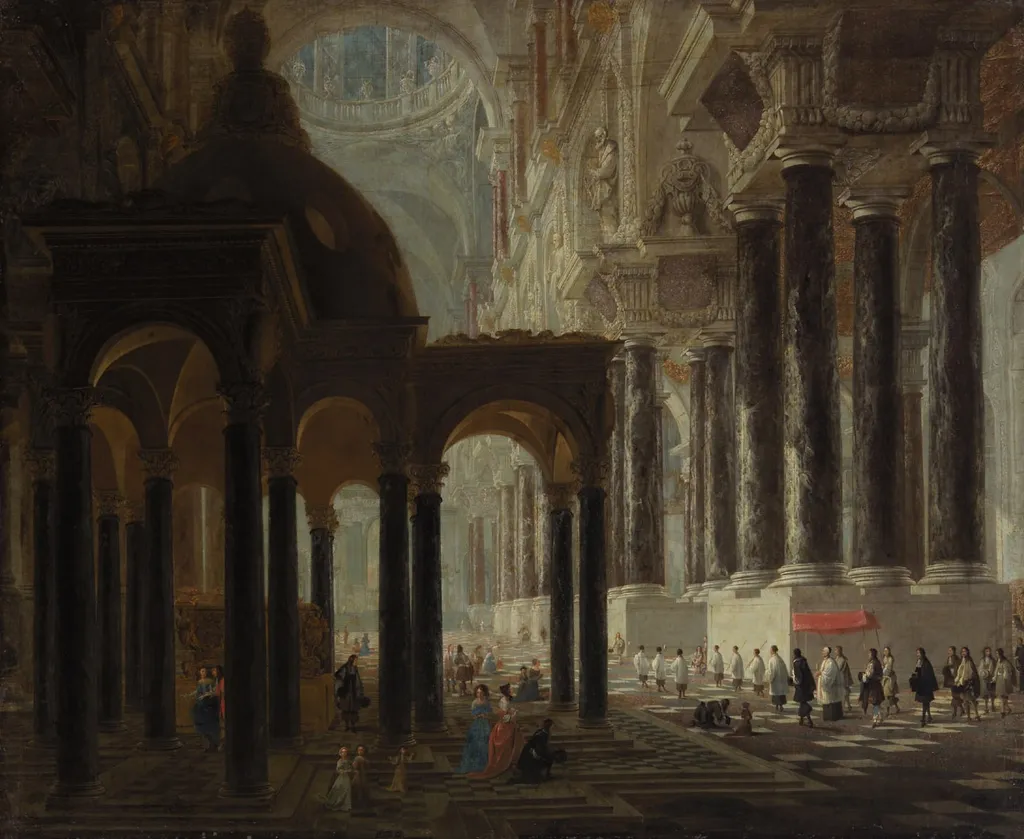
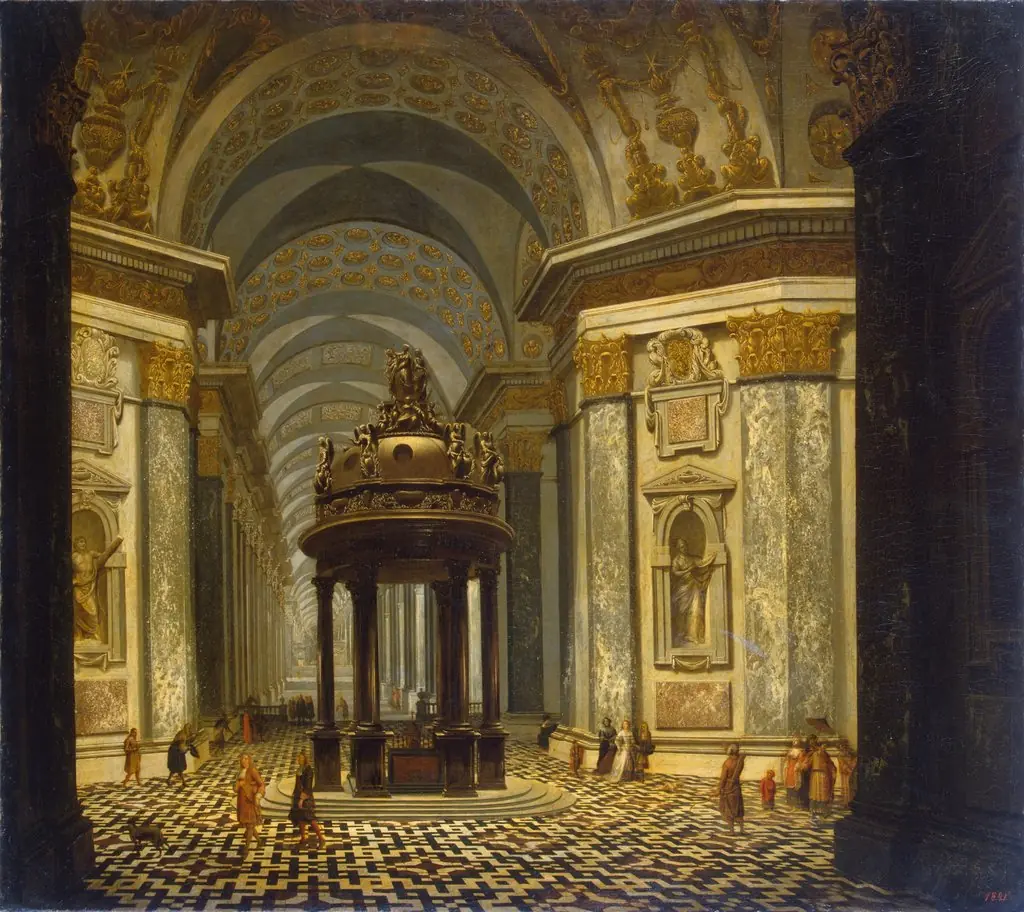
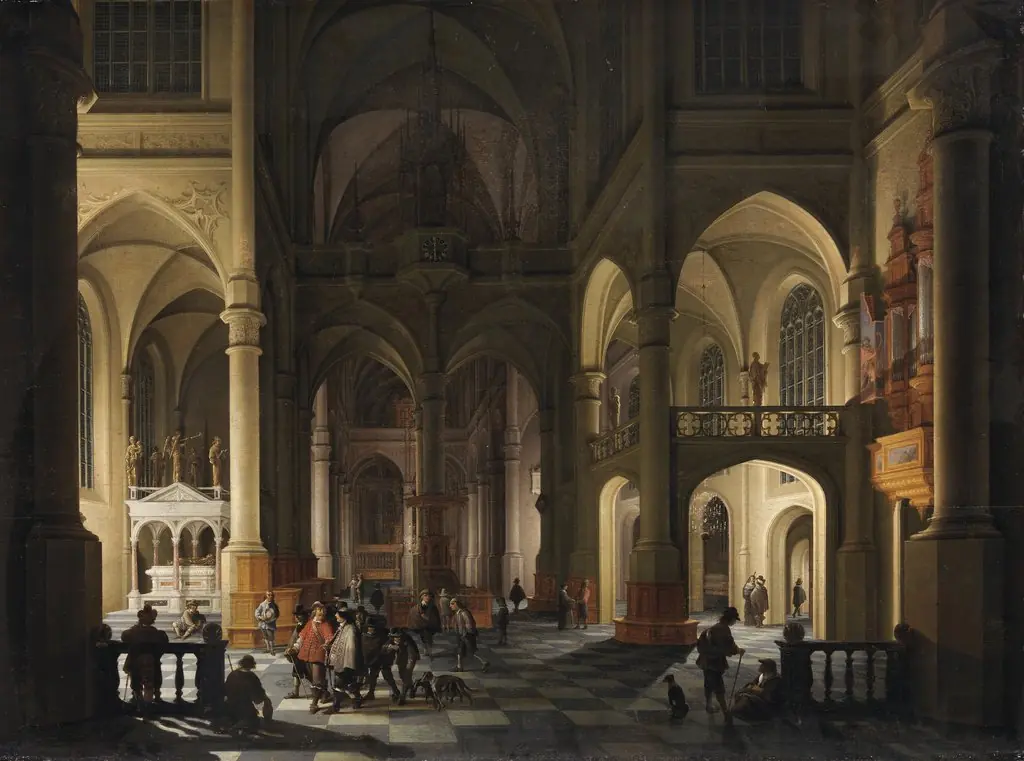
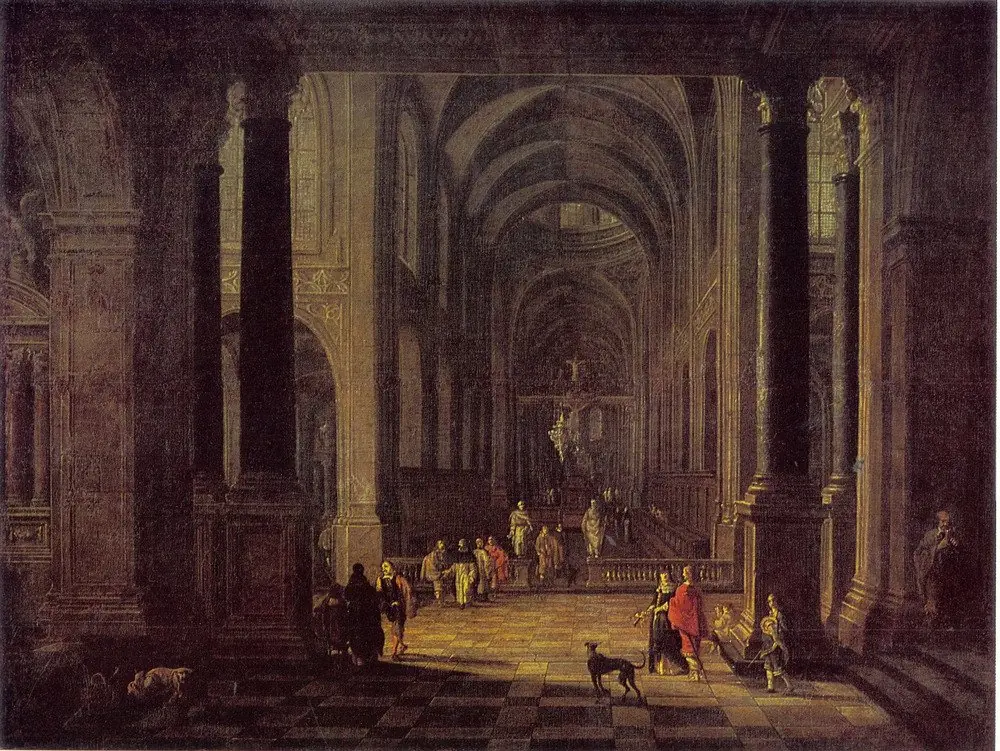
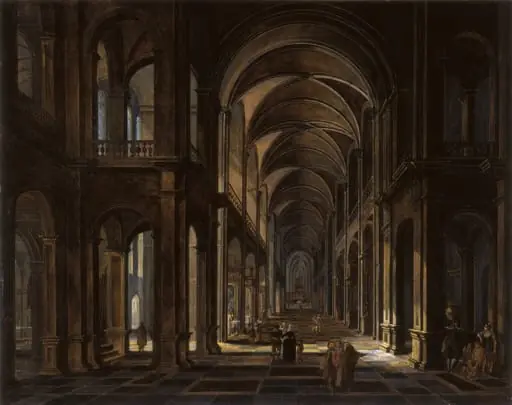
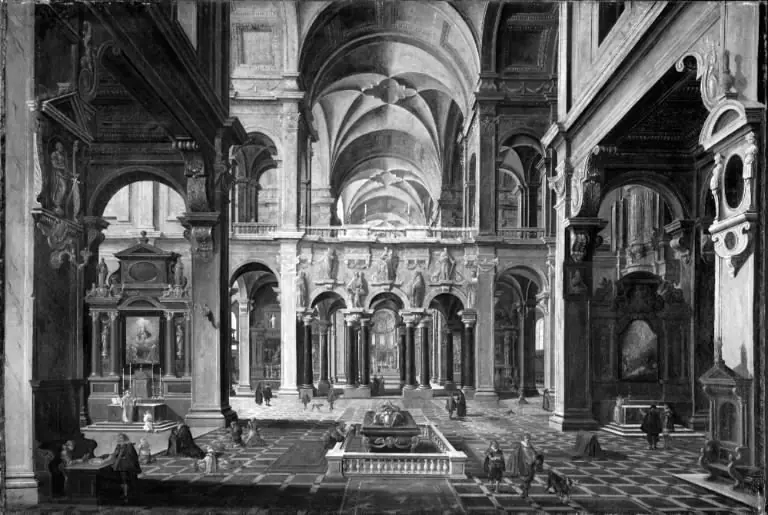
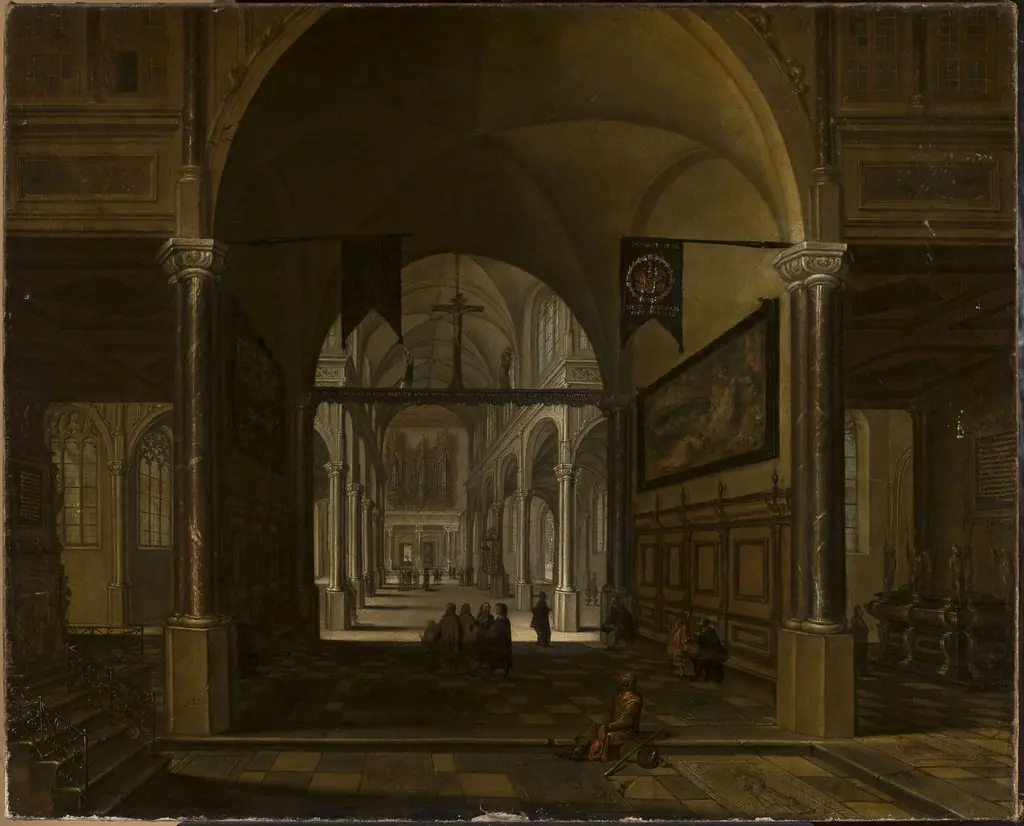
Church Interior is an oil painting by the Flemish Baroque painting artist Wilhelm Schubert van Ehrenberg. It dates from 1664 and is held in the collection of the Kunsthistorisches Museum.
About this work
Overview
The painting is part of a broader Flemish Baroque tradition that elevated interior scenes into subjects of quiet contemplation and spatial precision.
Painted in 1664 by Wilhelm Schubert van Ehrenberg, this oil on panel work captures an interior of a large ecclesiastical building. Van Ehrenberg, based in Antwerp, focused on meticulously rendered architectural spaces, blending observed detail with imaginative composition. The painting is part of a broader Flemish Baroque tradition that elevated interior scenes into subjects of quiet contemplation and spatial precision.
Subject & Meaning
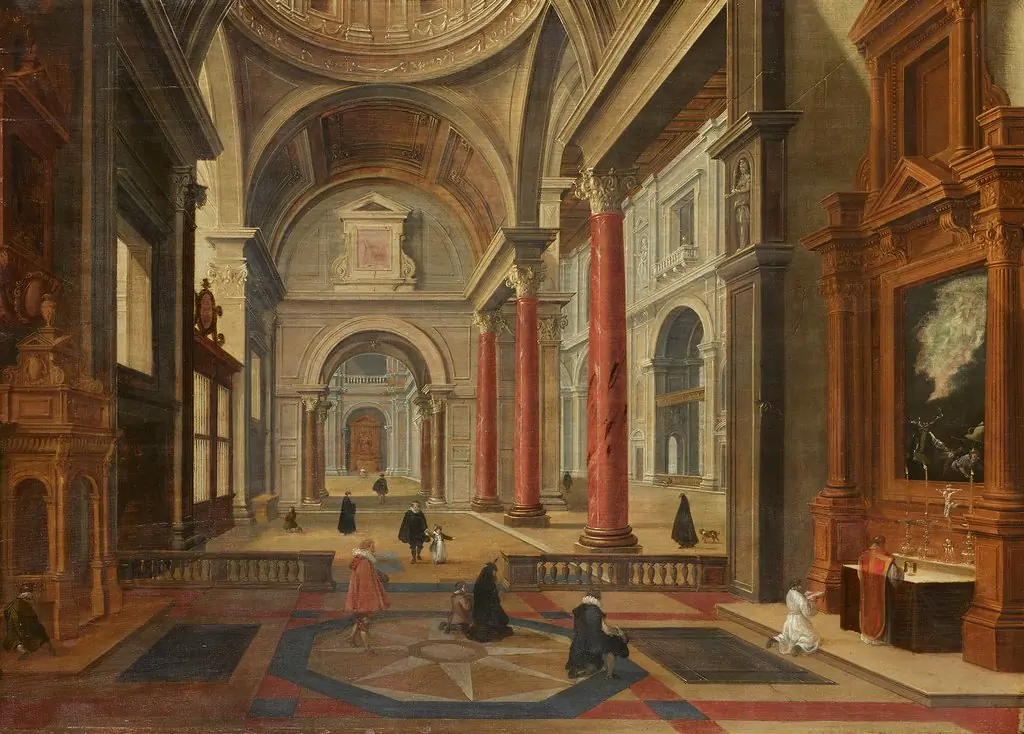
The scene depicts a church as a lived-in environment rather than a purely sacred site. Figures in 17th-century attire move through the space—conversing, resting, or pausing—suggesting the integration of daily routines within religious architecture. The presence of a red umbrella hints at mundane interruptions, subtly underscoring the coexistence of the ordinary and the solemn in communal worship spaces.
Technique & Style
Van Ehrenberg employed chiaroscuro to model the vast interior, using directional light from high windows to carve depth from shadow. The tiled floor recedes with geometric accuracy, while columns and arches align to guide the viewer’s eye. Fine brushwork renders textures—stone, fabric, wood—without overt drama, favoring atmospheric coherence over theatricality, characteristic of Flemish architectural painting of the era.
History & Provenance
Created in Antwerp during the mid-17th century, the painting entered the Kunsthistorisches Museum’s collection in Vienna, where it remains today. Its survival through centuries reflects its status as a representative example of Flemish interior painting, valued for its technical discipline and historical insight rather than overt religious symbolism.
Context
In post-Reformation Flanders, churches often served dual roles as places of worship and civic gathering. Artists like van Ehrenberg responded to this shift by documenting these spaces with documentary precision. His work aligns with contemporaries who turned architectural interiors into subjects of cultural record, reflecting societal norms rather than devotional ideals.
Legacy
Van Ehrenberg’s approach influenced later generations of architectural painters in the Low Countries, particularly in their treatment of light and spatial logic. While not widely celebrated in his time, his works are now recognized for their quiet contribution to the documentation of early modern interiors, offering a nuanced view of how sacred spaces functioned in everyday life.
Artist & collection
Artist
Wilhelm Schubert van Ehrenberg
Wilhelm Schubert van Ehrenberg or Willem Schubart van Ehrenberg (also: Wilhem Schubert von Ehrenberg or Wilhem Schubert van Ehrenberg (Antwerp, 1630 or 1637– Antwerp, c.