Artwork
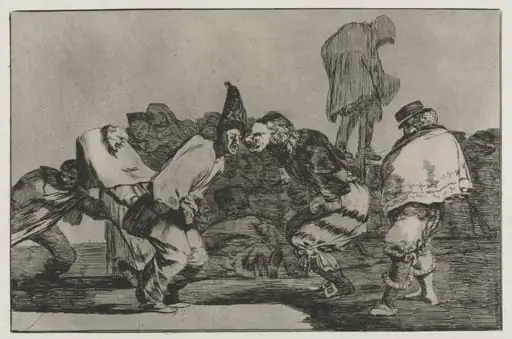
Carnival Jesters
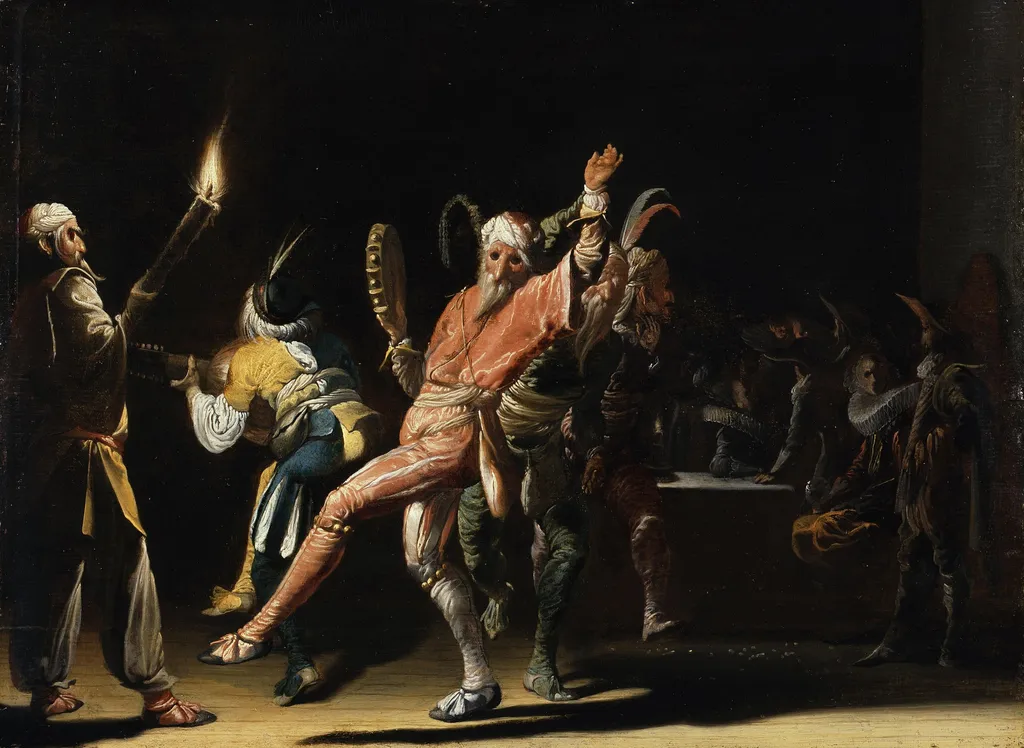
Carnival Jesters is a paint painting by the Dutch Golden Age artist Willem Cornelisz Duyster. It dates from 1627 and is held in the collection of the Bode Museum.
About this work
Overview
Painted in 1627 by Willem Cornelisz Duyster, *Carnival Jesters* is a genre scene depicting a lively outdoor celebration. Though Duyster is better known for interior military settings, this work shifts focus to public festivity. Executed in oil on panel, it reflects the Dutch Golden Age’s interest in everyday life, capturing a moment of communal joy with careful attention to gesture and costume.
Subject & Meaning
The painting portrays a group of figures in elaborate, anachronistic attire, engaged in dance and music during a carnival.
The painting portrays a group of figures in elaborate, anachronistic attire, engaged in dance and music during a carnival. Masks and exaggerated costumes suggest role reversal and temporary social freedom, common themes in seasonal festivals. The scene avoids moralizing, instead presenting the event as a vibrant, self-contained ritual—emphasizing performance, disguise, and collective revelry over narrative or symbolism.
Technique & Style
Duyster employs a restrained palette with subtle contrasts to highlight the vivid costumes and facial expressions. Soft, diffused light enhances the sense of movement, while loose brushwork in clothing and background suggests spontaneity. Figures are arranged in a loose, diagonal composition that guides the eye through the crowd, reinforcing the energy of the celebration without overt theatricality.
History & Provenance
The painting entered the collection of the Gemäldegalerie in Berlin in the 19th century, having likely passed through private Dutch collections after its creation. Its attribution to Duyster has remained consistent since its early documentation. No significant alterations or restorations are recorded, preserving its original surface and tonal balance as intended by the artist.
Context
In early 17th-century Amsterdam, carnival celebrations offered temporary release from social norms, often featuring masked figures and folk performances. While Duyster’s military scenes reflected civic order, this work engages with the city’s festive traditions. The anachronistic costumes may reference historical or theatrical archetypes, aligning with broader Dutch interests in costume and identity during the Golden Age.
Legacy
Though less prominent than his guardroom paintings, *Carnival Jesters* remains a rare example of Duyster’s engagement with public festivity. It contributes to the broader understanding of Dutch genre painting beyond domestic interiors, illustrating how artists captured seasonal rituals with nuance. The work continues to inform studies of social performance and visual culture in the early modern Low Countries.
Own this work as a print
Artist & collection
Artist
Willem Cornelisz Duyster (1599–1635) was a Dutch Golden Age painter from Amsterdam, best known for his "guardroom scenes" (cortegaarddje), genre paintings showing the military life.

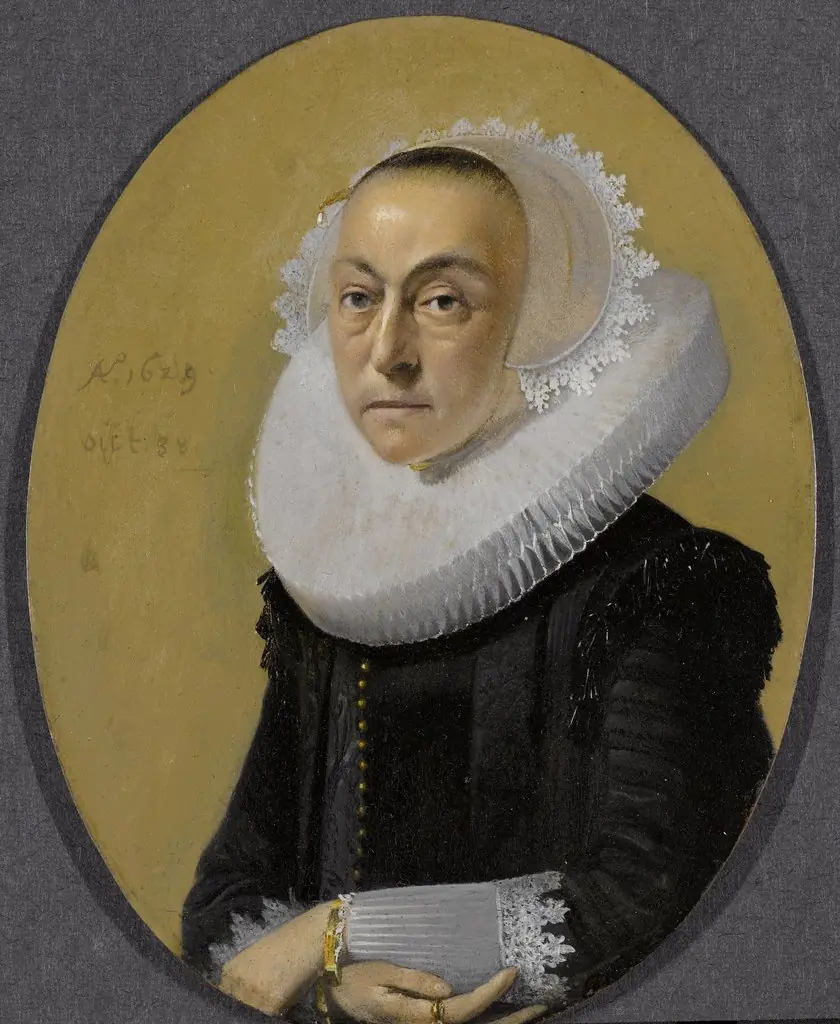 Portrait of a woman
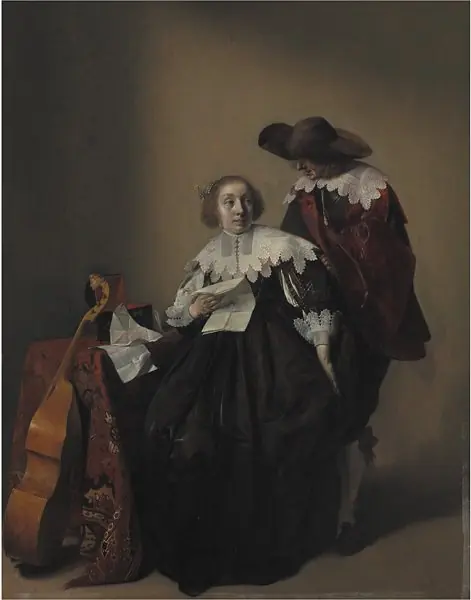 A Seated Woman with a Letter, a Gentleman Standing by Her
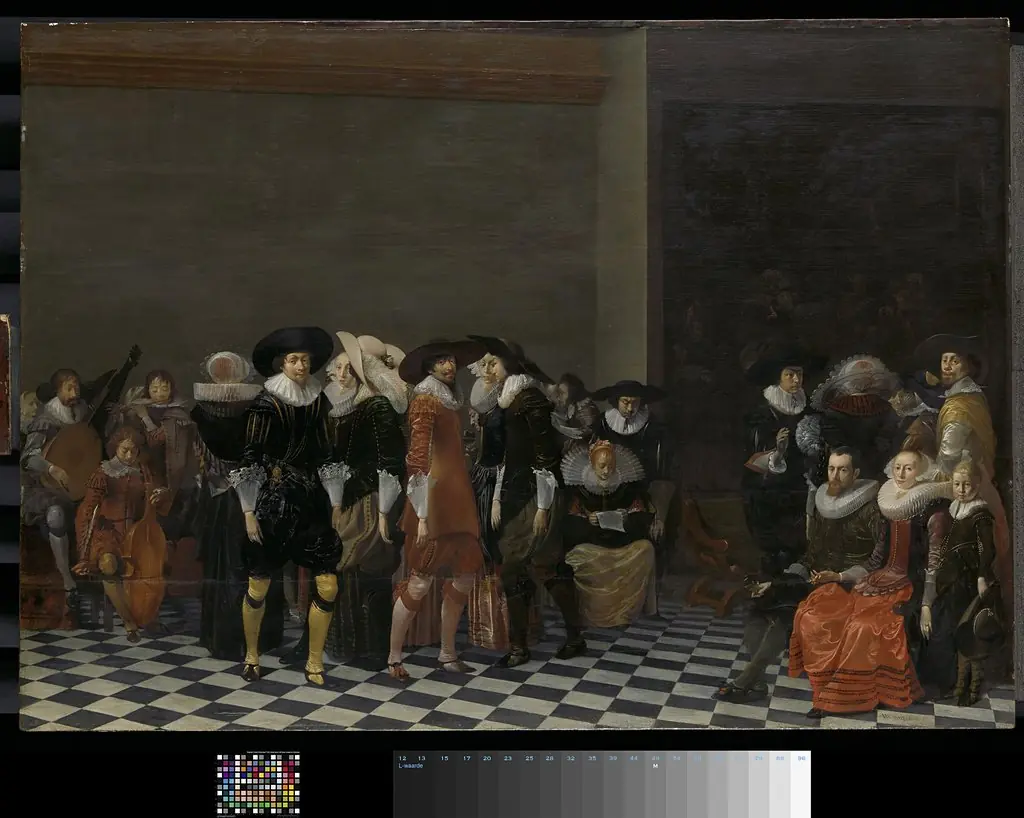 A wedding feast, traditionally called 'The wedding of Adriaen Ploos van Amstel and Agnes van Bijler', 1616
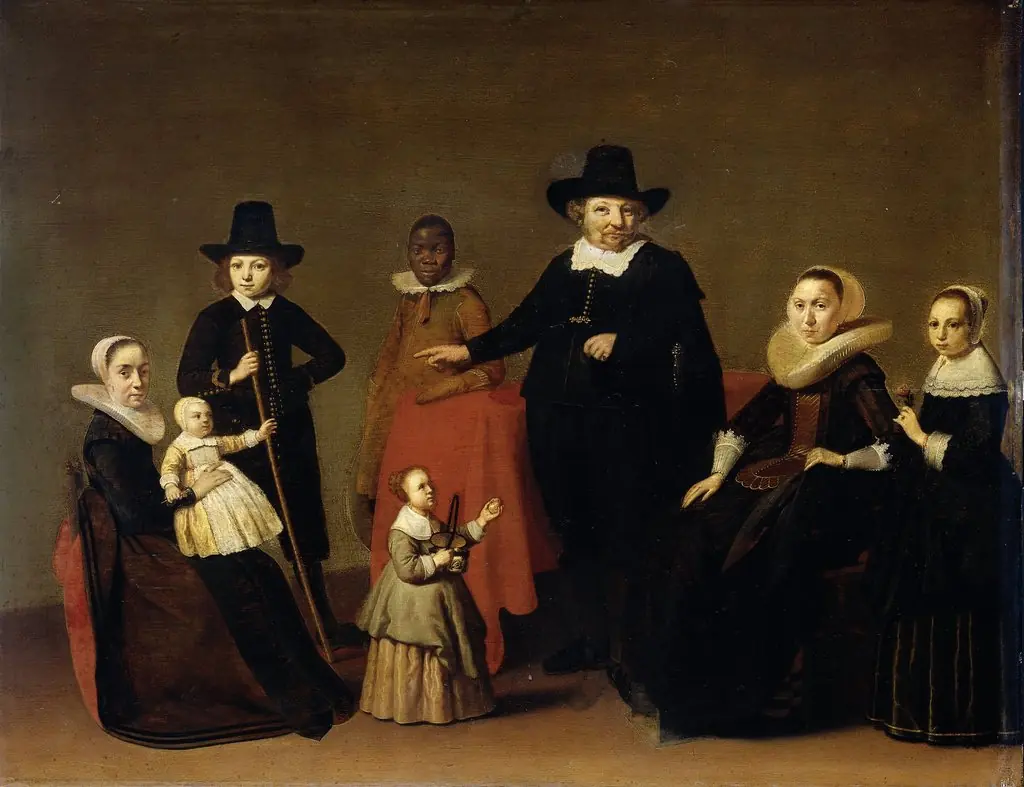 Family group with a black man
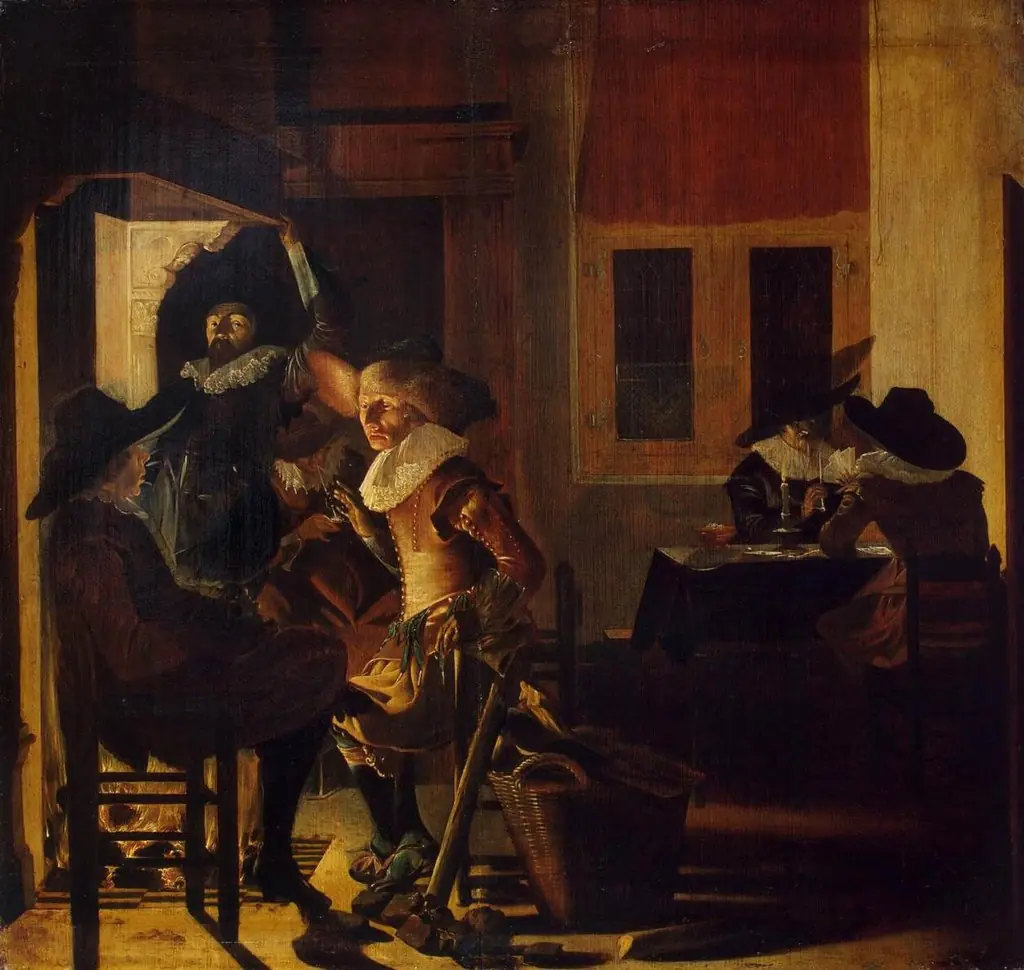 Soldiers Beside a Fireplace
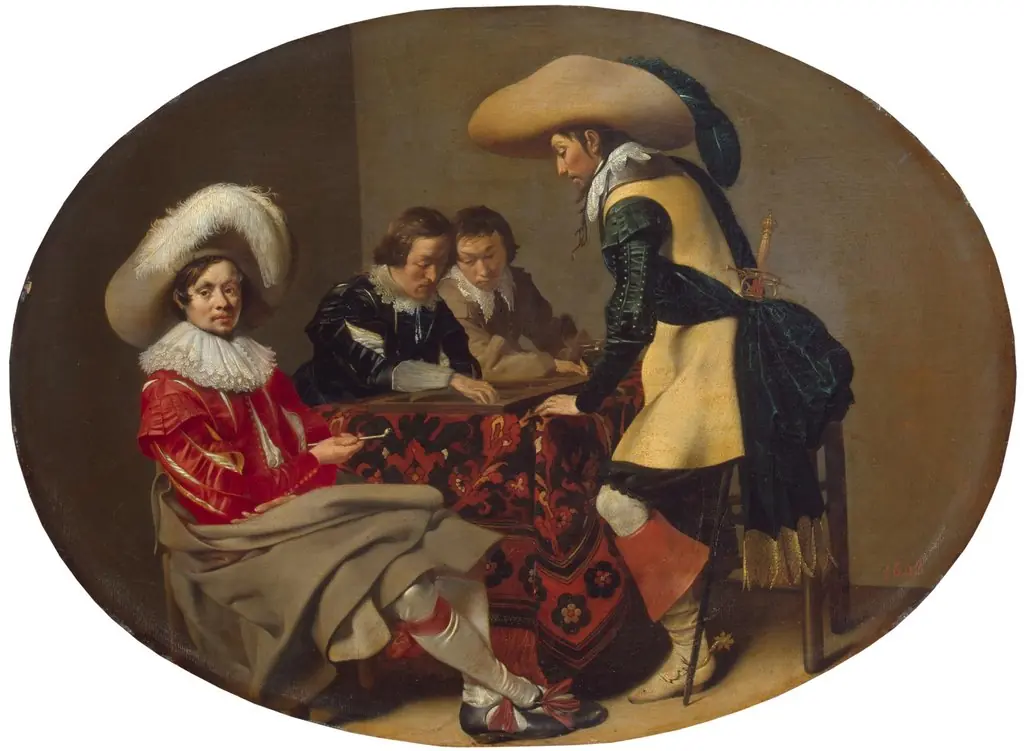 Tric-Trac Players
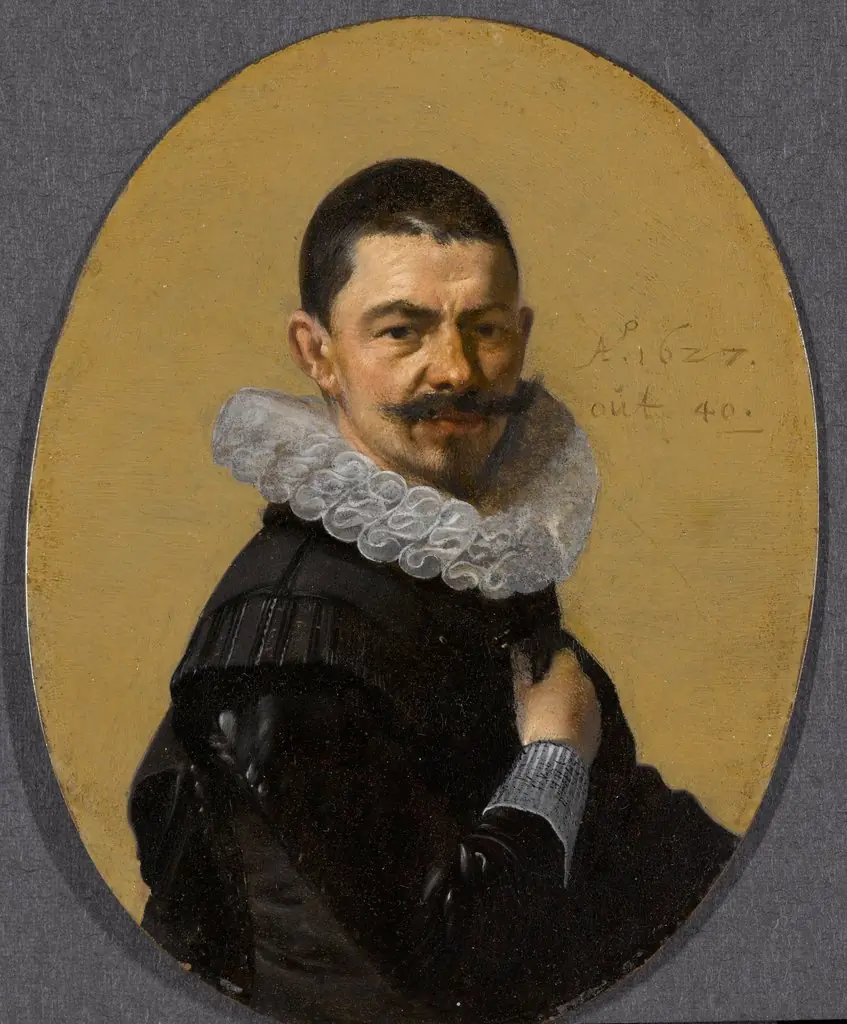 Portrait of a man
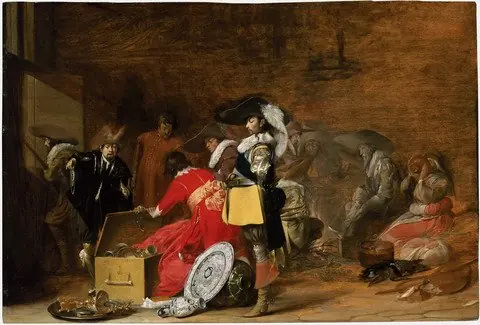 Soldiers Dividing Booty in a Barn
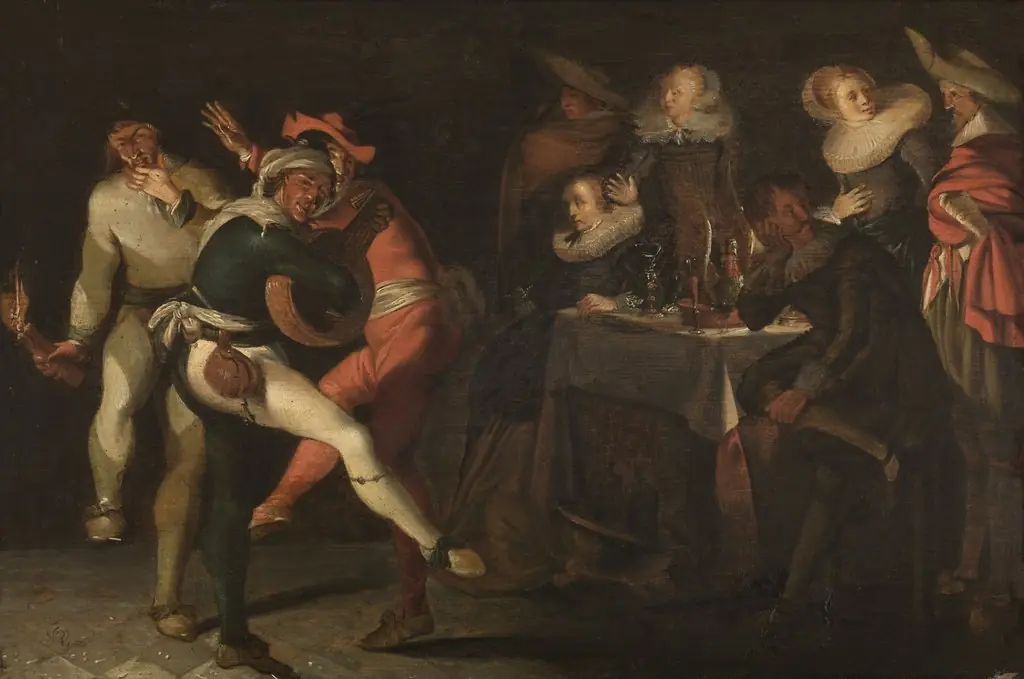 Merry Company
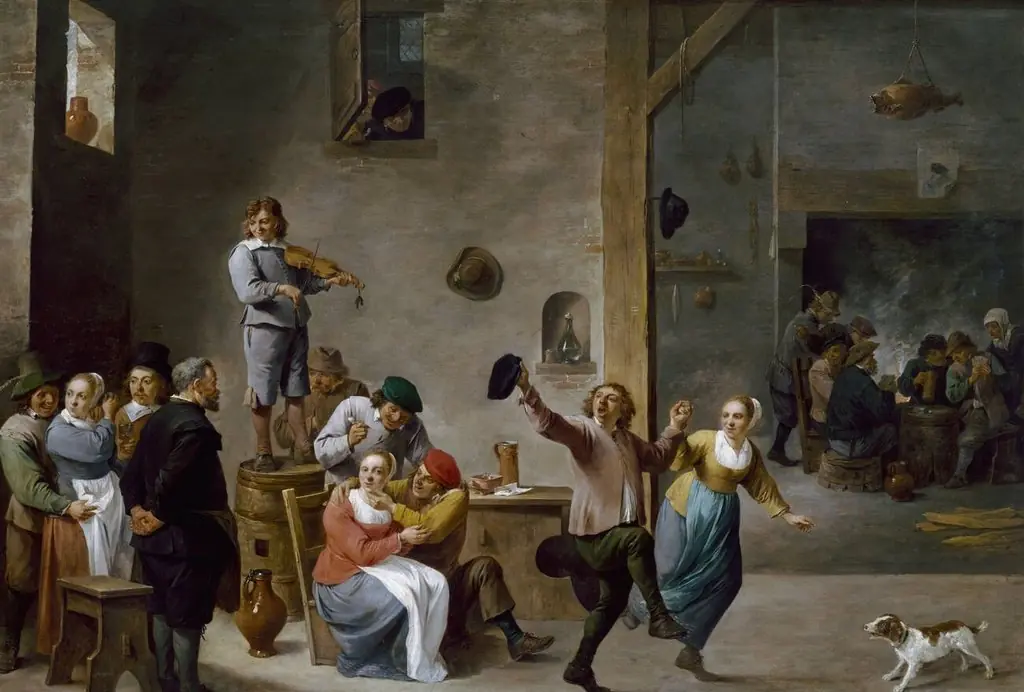 Interior of an inn with dancing peasants
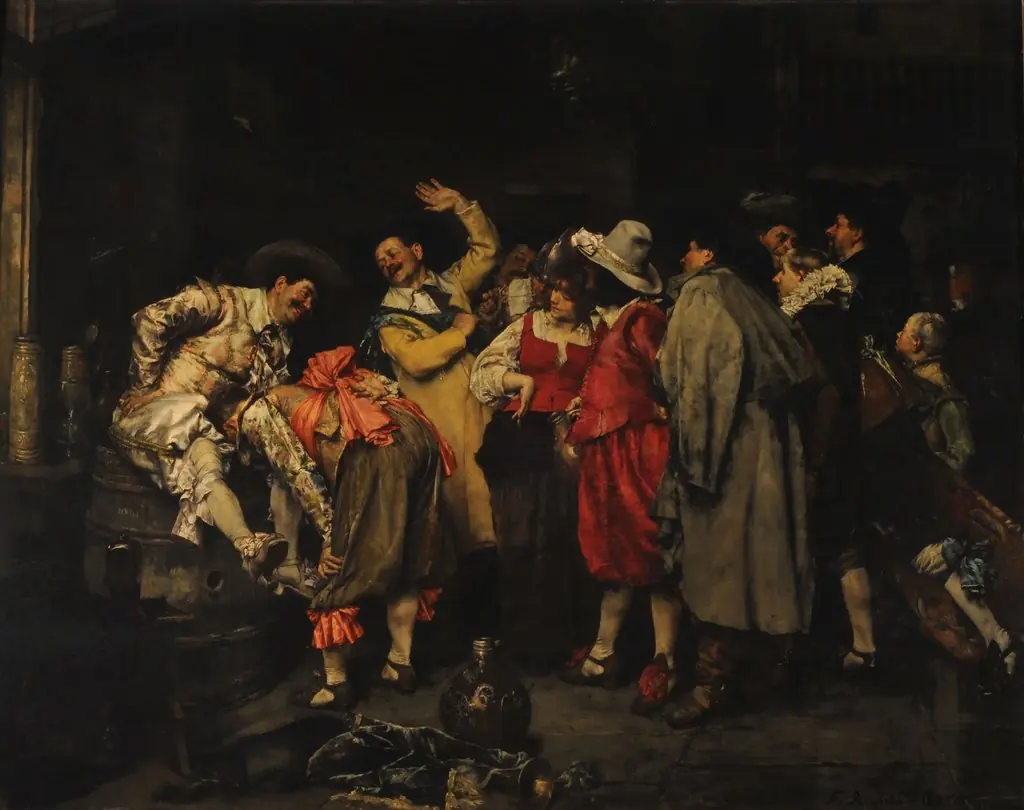 The Clapping Game
 Christ Healing at the Pool of Bethesda
 Village Festival and Feast
 Merry actors and musicians in an interior
 Merry Company
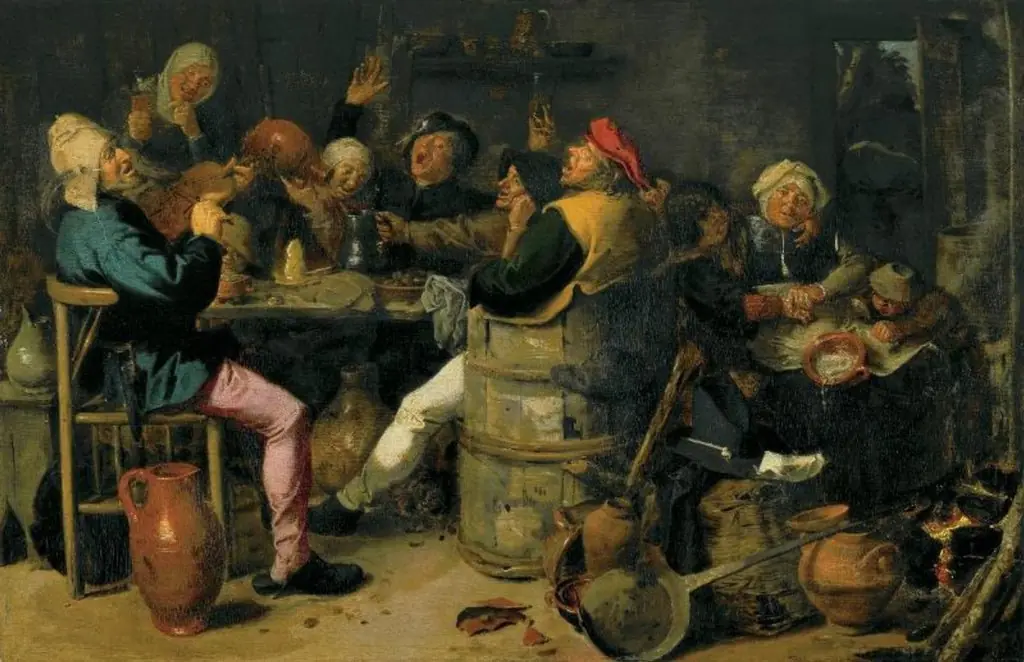 Peasant Feast
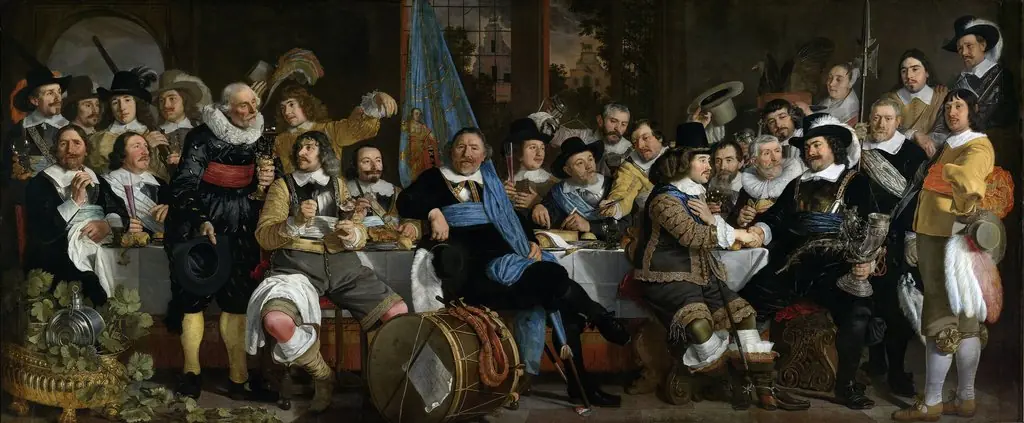 Banquet at the Crossbowmen’s Guild in Celebration of the Treaty of Münster
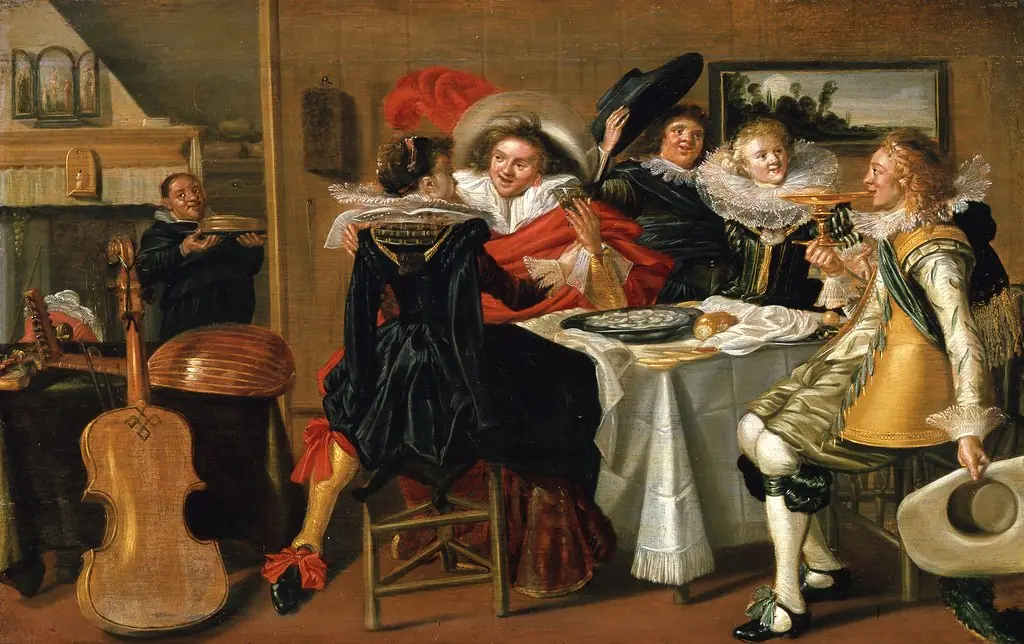 Elegant company drinking in an interior
 Banquet at the Crossbowmen’s Guild in Celebration of the Treaty of Münster
 The Proverbs: Carnival Folly