Artwork
King Ezechias
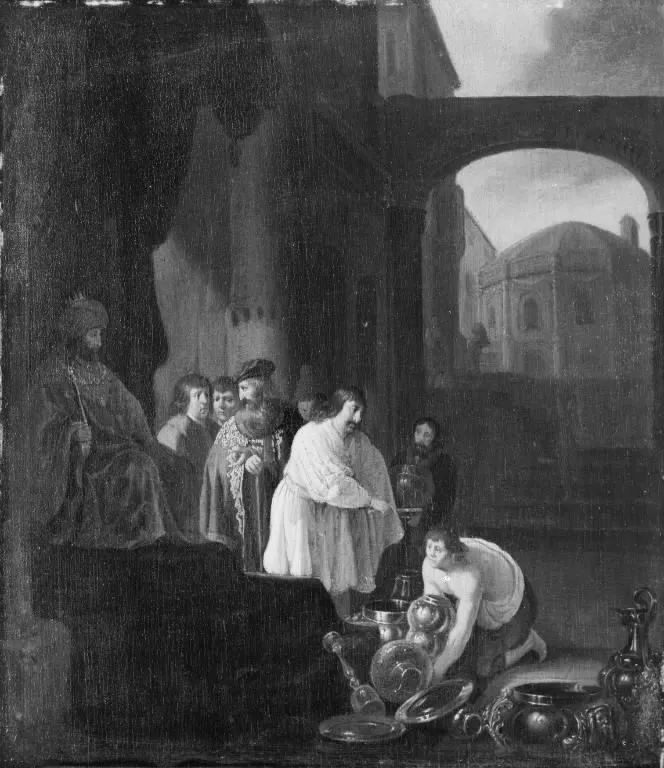
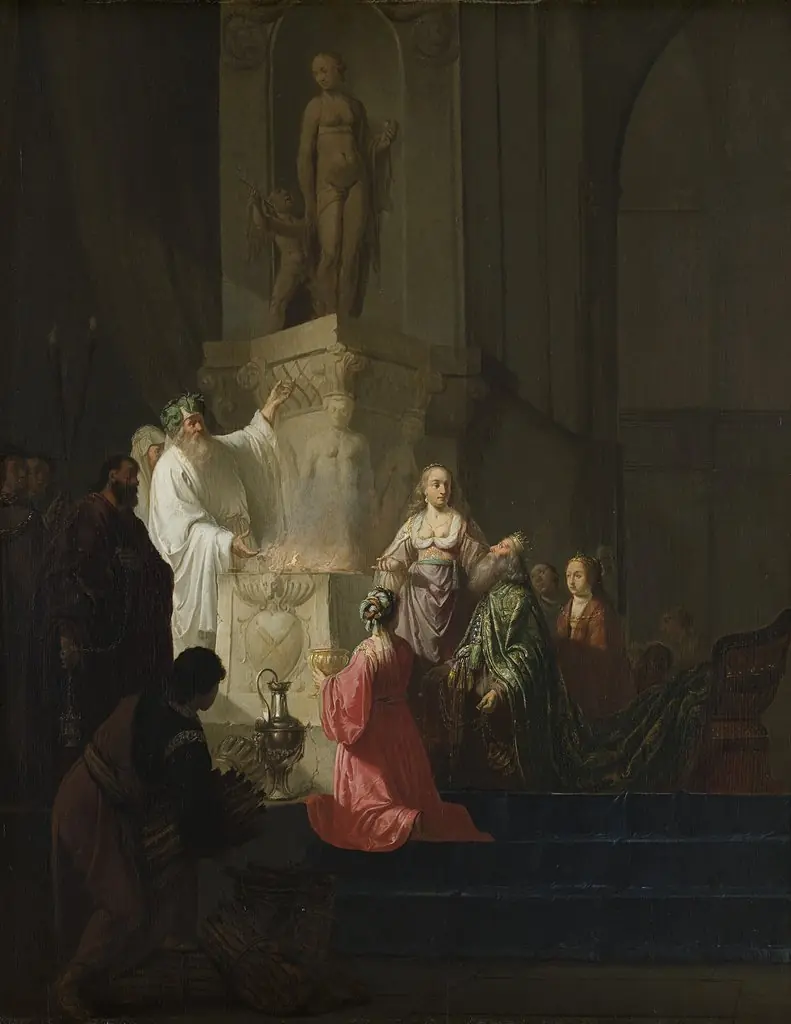
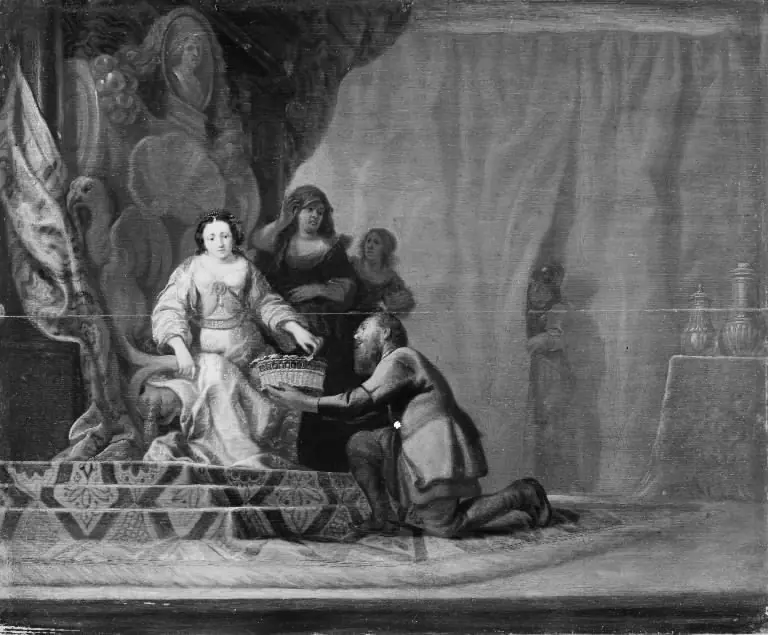
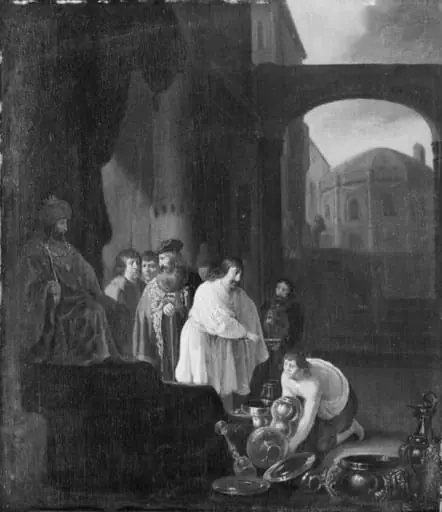
King Ezechias is an unspecified painting by the Dutch Golden Age artist Willem de Poorter. It dates from 1635 and is held in the collection of the Statens Museum for Kunst.
About this work
Overview
The composition centers on the monarch, surrounded by attendants, within an opulent interior that suggests both power and introspection.
Painted in 1635 by Willem de Poorter, this work depicts King Hezekiah, a biblical ruler, in a moment of solemn authority. The painting resides in the Statens Museum for Kunst in Copenhagen. It presents a formal court scene, rendered with careful attention to spatial depth and atmospheric lighting. The composition centers on the monarch, surrounded by attendants, within an opulent interior that suggests both power and introspection.
Subject & Meaning
The figure of Hezekiah, king of Judah, is portrayed not in action but in contemplative stillness, aligning with his biblical reputation for religious reform. His attendants, attentive yet subdued, reinforce the gravity of his position. The scene avoids narrative drama, instead emphasizing moral weight and divine favor. The king’s quiet demeanor invites reflection rather than celebration, aligning with Protestant ideals of humility before divine authority.
Technique & Style
De Poorter employs chiaroscuro to model forms and direct focus, using a single shaft of light from a high window to illuminate the king and his immediate surroundings. The contrast between deep shadows and illuminated surfaces enhances the three-dimensionality of figures and architecture. Rich textures in fabric and stone are rendered with precision, while the dim interior suggests a sacred, enclosed space removed from the outside world.
History & Provenance
The painting entered the collection of the Statens Museum for Kunst in the 19th century, having likely passed through Danish or Dutch private collections prior. Its attribution to de Poorter is well established through stylistic comparison with his other known works. No significant alterations or restorations are documented, preserving the original tonal balance and compositional intent.
Context
Created during the Dutch Golden Age, the painting reflects a broader interest in biblical history as a vehicle for moral and political reflection. While Dutch artists often depicted everyday life, religious subjects remained important, particularly among patrons aligned with Reformed Protestantism. De Poorter’s restrained approach distinguishes his work from more theatrical Italianate styles, favoring quiet dignity over spectacle.
Legacy
Though not widely reproduced, the painting exemplifies the quiet intensity of Dutch biblical portraiture in the mid-17th century. De Poorter’s use of light and spatial economy influenced later Dutch historians and genre painters who sought to convey inner gravity through controlled composition. It remains a key example of how religious themes were adapted to Northern European sensibilities of restraint and introspection.
Artist & collection

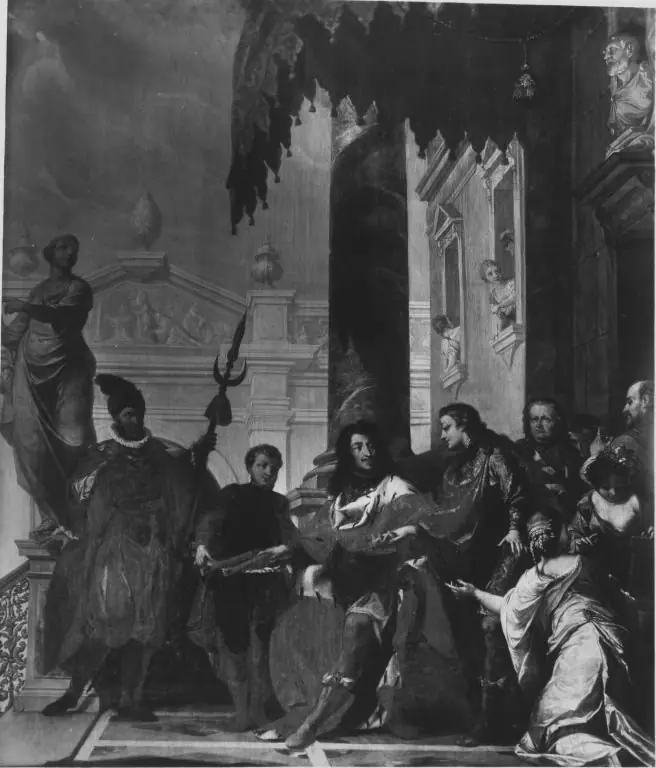 Kurfürst Johann Wilhelm übergibt den Kommandostab
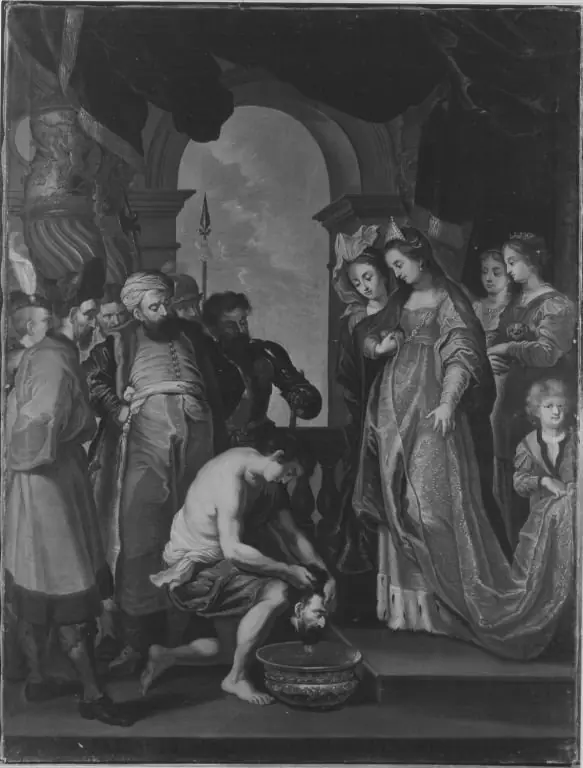 Tomyris with the head of Cyrus (after the engraving by Paulus Pontius)
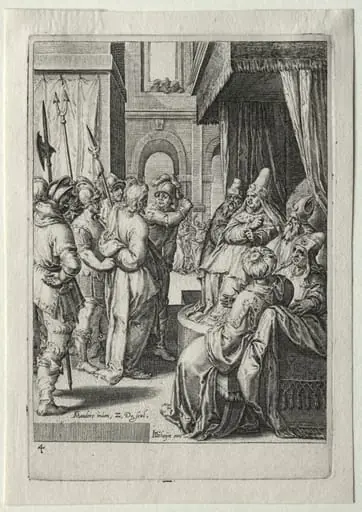 Passion Set: Christ before Herod
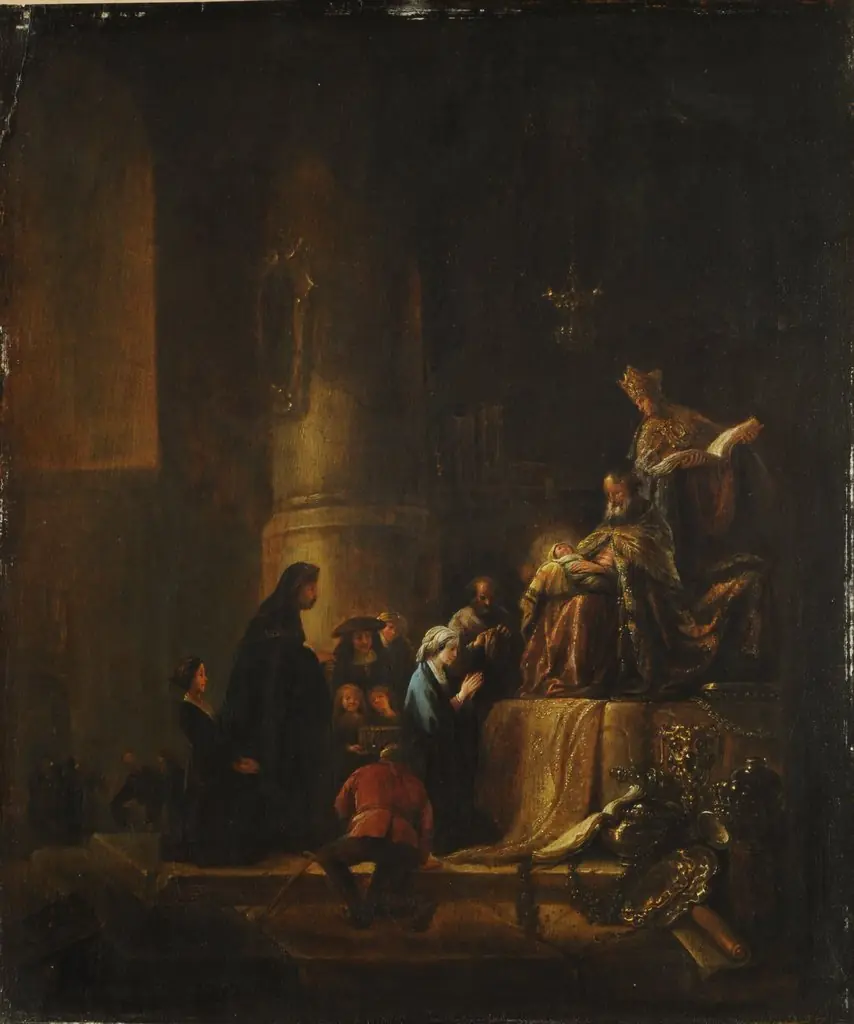 Presentation to the temple
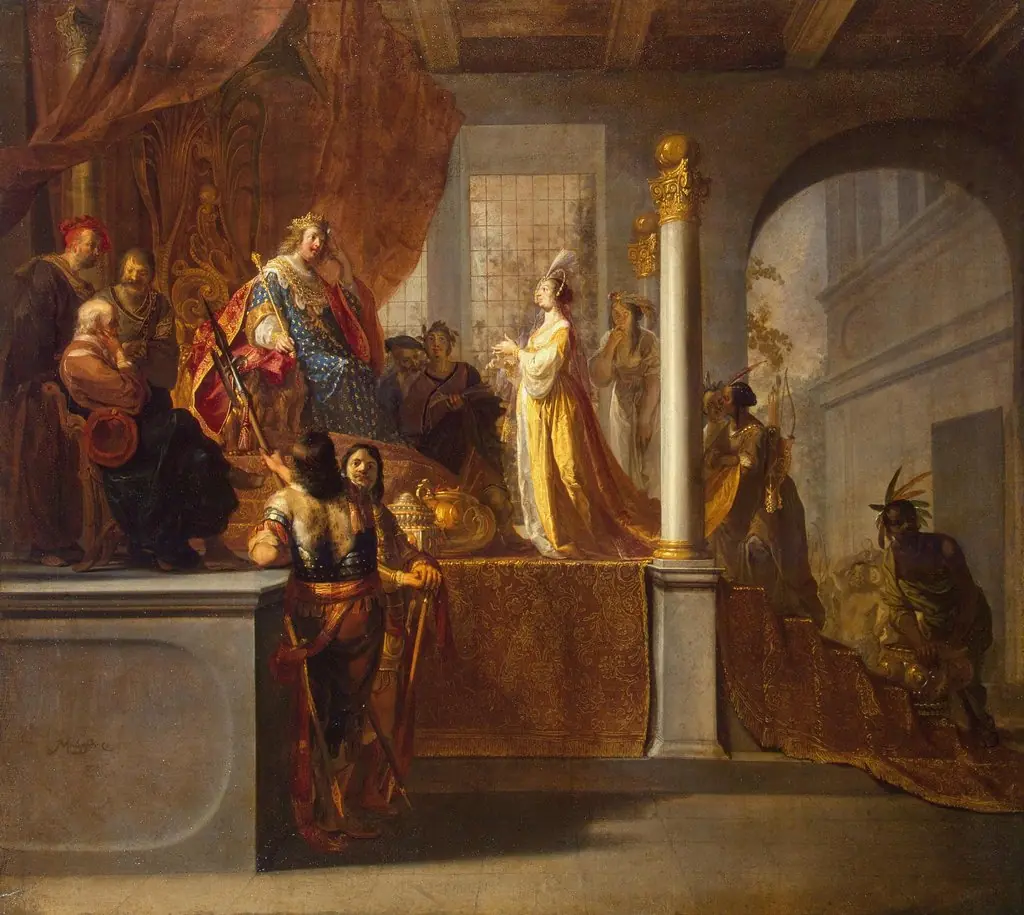 Queen of Sheba before Solomon
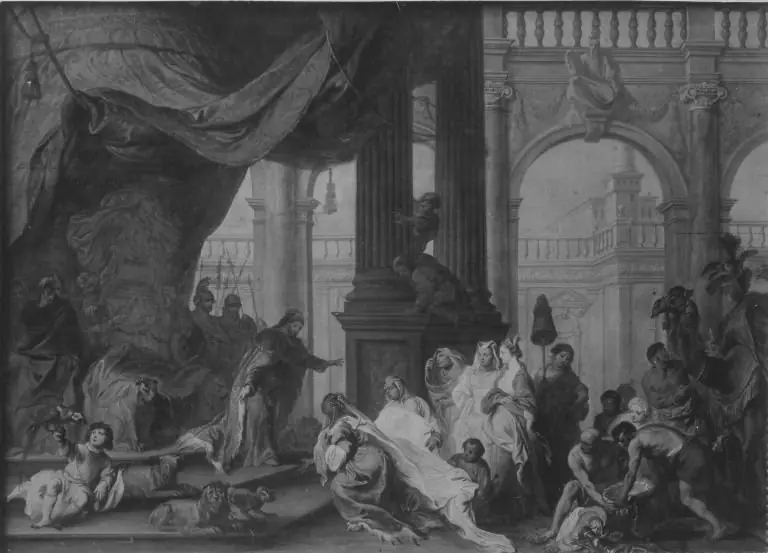 Salomon receives the Queen of Sheba
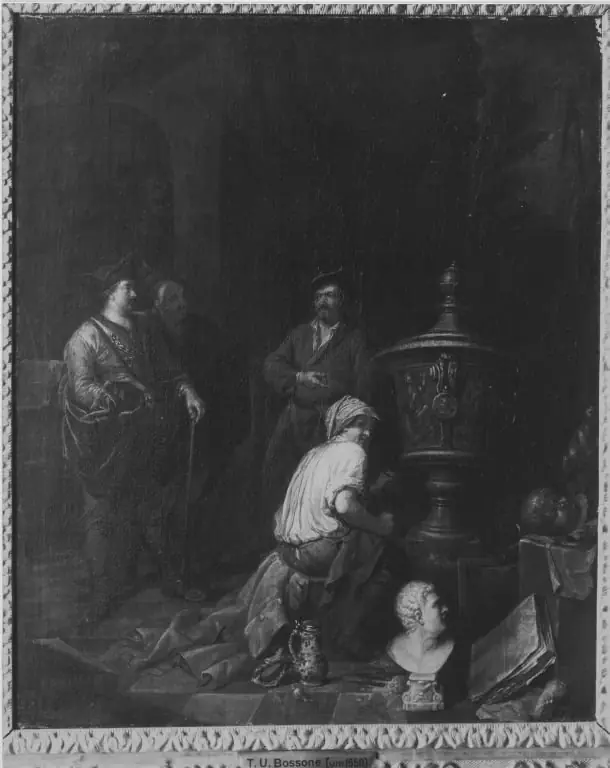 Bildhauerwerkstätte
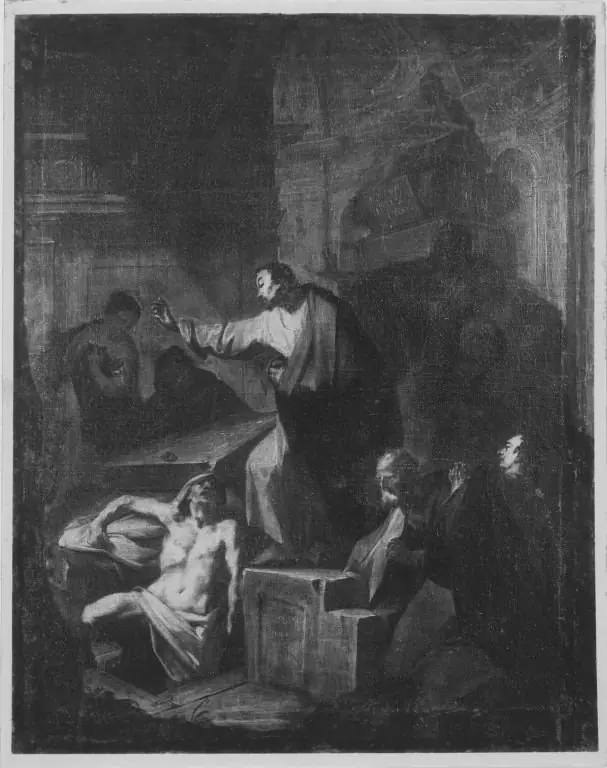 Auferweckung des Lazarus
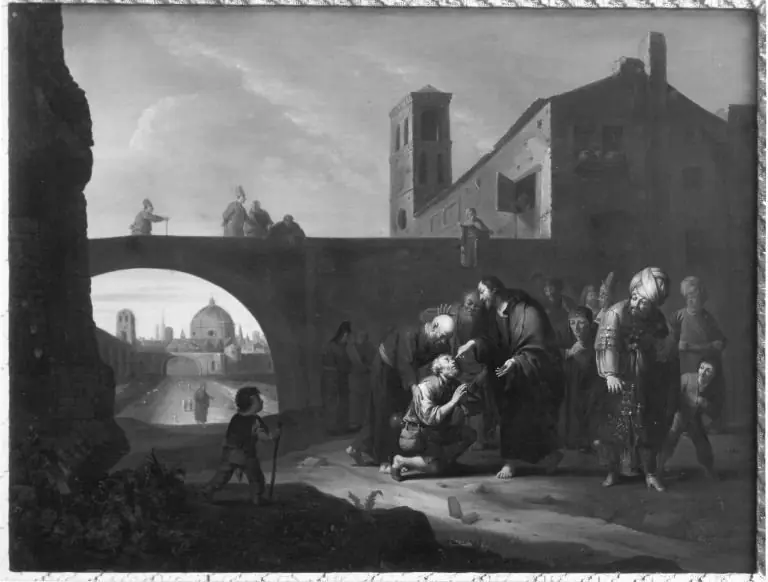 Cityscape with Christ healing a man born blind
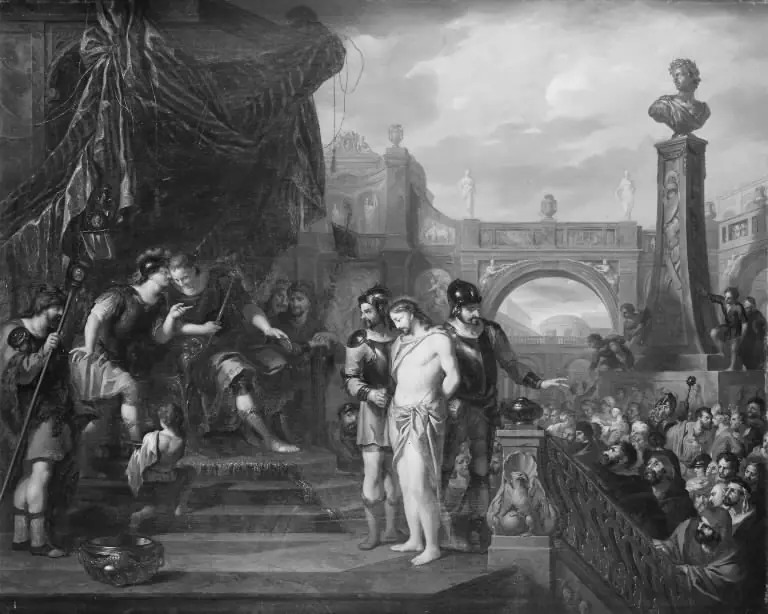 Christ before Pilate
 Das Gastmahl des Belsazar (zugeschrieben)
 King Ezechias