Artwork
Family scene indoors by candlelight
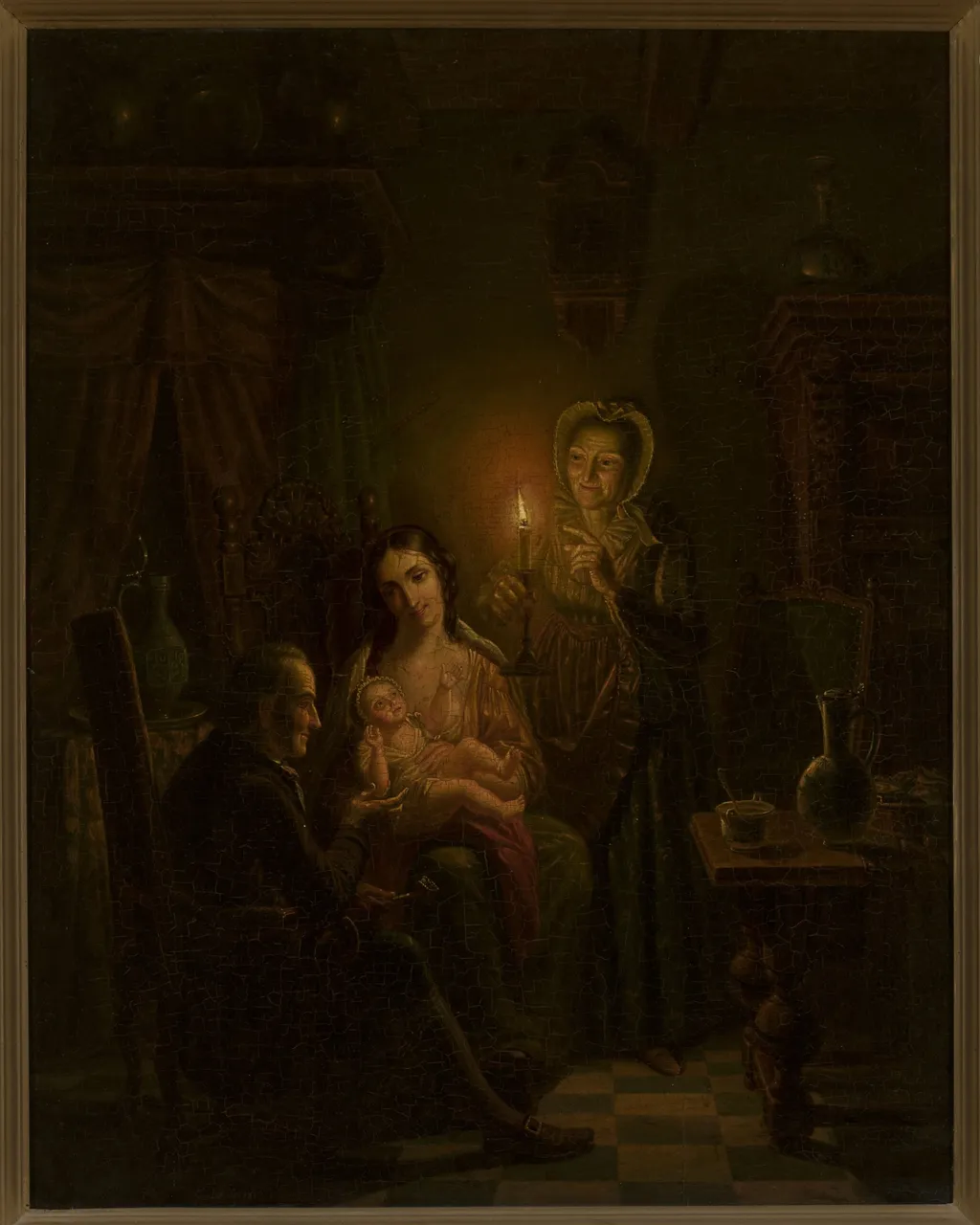
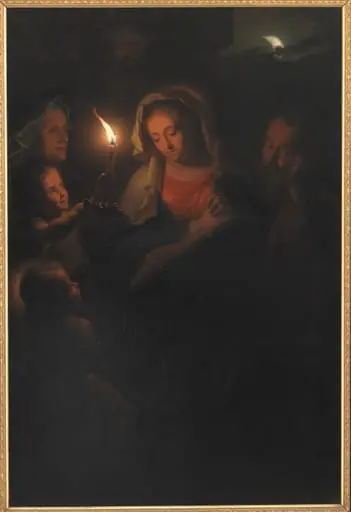
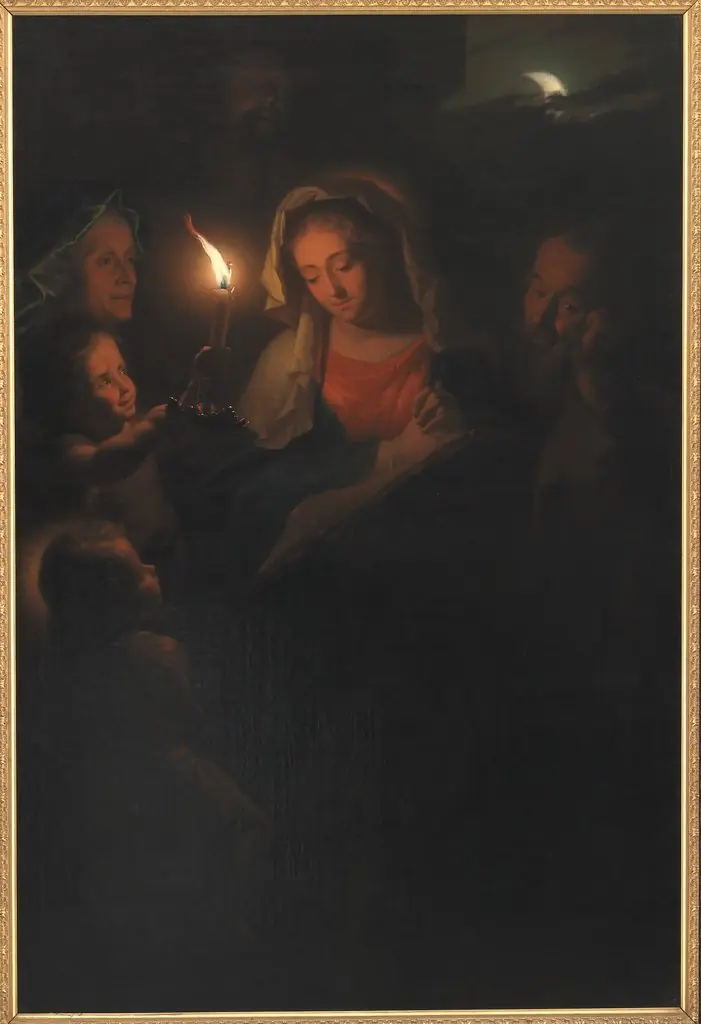
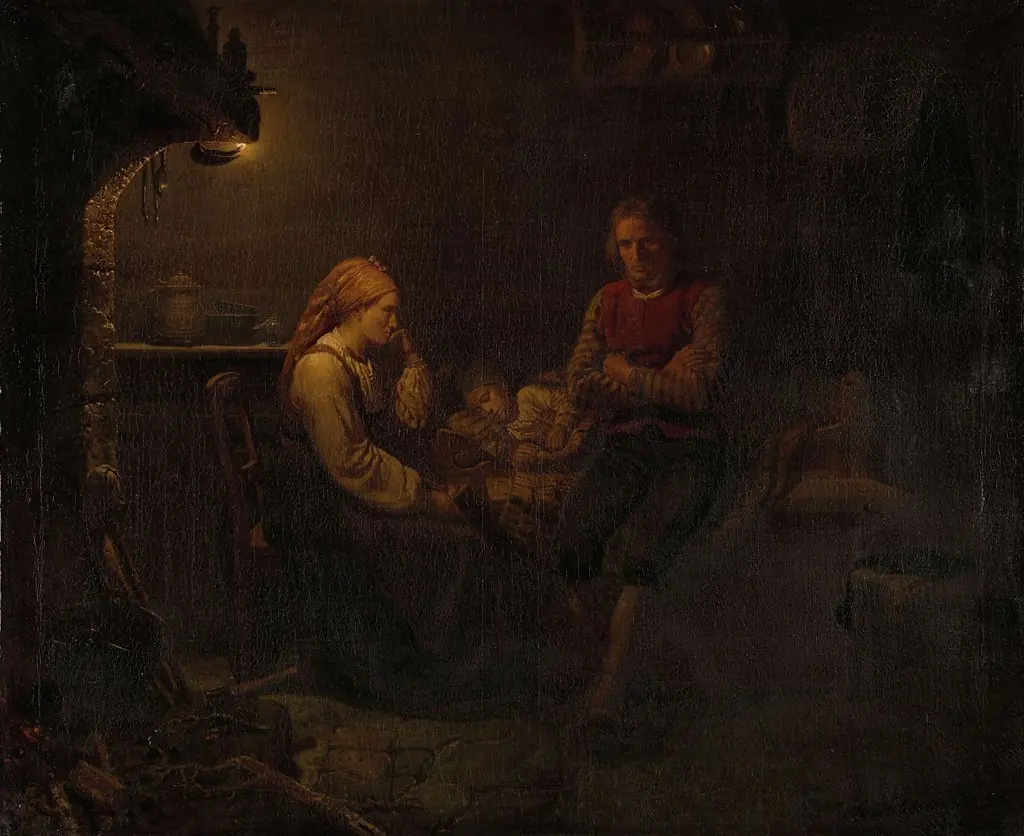
Family scene indoors by candlelight is an oil painting by the Realist artist Willem Thans. It dates from 1850 and is held in the collection of the National Museum in Warsaw.
About this work
Overview
Painted around 1850 by Willem Thans, this oil on canvas depicts a quiet domestic moment illuminated solely by candlelight.
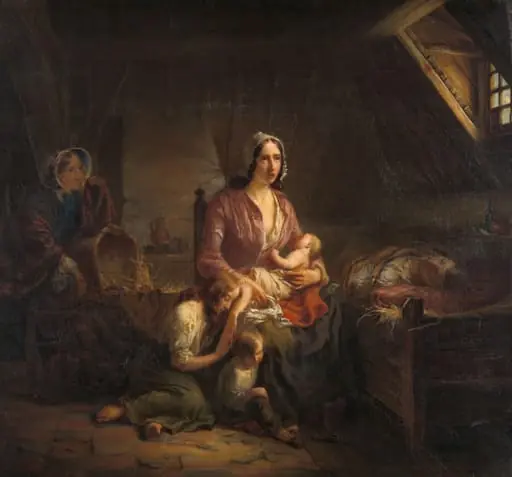
Painted around 1850 by Willem Thans, this oil on canvas depicts a quiet domestic moment illuminated solely by candlelight. The work is part of the collection at the National Museum in Warsaw. Its composition centers on a seated woman holding an infant, flanked by two other figures, all rendered in a subdued palette dominated by deep shadows and soft highlights. The scene captures an unguarded, intimate interlude within a modest interior.
Subject & Meaning
The painting portrays a private family moment, emphasizing tenderness and quiet companionship. The central figure, a woman cradling her child, anchors the group, while the standing and seated figures suggest roles of care and observation. No overt narrative is present; instead, the work conveys emotional resonance through stillness and proximity. The absence of external detail focuses attention on the interpersonal connection under dim, personal light.
Technique & Style
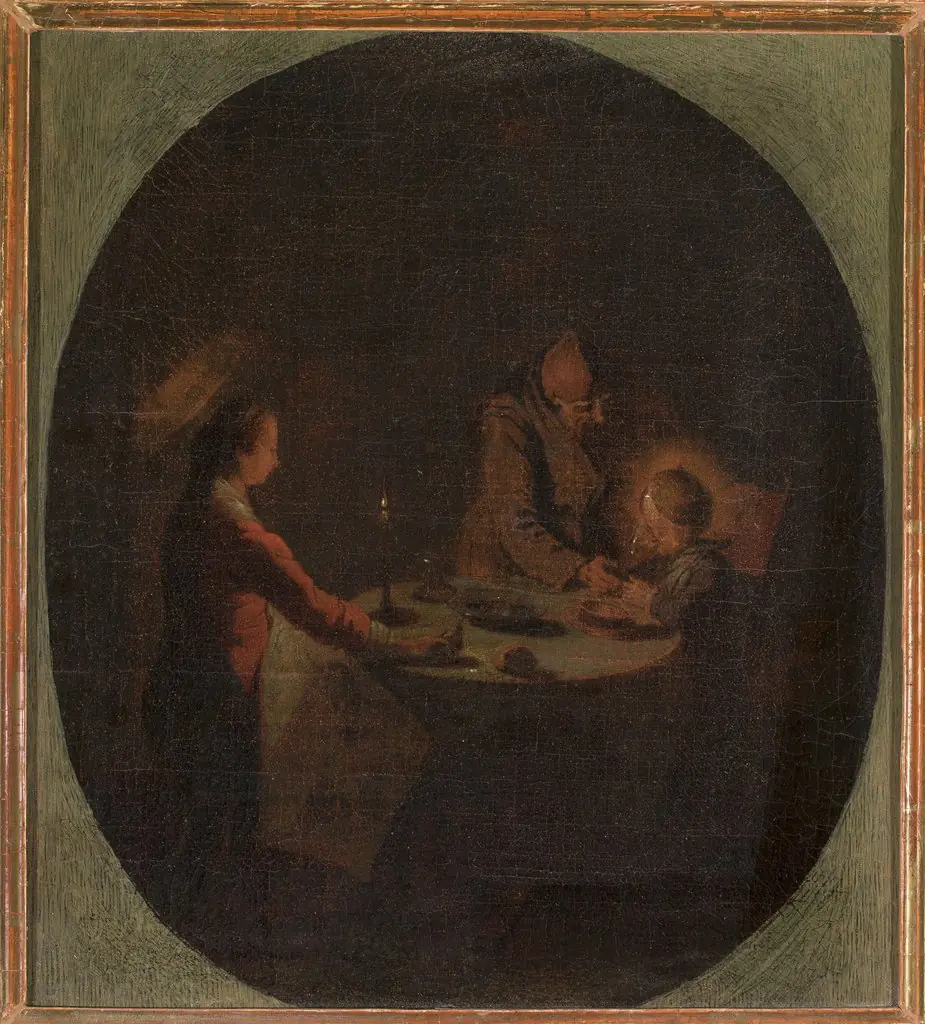
Thans employs chiaroscuro to model forms and direct focus, using the candle as the sole light source to carve out faces and fabrics from surrounding darkness. Brushwork is restrained, with smooth transitions between light and shadow enhancing realism. The limited palette—earthy tones with warm highlights—reinforces the nocturnal setting. The technique avoids theatricality, favoring subtle gradations that evoke a sense of calm and immediacy.
History & Provenance
The painting entered the National Museum in Warsaw’s collection in the mid-20th century, though its earlier ownership remains undocumented. It was likely created during Thans’s mature period, when he focused on intimate interior scenes. No records indicate public exhibition prior to its acquisition by the museum, and it has remained in institutional care since, with minimal restoration noted in conservation reports.
Context
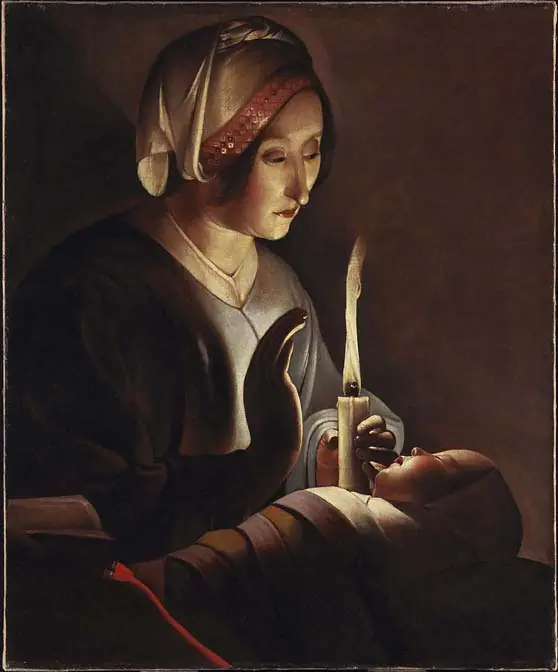
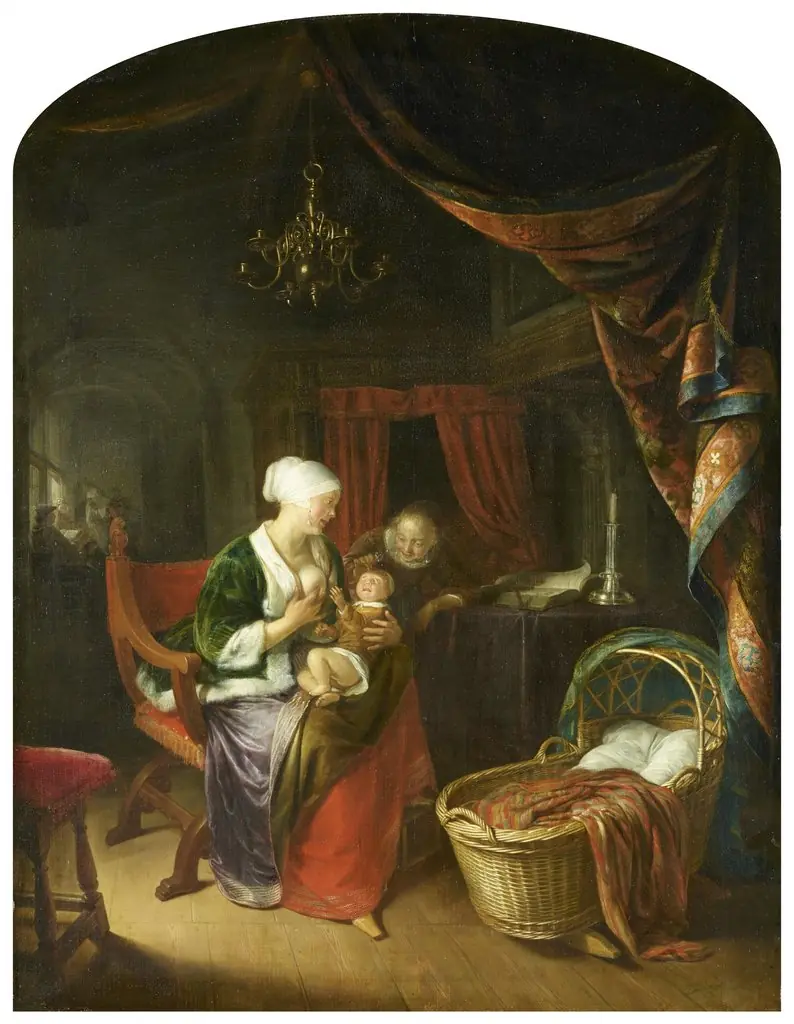
Created in the mid-19th century, the work reflects a broader European trend toward domestic realism, influenced by Dutch genre painting and the quiet introspection of Romantic-era art. Unlike grand historical or mythological subjects, Thans’s focus on ordinary family life aligns with growing interest in the emotional value of private moments. The candlelit setting echoes earlier Caravaggesque traditions but with a gentler, more restrained sensibility.
Legacy
Though not widely reproduced or studied, the painting stands as a quiet example of 19th-century Dutch-influenced genre work in Polish collections. It contributes to understanding how regional artists adapted European techniques to depict local domestic life. Its preservation in a national museum underscores its role as a representative artifact of everyday visual culture during a period of shifting artistic priorities.
Artist & collection