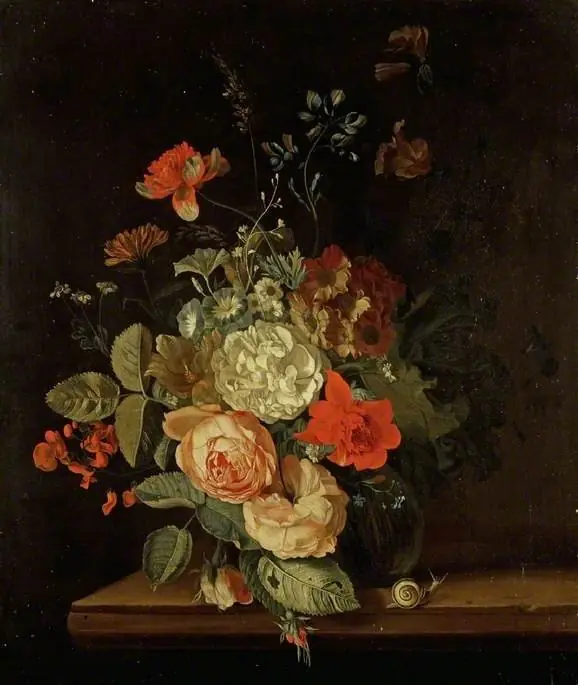
Artwork
Group of flowers
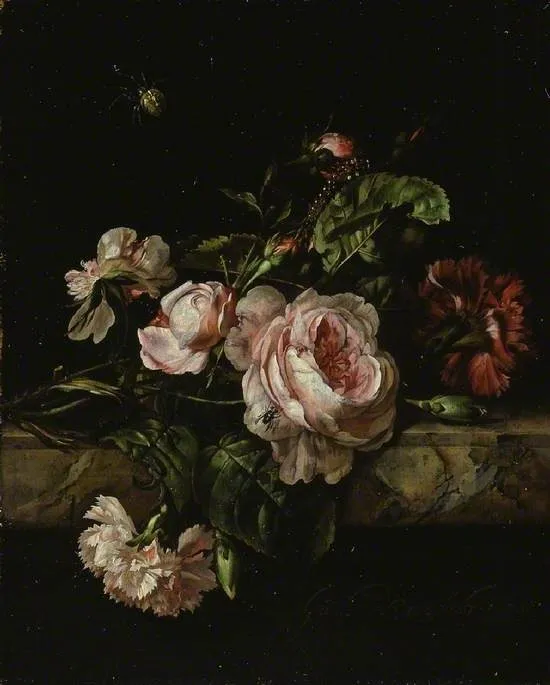
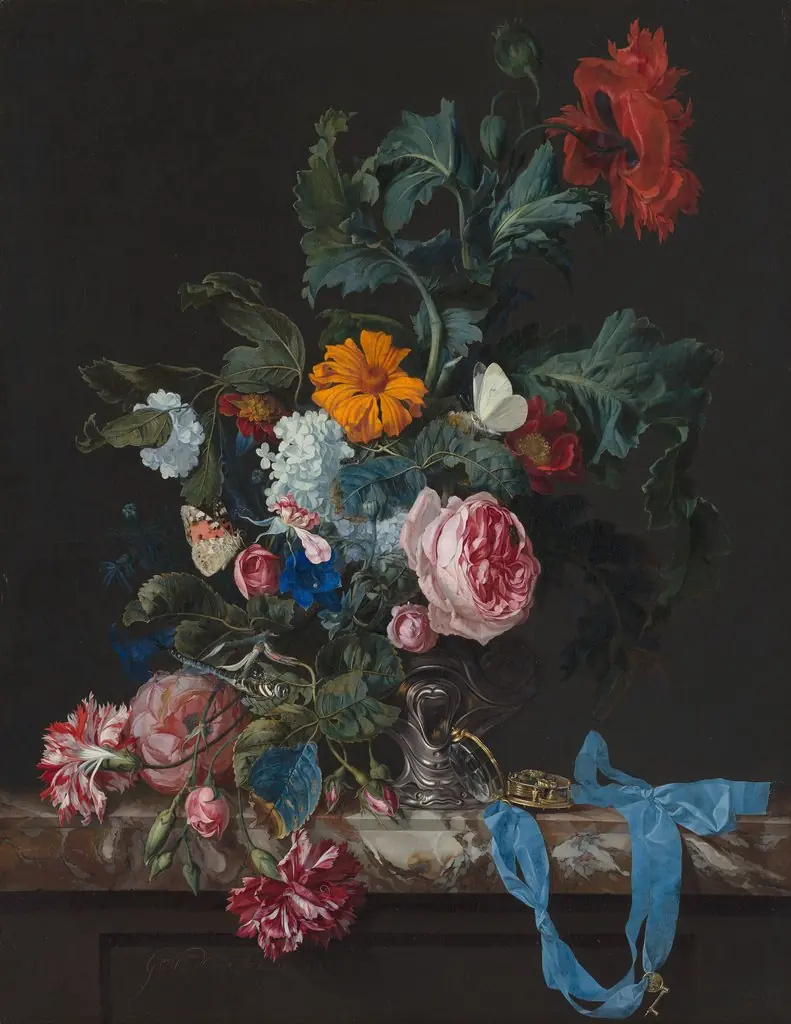
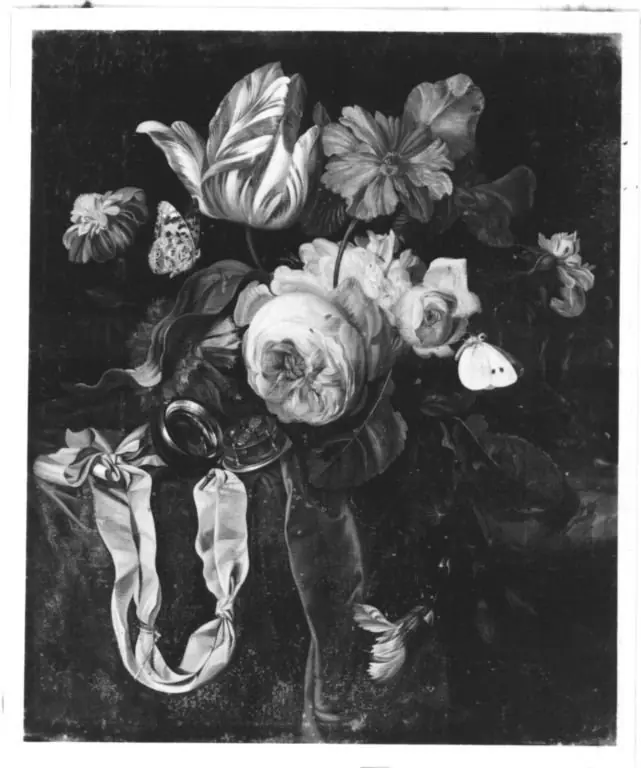
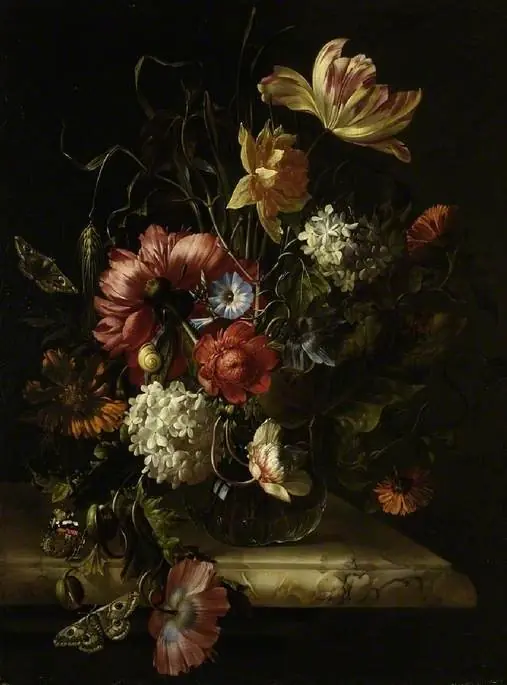
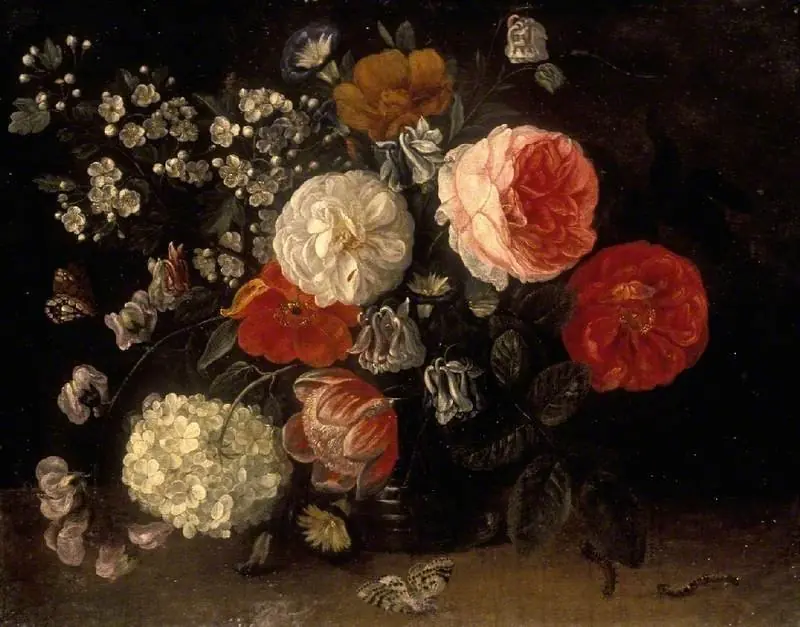
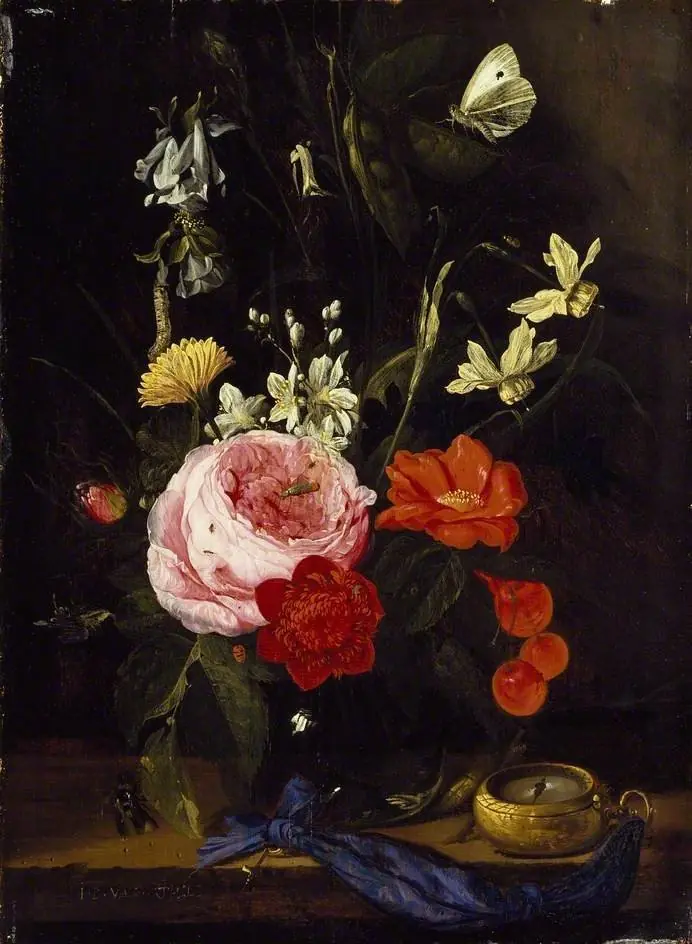
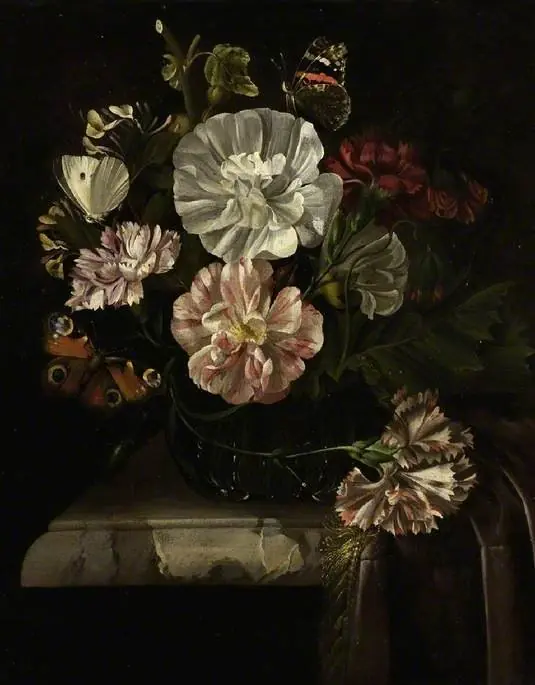
Group of flowers is an oil painting by Willem van Aelst. It dates from 1675 and is held in the collection of the Fitzwilliam Museum.
About this work
Overview
The work belongs to the Fitzwilliam Museum’s collection, reflecting van Aelst’s specialization in floral subjects during the Dutch Golden Age.
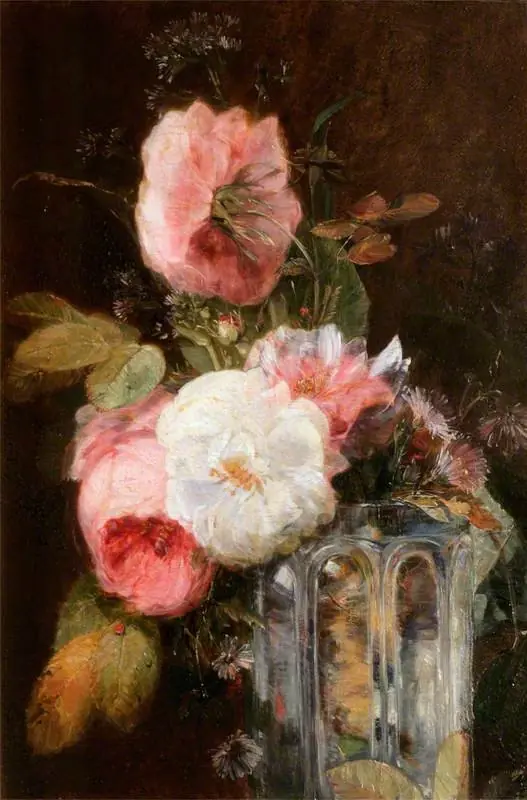
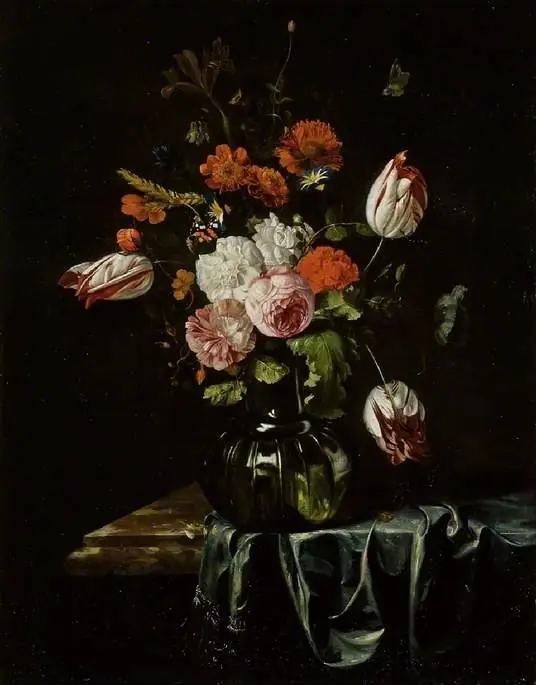
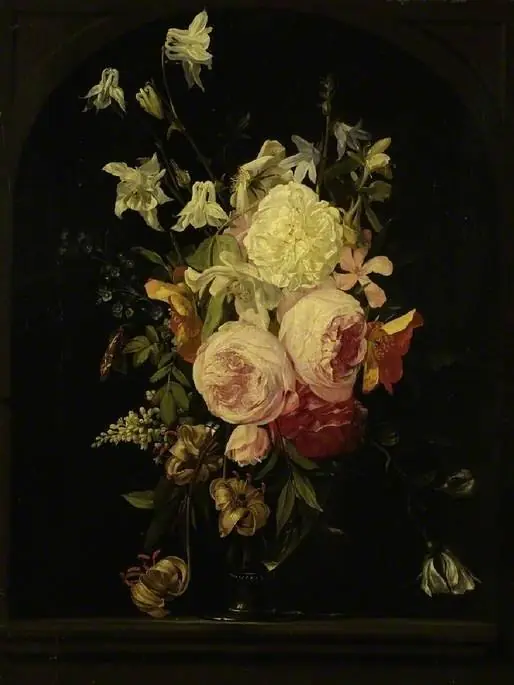
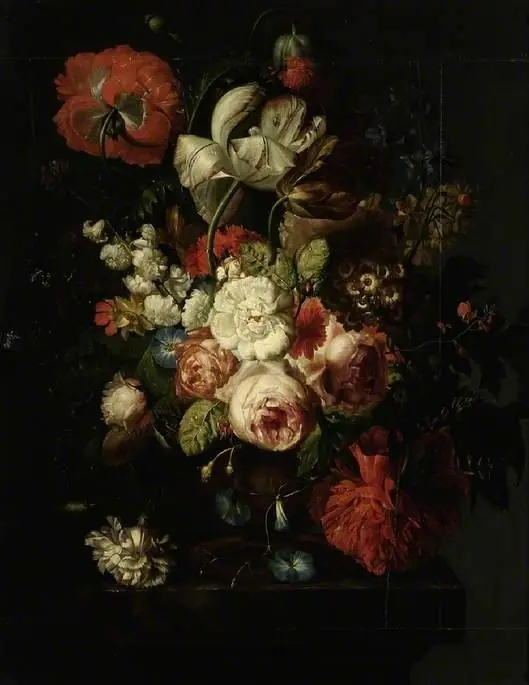
Painted in 1675 by Willem van Aelst, this oil-on-canvas still life presents a modest arrangement of cut flowers on a tabletop. The composition is restrained, emphasizing naturalistic detail over ornamentation. The dark background isolates the blooms, enhancing their delicate forms. Insects drift near the petals, adding a subtle sense of movement and transience. The work belongs to the Fitzwilliam Museum’s collection, reflecting van Aelst’s specialization in floral subjects during the Dutch Golden Age.
Subject & Meaning
The painting depicts a quiet assembly of white and pink blossoms, accompanied by green foliage and hovering insects. Rather than showcasing rare or exotic specimens, van Aelst chose common flowers, suggesting an appreciation for everyday beauty. The presence of insects hints at the fleeting nature of life, a recurring theme in Dutch still lifes. The arrangement appears spontaneous, as if the blooms have just been placed on the surface, reinforcing a sense of quiet, unforced vitality.
Technique & Style
Van Aelst employed fine brushwork to render the textures of petals, stems, and wings with precision. The flowers are modeled with soft gradations of light, creating volume without theatrical contrast. The dark, unbroken background serves to heighten the luminosity of the blooms, a technique common among Dutch still-life painters. The composition avoids symmetry, favoring a naturalistic imbalance that mimics organic growth, enhancing the illusion that the flowers emerge directly from the table.
History & Provenance
Created in 1675, the painting entered the Fitzwilliam Museum’s collection through established channels of 19th-century British acquisitions of Dutch art. Van Aelst, who worked in both the Netherlands and France, was known for his refined floral compositions, which appealed to collectors seeking quiet elegance. While the painting’s immediate provenance before the museum is not fully documented, its attribution to van Aelst is consistent with his known oeuvre and stylistic fingerprints from the period.
Context
In mid-to-late 17th-century Holland, still-life painting flourished as a genre reflecting both aesthetic refinement and philosophical contemplation. Floral works like this one were popular among urban elites, symbolizing wealth, taste, and the transient nature of earthly pleasures. Van Aelst’s restrained approach distinguished him from more flamboyant contemporaries, aligning his work with a quieter, more introspective strand of Dutch realism focused on observation over spectacle.
Legacy
Van Aelst’s floral still lifes contributed to the enduring tradition of Dutch naturalism, influencing later artists through their emphasis on quiet detail and compositional restraint. This painting, like others in his oeuvre, remains a reference point for studies of 17th-century botanical representation and the symbolic use of everyday objects. Its presence in the Fitzwilliam Museum ensures continued scholarly and public engagement with the subtleties of Dutch Golden Age still life.
Artist & collection
Artist
Willem van Aelst (16 May 1627 – buried 22 May 1683) was a Dutch Golden Age artist who specialized in still-life painting with flowers or game.