Artwork
Giovanni Battista Fichetti
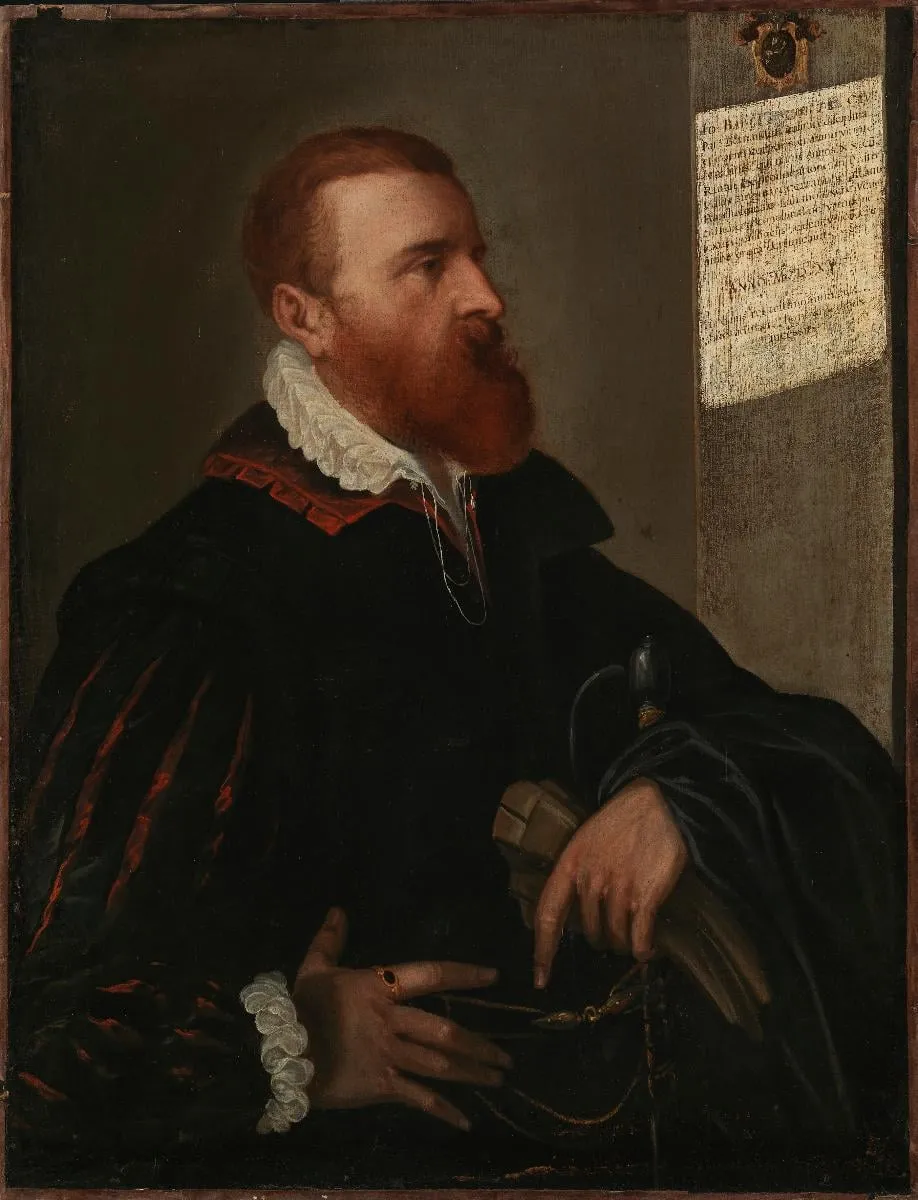
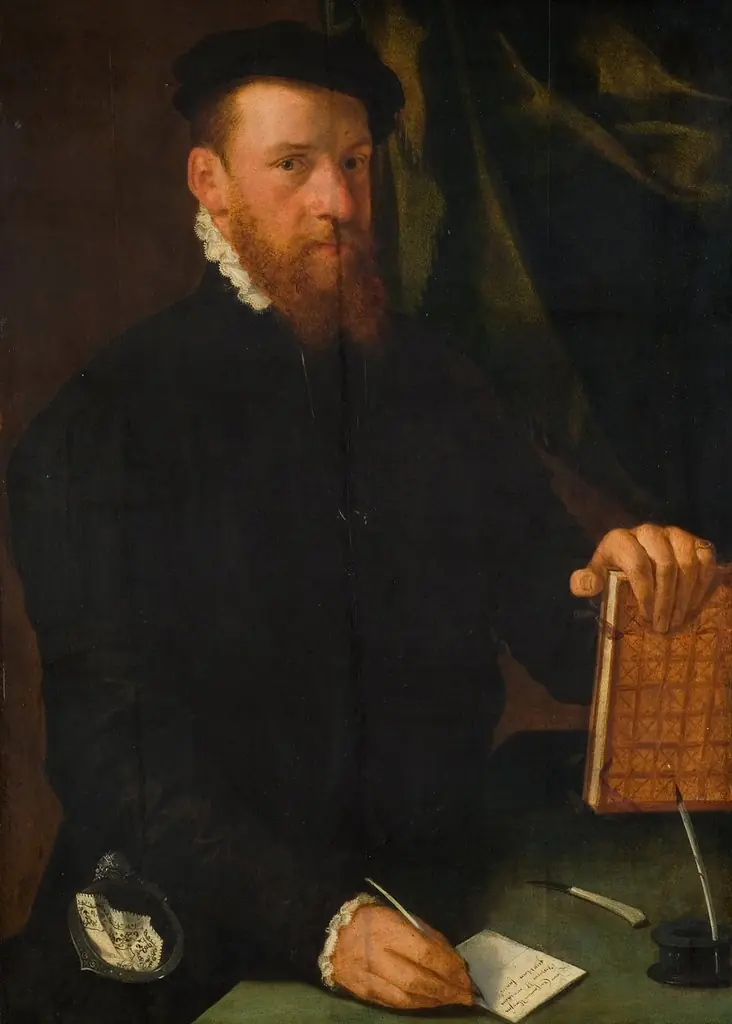
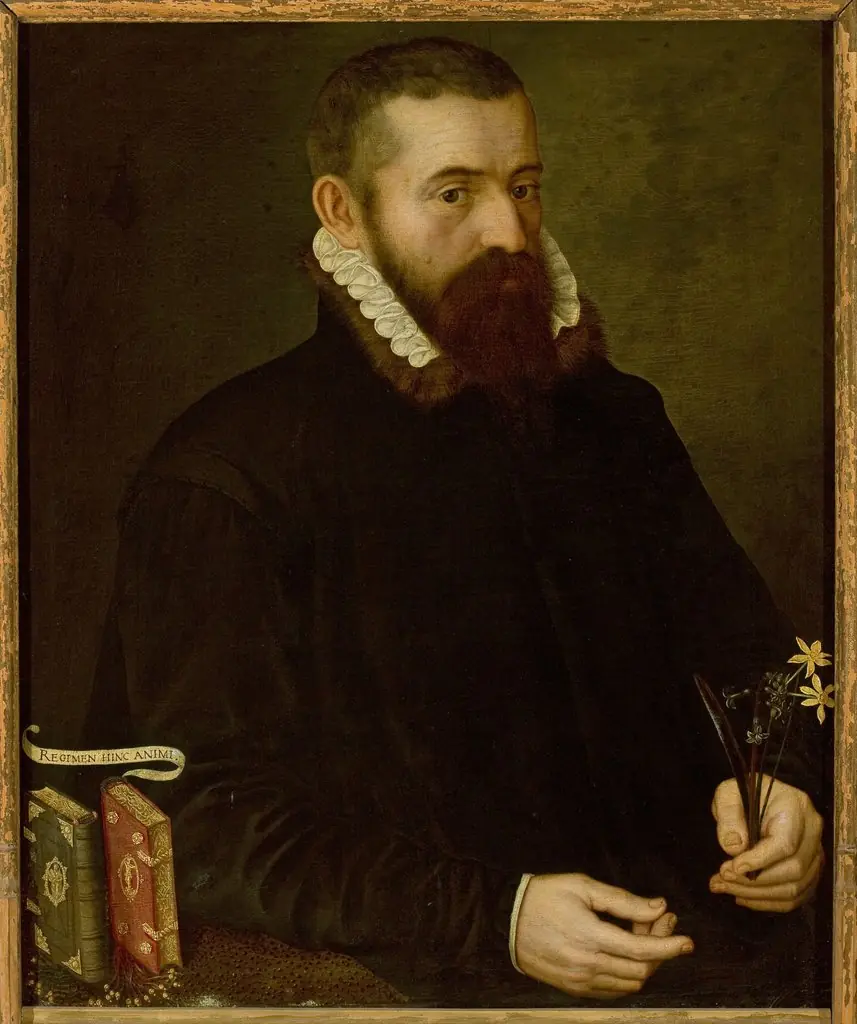
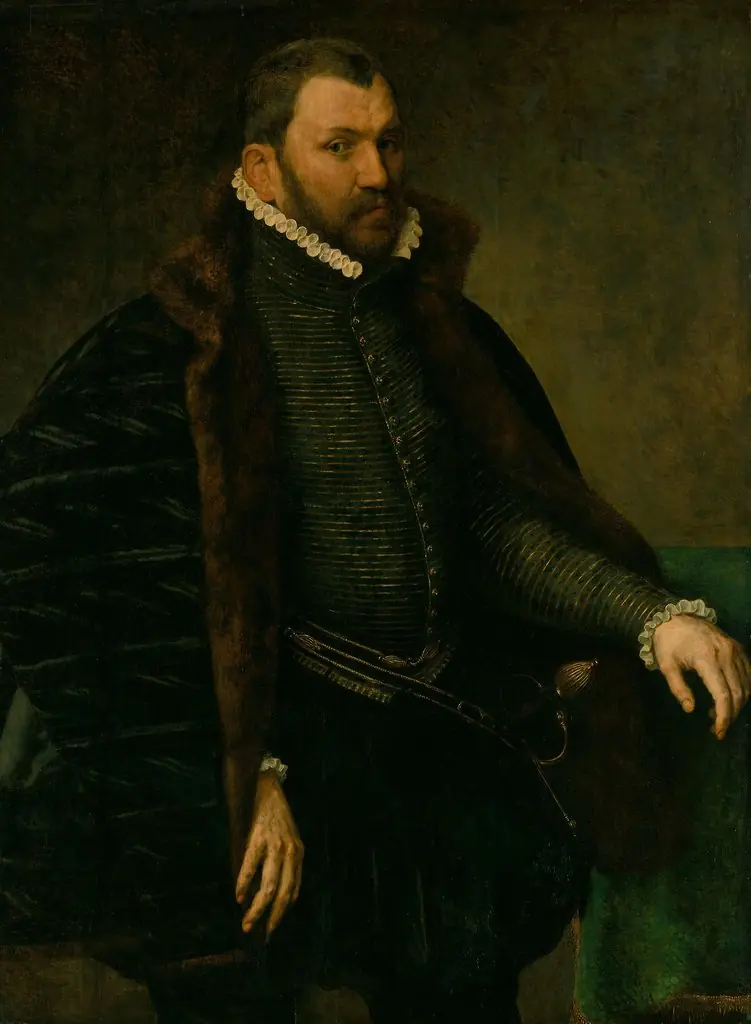
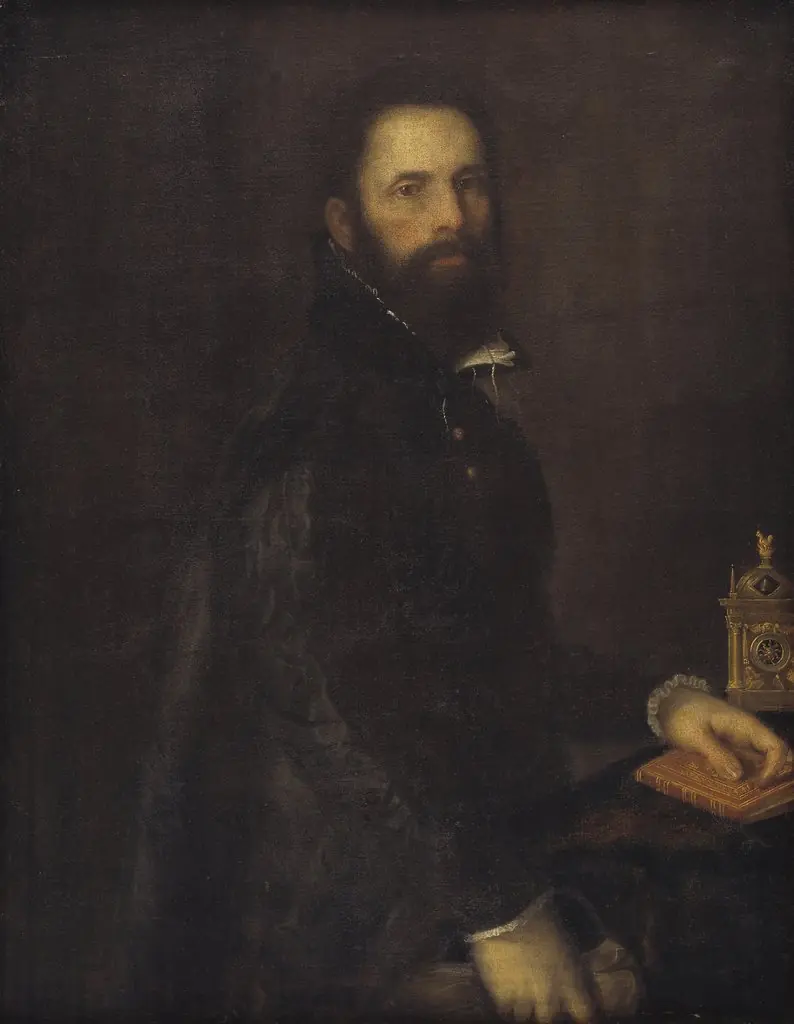
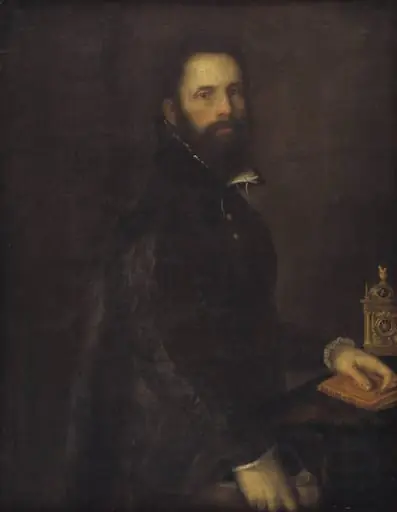
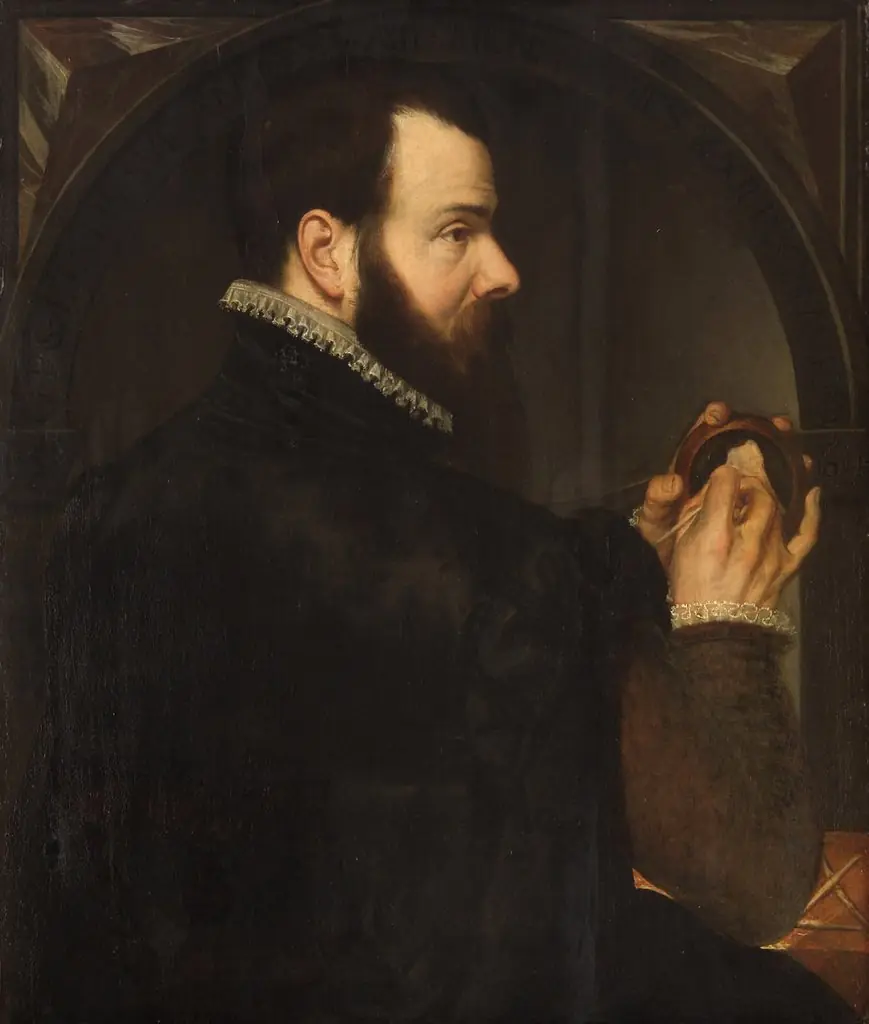
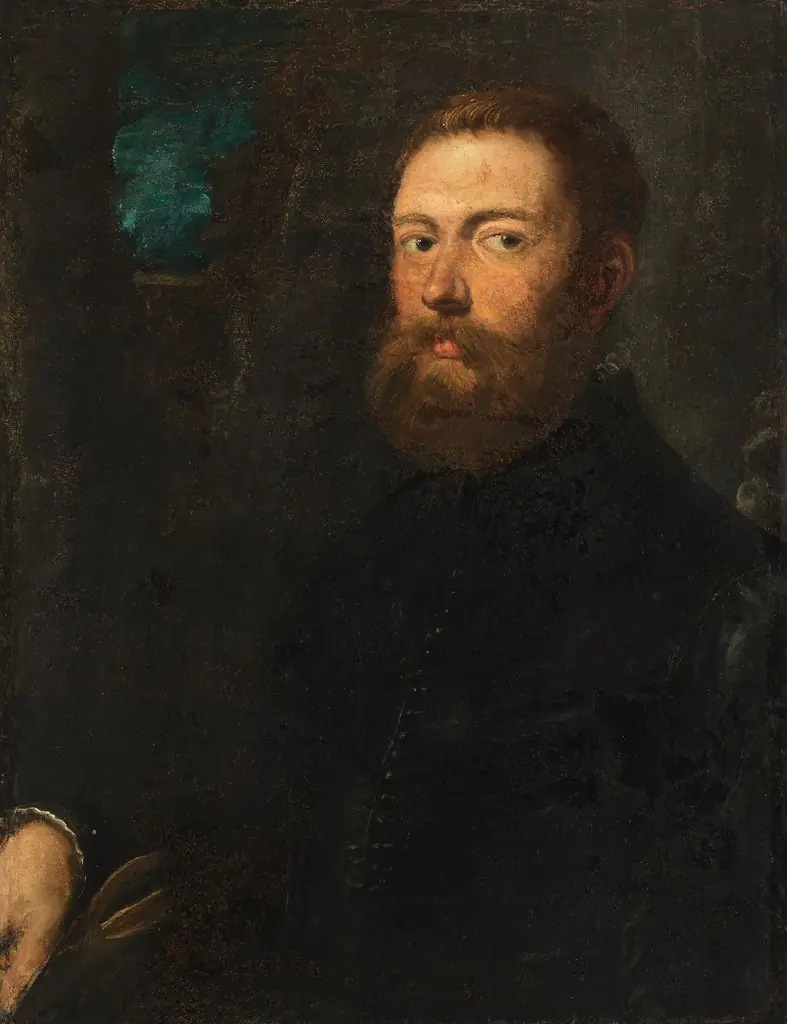
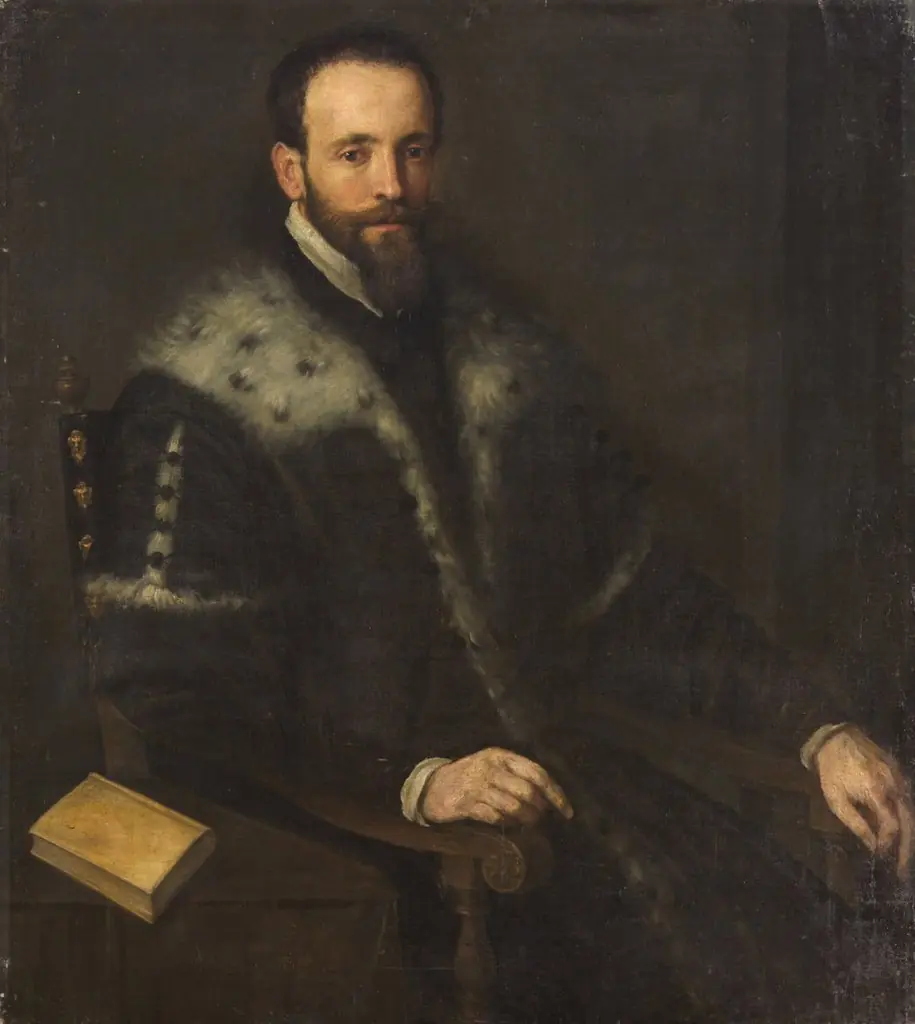
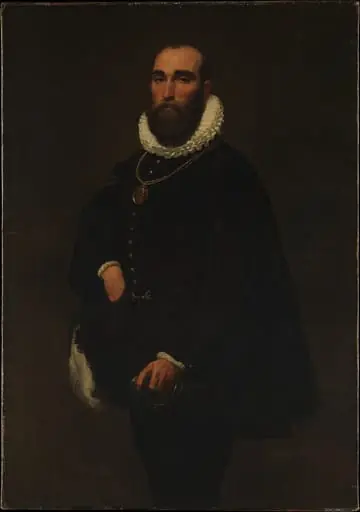
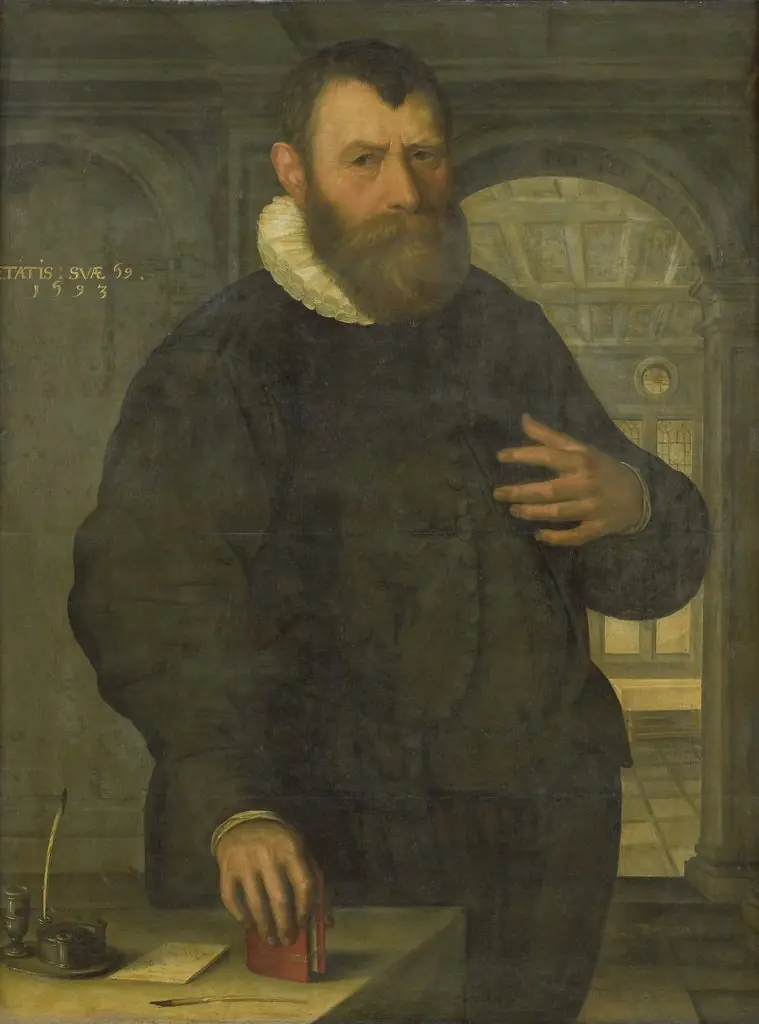
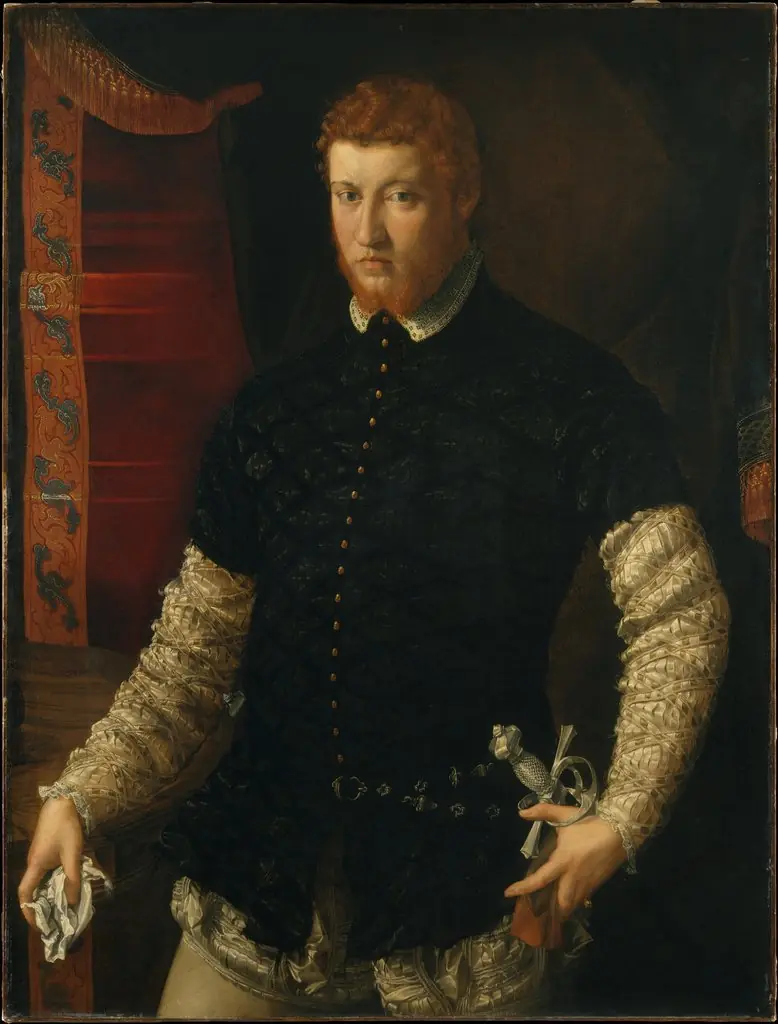
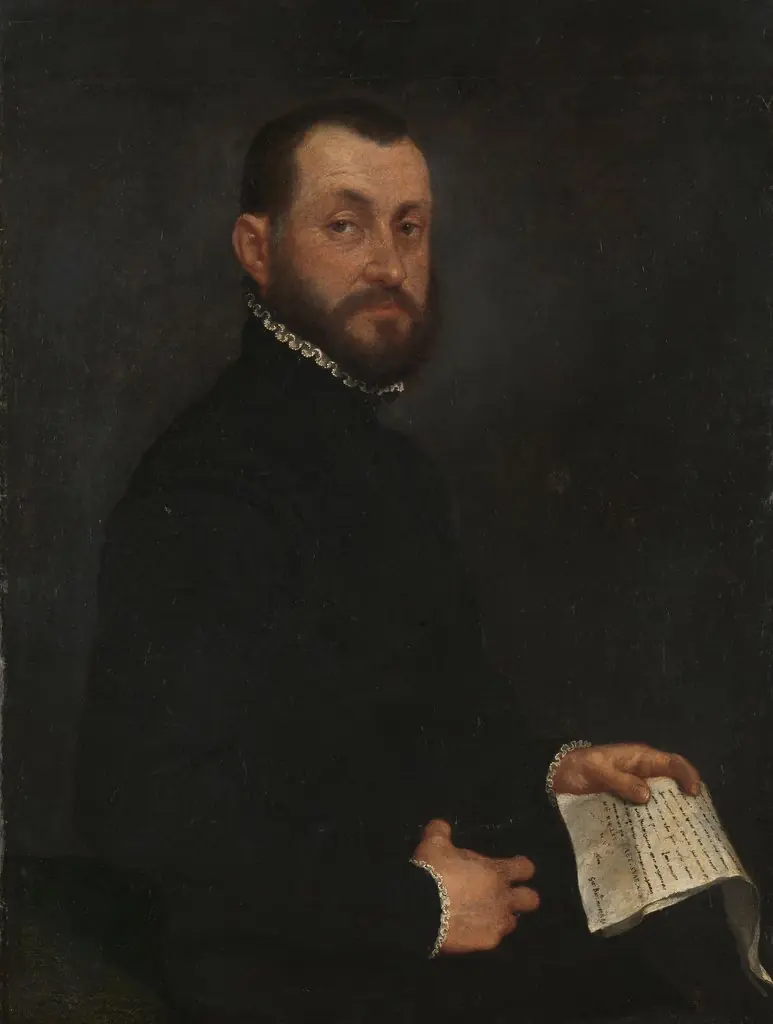
Giovanni Battista Fichetti is an unspecified painting by Titian. It is held in the collection of the Finnish National Gallery. This portrait presents a middle-aged man with reddish hair and a full beard, dressed in a dark robe and a crisp white ruffled collar.
About this work
Overview
The composition and rendering reflect Renaissance portraiture conventions, emphasizing individual presence through careful attention to texture and light.
This portrait presents a middle-aged man with reddish hair and a full beard, dressed in a dark robe and a crisp white ruffled collar. He holds a black leather bag edged in gold, and a ring adorns his finger. The background is a muted wall with a fragment of parchment bearing indistinct script. The composition and rendering reflect Renaissance portraiture conventions, emphasizing individual presence through careful attention to texture and light.
Subject & Meaning
The subject’s attire and accessories suggest a man of means, possibly a merchant, scholar, or official. The black bag may indicate professional tools or personal valuables, while the ring implies status or affiliation. The parchment, though unreadable, hints at literacy or record-keeping, reinforcing an identity tied to authority or intellectual pursuit. The portrait does not idealize but presents a grounded, dignified individual.
Technique & Style
The painting employs rich, layered pigments to render fabric, skin, and metal with tactile realism. Light falls subtly across the face and collar, defining form without harsh contrast. Brushwork is precise yet fluid, particularly in the rendering of the ruffle and the bag’s metallic trim. The dark background isolates the figure, focusing attention on his expression and material presence, characteristic of Venetian portraiture.
History & Provenance
The painting is attributed to Giovanni Battista Fichetti, though this attribution is not widely documented in major scholarly sources. No clear record of its early ownership or exhibition history is available. Its style aligns with 16th-century Venetian practices, but its precise date and commission context remain uncertain, limiting definitive historical placement.
Context
During the Renaissance, portraits like this served to affirm social standing through clothing, objects, and composed demeanor. Venetian artists emphasized color and texture over linear precision, distinguishing their work from Florentine traditions. The inclusion of personal items—such as the bag and ring—reflected a growing interest in individual identity, moving beyond religious or aristocratic archetypes.
Legacy
While not among the most recognized works of the period, this portrait exemplifies the quiet intensity of Renaissance portraiture outside the circles of major patrons. Its focus on material detail and psychological presence reflects broader trends in Venetian art. Attribution to Fichetti, if confirmed, would contribute to understanding lesser-known regional practitioners within the broader Venetian school.
Artist & collection
Artist
Titian painted portraits in 16th-century Venice, where paint handled thickly gave faces and fabrics a living presence.