Artwork
Der Prophet Elisäus verflucht die ihn verspottenden Kinder
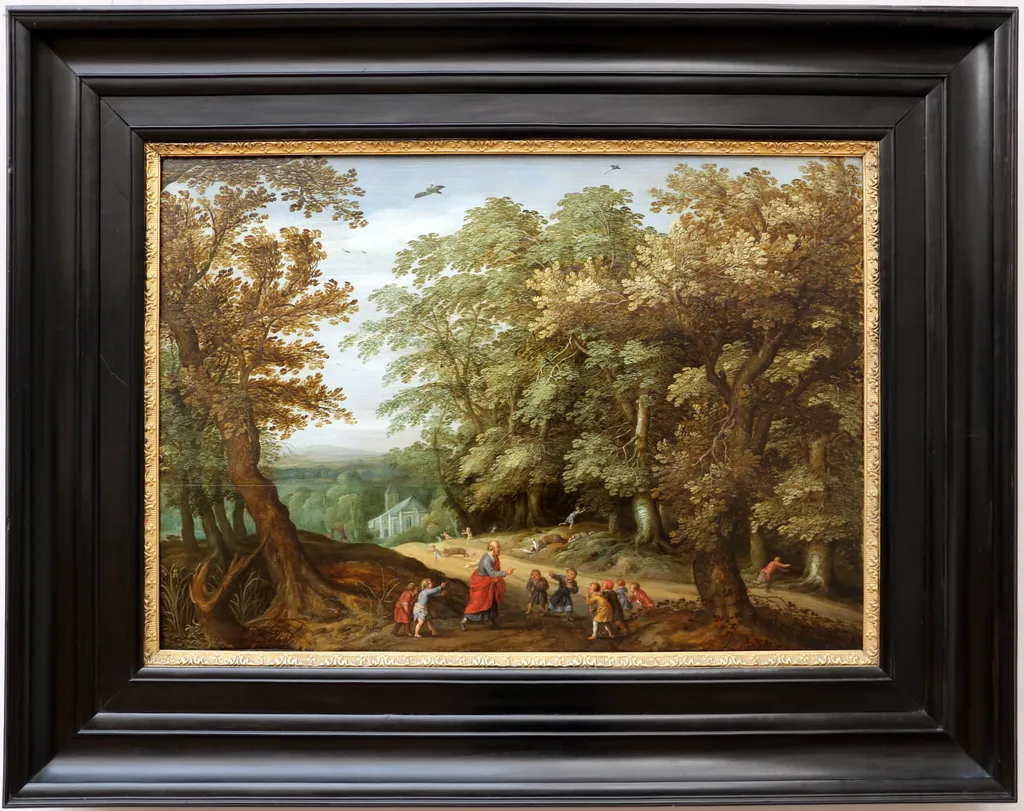
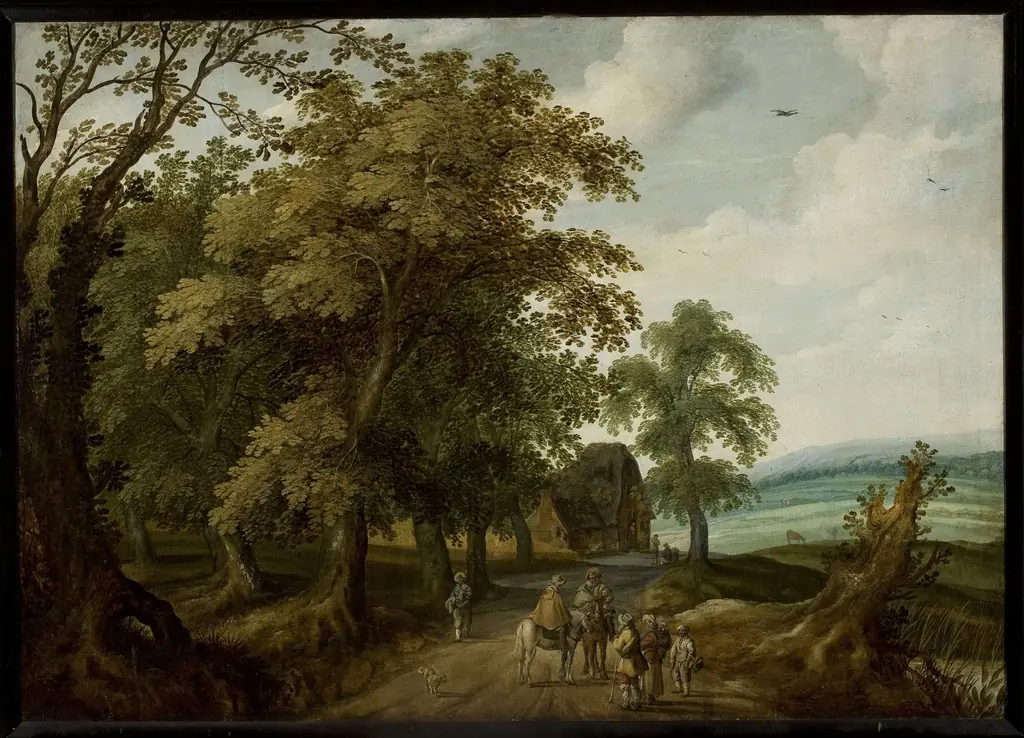
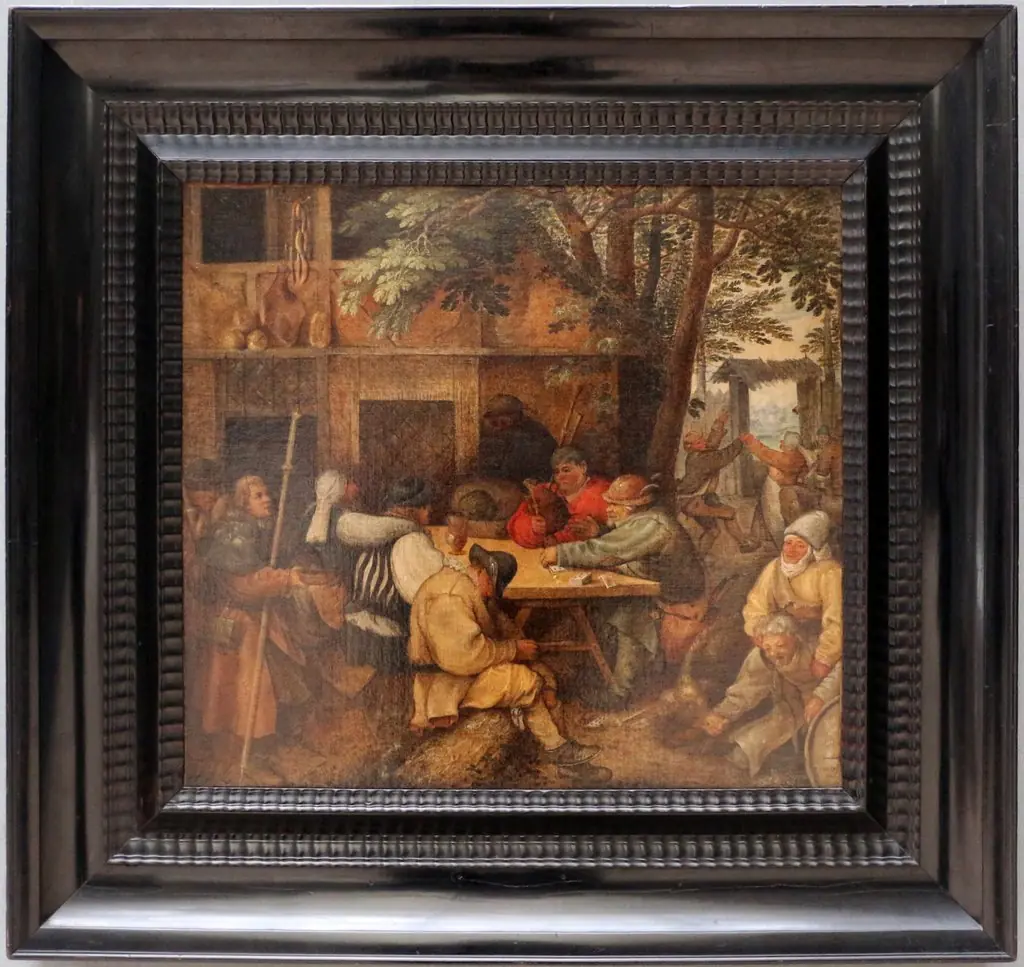
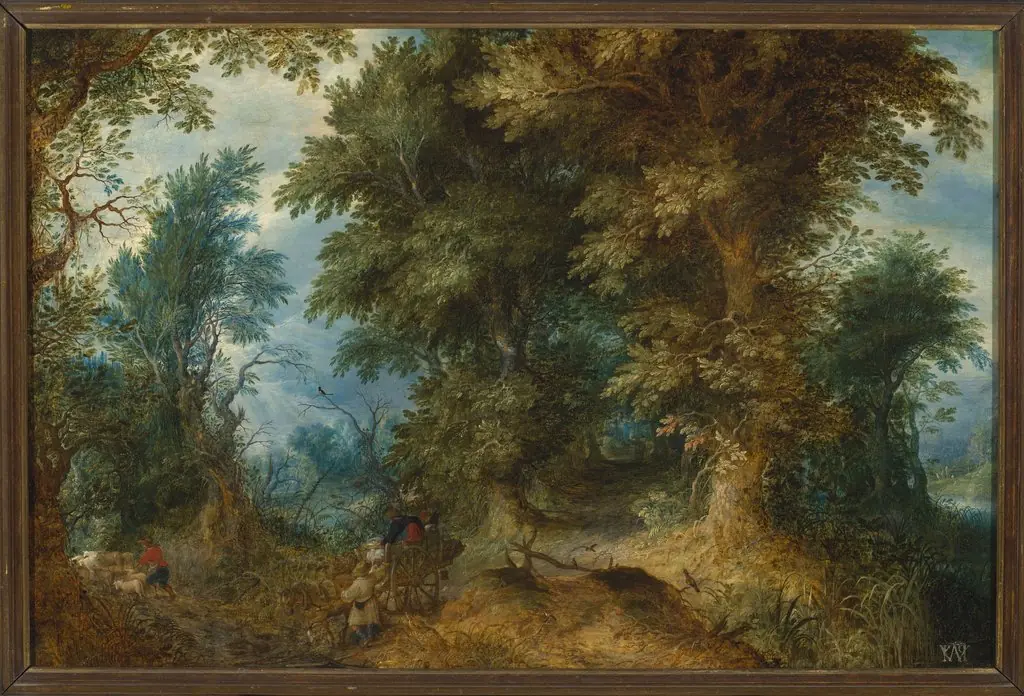
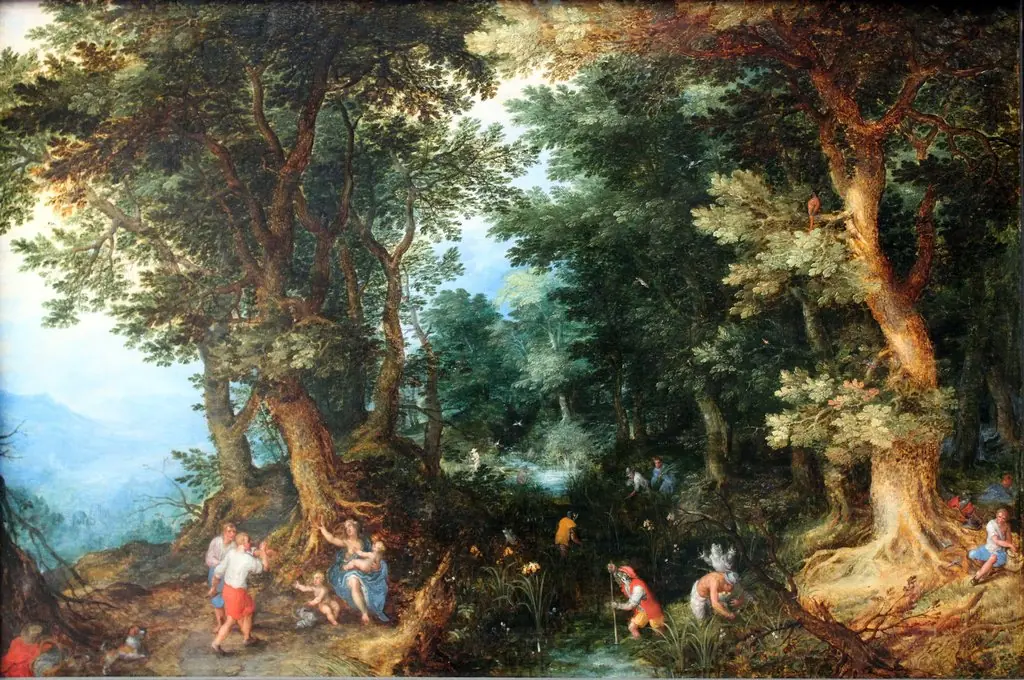
Der Prophet Elisäus verflucht die ihn verspottenden Kinder is a paint painting by the Flemish Baroque painting artist Willem van den Bundel. It dates from 1605 and is held in the collection of the Gemäldegalerie Berlin.
About this work
Overview
Created in 1605 by Dutch painter Willem van den Bundel, this oil on canvas measures roughly a modest size and is part of the Gemäldegalerie Berlin’s collection.
Created in 1605 by Dutch painter Willem van den Bundel, this oil on canvas measures roughly a modest size and is part of the Gemäldegalerie Berlin’s collection. The composition presents a tranquil countryside under a clear blue sky, punctuated by a cluster of trees and distant birds. In the lower foreground, a group of figures gathers around a central man dressed in a vivid red robe, suggesting a moment of attentive listening.
Subject & Meaning
The central figure, identified as the prophet Elijah, appears to be addressing the assembled onlookers, possibly delivering a moral or prophetic admonition. The title, translating to “The Prophet Elijah curses the children who mock him,” hints at a narrative drawn from biblical tradition, where the prophet rebukes those who deride his message, underscoring themes of divine authority and human folly.
Technique & Style
Bundel employs a balanced palette of cool blues and warm earth tones, creating depth through atmospheric perspective. The landscape is rendered with delicate brushwork that captures the translucency of the sky and the texture of foliage. The red robe stands out through a controlled use of saturated color, drawing the eye to the narrative focal point while maintaining overall compositional harmony.
History & Provenance
The painting entered the Gemäldegalerie Berlin’s holdings in the early 20th century, though its precise acquisition path remains undocumented in public records. It has been catalogued under the museum’s Dutch Golden Age collection, reflecting its attribution to Bundel and its relevance to the period’s religious genre works.
Context
Willem van den Bundel was active during the transition from the late Renaissance to the early Baroque in the Netherlands, a time when biblical subjects were frequently depicted in domestic settings. This work aligns with contemporary trends that combined devotional narratives with pastoral scenery, catering to both private contemplation and the aesthetic preferences of affluent patrons.
Artist & collection