Artwork
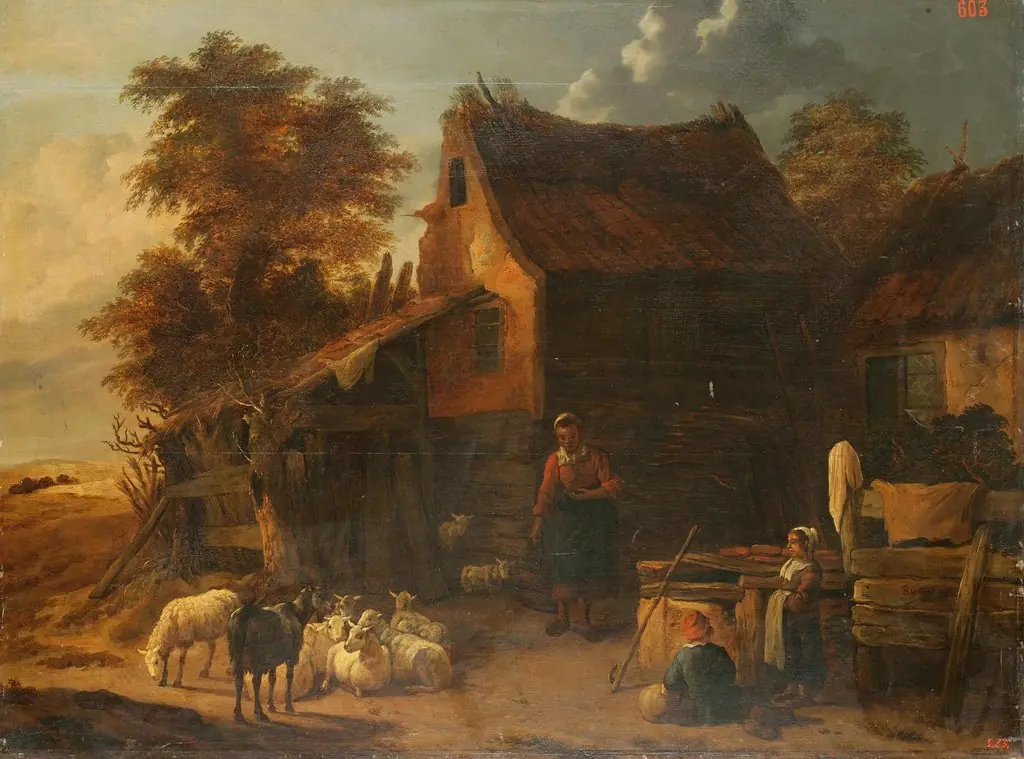
Peasant Yard
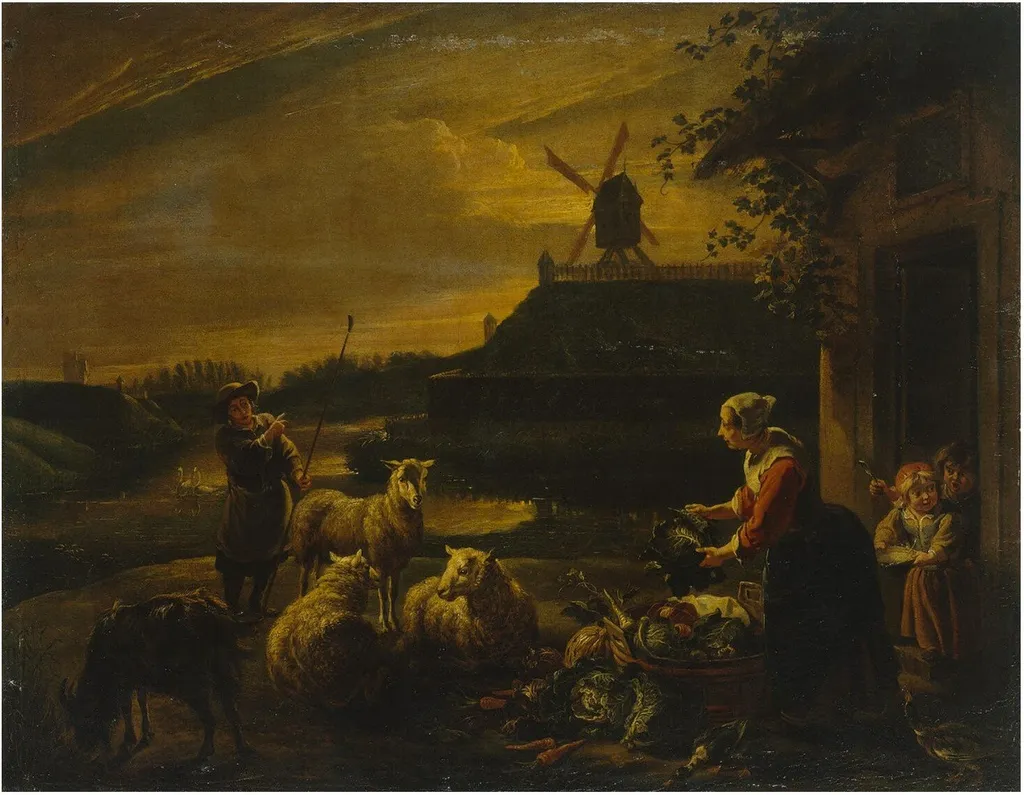
Peasant Yard is an oil painting by the Dutch Golden Age artist Willem van Herp. It dates from 1660 and is held in the collection of the Hermitage Museum.
About this work
Overview
Painted in 1660 by Willem van Herp, a Flemish artist based in Antwerp, this oil-on-panel work captures a quiet rural moment.
Painted in 1660 by Willem van Herp, a Flemish artist based in Antwerp, this oil-on-panel work captures a quiet rural moment. Van Herp, known for both religious subjects and intimate genre scenes, produced this piece within a bustling workshop that helped disseminate Flemish Baroque aesthetics. The painting is now part of the State Hermitage Museum’s collection, where it stands as a representative example of 17th-century Northern European domestic life.
Subject & Meaning
The scene unfolds in a peasant courtyard, centered on a man holding a long staff, his gaze directed outward as if acknowledging the viewer. To his left, three sheep cluster near a low wall; on the right, a woman tends to cooking duties. A windmill rises in the distance beneath a soft, overcast sky. The composition suggests routine labor and domestic order, offering a restrained meditation on rural existence without overt narrative or moralizing.
Technique & Style
Van Herp employs a warm, earth-toned palette to ground the scene in tangible reality. Subtle chiaroscuro models forms with quiet precision, lending volume to figures and structures without dramatic contrast. The brushwork is controlled yet unobtrusive, favoring clarity over flourish. The spatial arrangement and attention to domestic detail echo the compositional calm found in Dutch genre painting, though the handling remains distinctly Flemish in its muted tonality.
History & Provenance
Created during the height of van Herp’s career, the painting likely originated in his Antwerp studio, where multiple hands may have contributed to its production. It entered the Hermitage collection in the 18th or 19th century, possibly through imperial acquisitions of Northern European art. Its survival in good condition reflects its steady institutional care, though its early ownership history remains undocumented.
Context
In mid-17th-century Flanders, genre scenes like this one flourished alongside religious and mythological subjects, reflecting broader market demand for relatable imagery. While Dutch painters such as Pieter de Hooch explored similar themes, van Herp’s approach is less architectural and more focused on human presence within modest environments. The work aligns with a regional trend of elevating ordinary life through careful observation rather than idealization.
Legacy
Though van Herp is not widely remembered today, his body of work contributed to the continuity of Flemish genre painting during a period of stylistic transition. Peasant Yard exemplifies how smaller studios sustained artistic traditions, bridging the detailed realism of earlier Netherlandish art with the emerging preferences of collectors for intimate, everyday scenes. The painting remains a quiet testament to the dignity of rural labor in Baroque visual culture.
Artist & collection
Artist
Willem van Herp (I) or Willem van Herp the Elder (variations on first name: 'Guilliam', 'Gilliam' and 'Guillaume') (c.

 Herd of Sheep near a Peasant House
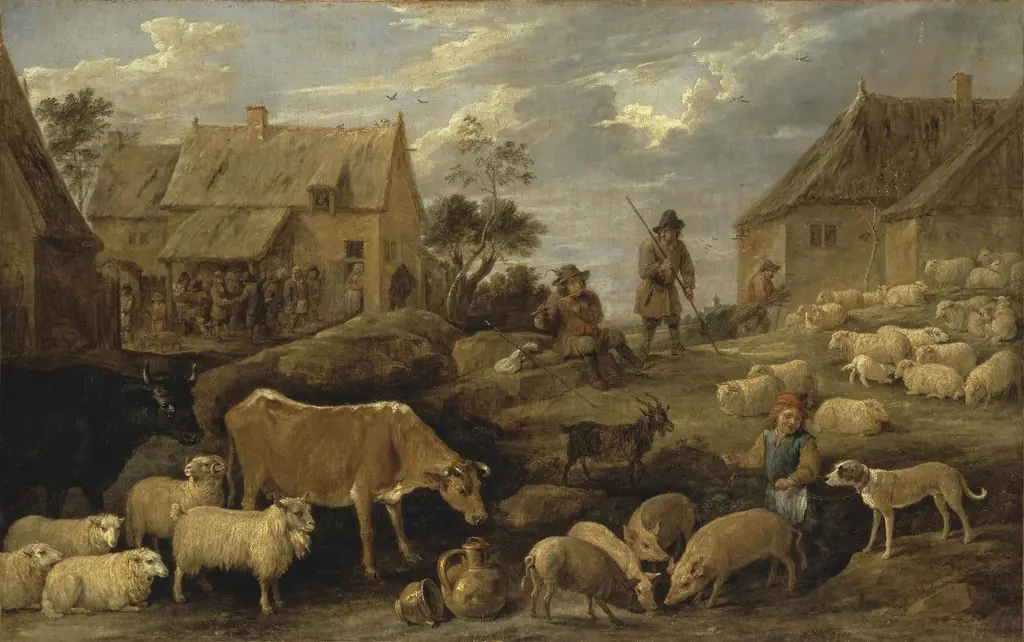 Landscape with shepherds and a flock
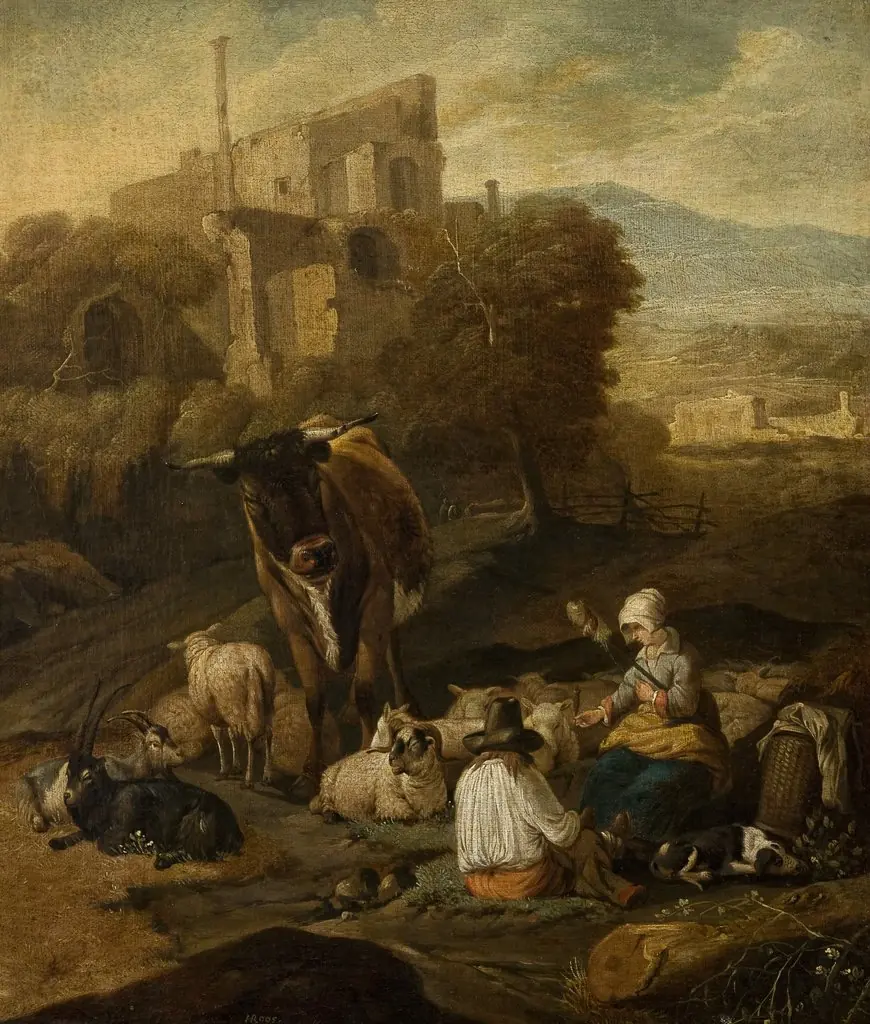 Pastoral Scene Against Ruins
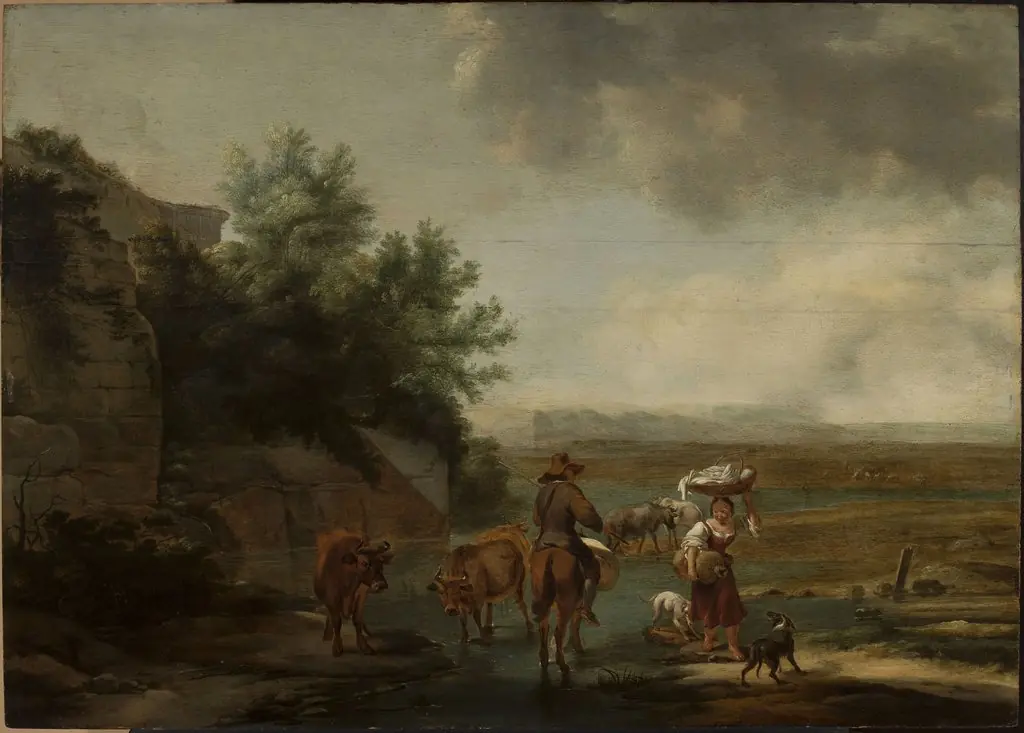 Pastoral landscape
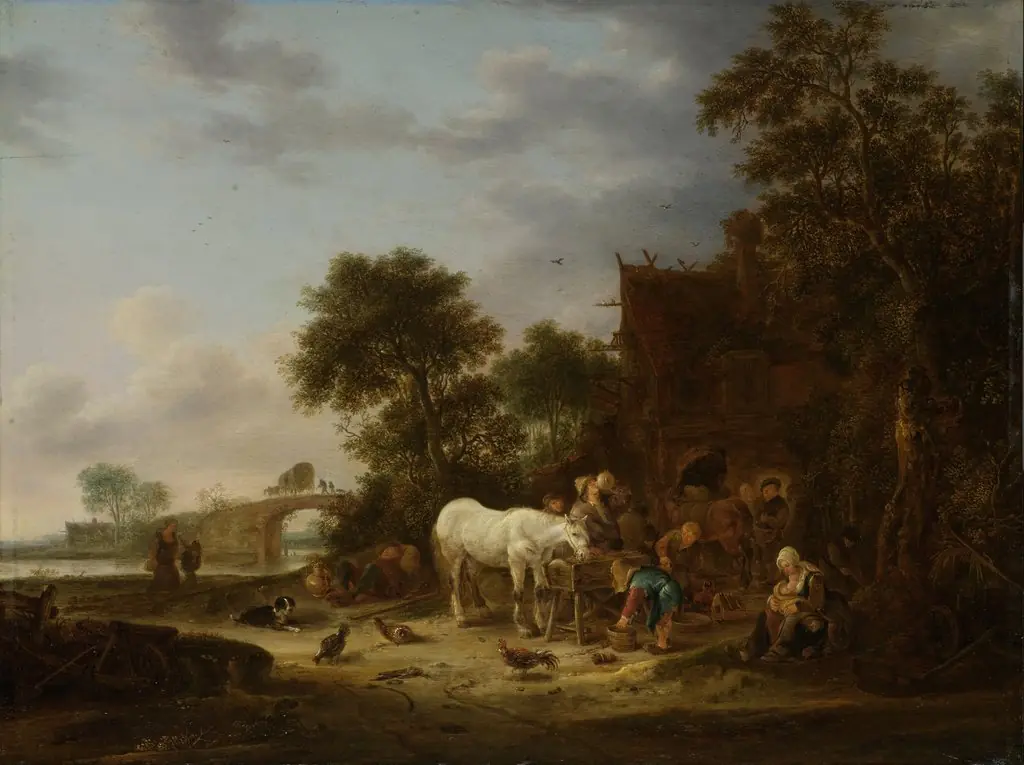 Country inn with a horse at the trough
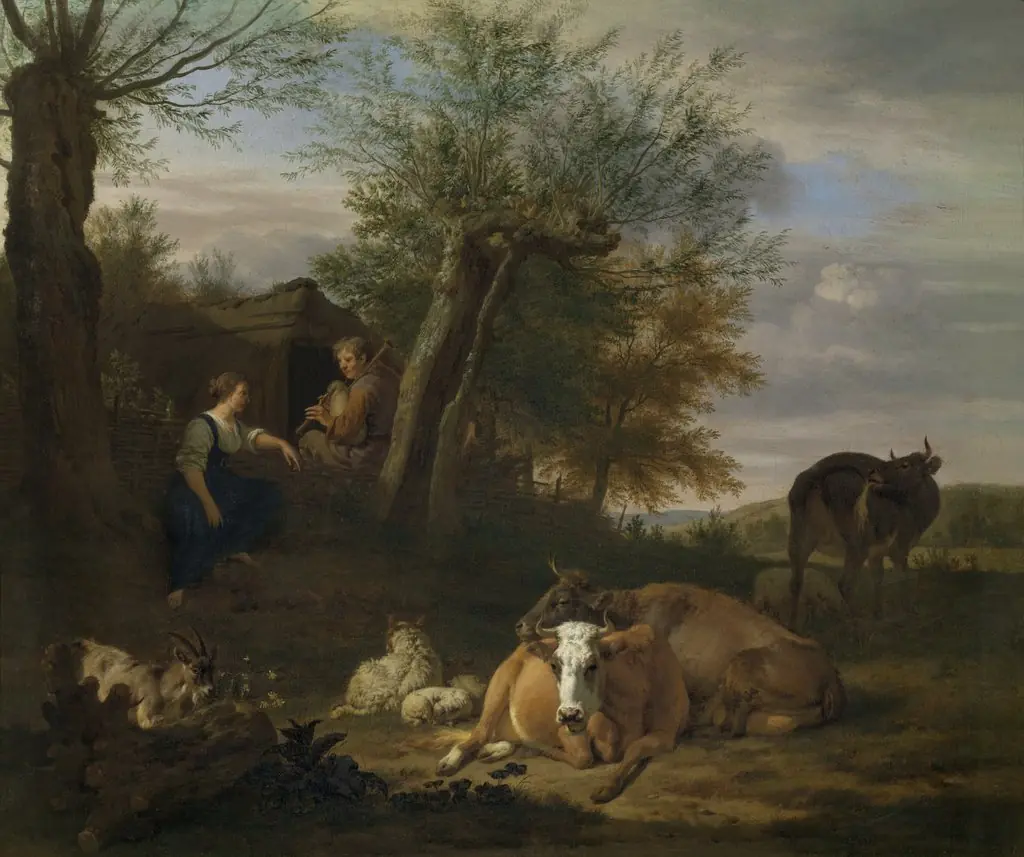 Bagpiper
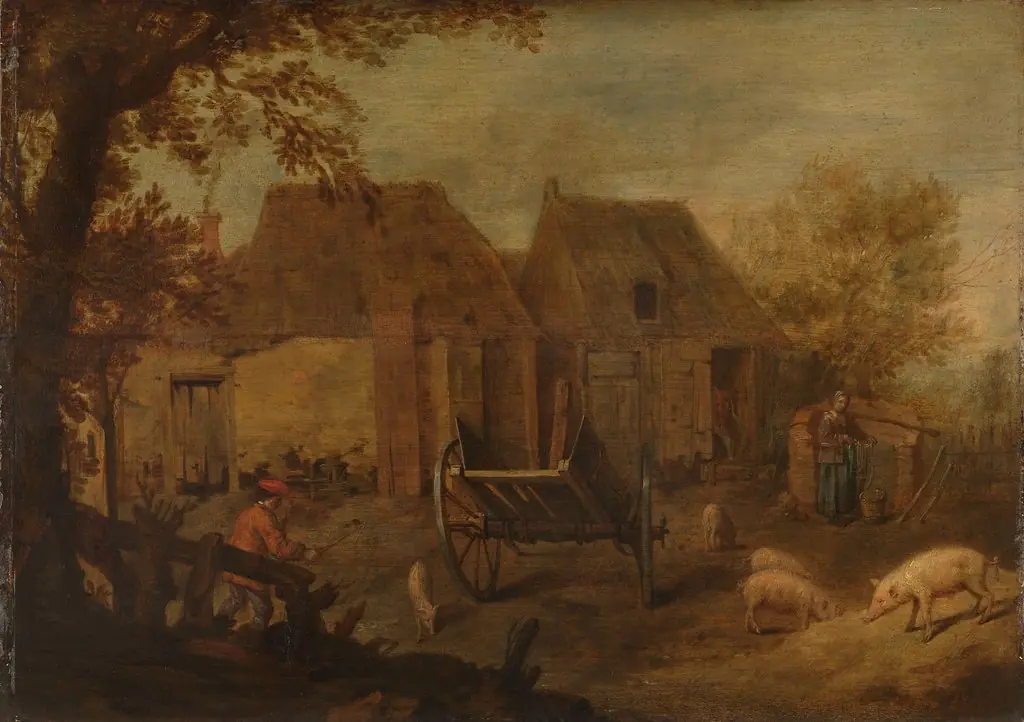 Farmyard
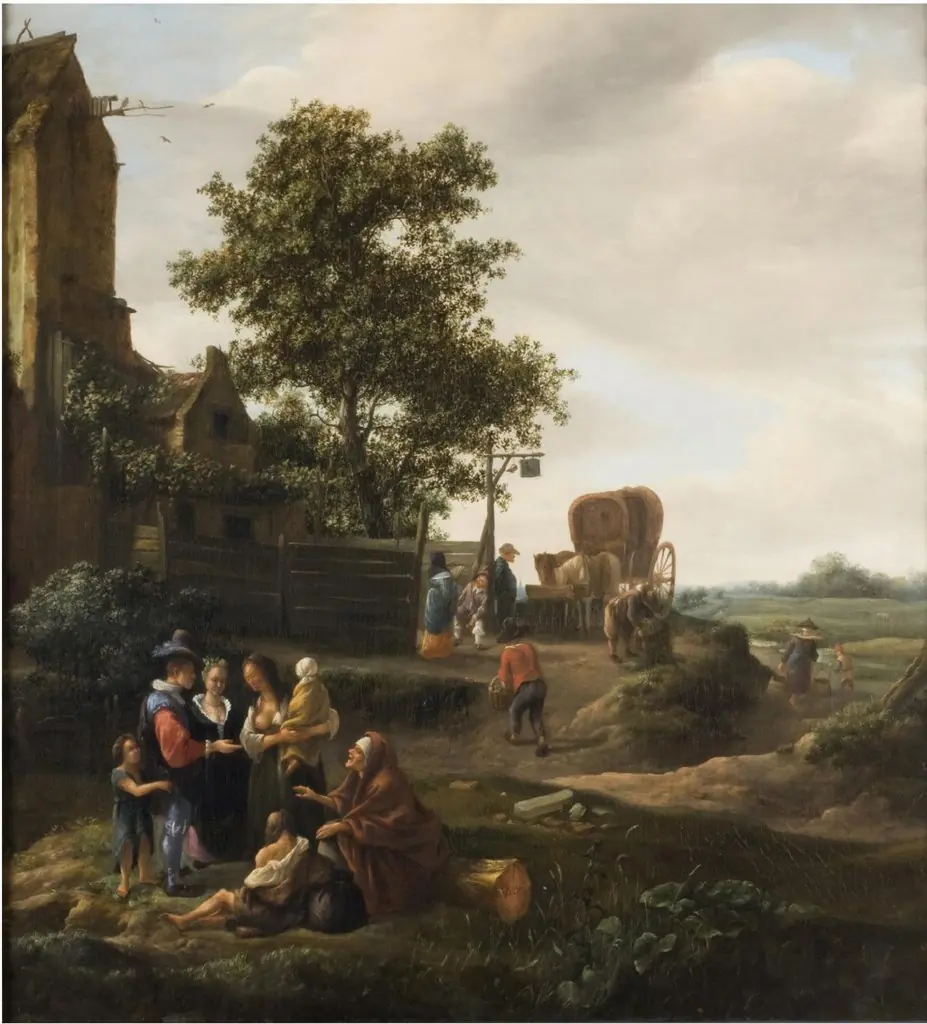 The Fortune Teller
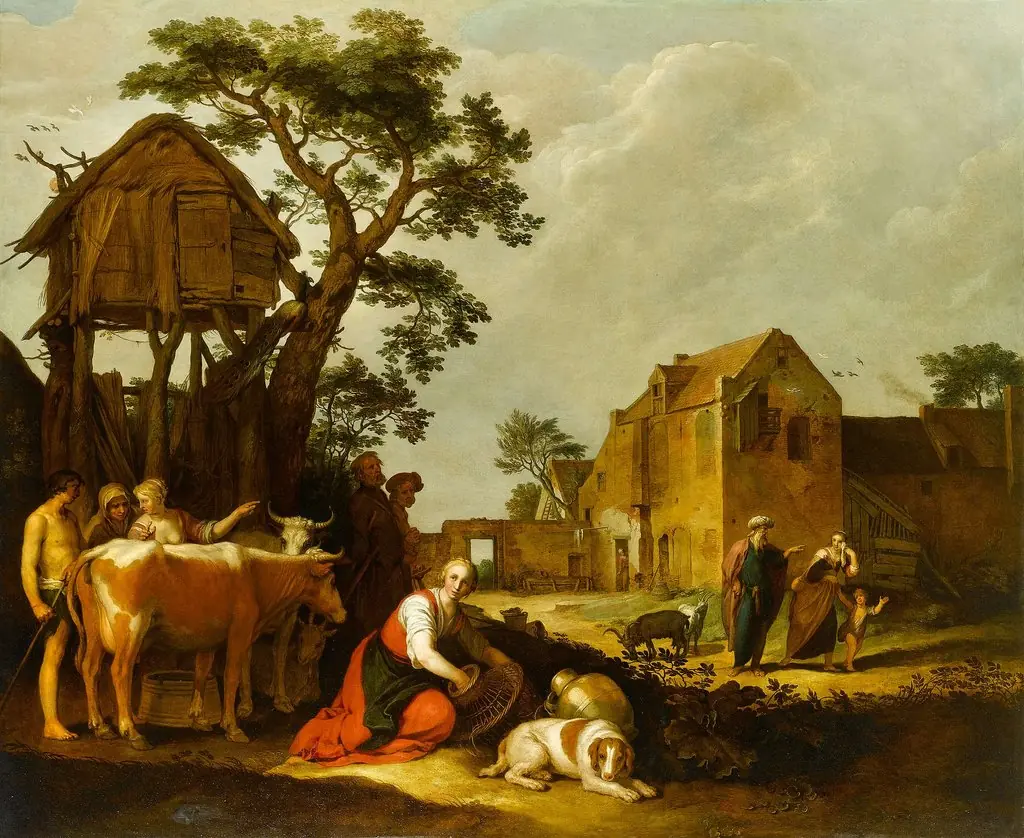 Rural landscape with the expulsion of Hagar and Ishmael (Genesis 21:14-21)
 Pastoral scene
 Landscape with Animals
 Landscape with cattle