Artwork
Tea Party
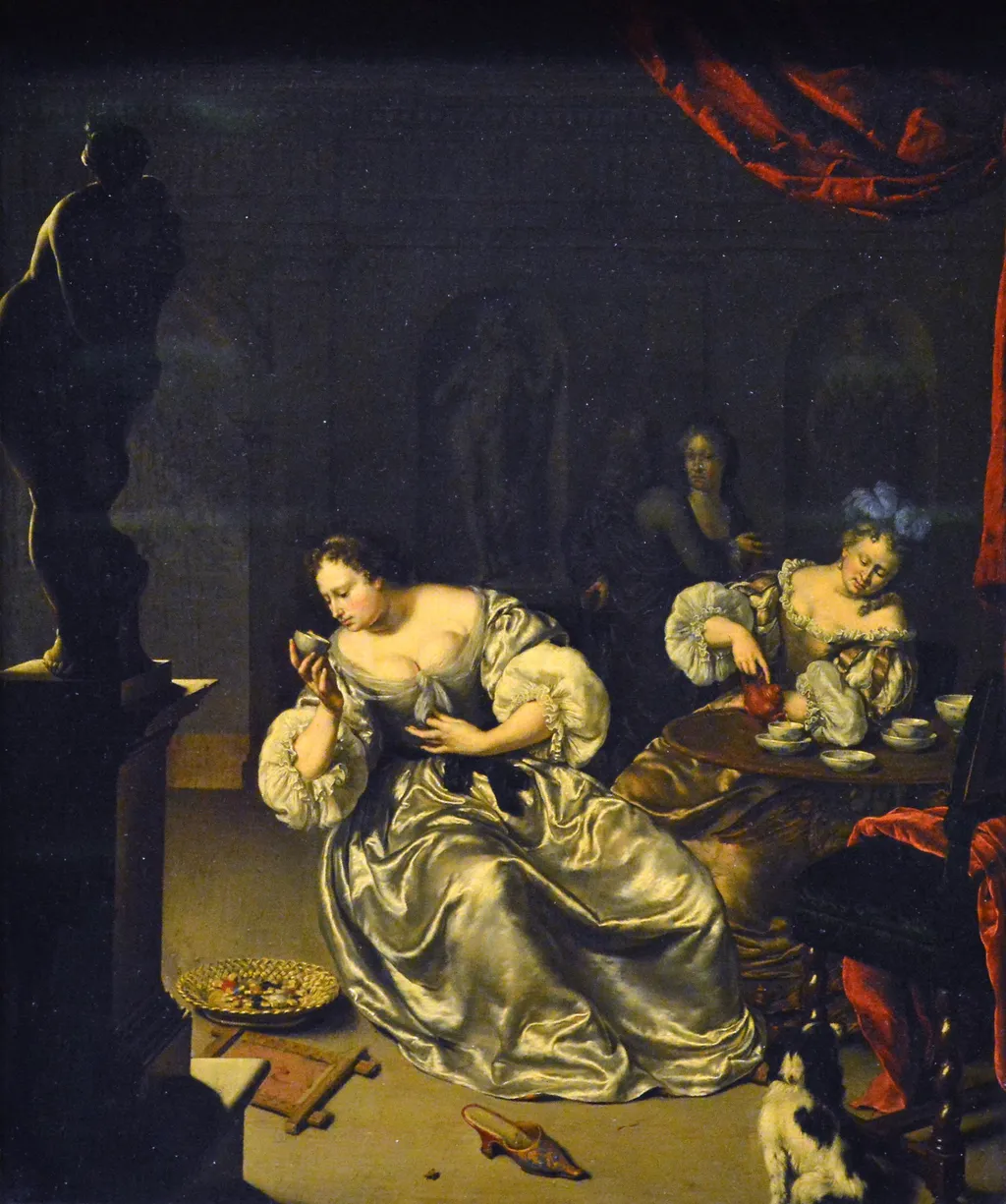
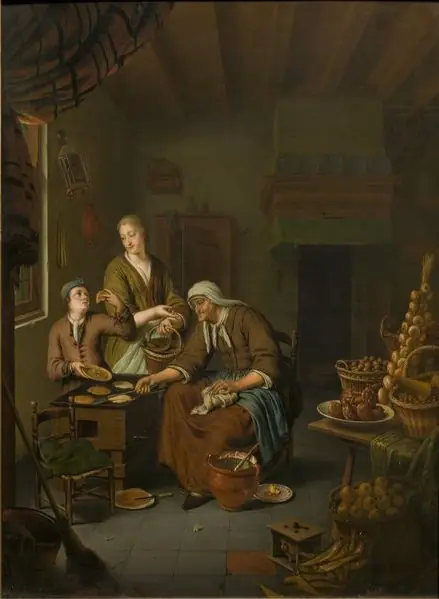
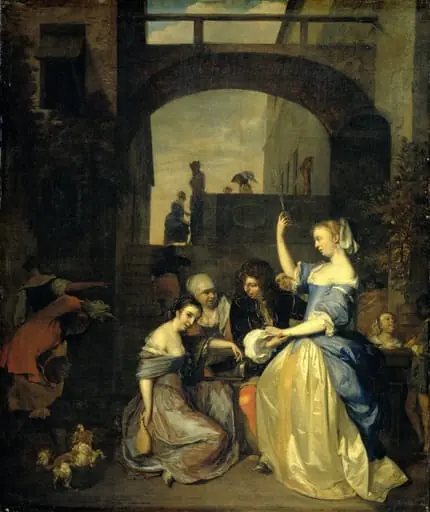
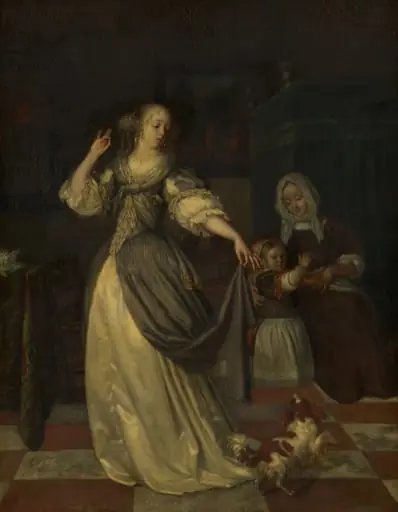
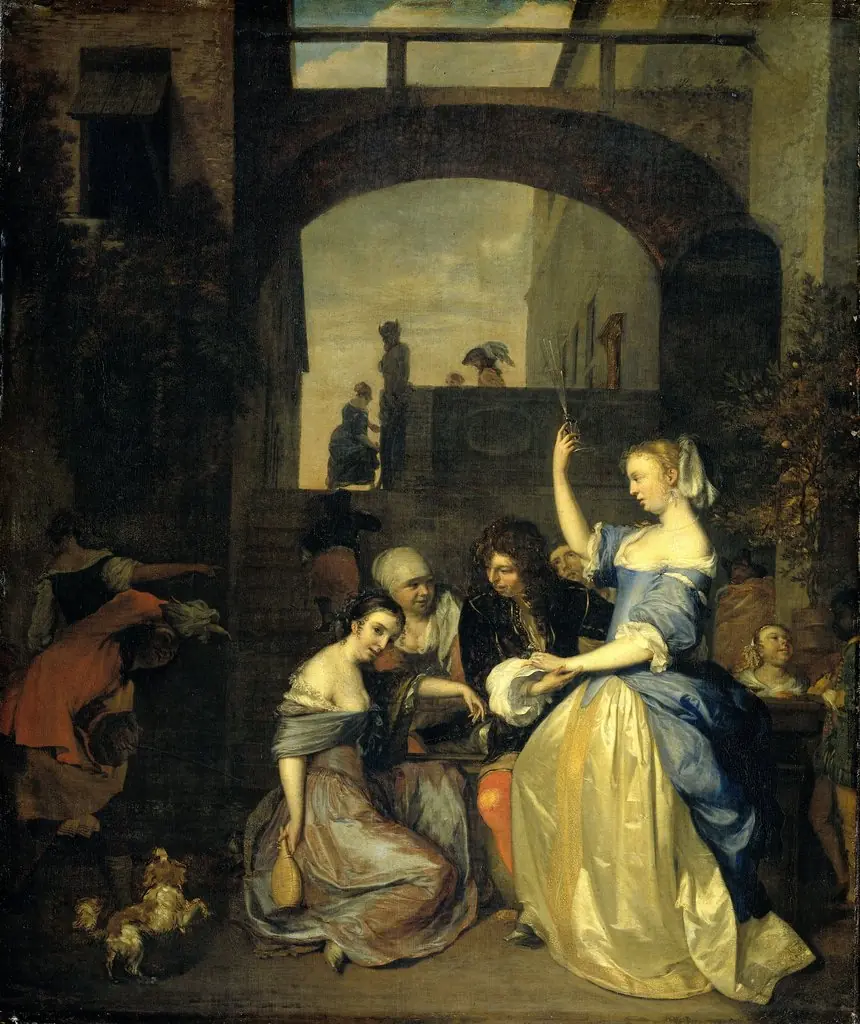
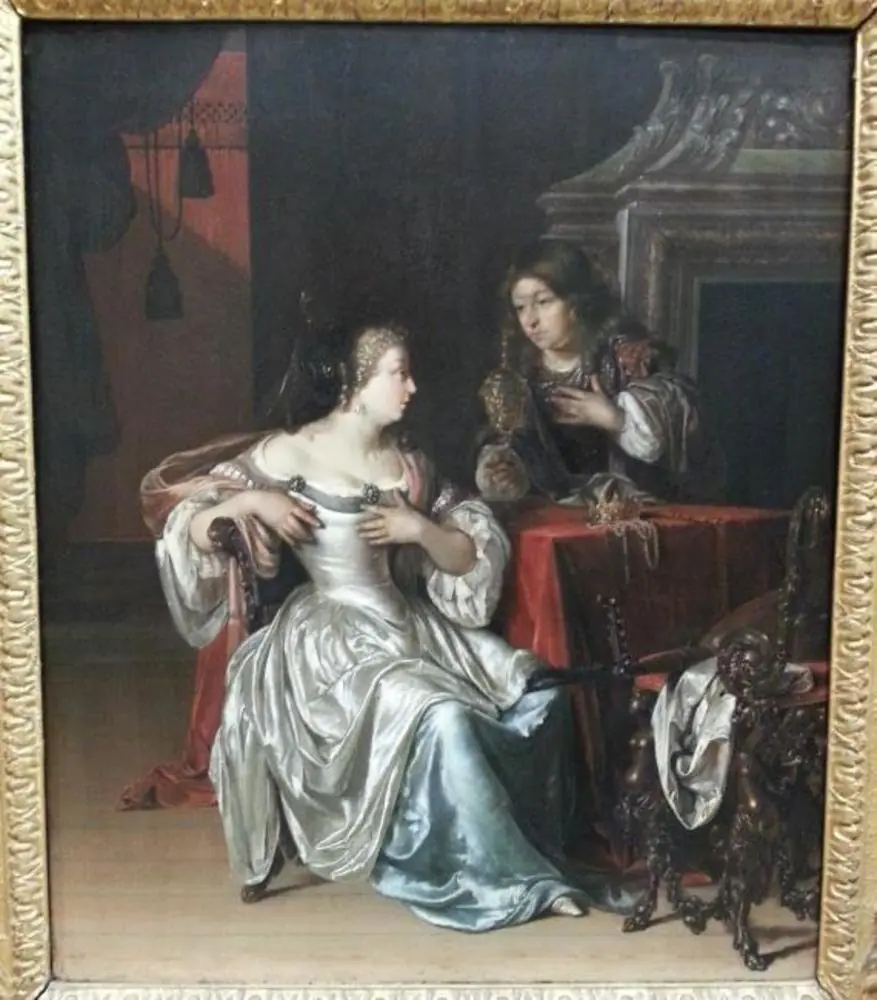
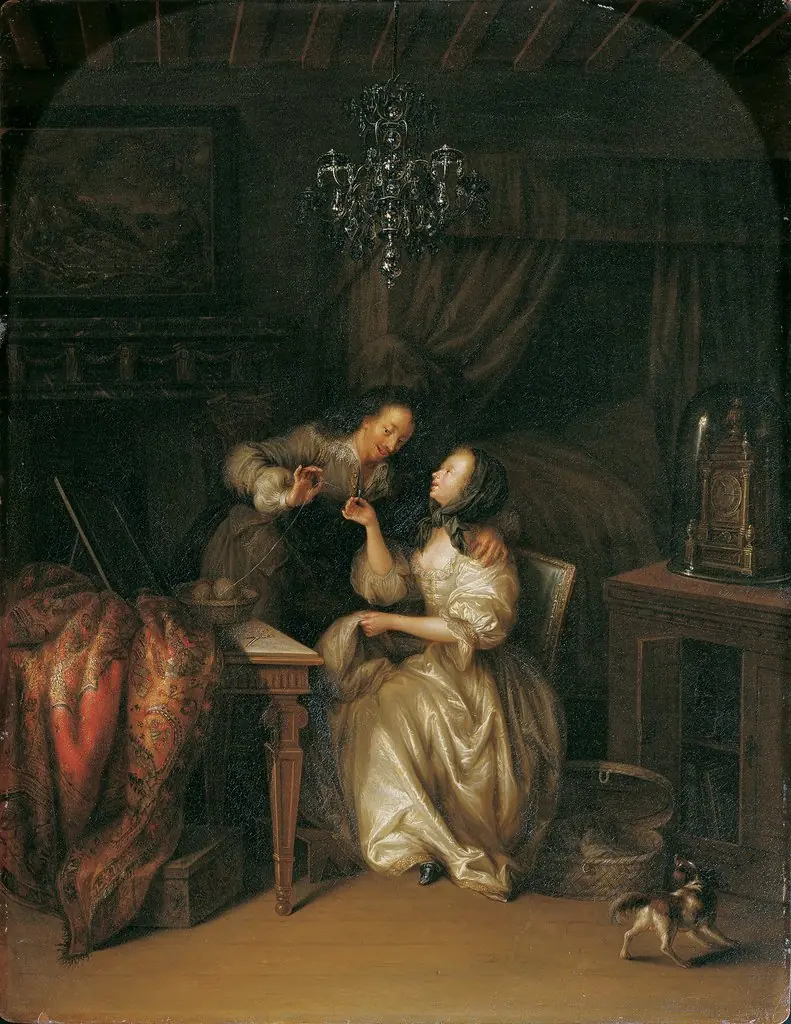
Tea Party is an oil painting by the Rococo painting artist Willem van Mieris. It dates from 1700 and is held in the collection of the Department of Paintings of the Louvre.
About this work
Overview
It is currently held in the collection of Louvre Abu Dhabi, where it contributes to broader narratives of 18th-century Dutch life.
Tea Party is an oil painting completed around 1700 by Dutch artist Willem van Mieris. It portrays a quiet domestic moment within a modest interior, capturing two women and a dog in a shared, unassuming space. The work belongs to the genre of Dutch interior scenes, emphasizing stillness and routine. It is currently held in the collection of Louvre Abu Dhabi, where it contributes to broader narratives of 18th-century Dutch life.
Subject & Meaning
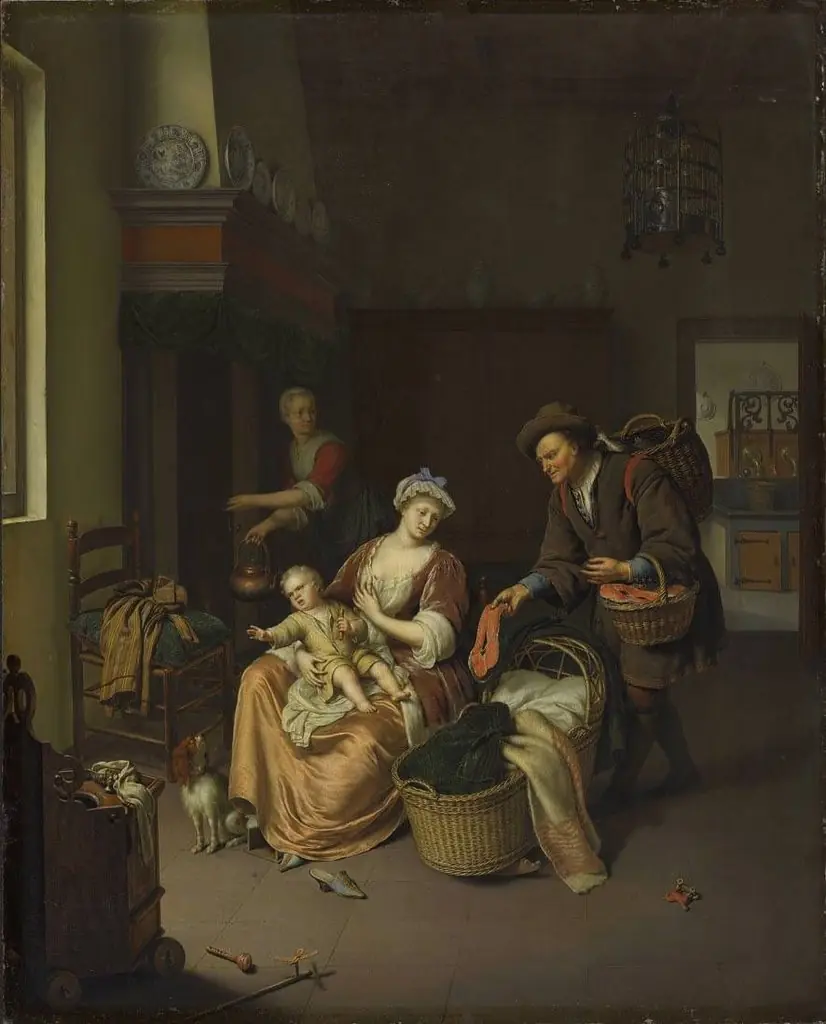
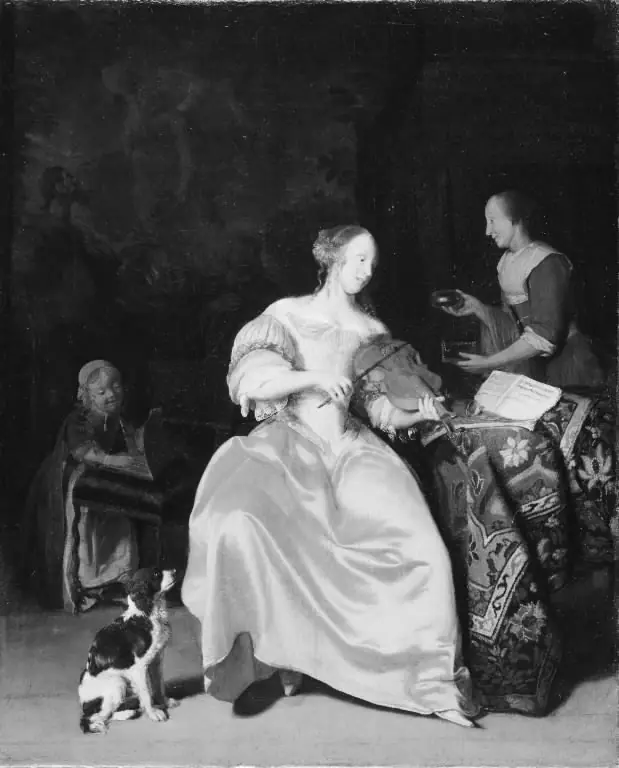
The painting shows two women engaged in the act of serving tea—one seated on the floor with a cup, the other pouring from a teapot at a nearby table. A dog rests nearby, adding a sense of domestic familiarity. The presence of fruit and discarded shoes suggests a private, unguarded moment. Rather than depicting grandeur, the scene values quiet companionship and the dignity of everyday rituals, reflecting the cultural importance of tea in Dutch households.
Technique & Style
Van Mieris renders the scene with meticulous attention to texture and light. Fabrics, ceramic surfaces, and fur are rendered with fine brushwork, showcasing his training in the Leiden fijnschilder tradition. The dim, contained lighting enhances the intimacy of the setting, while the muted palette grounds the composition in realism. Objects are arranged with deliberate asymmetry, avoiding theatricality in favor of observed authenticity.
History & Provenance
Painted in the early 18th century, Tea Party emerged during a period when Dutch artists increasingly focused on intimate domestic life. The work remained in private collections for centuries before entering the Louvre Abu Dhabi’s holdings. Its journey reflects broader trends in the collecting of Dutch Golden Age genre paintings, valued for their precision and quiet narrative power rather than monumental scale.
Context
In early 1700s the Netherlands, tea drinking had become a symbol of domestic refinement among the middle and upper classes. Artists like van Mieris captured these rituals as markers of social identity and personal comfort. Unlike grand historical or religious scenes, such interiors emphasized moral quietude and the beauty of ordinary moments, aligning with contemporary ideals of modest virtue and familial harmony.
Legacy
Tea Party exemplifies the enduring appeal of Dutch genre painting’s restraint and detail. While van Mieris was not as widely celebrated as some contemporaries, his works continue to inform studies of domestic life in the Dutch Republic. The painting’s quiet composition and unembellished realism offer a counterpoint to more dramatic Baroque styles, preserving a nuanced view of daily existence in early modern Europe.
Own this work as a print
Artist & collection

Museum
Department of Paintings of the Louvre
Continue through works from the same source collection.