Artwork
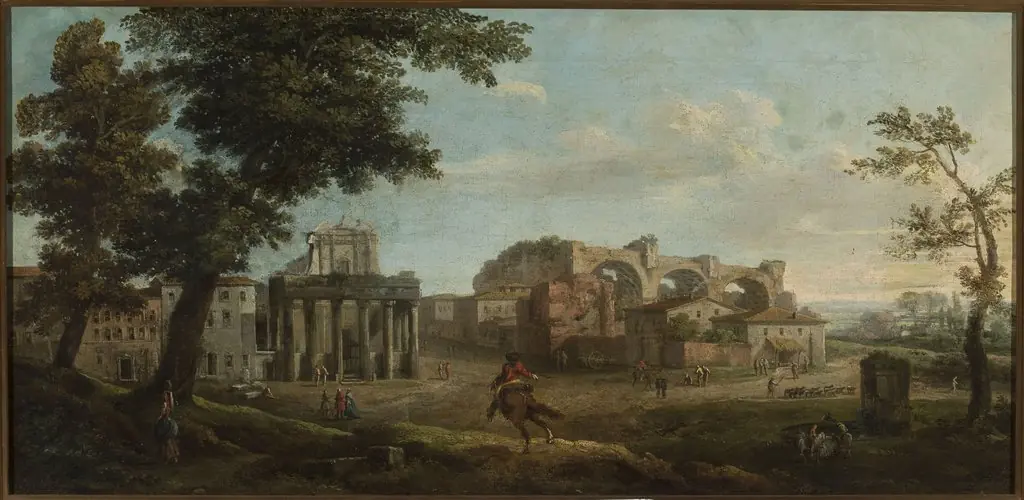
A Roman View of the Ruins of the Temple of Venus and Rome with the Colosseum and the Arch of Constantine
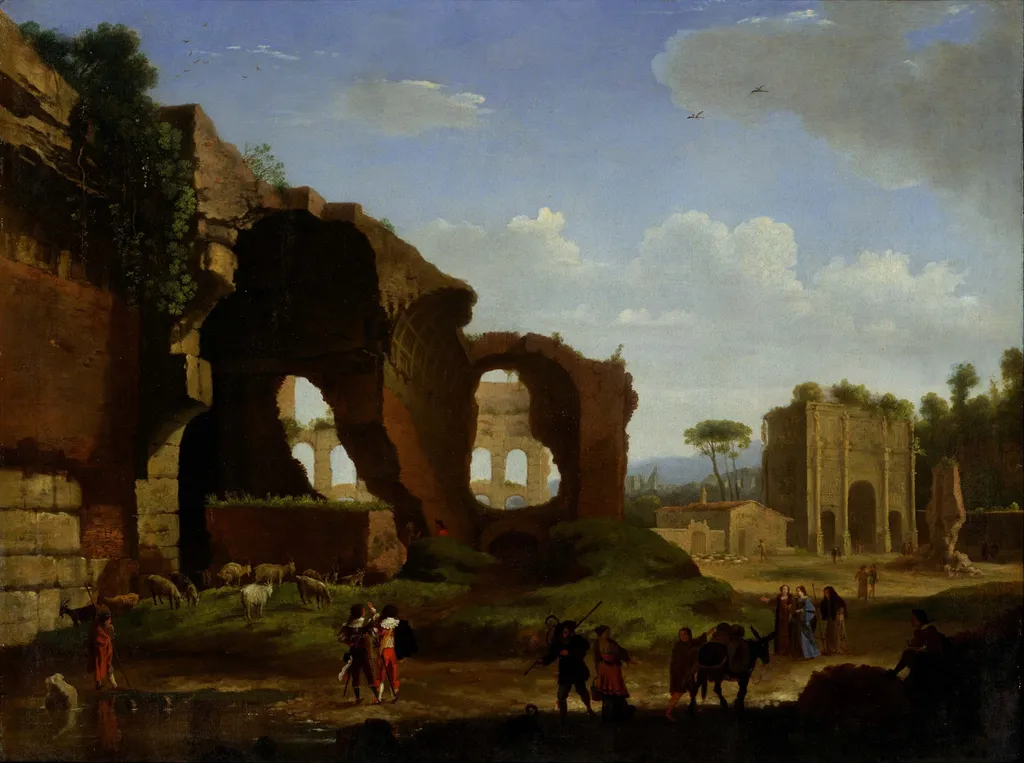
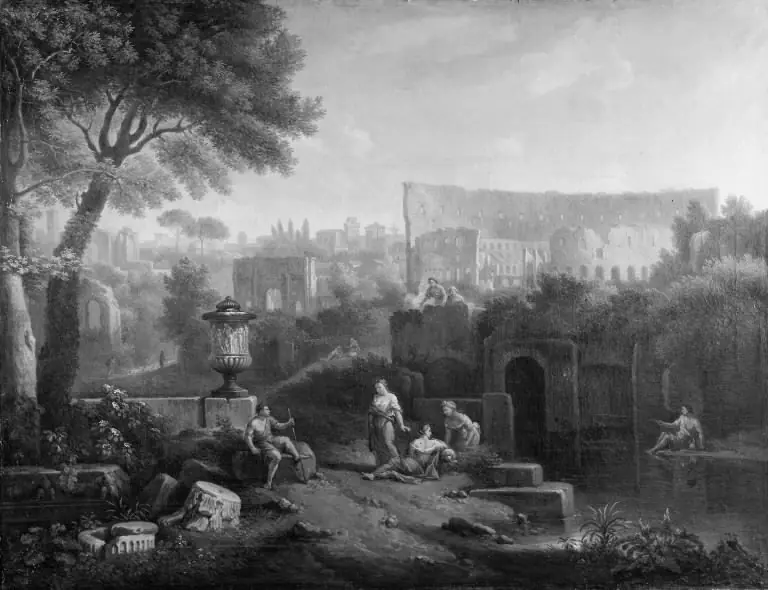
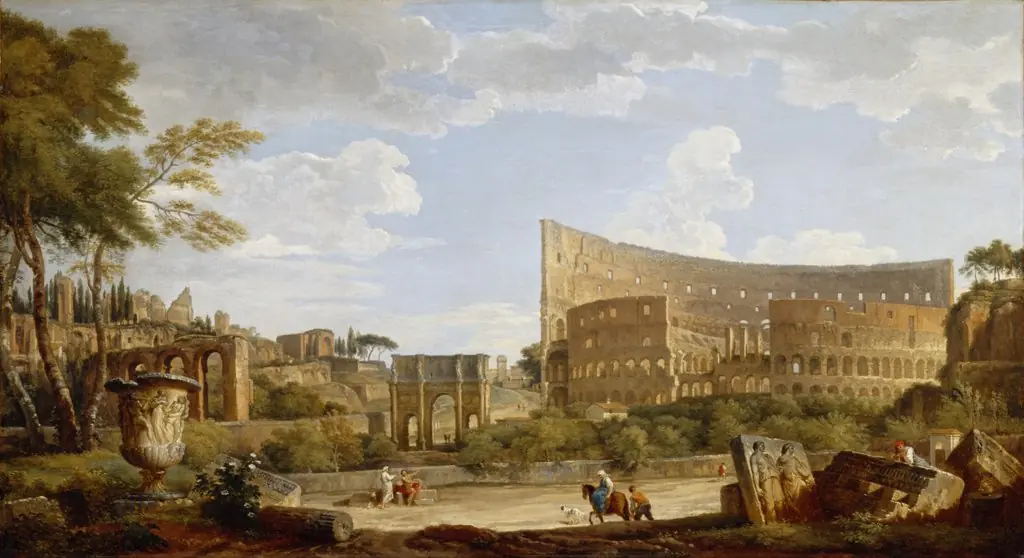
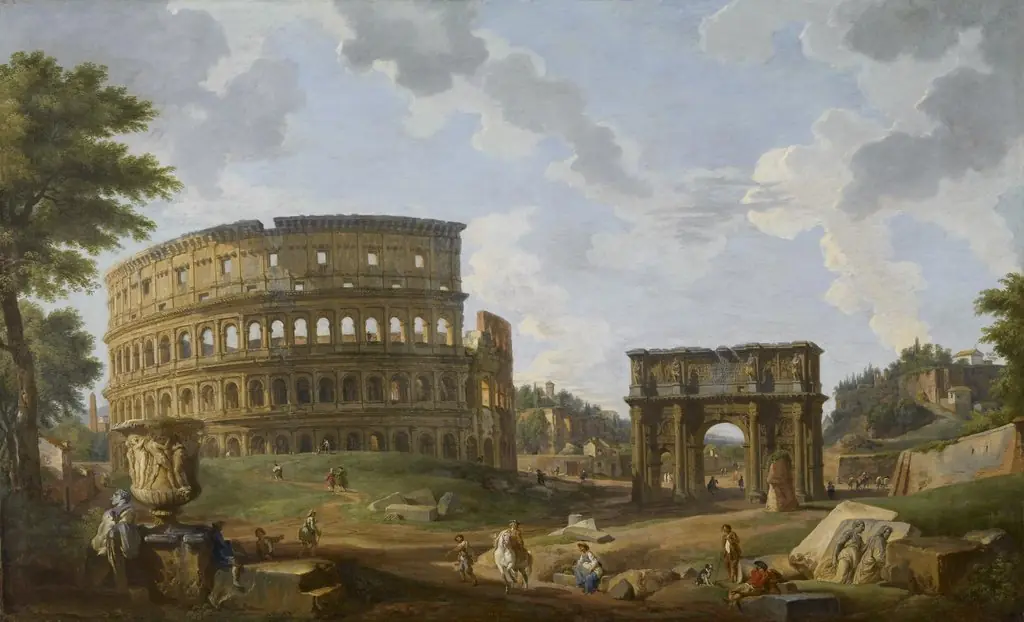
A Roman View of the Ruins of the Temple of Venus and Rome with the Colosseum and the Arch of Constantine is an oil painting by the Barbizon school artist Herman van Swanevelt. It dates from 1634 and is held in the collection of the National Museum of Western Art.
About this work
Overview
It focuses on the Temple of Venus and Roma, the Colosseum, and the Arch of Constantine, rendered not as active monuments but as weathered remnants.
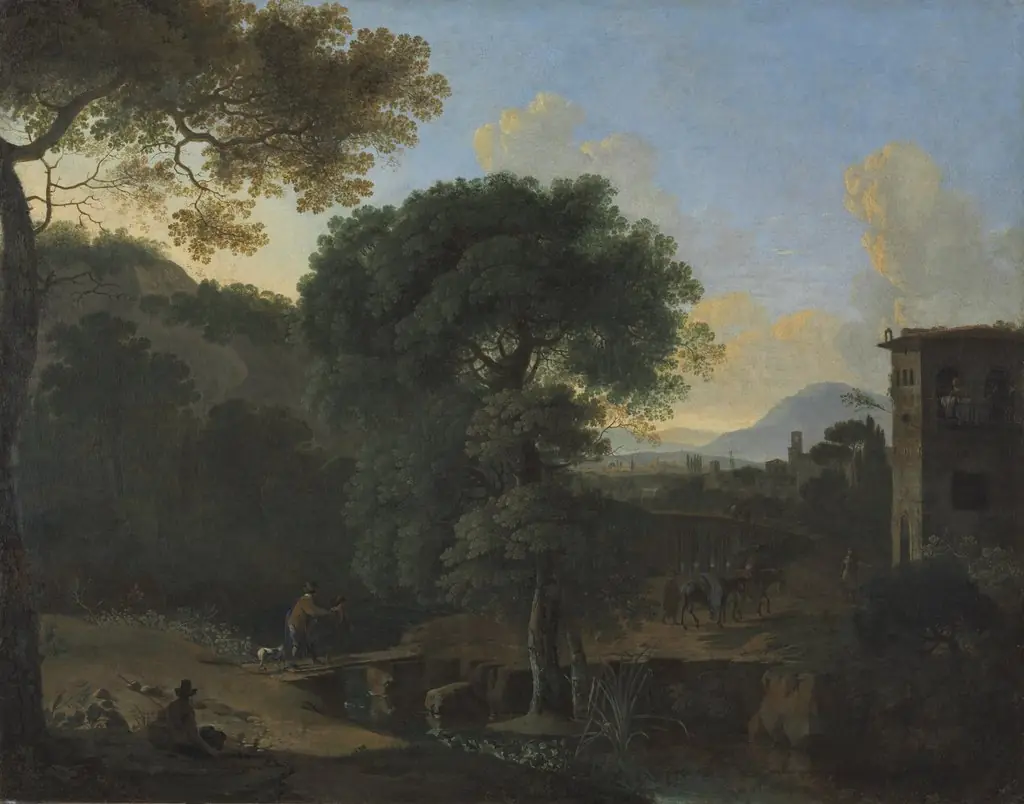
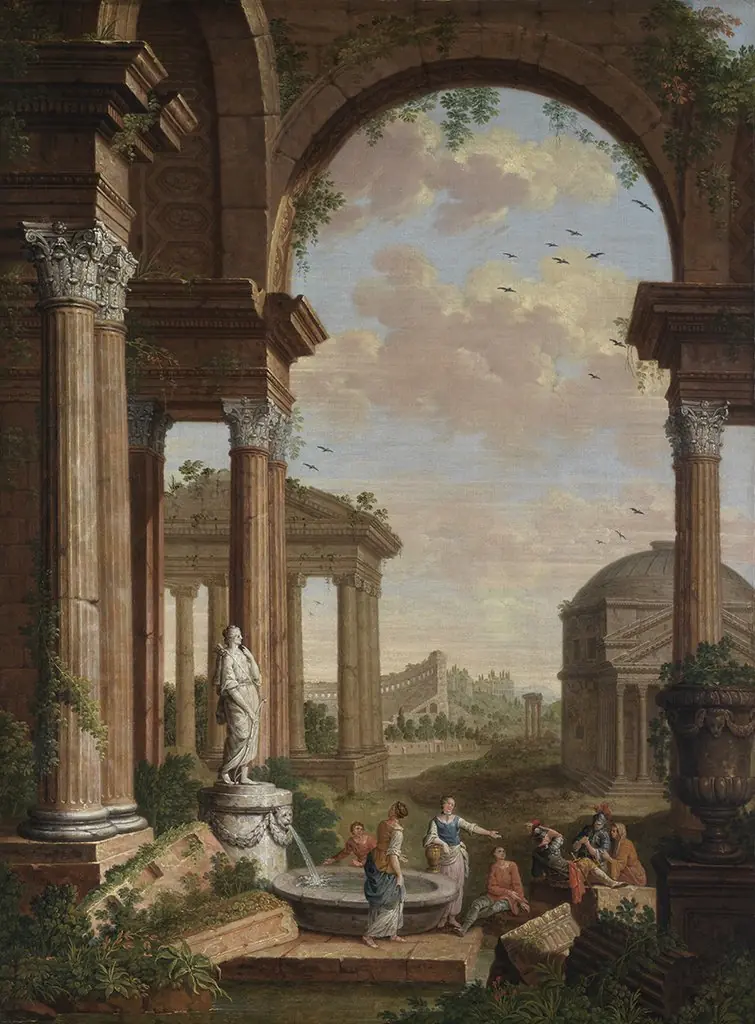
Painted in 1634 by Dutch artist Herman van Swanevelt, this oil work presents a contemplative landscape of ancient Roman ruins. It focuses on the Temple of Venus and Roma, the Colosseum, and the Arch of Constantine, rendered not as active monuments but as weathered remnants. The scene is populated with modest human and animal figures, grounding the grandeur of the architecture in everyday presence.
Subject & Meaning
The painting does not depict mythological narratives but instead treats the ruins as silent witnesses to imperial history. By placing travelers and livestock among the broken columns and arches, van Swanevelt suggests a quiet continuity between antiquity and the present. The mood is reflective, emphasizing decay rather than glory, aligning with early 17th-century European fascination with time’s passage.
Technique & Style
Van Swanevelt employs chiaroscuro to model forms and deepen spatial recession, contrasting light-drenched ruins with shadowed foregrounds. The sky, softly graded with white clouds, provides a serene backdrop that enhances the architectural scale. Brushwork is precise yet unobtrusive, favoring atmospheric harmony over dramatic effect, characteristic of his Roman-influenced landscape style.
History & Provenance
Created during van Swanevelt’s time in Rome, the painting reflects his immersion in the city’s ruins and the artistic trends of the period. It entered the collection of the National Museum of Western Art in Tokyo, where it remains today. Its journey from 17th-century Italy to 20th-century Japan underscores its enduring appeal across cultural contexts.
Context
In the 1630s, Northern European artists increasingly traveled to Rome to study classical remains, producing landscapes that blended topographical accuracy with poetic mood. Van Swanevelt’s work fits within this tradition, responding to a growing interest in antiquity as a subject for contemplation rather than celebration, distinct from the grandeur of Baroque religious or mythological scenes.
Legacy
Though not widely known today, van Swanevelt’s painting contributes to a broader genre of Roman ruin landscapes that influenced later topographical artists. Its restrained tone and attention to atmospheric detail mark it as a quiet precursor to 18th-century vedute, preserving a moment when ruins were seen not as relics to be restored, but as evocative traces of time.
Own this work as a print
Artist & collection