Artwork
Untitled
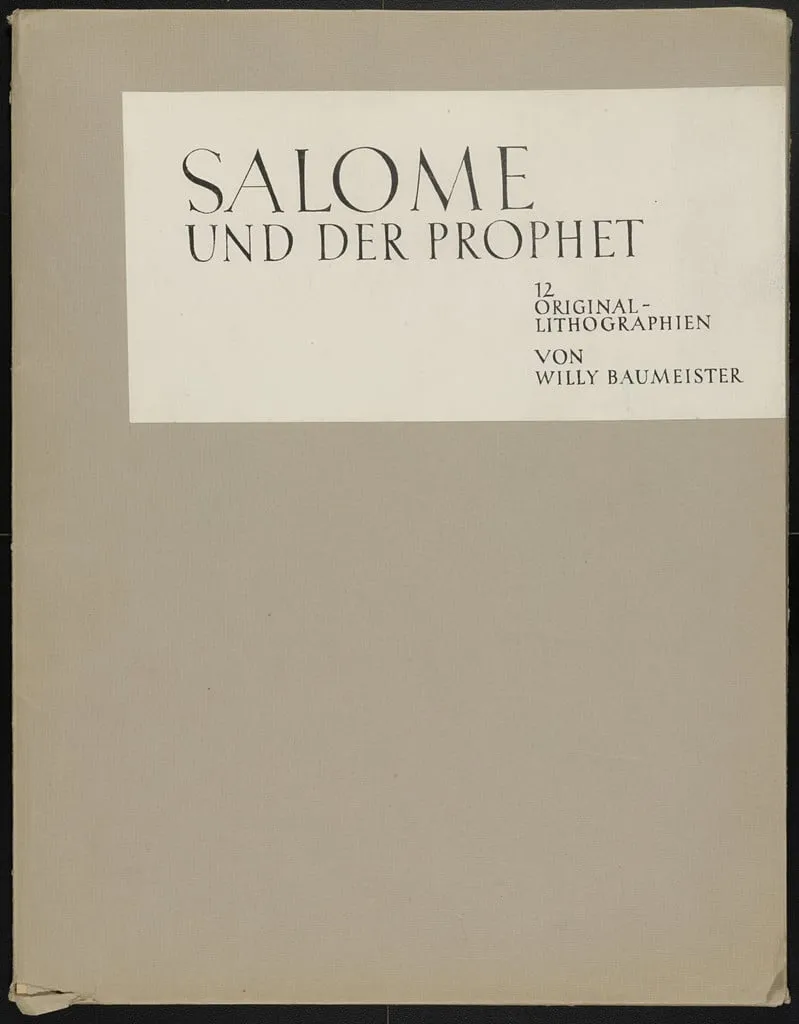
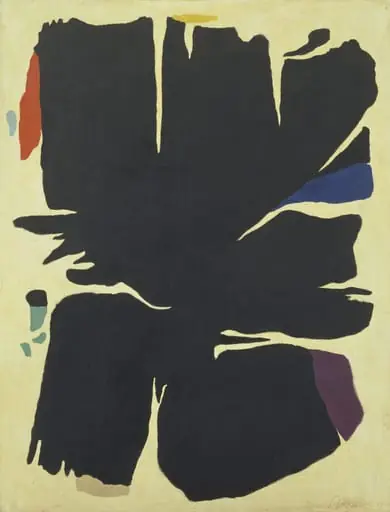
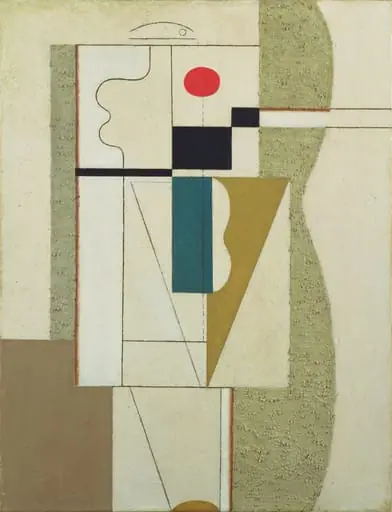
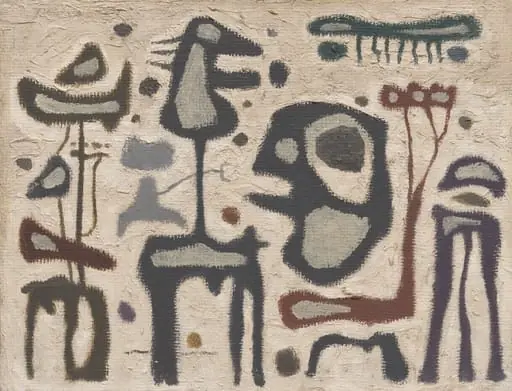
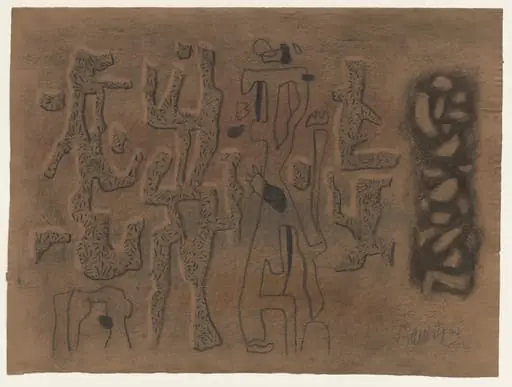
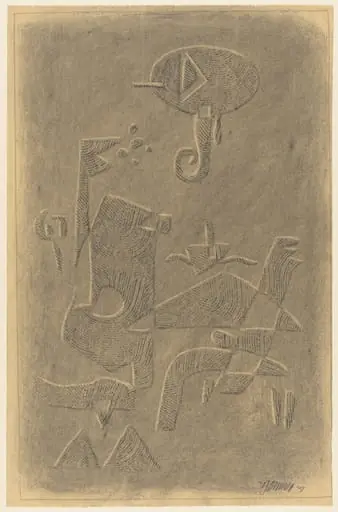
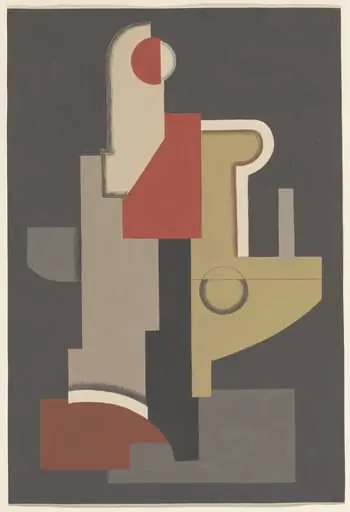
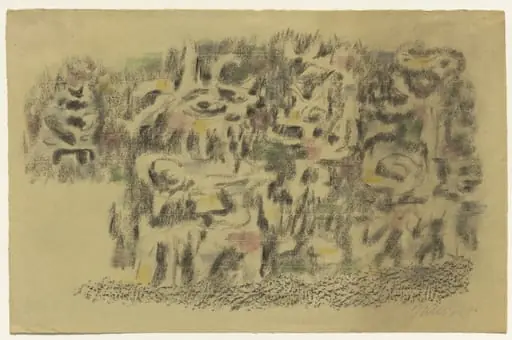
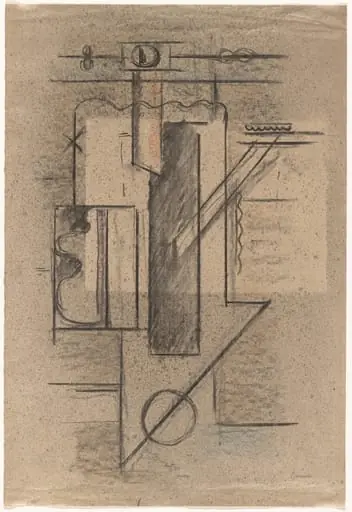
Untitled is an ink print by Willi Baumeister. It dates from 1946 and is held in the collection of the Museum of Modern Art.
About this work
Overview
Though labeled 'Untitled' in some records, the published title references biblical figures, suggesting thematic undercurrents.
Willi Baumeister produced a portfolio of twelve lithographs in 1946, titled *Salome und der Prophet* on its cover. Though labeled 'Untitled' in some records, the published title references biblical figures, suggesting thematic undercurrents. The work belongs to his postwar period, when he turned toward abstract, symbolic forms. The portfolio’s plain, unadorned cover reflects a deliberate restraint, contrasting with the complexity of the prints within.
Subject & Meaning
The title alludes to Salome and the Prophet, figures from biblical narratives associated with revelation, power, and violence. Baumeister does not illustrate these figures literally; instead, he evokes their presence through abstract, biomorphic shapes and enigmatic symbols. The imagery suggests mythic tension without narrative clarity, inviting contemplation rather than storytelling. His use of archaic motifs connects the figures to deeper, prehistoric human concerns.
Technique & Style
Each lithograph in the portfolio features fluid, organic forms emerging from structured lines, characteristic of Baumeister’s postwar abstraction. He employed lithographic ink to create subtle tonal gradations and textured surfaces, balancing spontaneity with deliberate composition. The prints avoid overt detail, favoring suggestive shapes that recall cave paintings and early symbolic systems. The medium allowed for both precision and expressive looseness, aligning with his interest in primal visual languages.
History & Provenance
Created in 1946, the portfolio was produced shortly after Baumeister’s return to artistic practice following his exclusion from Nazi-era exhibitions. It was acquired by The Museum of Modern Art in the mid-20th century, where it remains part of its print collection. The work’s survival and institutional recognition reflect its significance in postwar German art, representing a quiet but determined reclamation of artistic autonomy.
Context
In the aftermath of World War II, many German artists sought to redefine art beyond nationalist ideology. Baumeister turned to ancient and non-Western visual sources, distancing himself from recent political distortions of culture. His focus on biomorphic abstraction aligned with broader European movements exploring myth and the unconscious, yet remained distinct in its grounded, tactile quality. The portfolio emerged from a moment of cultural reckoning, not celebration.
Legacy
The portfolio stands as a quiet but pivotal work in Baumeister’s oeuvre, marking his transition toward a mature abstract language rooted in prehistoric symbolism. It influenced later generations of German printmakers interested in non-representational forms with spiritual undertones. Though not widely exhibited, its presence in MoMA’s collection ensures its role in documenting postwar German art’s reorientation toward universal, non-political expression.
Artist & collection
Artist
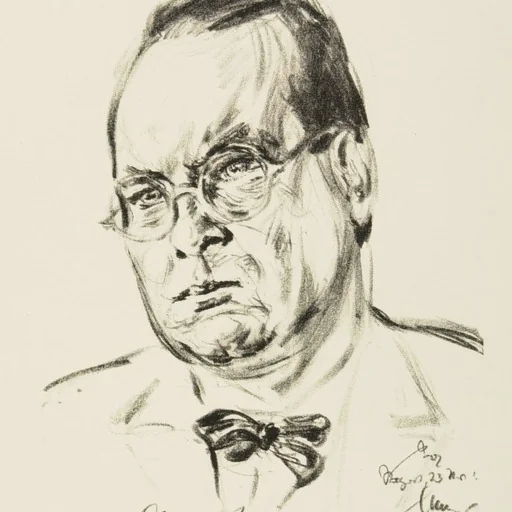
Willi Baumeister (22 January 1889 – 31 August 1955) was a German painter, scenic designer, art professor, and typographer.