Artwork
The Woolsey Family
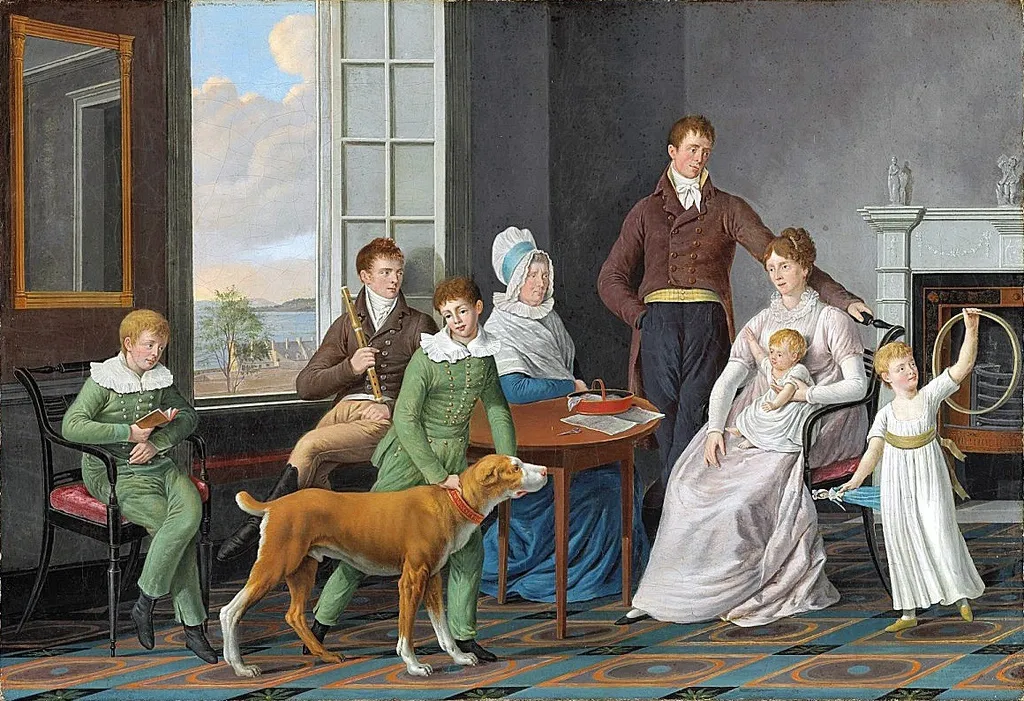
The Woolsey Family is an oil painting by the Biedermeier artist William Berczy. It dates from 1809 and is held in the collection of the National Gallery of Canada.
About this work
Overview
William Berczy’s 1809 oil work, *The Woolsey Family*, presents a domestic interior populated by nine family members and a dog. Rendered in the Biedermeier aesthetic, the composition balances a detailed interior setting with a view of water beyond a large window, emphasizing both familial intimacy and modest prosperity.
Subject & Meaning
The painting captures a multigenerational household engaged in everyday activities: a boy reads, a man holds a hoop, a woman cradles an infant, and other children occupy seats and a bench. The inclusion of domestic objects and the relaxed poses suggest a focus on family cohesion and the values of early‑19th‑century middle‑class life.
Technique & Style
Executed in oil on canvas, Berczy employs a fine, layered brushwork that renders textures—from the patterned rug to the sheen of clothing—with clarity. The palette combines muted earth tones with brighter accents, while careful modeling of light from the window and fireplace creates depth and a sense of three‑dimensional space.
History & Provenance
Born in Germany, Berczy emigrated to Upper Canada, where he helped found the settlement of York (now Toronto) and became a prominent pre‑Confederation artist. *The Woolsey Family* entered the National Gallery of Canada’s collection, where it remains part of the institution’s holdings of early Canadian art.
Context
Created during the Biedermeier period, the work reflects the era’s preference for modest, domestic subjects and a restrained, middle‑class sensibility. In the Canadian context, it documents the material culture and familial structures of early settlers in the region that would become Ontario.
Artist & collection
Artist
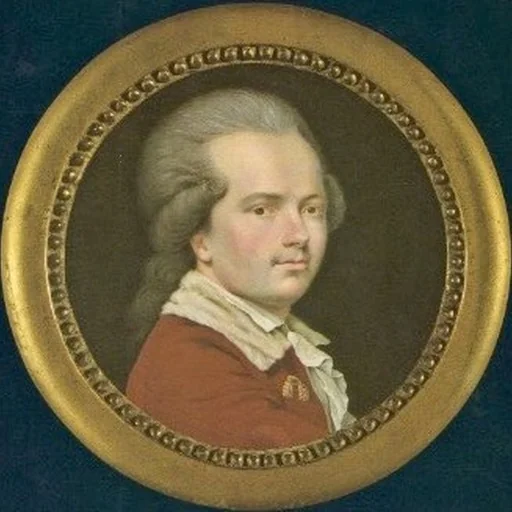
William von Moll Berczy (December 10, 1744 – February 5, 1813) was a German-born Upper Canada pioneer and painter.

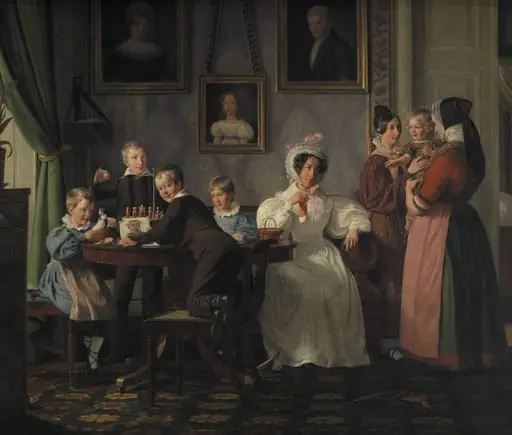 The Waagepetersen Family
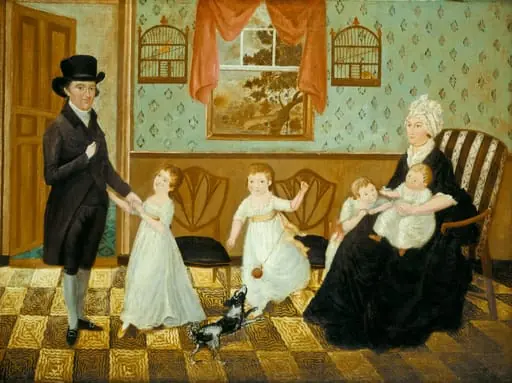 The Sargent Family
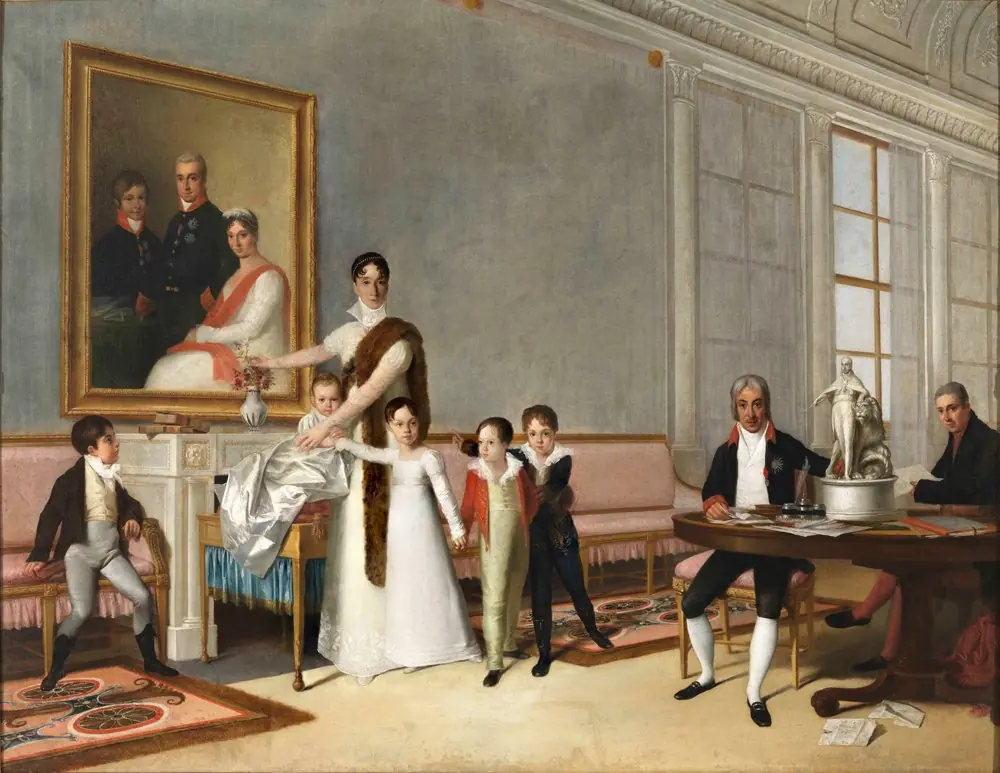 Portrait of the Family of the 1st Viscount of Santarém
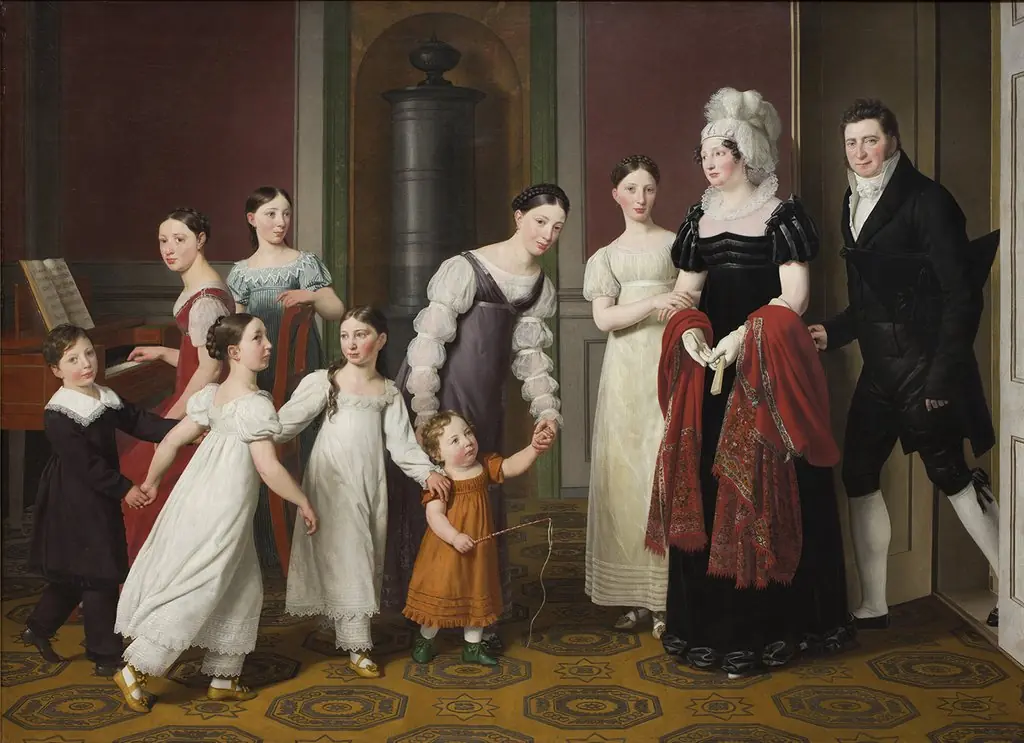 Familien Nathanson
 The Nathanson Family
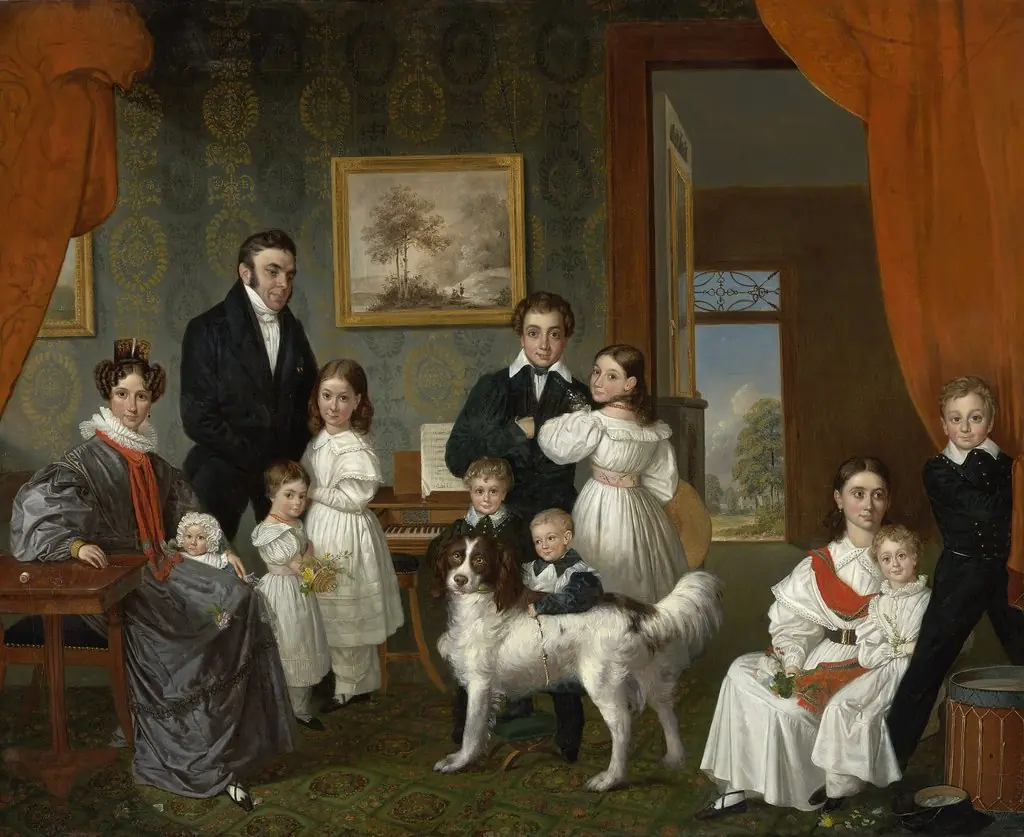 Portrait of the Baud family in their country house in Voorburg
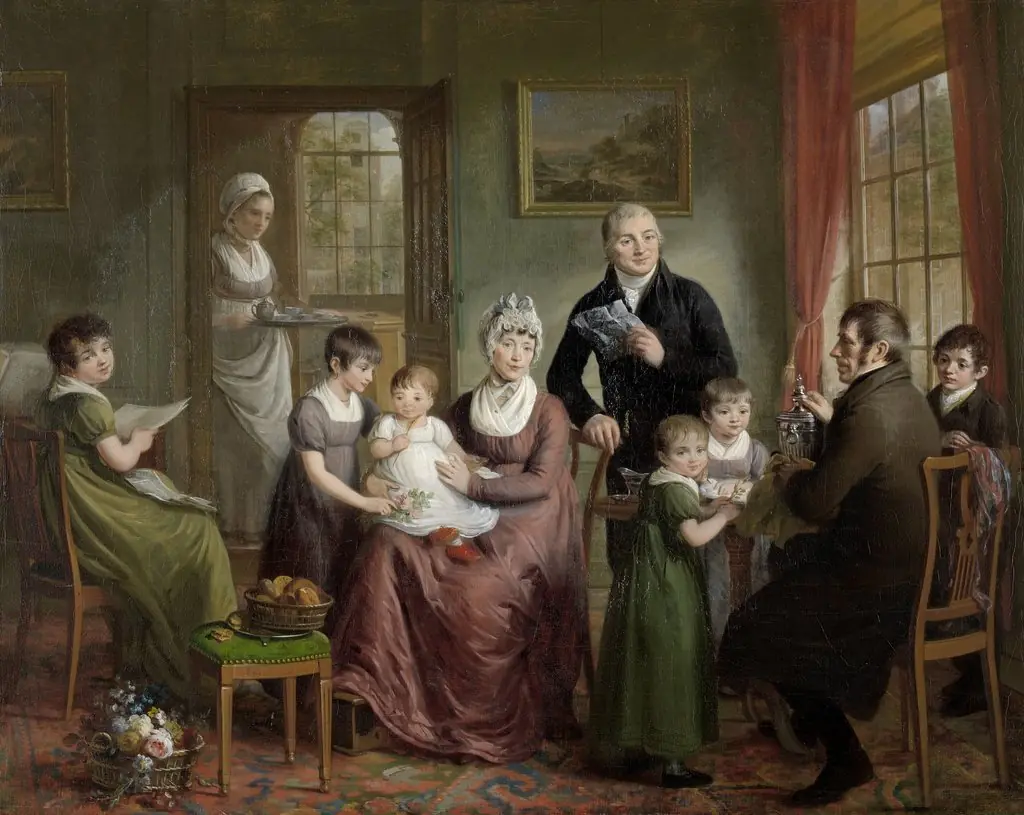 Portrait of the Family of Adrianus Bonebakker with Dirk L. Bennewitz
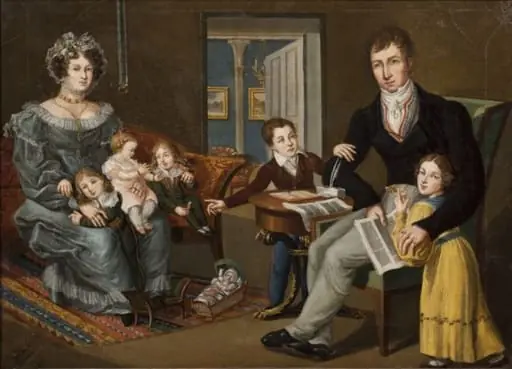 Familia unui librar sas în interior Biedermeier
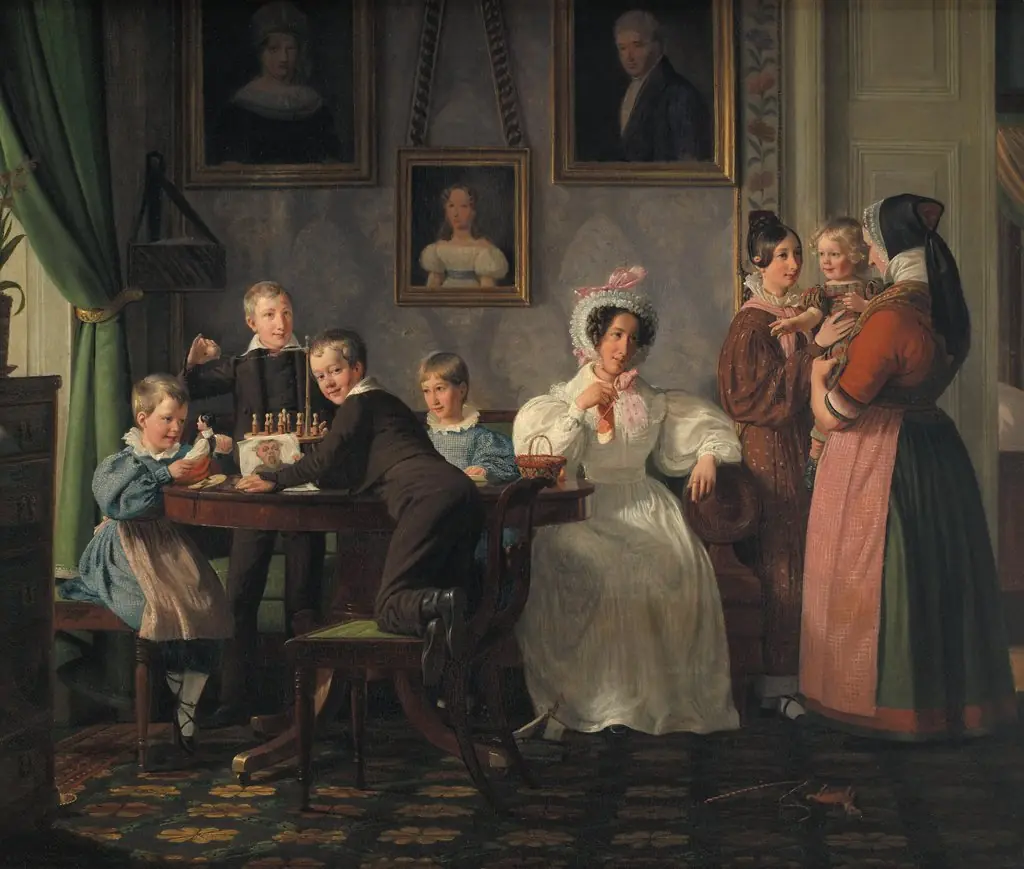 Familien Waagepetersen
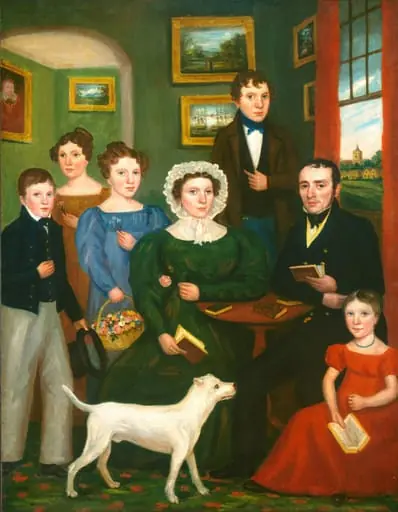 Portrait of an Unknown Family with a Terrier