Artwork
Untitled
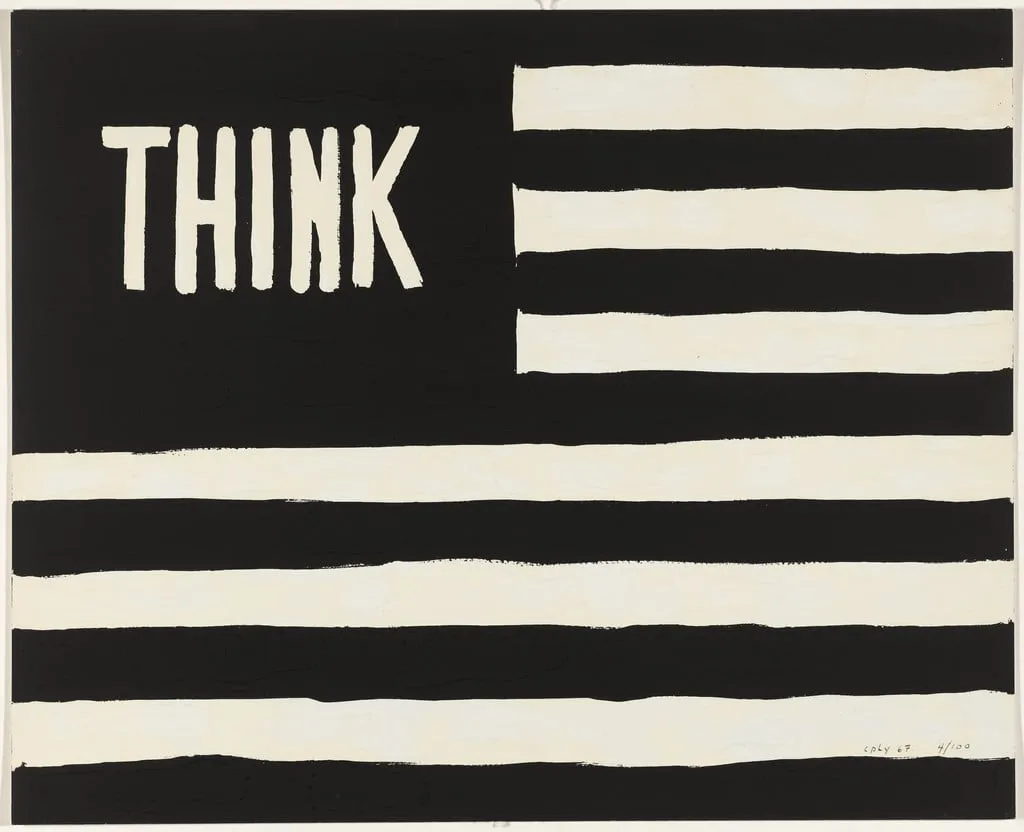
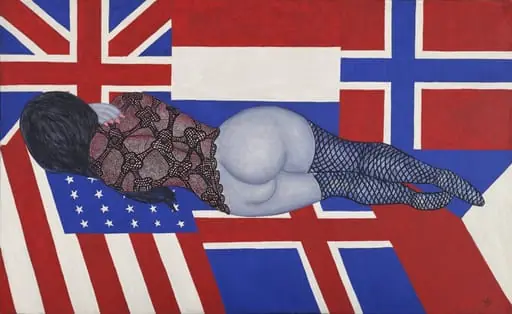
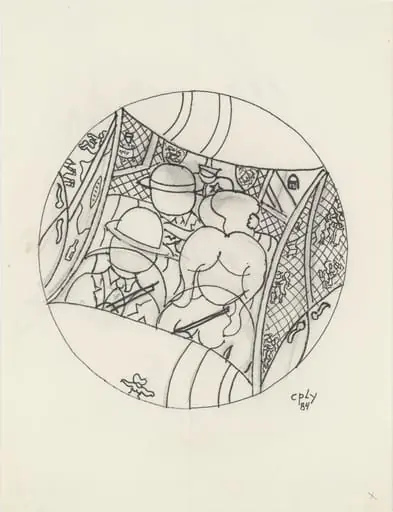
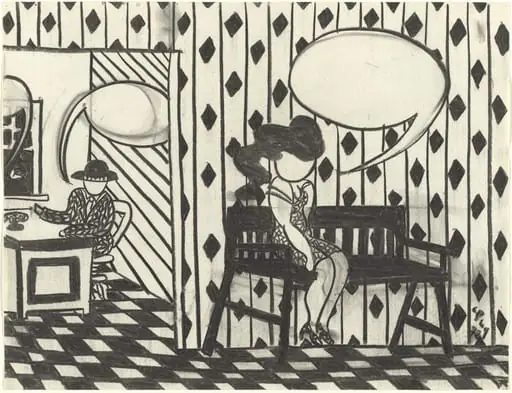
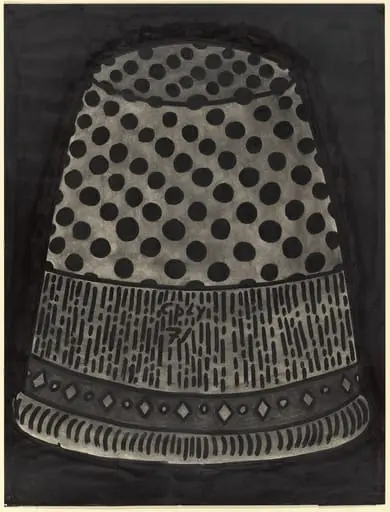
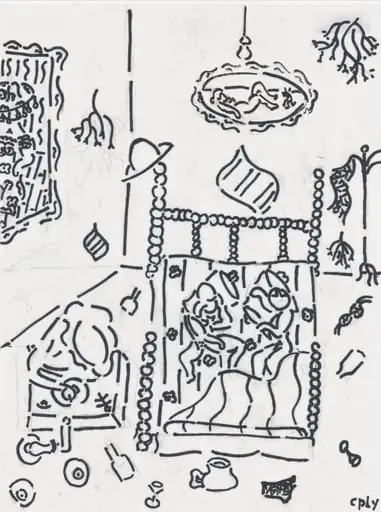
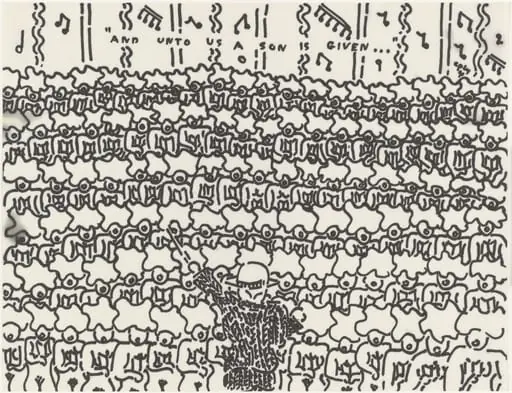
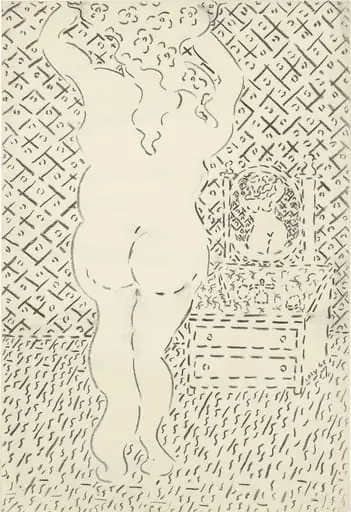
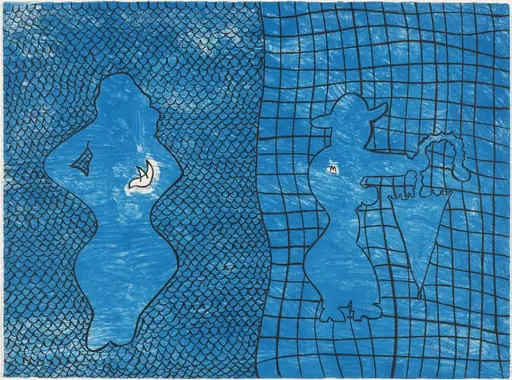
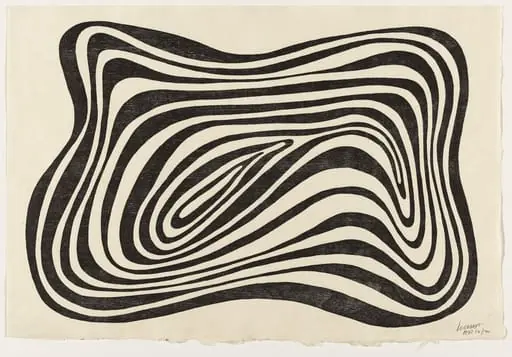
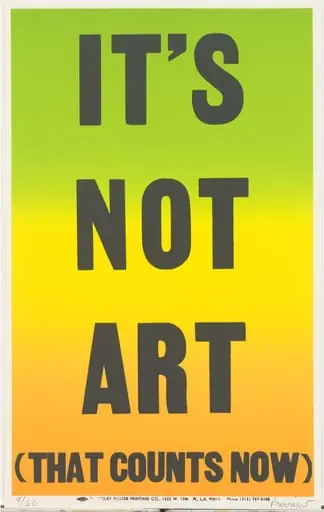
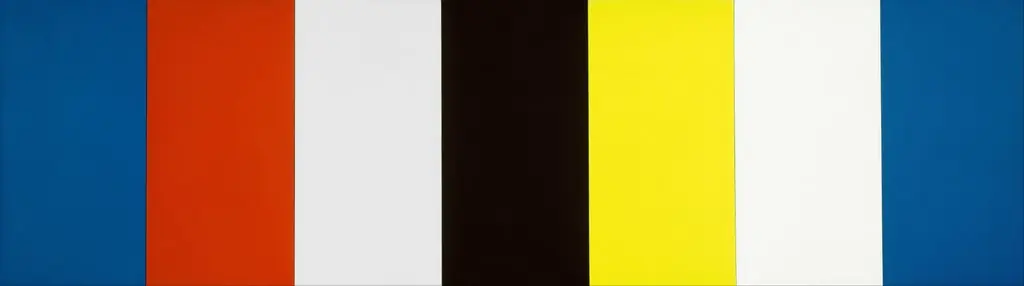
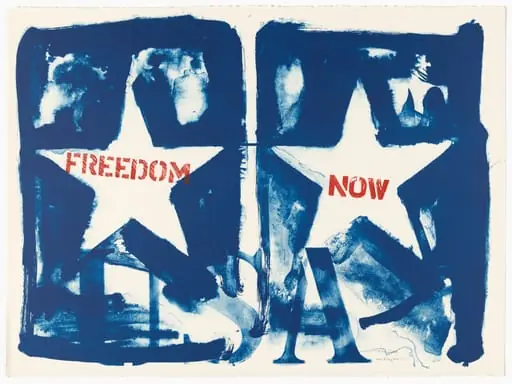
Untitled is an ink print by William Copley. It dates from 1967 and is held in the collection of the Museum of Modern Art.
About this work
Overview
Several pieces in the set incorporate physical interventions like collage, die-cutting, and punched holes, reflecting an experimental approach to printmaking.
Created in 1967, *Untitled* is one component of a diverse portfolio by William Copley, combining screenprints, lithographs, and an etching. Several pieces in the set incorporate physical interventions like collage, die-cutting, and punched holes, reflecting an experimental approach to printmaking. The portfolio as a whole was conceived as a political statement against the Vietnam War, leveraging the accessibility and immediacy of printed media.
Subject & Meaning
The work presents a stark red rectangle centered on a white field, with a single black dot near its upper edge. This minimal composition avoids narrative detail, instead evoking symbolic weight—perhaps a mark of violence, absence, or a target. The simplicity amplifies its urgency, functioning as a visual protest that rejects ornamentation in favor of directness and emotional resonance.
Technique & Style
Screenprinting was chosen for its association with mass production and activist posters, lending the work a tactile, unpolished quality. The flat planes of color and lack of gradation align with graphic design traditions used in political messaging. Copley’s use of physical alterations—punched holes, die-cuts—introduces disruption into the flat surface, reinforcing the work’s confrontational tone.
History & Provenance
The portfolio was produced in 1967 as a limited, non-commercial edition intended for distribution as protest material. Copley, who operated a gallery in Los Angeles and maintained ties to European Surrealists, used his network to circulate the prints among artists and activists. Its production was independent of commercial galleries, emphasizing its role as a grassroots act of dissent.
Context
Emerging from a milieu that bridged Surrealism and early Pop, Copley’s work responded to the cultural turbulence of the 1960s. While his earlier paintings drew from dreamlike imagery, this portfolio marked a shift toward overt political engagement. The use of printmaking aligned with broader movements where artists turned to reproducible media to bypass traditional art institutions and reach wider audiences.
Legacy
Copley’s portfolio contributed to a broader trend of artists using printmaking for political expression during the Vietnam era. Its stripped-down aesthetic and handmade interventions influenced later generations who sought to merge conceptual clarity with material experimentation. Though not widely exhibited at the time, its methods resonate in contemporary activist art practices that prioritize accessibility and directness.
Artist & collection
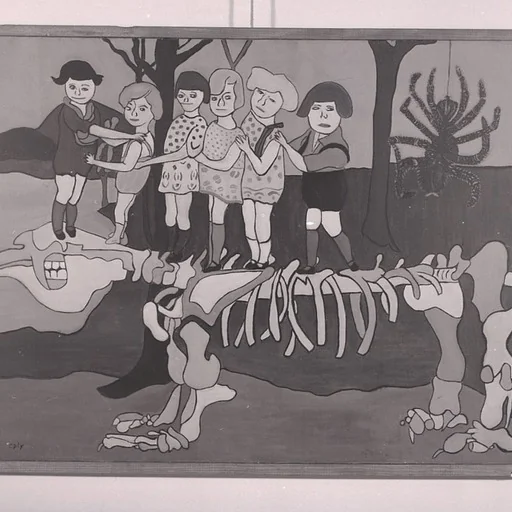
Artist
William N. Copley (January 24, 1919 – May 7, 1996) also known as CPLY, was an American painter, writer, gallerist, collector, patron, publisher and art entrepreneur. His works as an artist have been classified as late…