Artwork
Portrait of a Gentleman
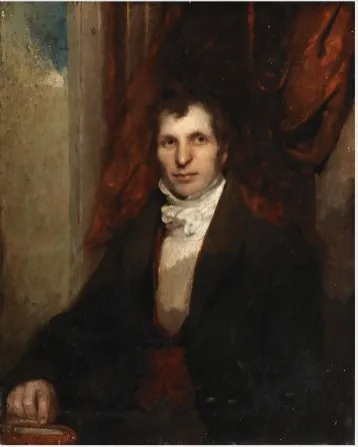
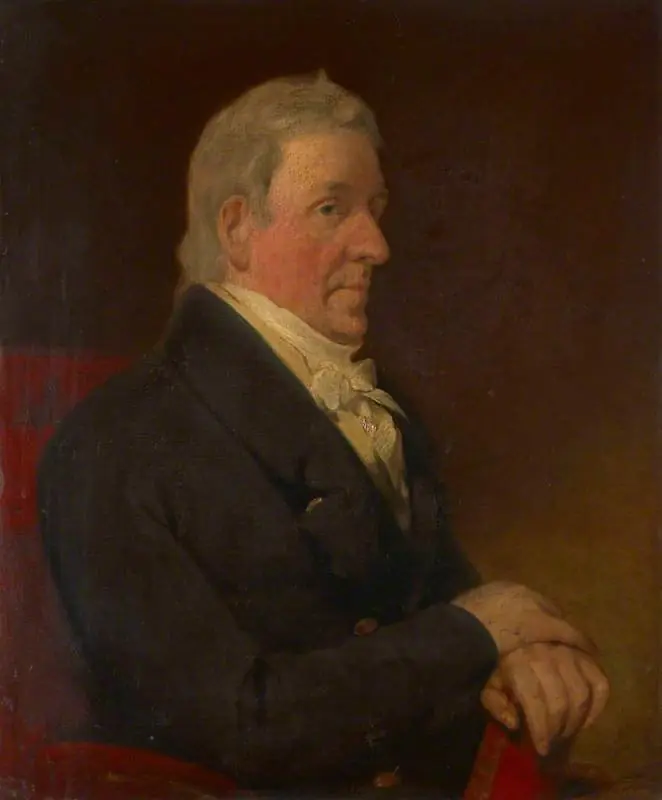
Portrait of a Gentleman is an oil painting by the British Romanticist artist William Cuming. It dates from 1820 and is held in the collection of the National Gallery of Ireland.
About this work
Overview
The sitter’s attire—a black jacket, crisp white high‑collared shirt, and a vivid red waistcoat—contrasts with the muted background, emphasizing his presence.
William Cuming’s 1820 oil portrait presents a formally dressed gentleman seated in a chair before a red curtain. The sitter’s attire—a black jacket, crisp white high‑collared shirt, and a vivid red waistcoat—contrasts with the muted background, emphasizing his presence. The composition conveys a restrained, contemplative mood, with the figure’s neutral expression and direct gaze inviting quiet observation.
Subject & Meaning
The work focuses on a single male figure, rendered without overt symbolism, suggesting an emphasis on personal status and dignity. The subject’s poised posture and steady look forward imply confidence and self‑assurance, while the subdued setting and lack of narrative elements encourage viewers to consider the individual’s identity and social standing within early‑19th‑century society.
Technique & Style
Cuming employs a smooth, controlled brushwork typical of early nineteenth‑century portraiture, allowing precise rendering of fabrics and facial features. The oil medium facilitates subtle tonal variations, particularly in the play of light across the white shirt and the deep black jacket. The red curtain backdrop, rendered with broader strokes, provides a contrasting field that heightens the sitter’s coloration.
History & Provenance
Created in 1820, the portrait entered the collection of the National Gallery of Ireland, where it remains on display. Its acquisition reflects the institution’s commitment to representing Irish artists of the period, and the painting has been catalogued as part of the gallery’s holdings of early nineteenth‑century portraiture.
Artist & collection

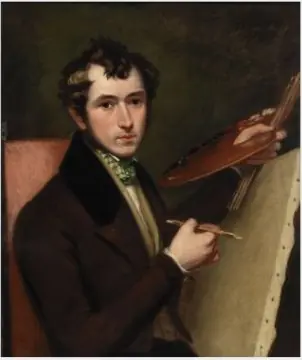
 Self-Portrait
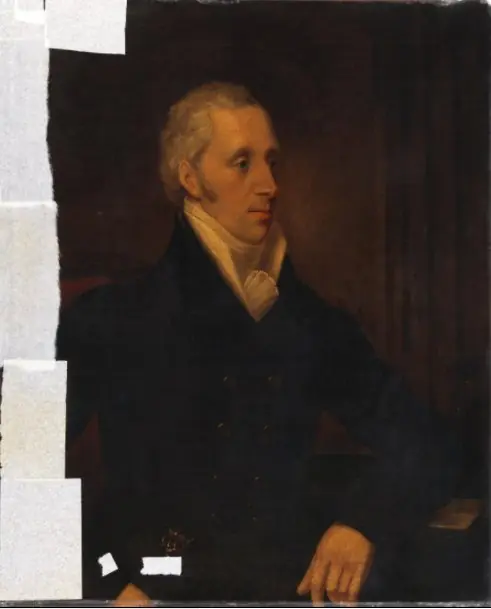 Portrait of James Henry Cottingham (1762-1820)
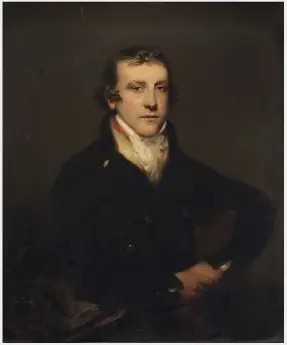 Portrait of Captain Ross
 Portrait of James Kenney (1780-1849), Dramatist
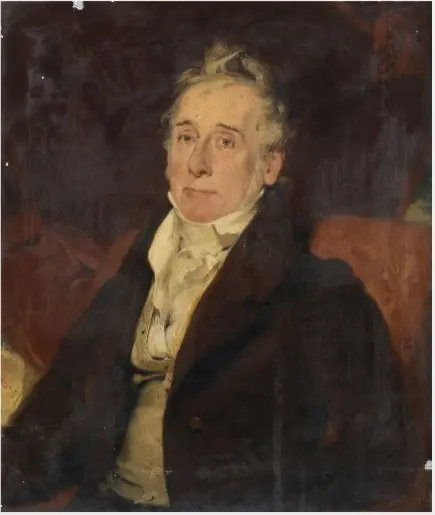 Portrait of George Moore (1773-1840)
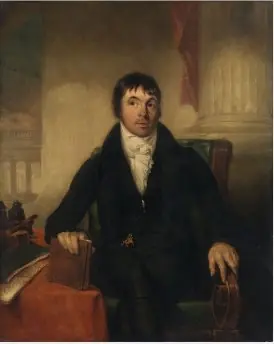 Portrait of John Philpot Curran (1750-1817), Statesman and Lawyer
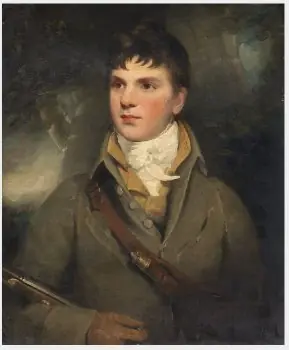 A Member of the Grove Family
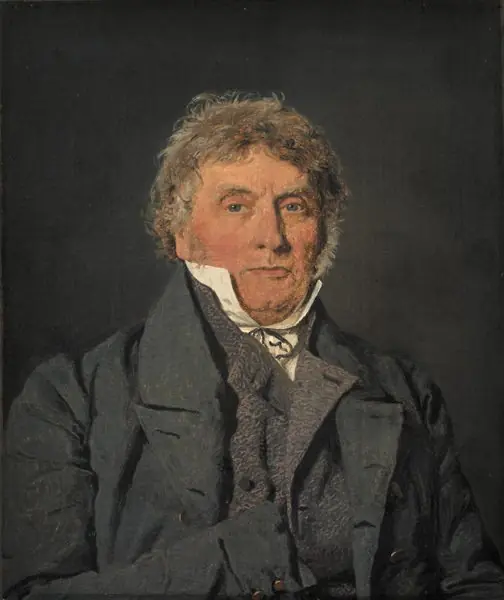 Portrait of the Artist´s Father, Master Baker Peter Berendt Købke
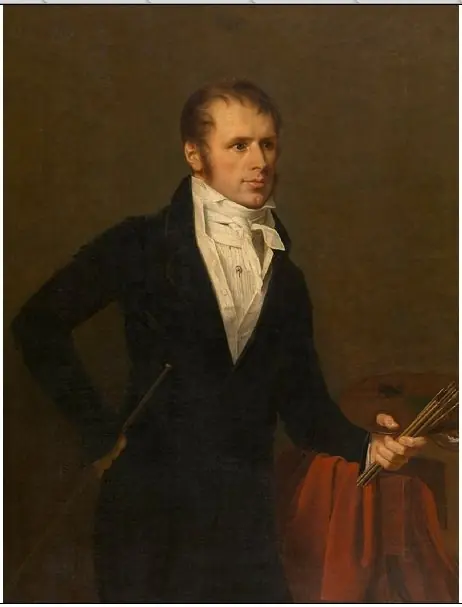 Portrait of the painter Jan Frans van Dael
 Self-Portrait
 Peter Spalding (c. 1758 - 1826)
 George Sanders (1774 - 1846)