Artwork
Self-Portrait
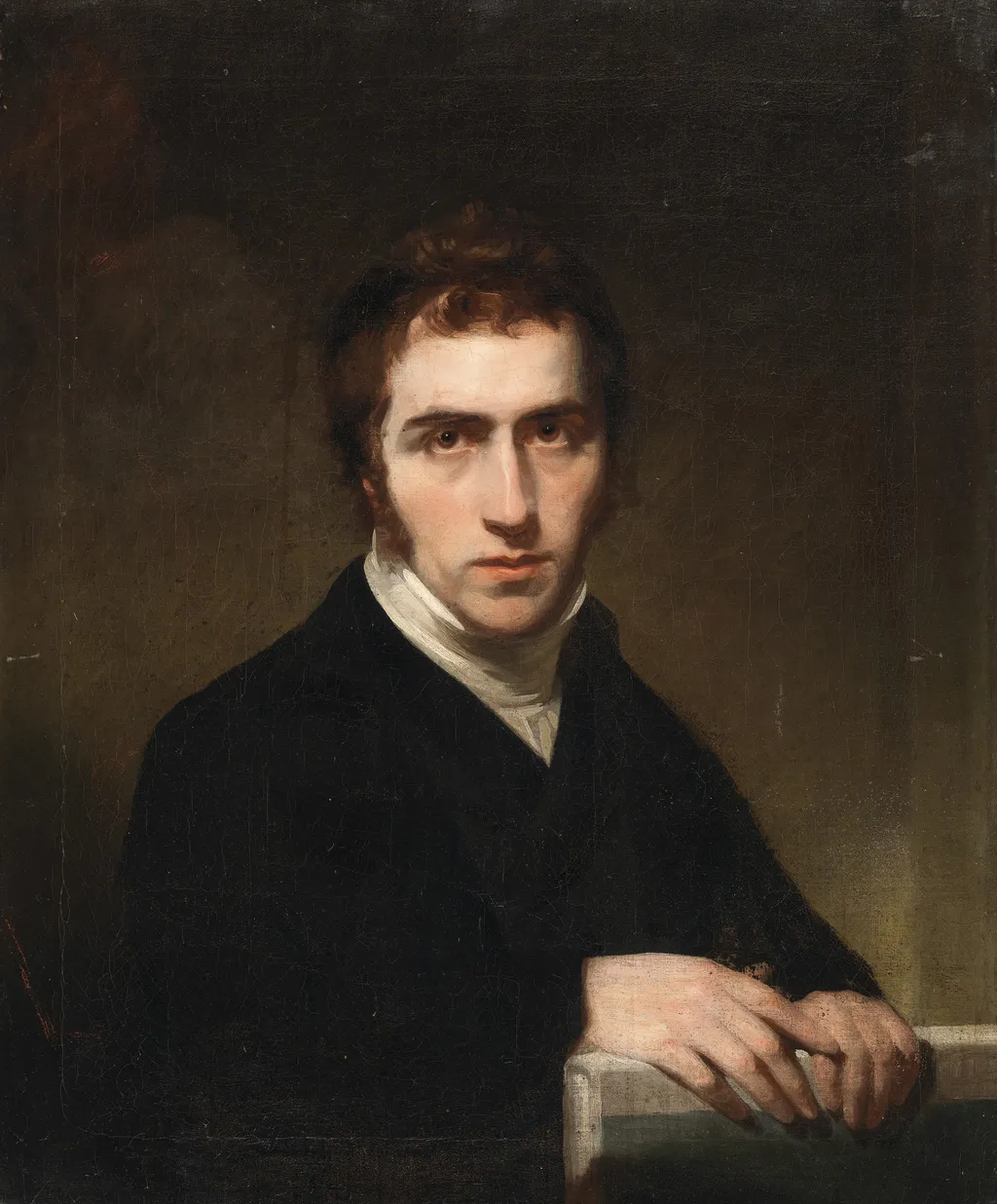
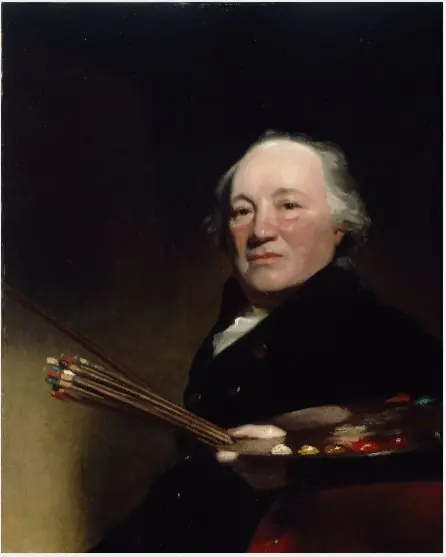
Self-Portrait is an oil painting by the Realist artist William Cuming. It dates from 1800 and is held in the collection of the National Gallery of Ireland.
About this work
Overview
The painting is part of the collection at the National Gallery of Ireland, where it remains one of the few surviving portraits by the artist.
Painted in 1800, this oil on canvas work is a self-portrait by Irish artist William Cuming. It presents the artist in a modest, contemplative pose, facing the viewer directly. The painting is part of the collection at the National Gallery of Ireland, where it remains one of the few surviving portraits by the artist. Its restrained composition reflects the conventions of early 19th-century portraiture in Britain and Ireland.
Subject & Meaning
Cuming depicts himself with a composed, unsmiling expression, suggesting introspection rather than performance. Dressed in a dark coat and white collar, he avoids ornamental display, emphasizing professional identity over social status. The direct gaze invites quiet engagement, aligning with the era’s preference for sincerity in self-representation. The absence of symbols or context focuses attention on the individual’s presence.
Technique & Style
The painting employs chiaroscuro to model the face with subtle gradations of light and shadow, creating a three-dimensional effect against the deep, unbroken background. The contrast between the pale skin and the dark coat enhances facial definition without theatricality. Brushwork is precise but not overly refined, favoring clarity over flourish. The ledge, barely suggested, grounds the figure without distracting from the head and shoulders.
History & Provenance
Cuming, active in Dublin during the late 18th and early 19th centuries, produced few known works, making this portrait a rare example of his output. It entered the National Gallery of Ireland’s collection in the 19th century, likely through donation or acquisition from a private Irish source. Its survival is notable given the limited documentation of artists from this period outside major metropolitan centers.
Context
In early 1800s Ireland, portrait painting served both personal and professional functions, often commissioned by the gentry. Cuming, trained locally and active in Dublin’s artistic circles, worked within a tradition that valued likeness and restraint. This self-portrait reflects the influence of British academic norms, yet its quiet intensity suggests a personal rather than commercial motive, distinguishing it from more formal commissions of the time.
Legacy
Though Cuming did not achieve widespread fame, this self-portrait endures as a significant record of an Irish artist’s self-perception during a formative period in national art history. It contributes to the understanding of provincial portraiture and the quiet dignity with which lesser-known artists represented themselves. The work remains a touchstone for studies of Irish artistic identity before the 19th-century revival.
Own this work as a print
Artist & collection

 Self-portrait
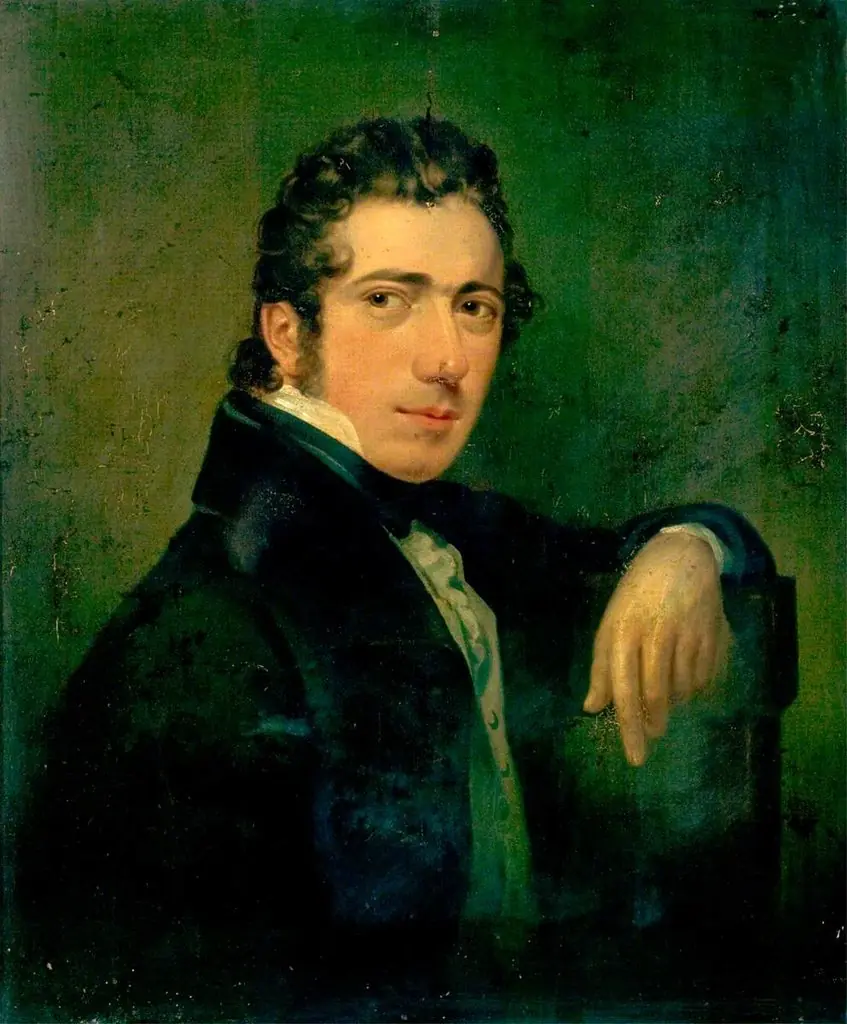 Self Portrait
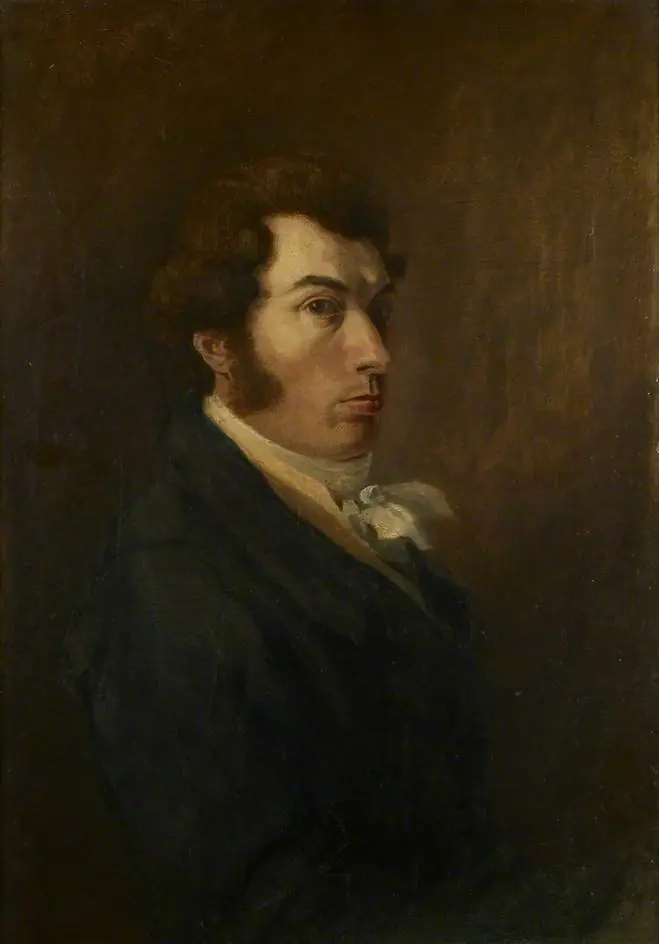 Self-portrait
 Portrait of Carl Adolf Feilberg
 Sir Charles Forbes (1774-1849)
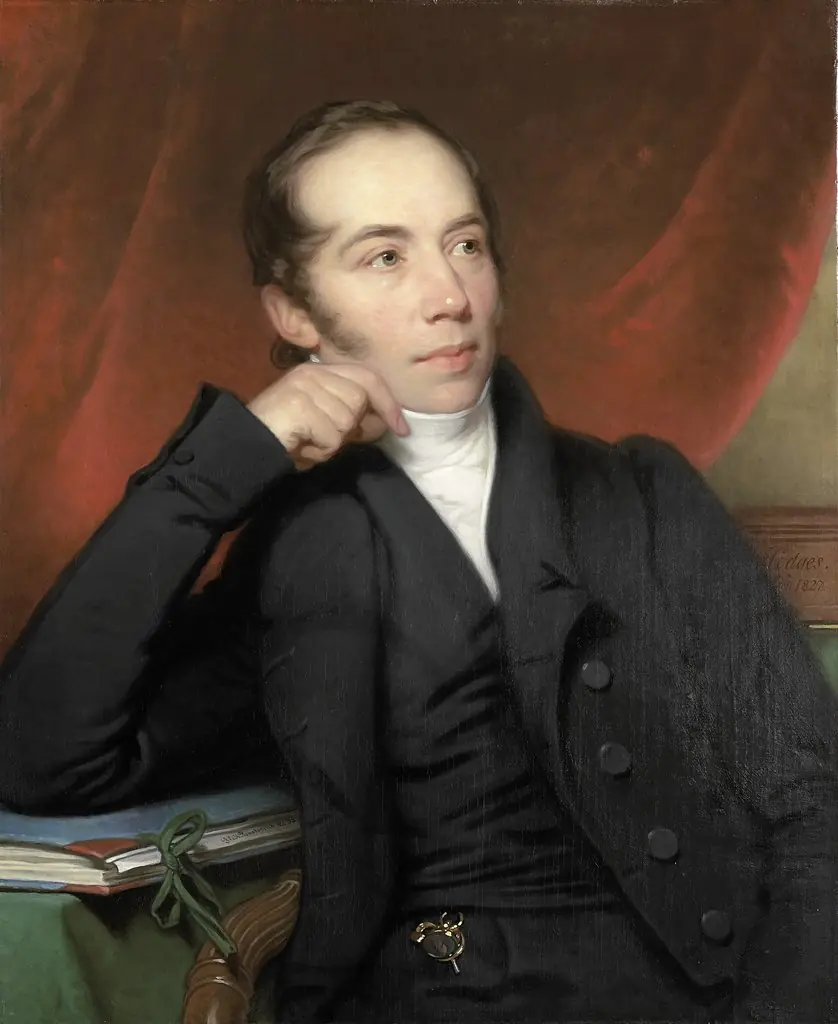 Portrait of Pieter Ernst Hendrik Praetorius, Broker, Draftsman and Painter. Chairman of the Board of the Rijksmuseum 1852-74
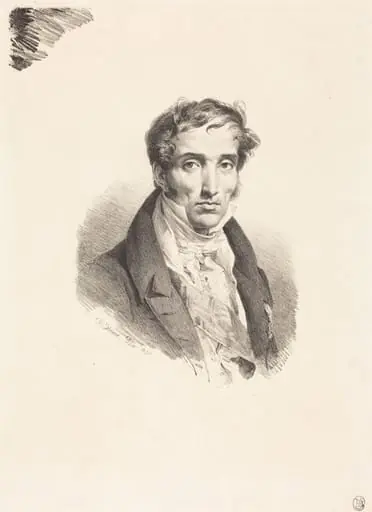 Pierre Guerin
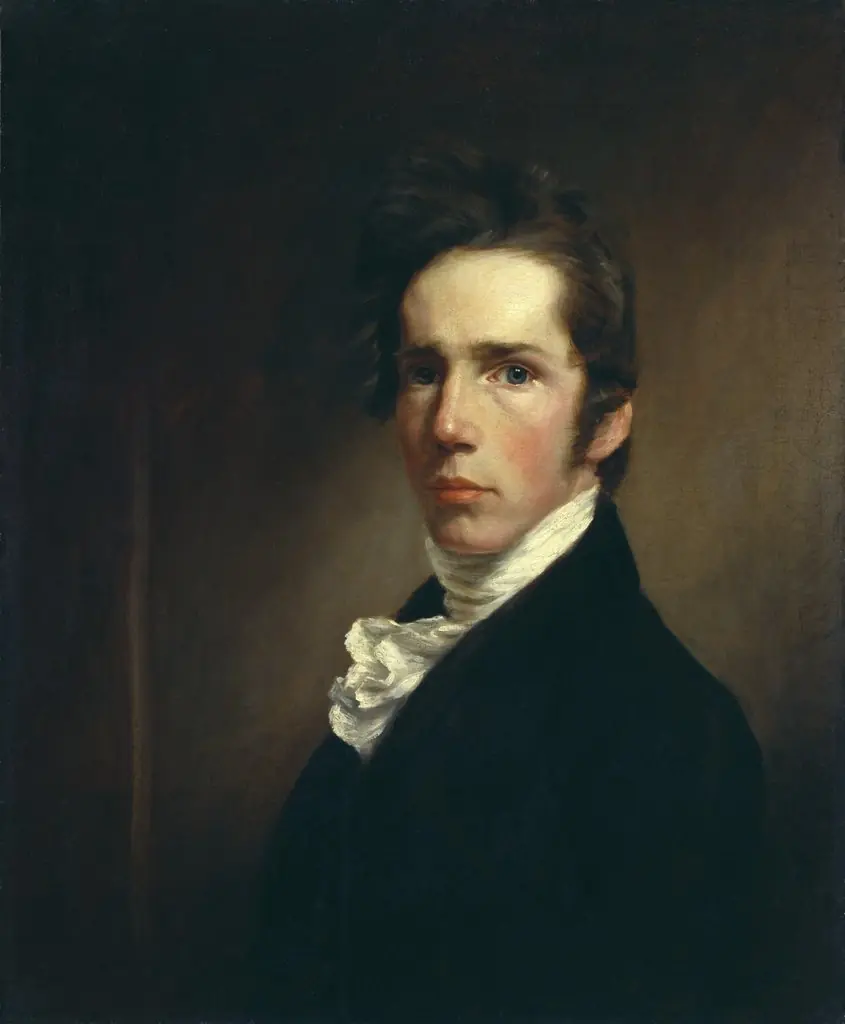 Portrait of a Man
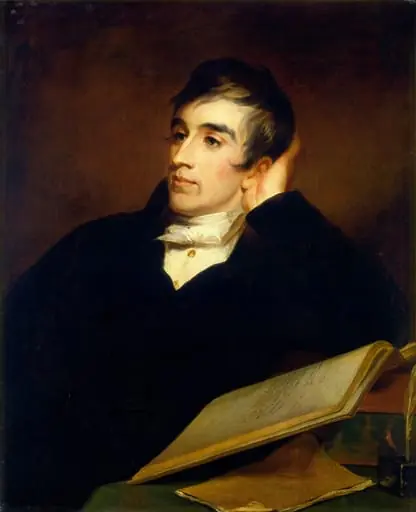 Robert Walsh
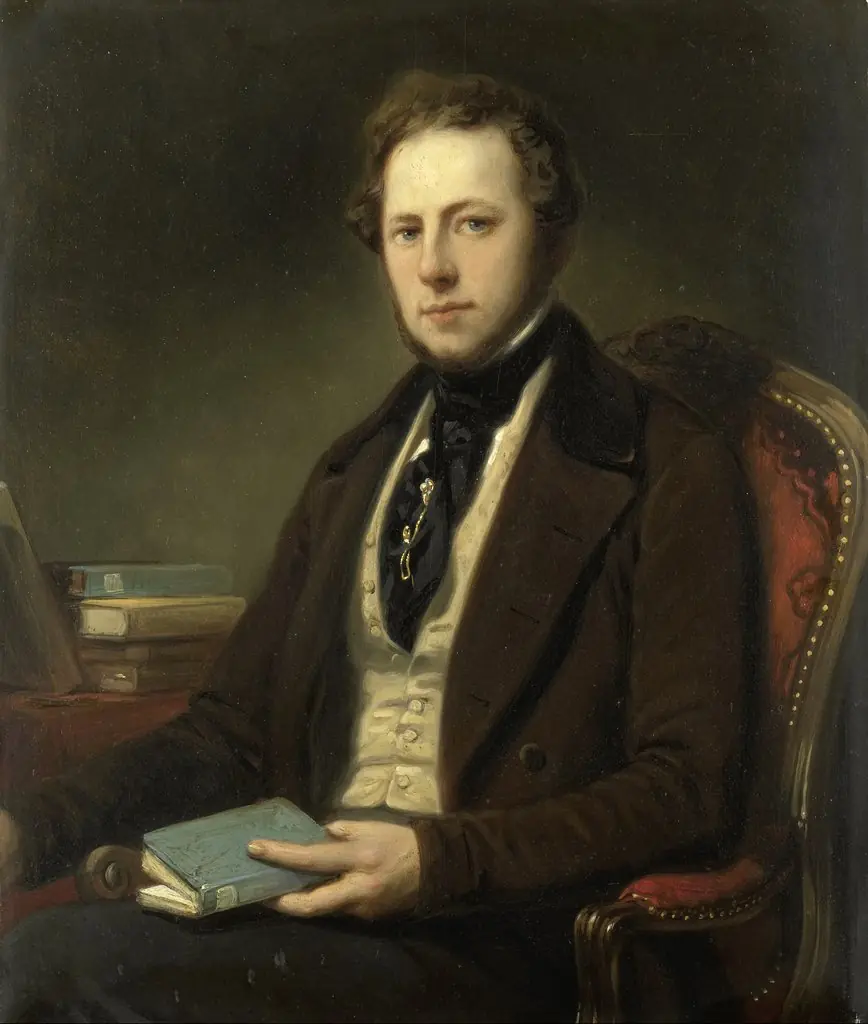 Portrait of a Man, perhaps the Poet Petrus Augustus de Genestet
 Portrait of a Man, perhaps Petrus Augustus de Genestet (1829-1861)
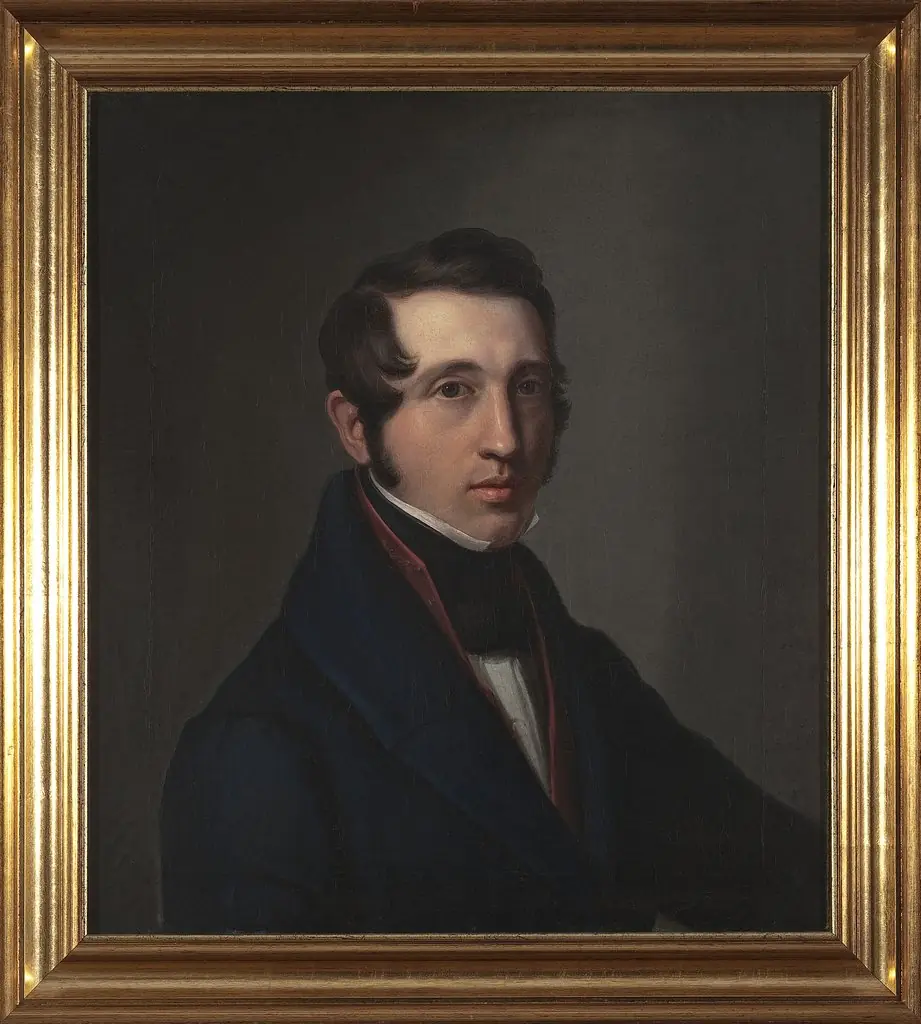 Portrait of count Karol Krasiński