Artwork
Charles Thorp as Lord Mayor of Dublin
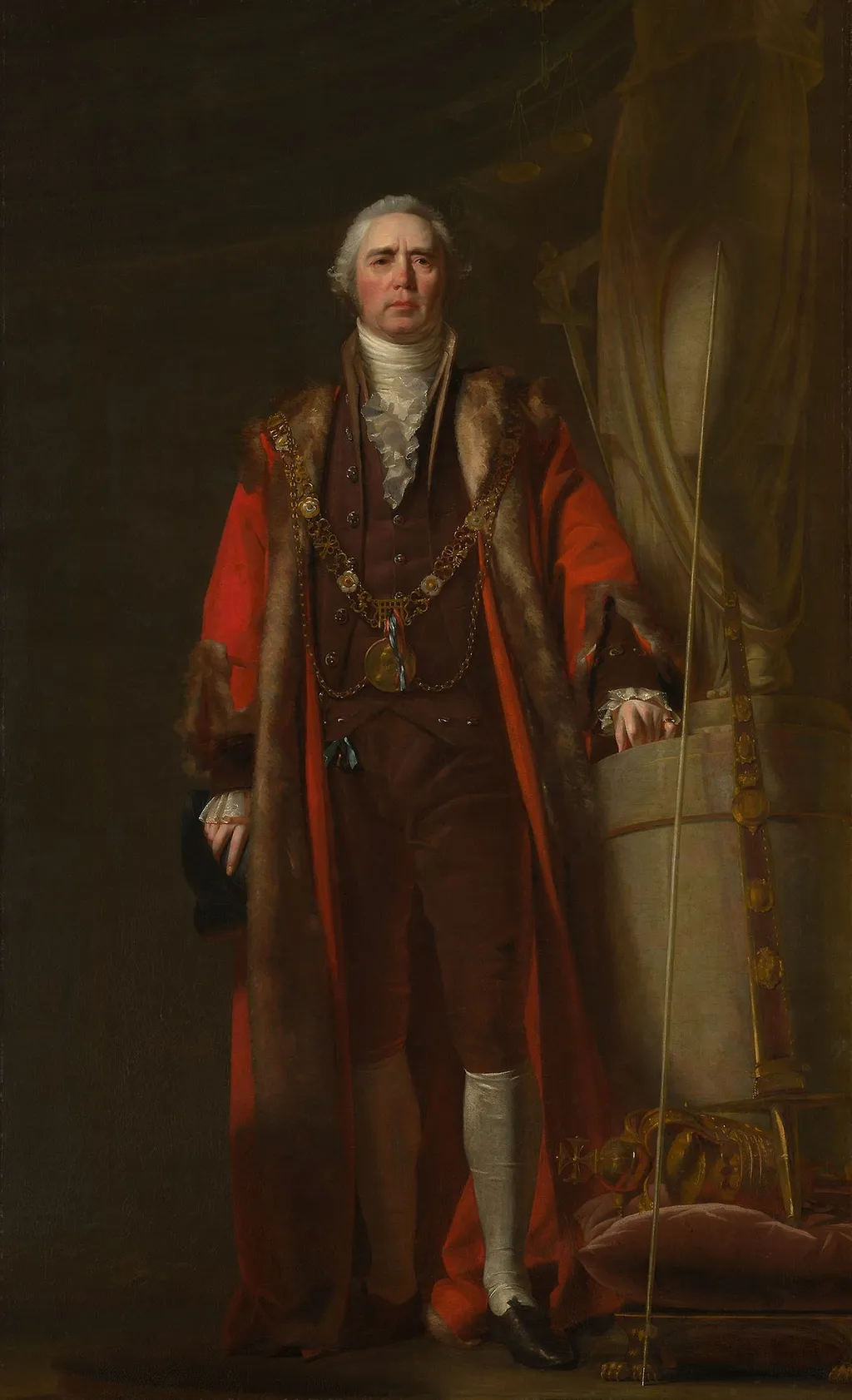
Charles Thorp as Lord Mayor of Dublin is an oil painting by William Cuming. It dates from 1800 and is held in the collection of the Art Institute of Chicago.
About this work
Overview
It captures Thorp in ceremonial dress, surrounded by symbols of civic authority, rendered with careful attention to texture and light.
Painted in 1800 by William Cuming, this oil portrait depicts Charles Thorp in his official capacity as Lord Mayor of Dublin. The work is part of the collection at the Art Institute of Chicago. It captures Thorp in ceremonial dress, surrounded by symbols of civic authority, rendered with careful attention to texture and light. The composition emphasizes his status through formal posture and rich material detail.
Subject & Meaning
Charles Thorp, a prominent civic leader, is portrayed in the full regalia of his mayoral office. The red robe with fur lining, gold chain, and ornate pendant signify his official role and the dignity of the position. The black hat held in his hand and the column he touches suggest both readiness for duty and a connection to civic tradition. The image conveys authority without overt grandeur, reflecting the restrained ideals of early 19th-century public service.
Technique & Style
Cuming employs chiaroscuro to model Thorp’s form against a dark, draped background, enhancing the three-dimensionality of his figure. The contrast between the luminous fabric of the robe and the shadowed areas draws focus to the face and hands, where expression and gesture are most nuanced. Brushwork is precise in rendering textures—fur, silk, metal—while maintaining a naturalistic tone that avoids theatricality.
History & Provenance
Commissioned during Thorp’s term as Lord Mayor, the painting likely served as an official record of his tenure. It remained in private or civic hands in Ireland before entering the Art Institute of Chicago’s collection. Its journey reflects the movement of Irish portraiture into American institutional collections during the late 19th and early 20th centuries, though specific acquisition details are not widely documented.
Context
In 1800, Dublin was still the capital of Ireland under British rule, and the mayoralty was a position of considerable local prestige. Portraits of civic leaders like Thorp were common, serving both as personal commemoration and public affirmation of order. Cuming, an Irish painter active in Dublin, was known for his portraits of the urban elite, aligning this work with a broader tradition of civic portraiture in the British Isles.
Legacy
The portrait stands as a representative example of early 19th-century Irish civic portraiture, preserving the visual language of municipal authority before the political upheavals of the 19th century. While not widely exhibited, it contributes to the understanding of how civic identity was visually constructed in Ireland during a period of transition. Its preservation in Chicago underscores the transatlantic interest in British Isles portraiture.
Own this work as a print
Artist & collection

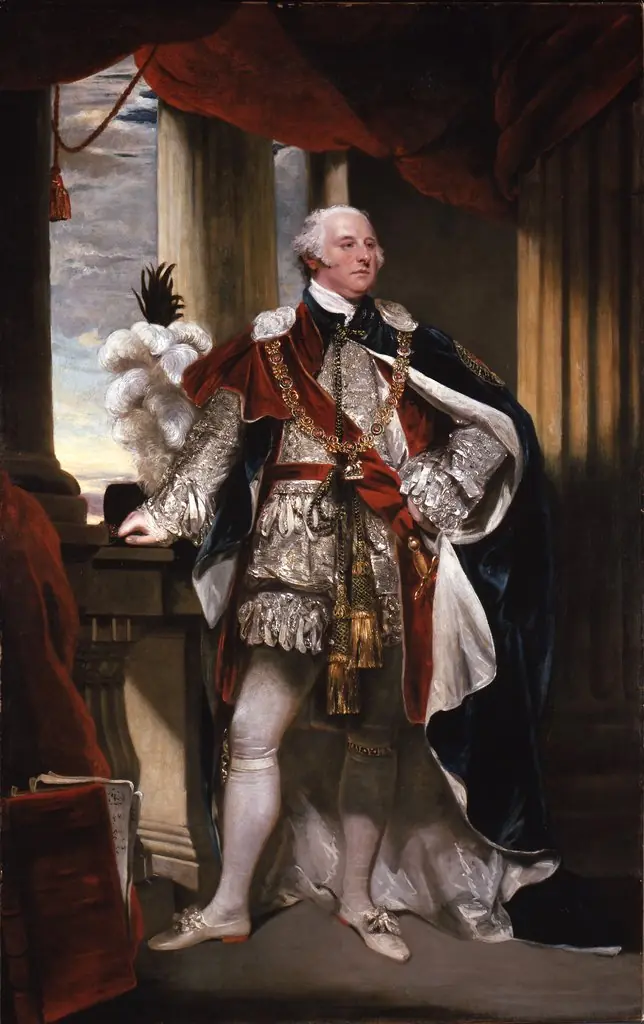 John Jeffreys Pratt, Second Earl and First Marquis Camden as Knight of the Order of the Garter
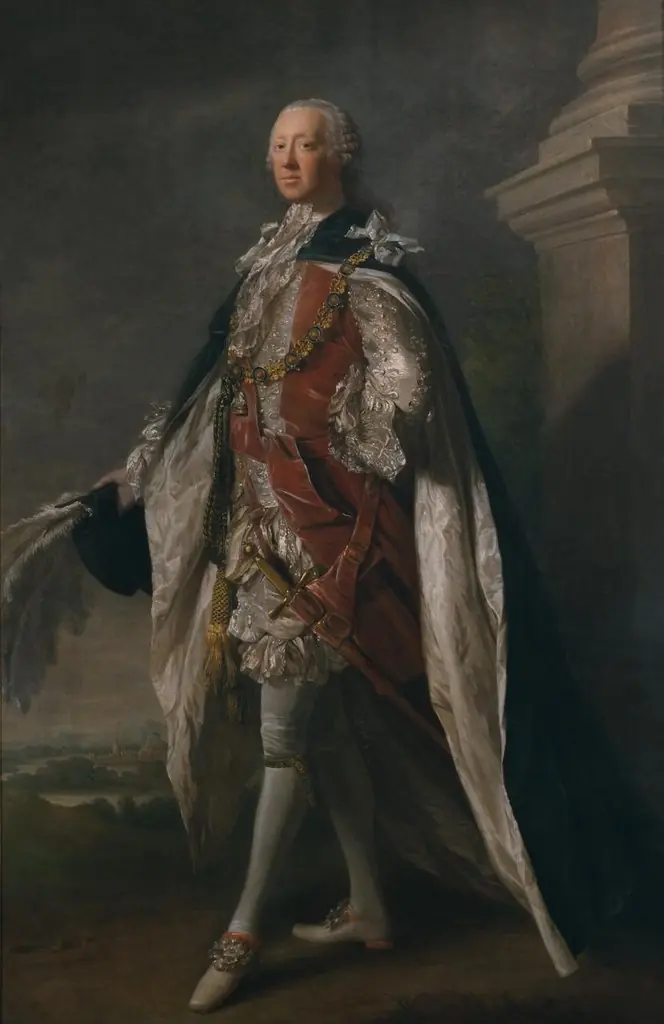 Richard Grenville, 2nd Earl Temple
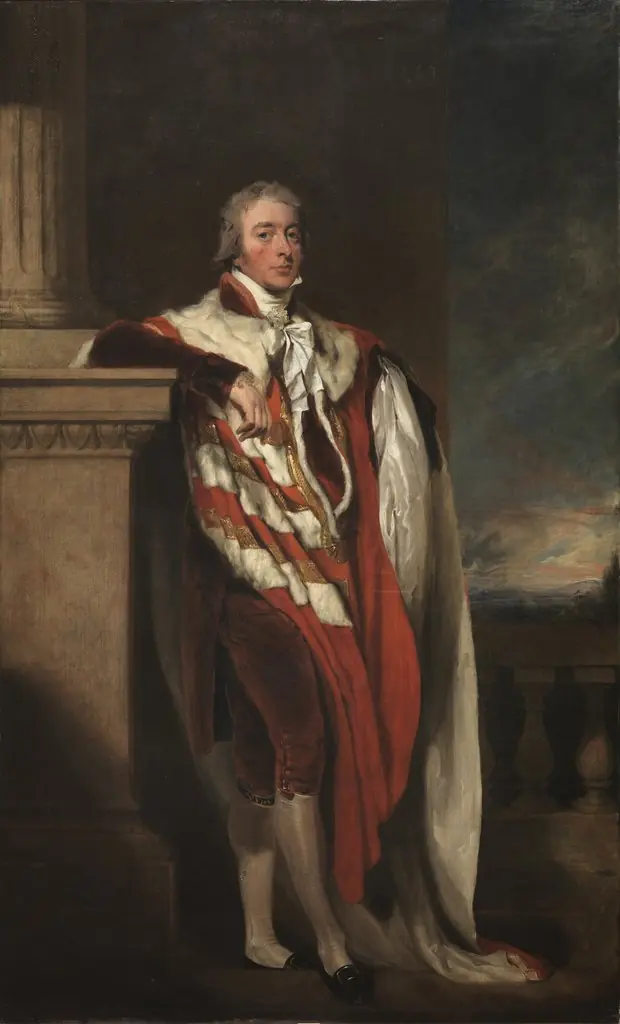 John Fane, 10th Earl of Westmoreland
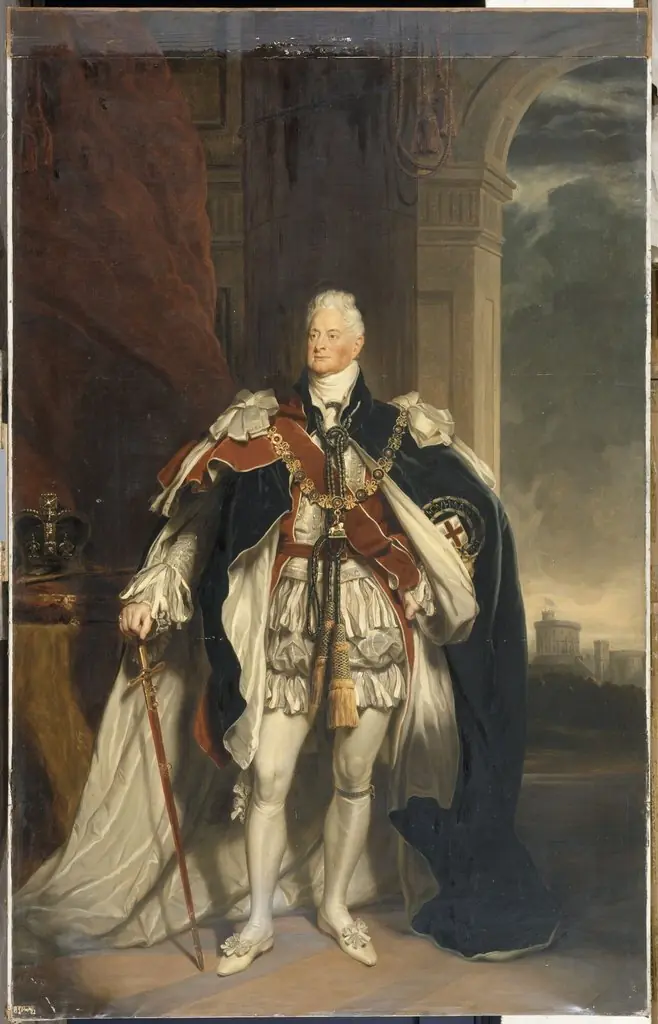 William IV, King of England (1765–1837)
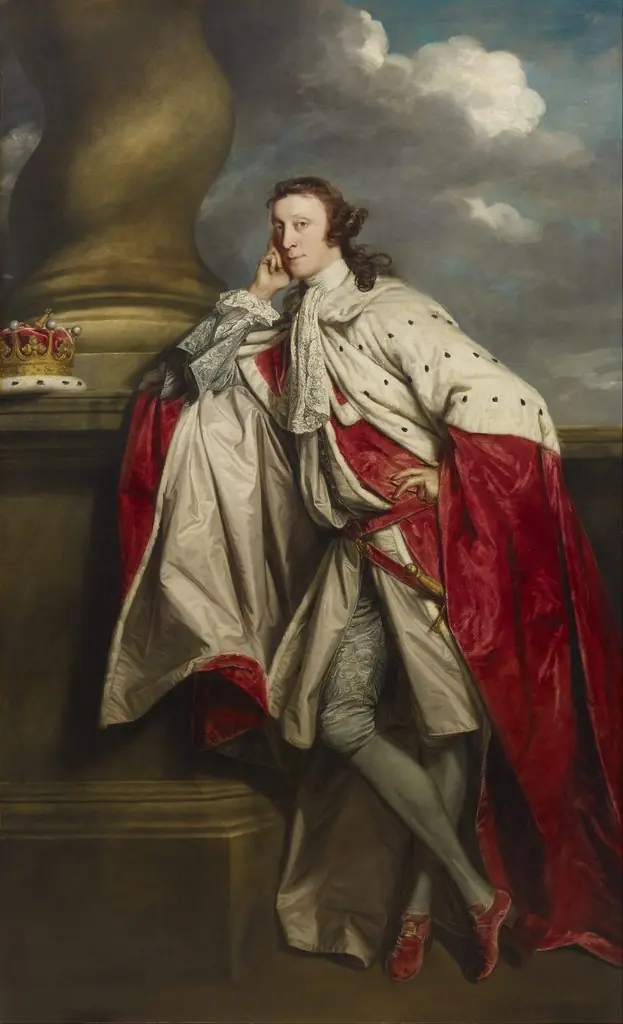 James Maitland, 7th Earl of Lauderdale
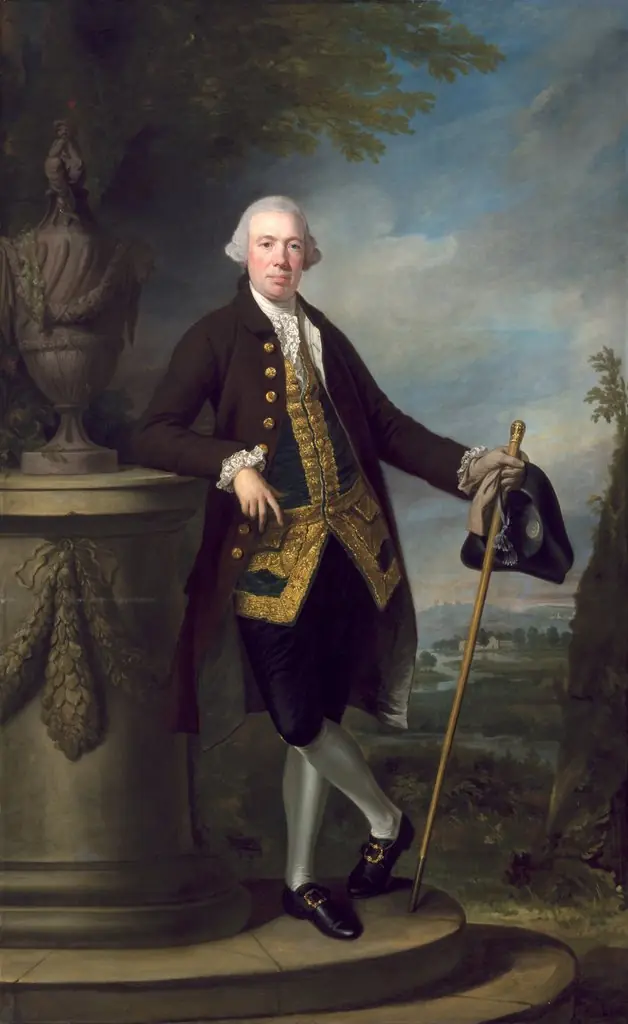 William Denison
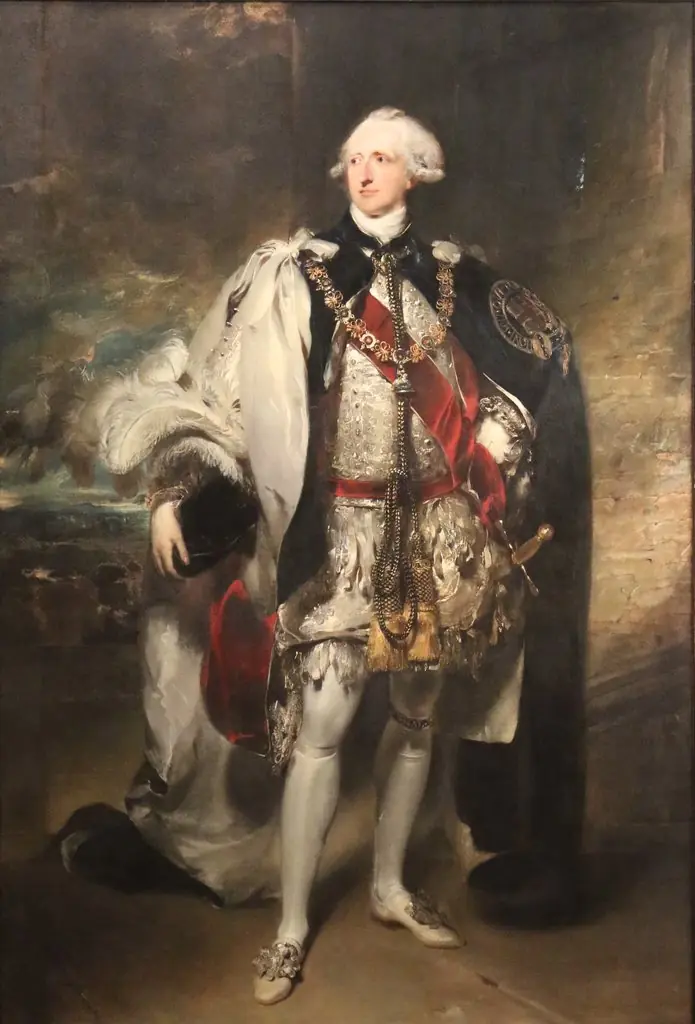 Francis Osborne, 5th Duke of Leeds
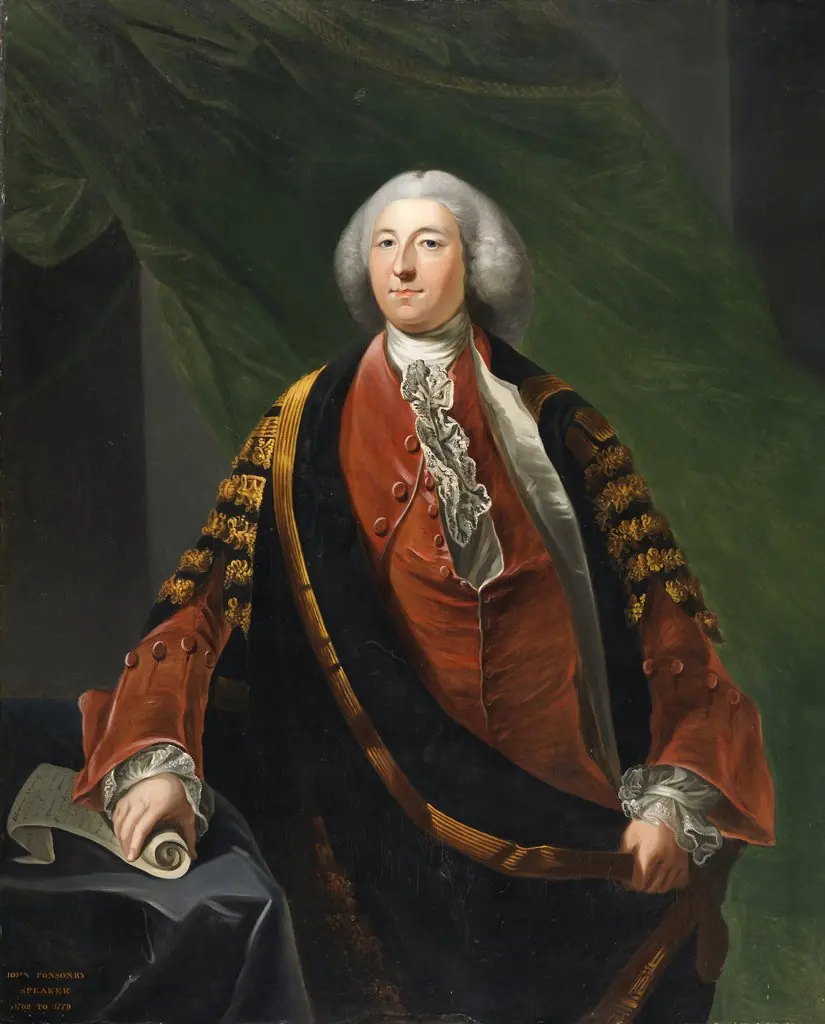 John Ponsonby (1713-1789), Speaker
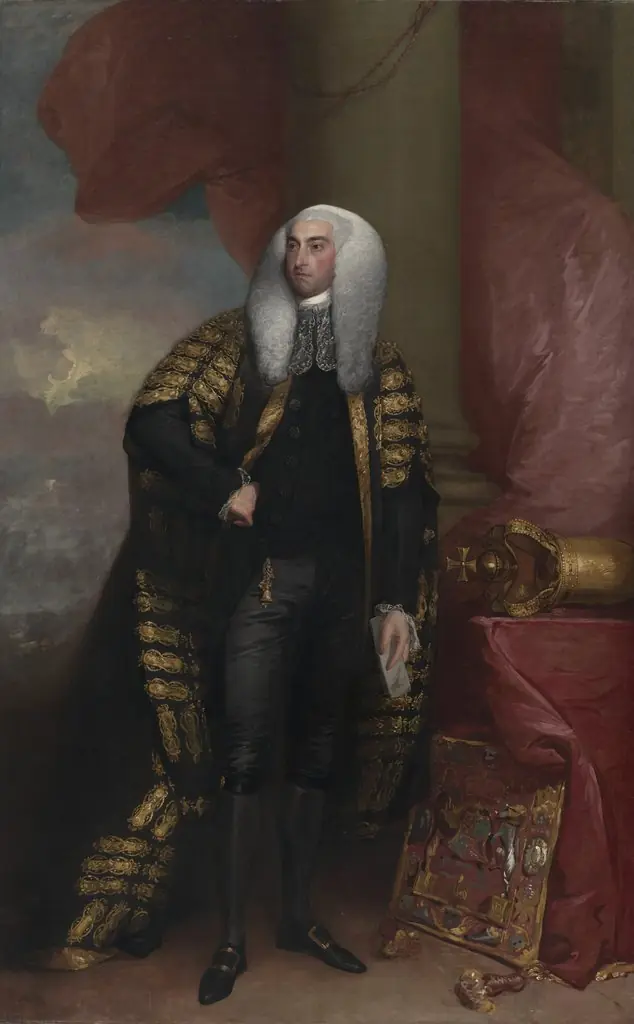 Baron FitzGibbon
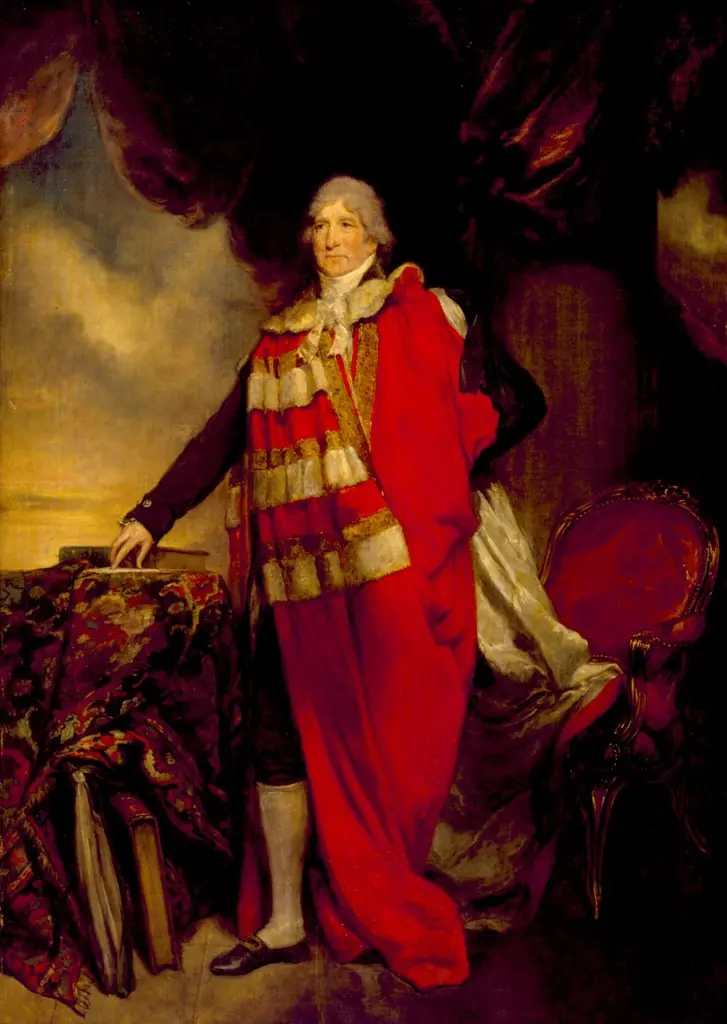 James Duff, 2nd Earl Fife
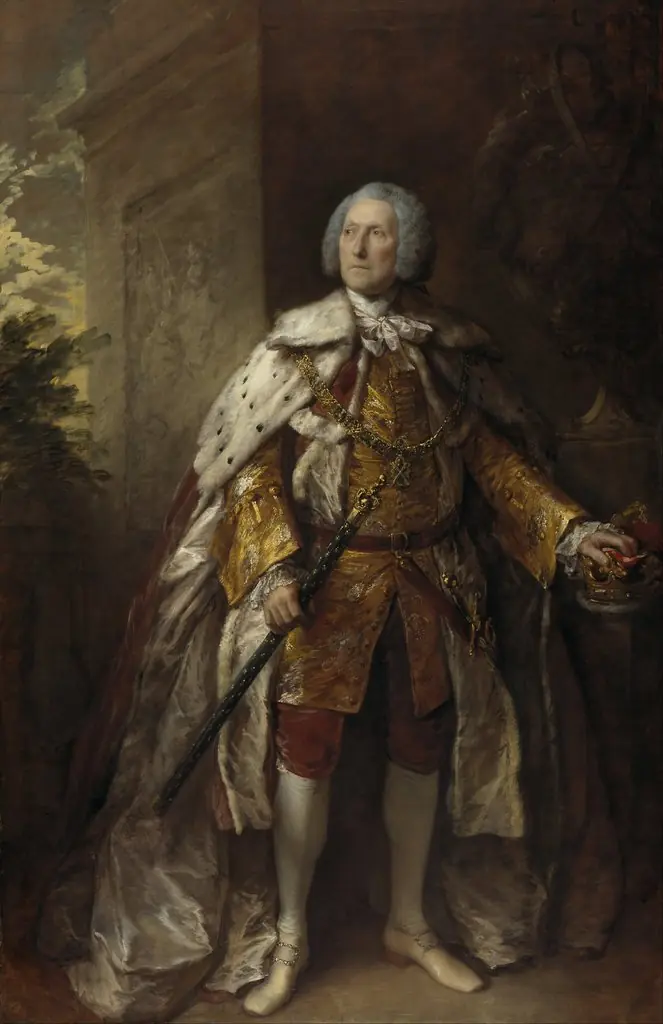 John Campbell, 4th Duke of Argyll
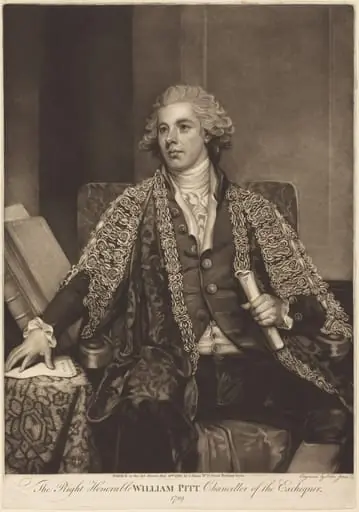 William Pitt