Artwork
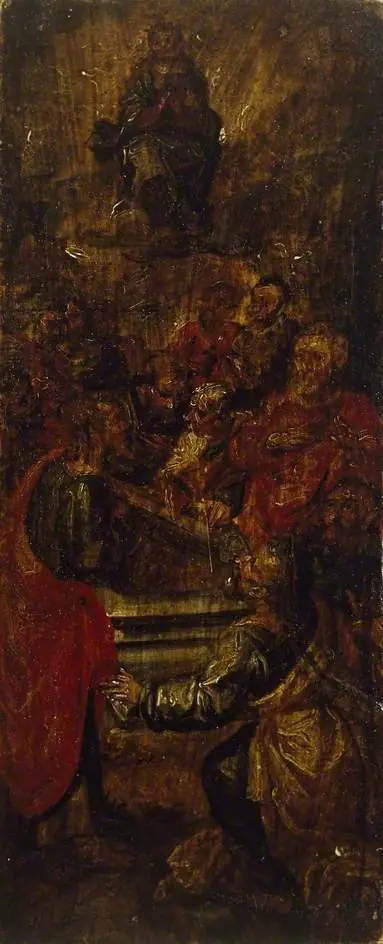
Sketch for 'Christ's Appearance to the two Disciples journeying to Emmaus'
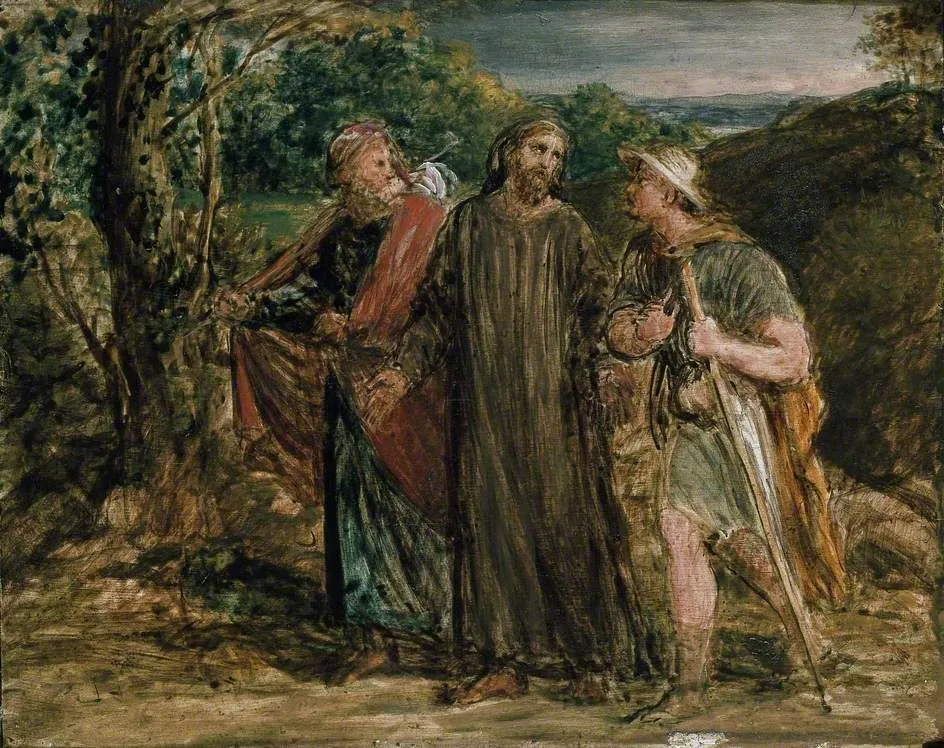
Sketch for 'Christ's Appearance to the two Disciples journeying to Emmaus' is a tempera painting by John Linnell. It dates from 1842 and is held in the collection of the Ashmolean Museum.
About this work
Overview
Created around 1842, this tempera sketch by John Linnell is a preparatory study for a larger religious composition.
Created around 1842, this tempera sketch by John Linnell is a preparatory study for a larger religious composition. It depicts the biblical moment when Christ reveals himself to two disciples on the road to Emmaus. The use of tempera, a medium more typical of earlier centuries, reflects Linnell’s deliberate return to pre-Renaissance techniques, distinguishing his work from the oil-dominated practices of his contemporaries.
Subject & Meaning
The scene illustrates Luke 24:13–32, where the resurrected Christ, unrecognized by his followers, walks with them and later reveals his identity during a meal. Linnell focuses on the moment of recognition, emphasizing quiet revelation over dramatic spectacle. The central figure’s serene posture and the disciples’ attentive expressions convey spiritual awakening, aligning with Linnell’s interest in intimate, contemplative religious narratives.
Technique & Style
Linnell employed tempera, a fast-drying medium of pigment mixed with egg yolk, to achieve fine detail and luminous color. His brushwork is precise, with careful modeling of forms and restrained tonality. The composition, with figures arranged symmetrically against a sparse landscape of trees and water, echoes Northern Renaissance prototypes, particularly in its clarity and devotional gravity, contrasting with the atmospheric style of his peers.
History & Provenance
The sketch is part of a series of religious works Linnell produced in the 1840s, informed by his deep study of Albrecht Dürer and other early Northern artists. It remained in his possession until his death and later entered the Ashmolean Museum’s collection, where it is preserved as a testament to his engagement with sacred themes outside the mainstream of Victorian art. Its survival as a study highlights Linnell’s methodical approach to composition.
Context
Linnell worked in a period when religious painting was often sidelined in favor of landscape and genre scenes. His commitment to biblical subjects, alongside his friendships with William Blake and Samuel Palmer, placed him within a small circle of artists seeking spiritual depth in art. His rejection of contemporary oil techniques in favor of tempera marked a conscious revivalism, aligning him with broader antiquarian interests in early art traditions.
Legacy
Though not widely exhibited during his lifetime, Linnell’s tempera sketches like this one influenced later generations interested in reviving pre-modern techniques. His work stands as a quiet counterpoint to the dominant trends of 19th-century British art, preserving a link between medieval devotional practices and Victorian spiritual inquiry. The Ashmolean’s holding ensures its continued role in understanding the niche but persistent revival of early methods in modern art.
Artist & collection
Artist
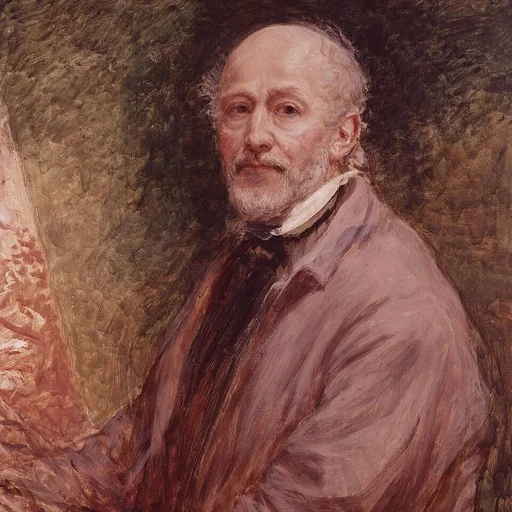
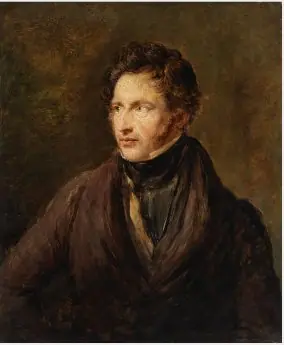
John Linnell (16 June 1792 – 20 January 1882) was an English engraver, portrait painter, and landscape painter.

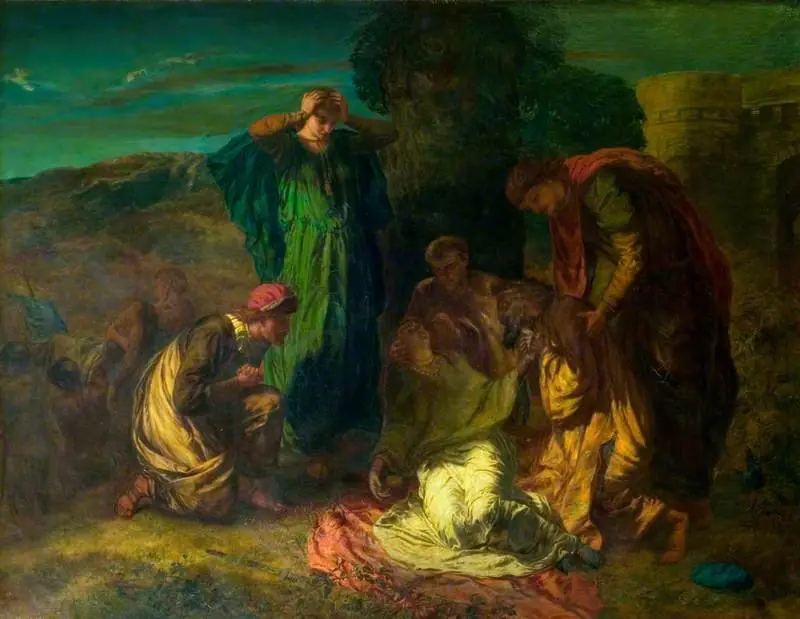 The Death of Cordelia (from William Shakespeare's 'King Lear')
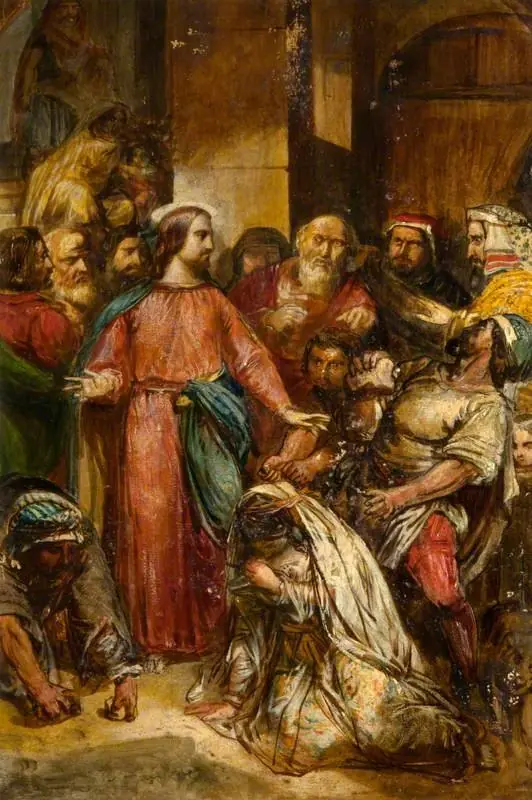 Christ and the Woman Taken in Adultery
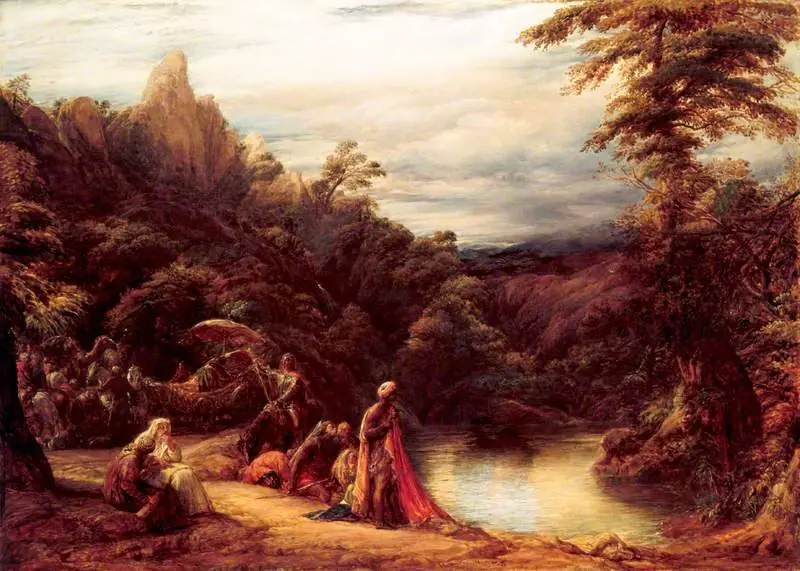 Halt by the Jordan
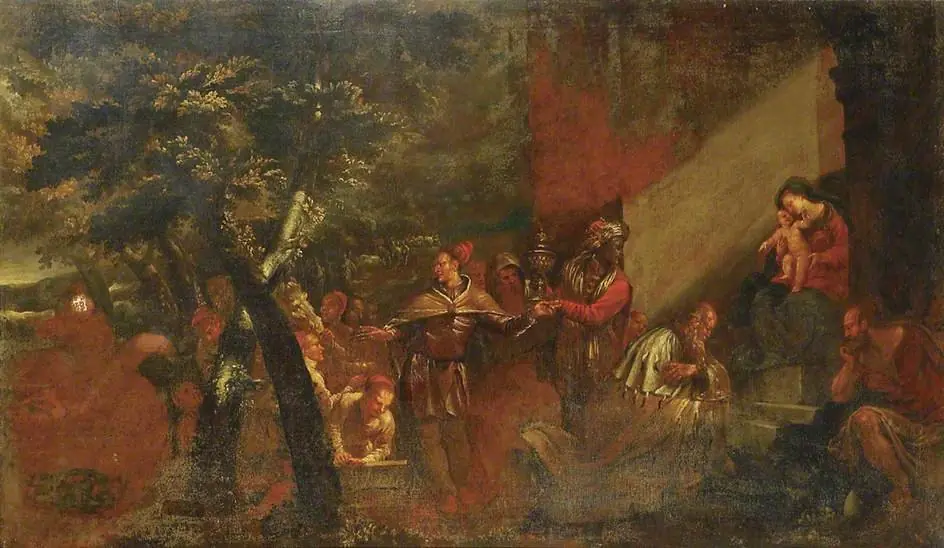 The Adoration of the Magi
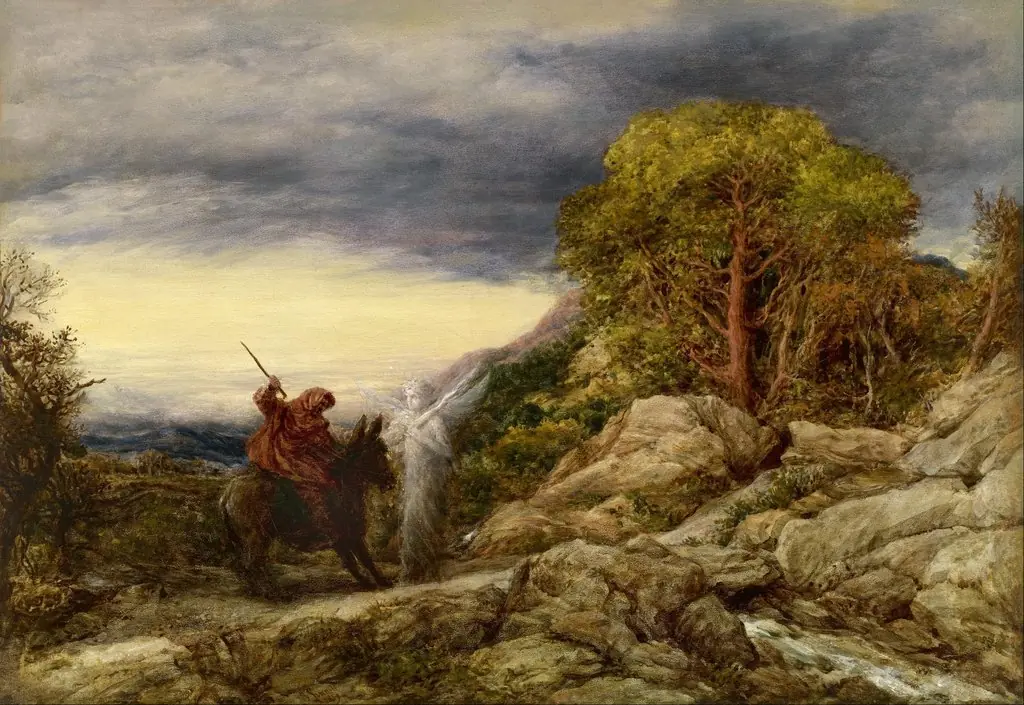 The Prophet Balaam and the Angel
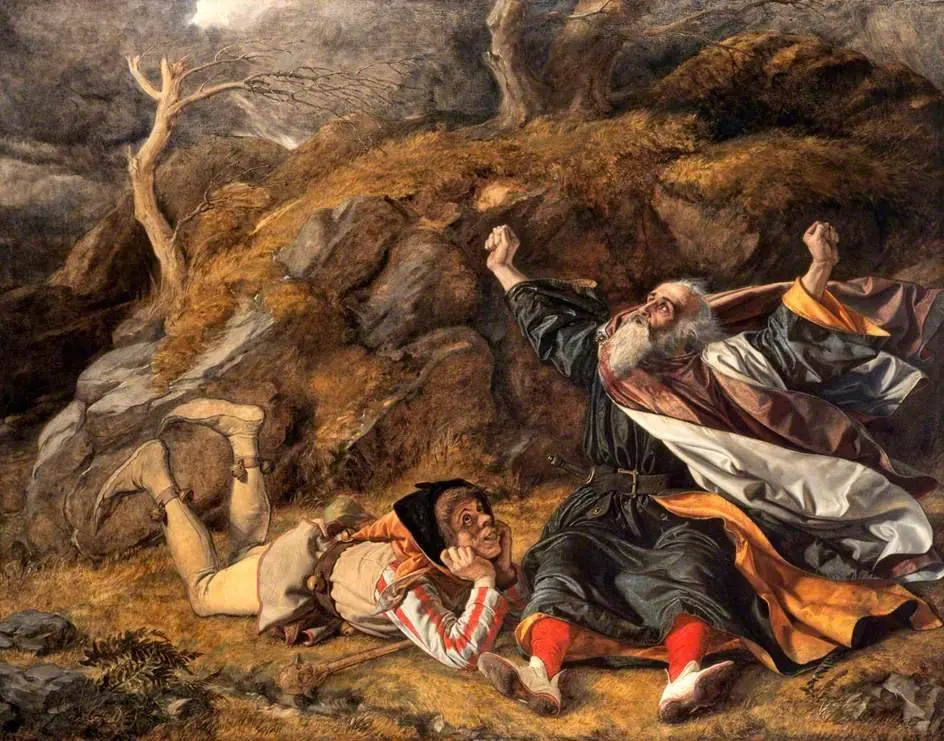 King Lear and the Fool in the Storm
 Alchemist Sendivogius and Sigismund III, sketch
 The Three Philosophers
 The Temptation of Our Lord