Artwork
Day Dreams
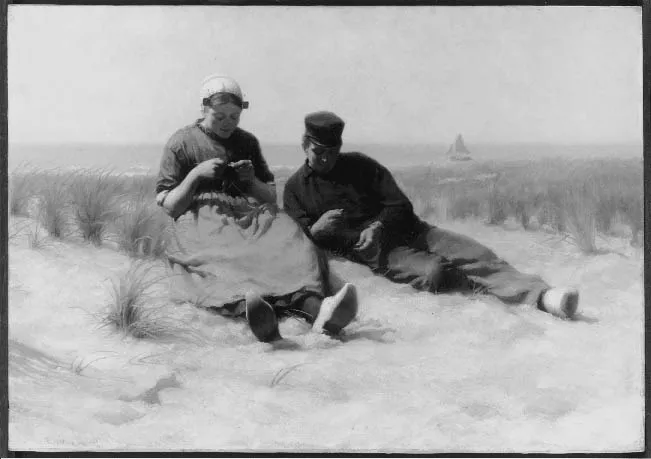
Day Dreams is an oil painting by the Impressionist artist William Edward Norton. It dates from 1896 and is held in the collection of the Museum of Fine Arts Boston.
About this work
Overview
Painted in 1896 by William Edward Norton, Day Dreams is an oil-on-canvas work currently in the collection of the Museum of Fine Arts, Boston.
Painted in 1896 by William Edward Norton, Day Dreams is an oil-on-canvas work currently in the collection of the Museum of Fine Arts, Boston. It presents a quiet moment on a coastal shore, capturing two figures in stillness amid natural surroundings. The composition emphasizes tranquility through restrained movement and muted tones, reflecting Norton’s interest in intimate, contemplative scenes rendered with careful attention to light and texture.
Subject & Meaning
Two figures, a woman and a man, sit side by side on a windswept beach, engaged in a silent, unspoken exchange. The woman holds an object in her hands, while the man gazes toward her, suggesting a moment of shared thought rather than dialogue. Their attire—dark clothing and a head covering—hints at modesty and routine, grounding the scene in everyday life. The painting evokes introspection, inviting viewers to consider the quiet emotional currents between individuals in solitude.
Technique & Style
Norton employed traditional oil painting methods to build subtle layers of color and texture, particularly in the rendering of grasses and fabric. Soft transitions between light and shadow, achieved through glazing, enhance the atmospheric calm. The palette is restrained—earthy ochres, muted grays, and pale blues—reinforcing the scene’s serenity. Brushwork remains unobtrusive, prioritizing harmony over dramatic expression, aligning with late 19th-century tendencies toward quiet realism.
History & Provenance
Created in 1896, Day Dreams entered the Museum of Fine Arts, Boston’s collection shortly after its completion. Norton, a British artist active in the late Victorian period, exhibited regularly in London and maintained connections with British and American collectors. The painting’s early acquisition by the MFA suggests it was recognized for its technical refinement and emotional restraint, qualities valued by institutions seeking domesticated, non-sensational imagery.
Context
In the late 1890s, British and American art saw a resurgence of interest in domestic and rural scenes, often infused with moral or emotional subtlety. Norton’s work aligns with this trend, contrasting with the more theatrical or symbolic subjects favored by contemporaries. The painting’s focus on stillness and private interaction reflects broader cultural ideals of quiet virtue and the sanctity of everyday moments, particularly among the middle class.
Legacy
Though not widely reproduced or celebrated in major art historical narratives, Day Dreams remains a representative example of Norton’s commitment to understated realism. Its presence in a major American museum underscores its role as a quiet artifact of late Victorian sensibility. The work continues to be studied for its technical discipline and its evocation of unspoken human connection, offering a counterpoint to more overtly dramatic works of the era.
Artist & collection


 Cusătorese
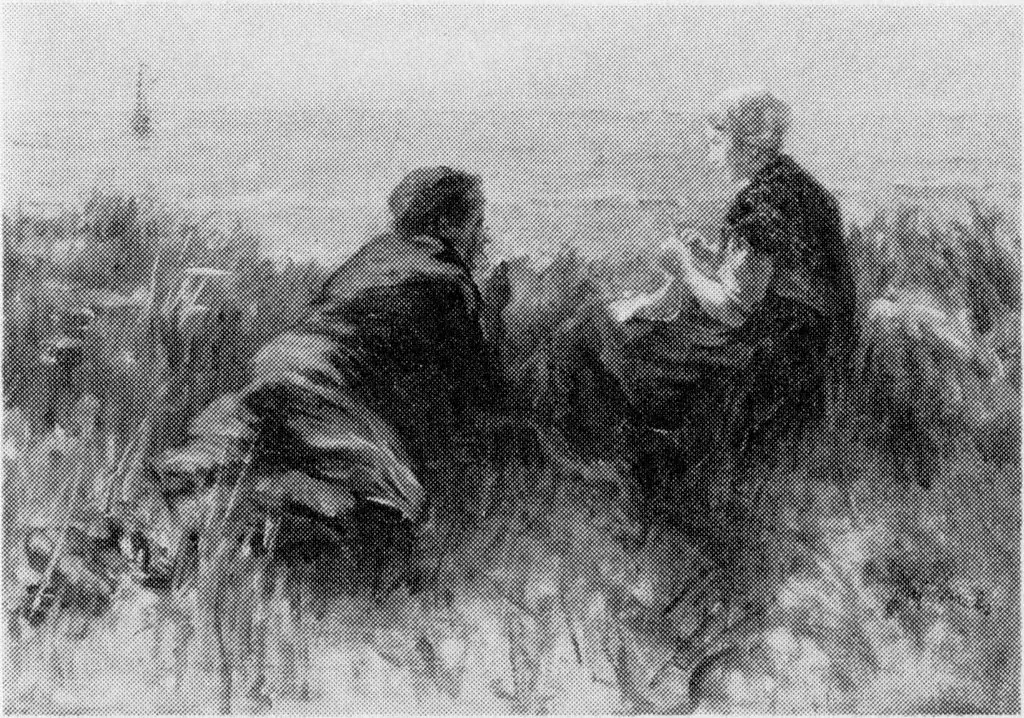 Een jongen en een meisje op een duintop.
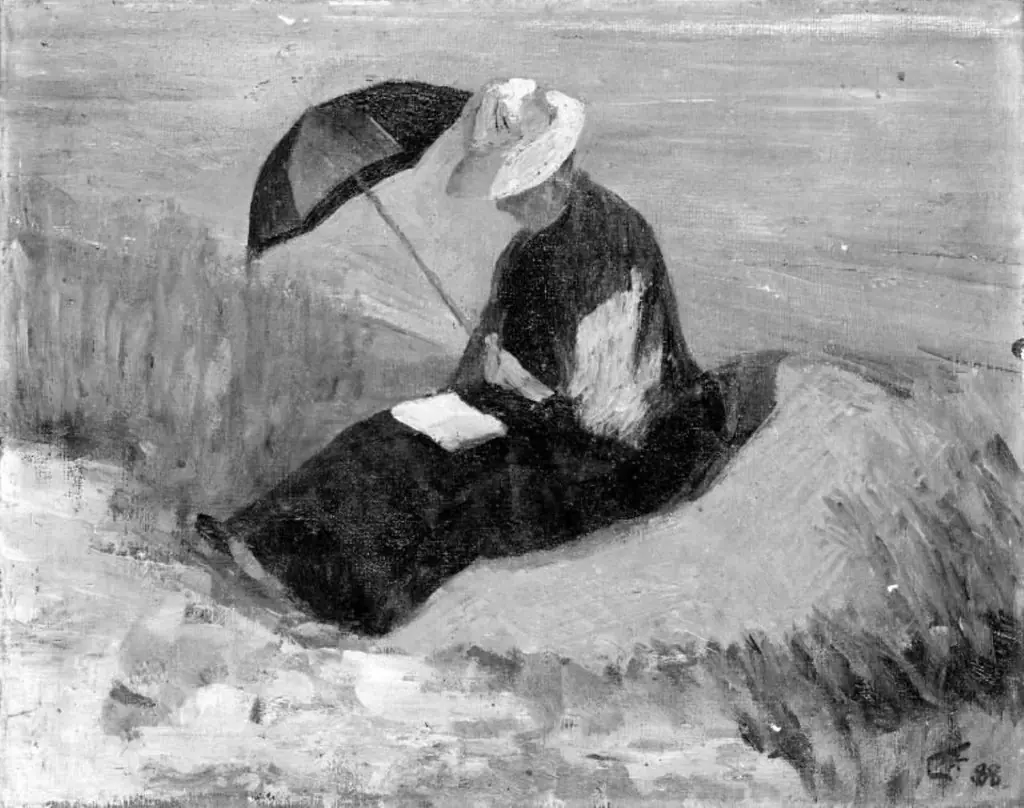 My Mother Reading on the Beach
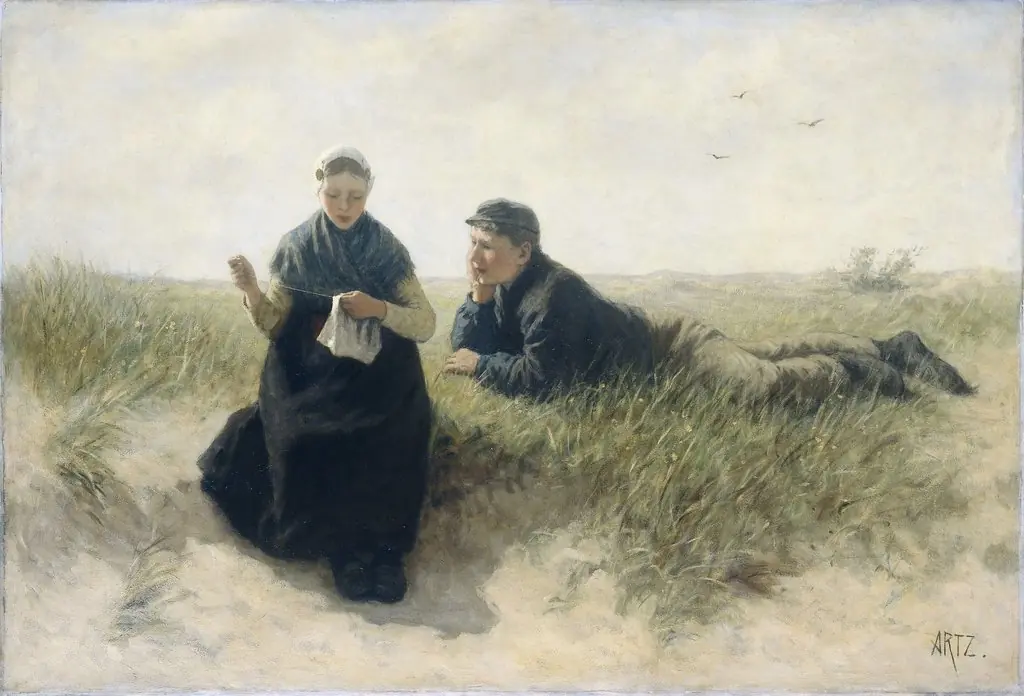 Boy and Girl in the Dunes
 My Mother Reading on the Beach
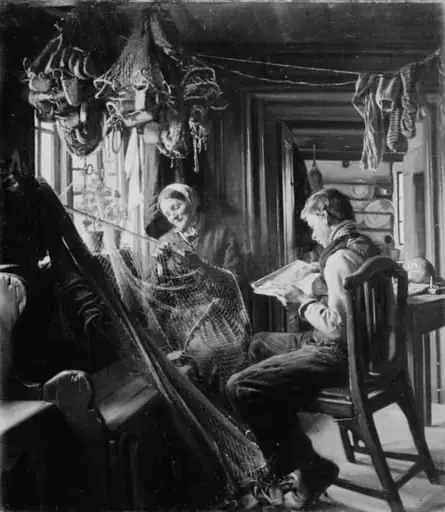 Moder og søn. Interiør fra et fiskerhus
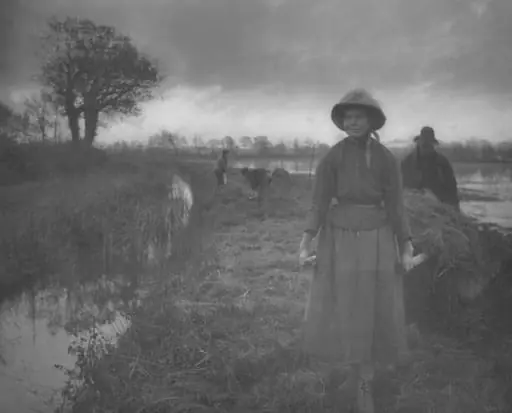 Poling the Marsh Hay
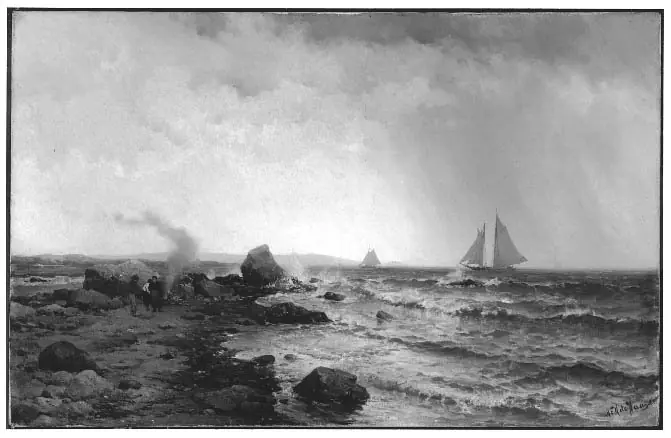 A Summer Shower
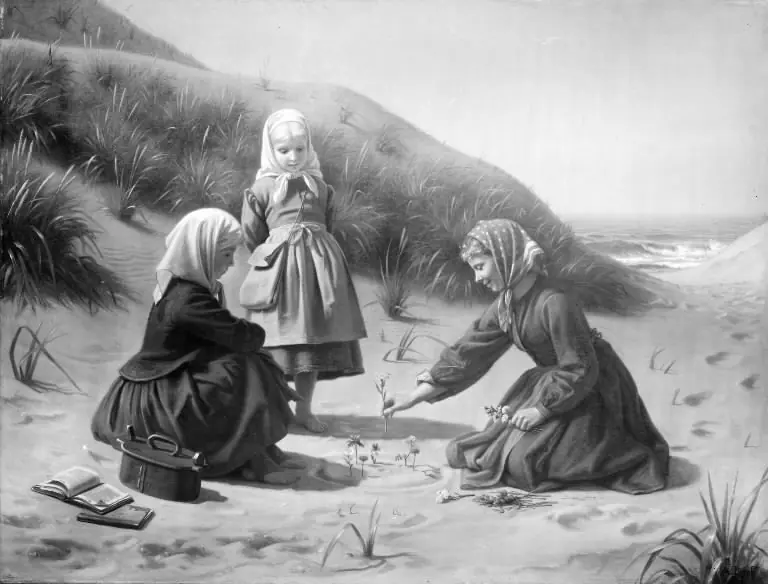 Småpiger som leger i klitterne på vej hjem fra skole
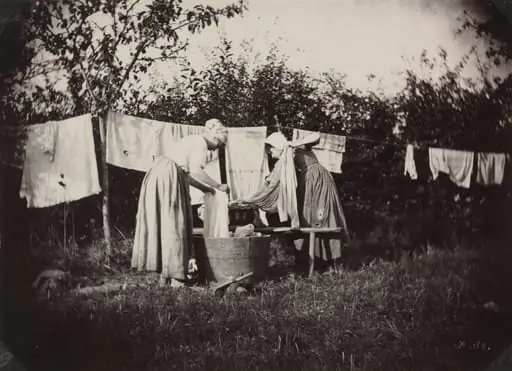 Two Female Peasants Standing, Doing Laundry
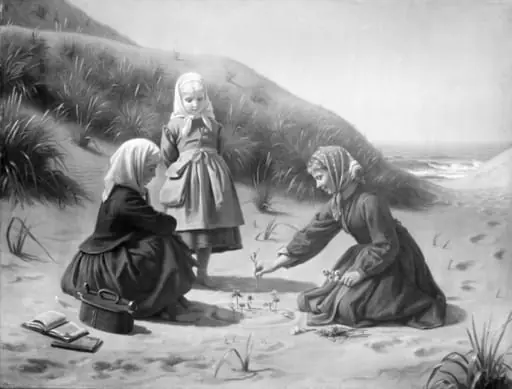 Småpiger som leger i klitterne på vej hjem fra skole
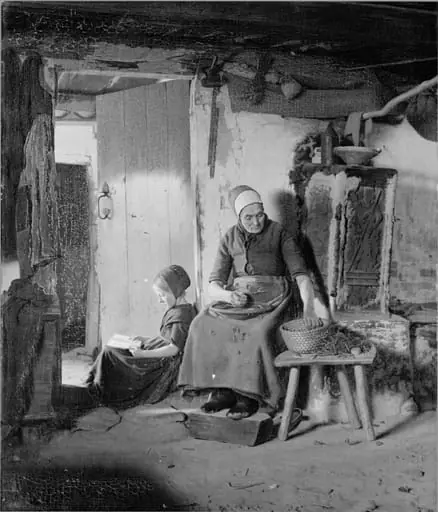 Domestic Scene in a Poor Peasant's Living-Room