Artwork
View of the John Hancock House
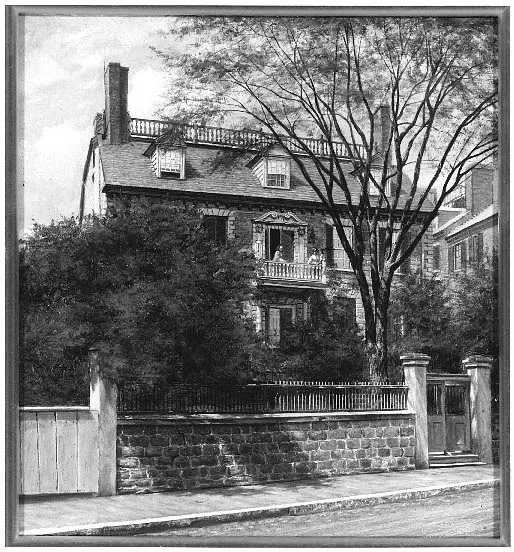
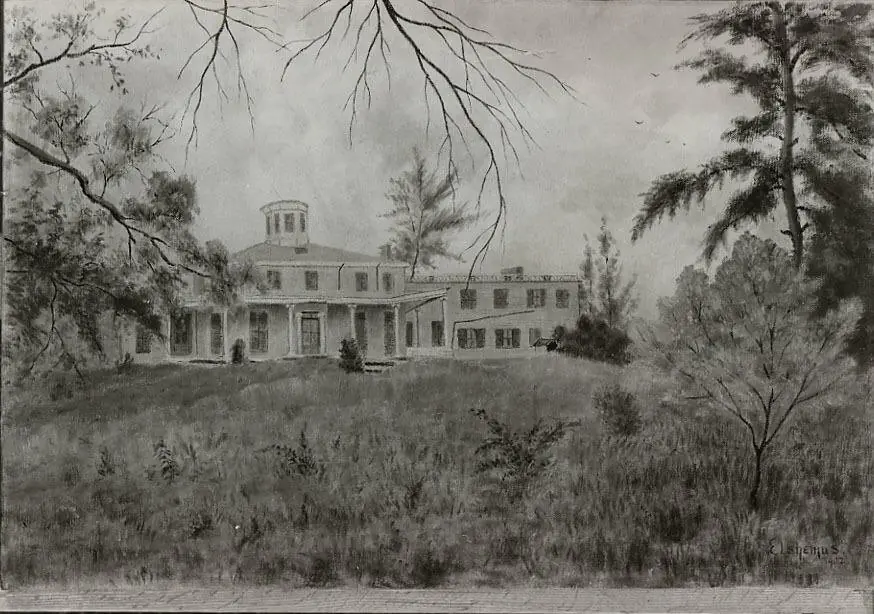
View of the John Hancock House is an unspecified painting by the Hudson River School artist William Edward Norton. It dates from 1867 and is held in the collection of the Museum of Fine Arts Boston.
About this work
Overview
Painted in 1867 by William Edward Norton, this work captures the John Hancock House in Boston, a residence tied to one of the city’s most prominent families.
Painted in 1867 by William Edward Norton, this work captures the John Hancock House in Boston, a residence tied to one of the city’s most prominent families. The scene is rendered with careful attention to architectural detail and natural surroundings, presenting the building not as a monument but as a lived-in structure embedded within its landscape. The painting is part of the Museum of Fine Arts, Boston’s collection.
Subject & Meaning
The John Hancock House, once home to the revolutionary leader and merchant, is depicted in quiet repose, stripped of overt symbolism. Norton focuses on its physical presence—its stone walls, balanced proportions, and mature landscaping—suggesting continuity rather than drama. The absence of figures emphasizes the building’s endurance, framing it as a quiet witness to Boston’s evolving urban fabric.
Technique & Style
Norton employs subtle chiaroscuro to model the house’s surfaces, using light to define the texture of brick, the depth of shadows beneath the balcony, and the volume of the chimney. The trees and shrubs are rendered with loose, atmospheric brushwork, contrasting with the precise lines of the architecture. This interplay enhances spatial depth without romanticizing the scene.
History & Provenance
The painting was completed shortly after the house’s ownership passed from the Hancock family to other Boston elites. Norton, known for topographical accuracy, likely painted it from direct observation. It entered the Museum of Fine Arts, Boston’s collection in the late 19th century, where it has remained as part of its regional art holdings, reflecting 19th-century interest in domestic architecture.
Context
In the decades following the Civil War, American artists increasingly turned to local subjects, documenting the built environment as a reflection of social stability. Norton’s depiction aligns with this trend, offering a restrained view of a historic residence amid growing urbanization. The painting avoids nostalgia, instead presenting the house as a quiet fixture in a changing city.
Legacy
Though not widely exhibited outside Boston, the painting remains a documented example of mid-19th-century American architectural portraiture. Its value lies in its fidelity to detail and its unembellished tone, offering scholars insight into how historic homes were visually recorded during a period of national redefinition. It continues to inform studies of Boston’s domestic heritage.
Artist & collection

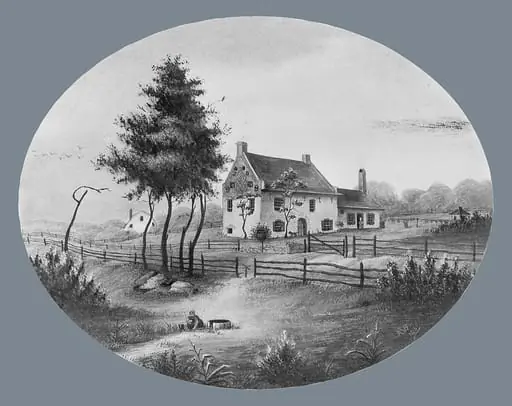 Vechte House at Gowannus, Brooklyn, New York
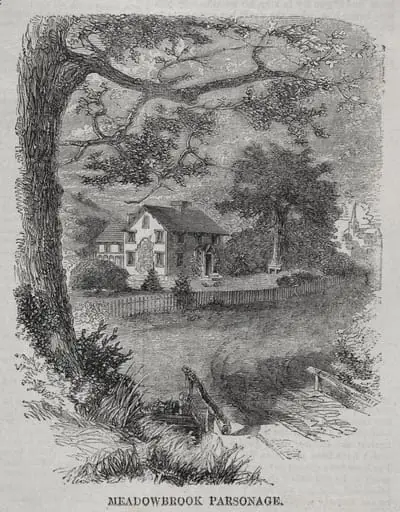 Meadowbrook Parsonage
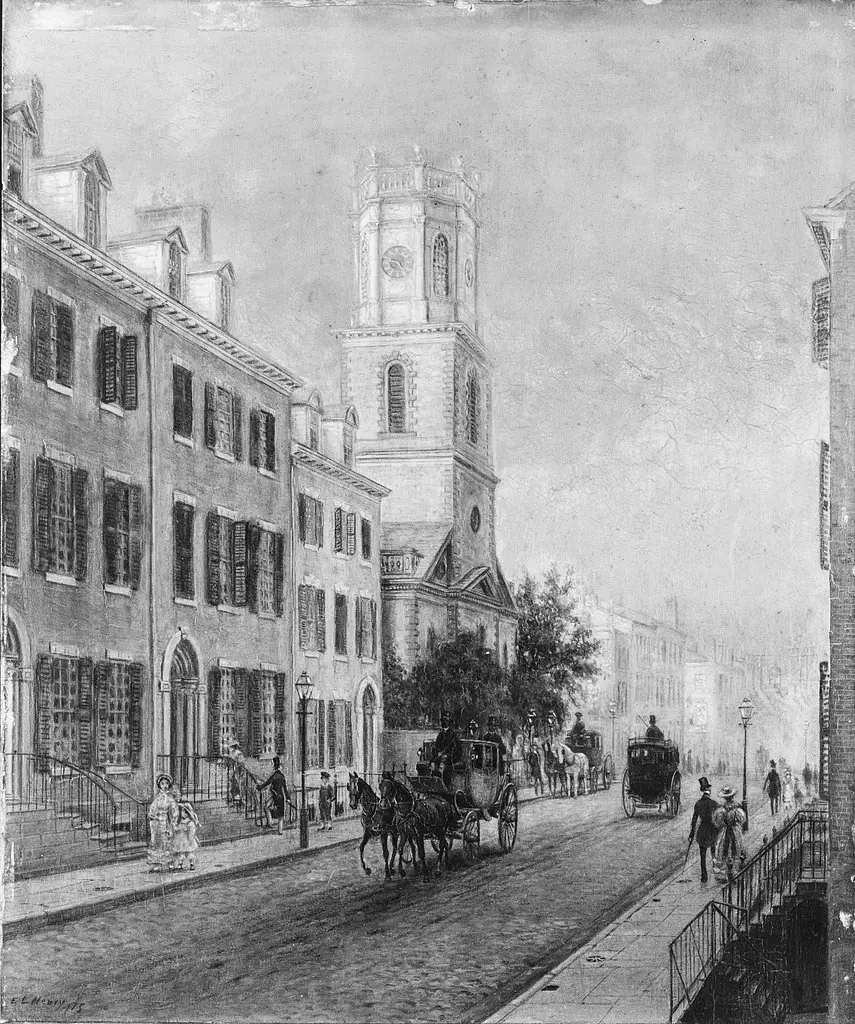 Saint George's Church, New York
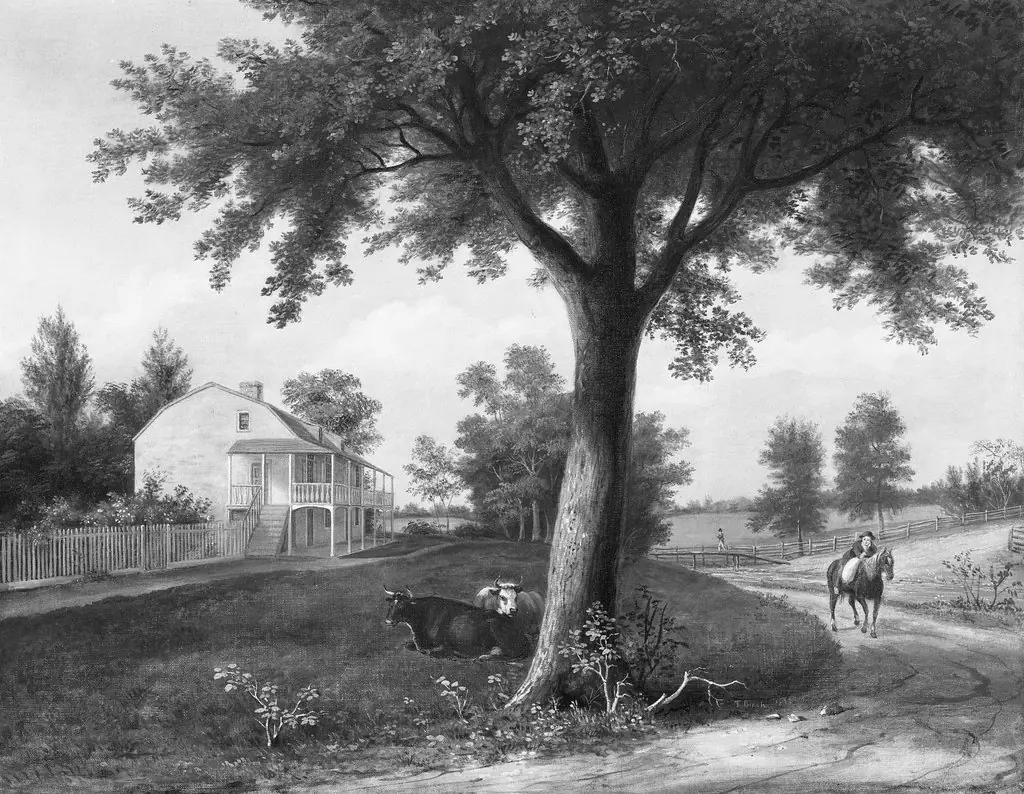 Milford, North Wales, Pennsylvania
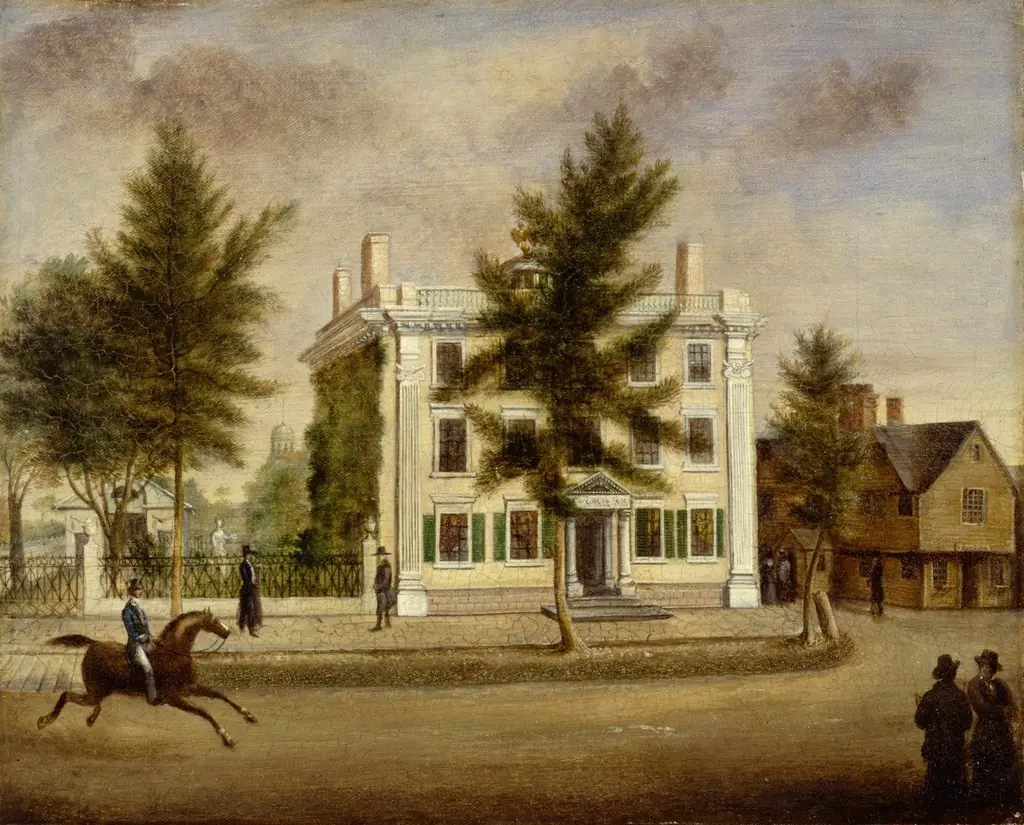 Pickman-Derby House, 70 Washington Street, Salem, Massachusetts
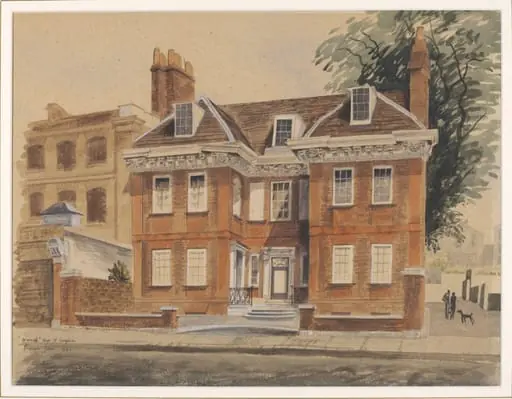 "Wrencote," High Street, Croydon
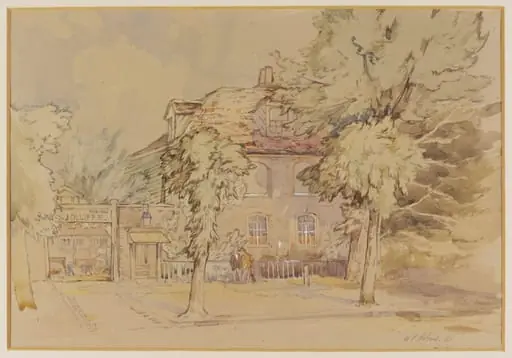 Elm Hall, Wanstead
 Birthplace of the Artist
 H Beard Print Collection
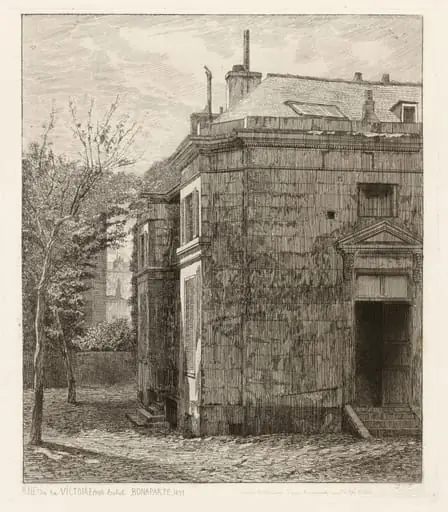 Rue de la Victoire (70). Hôtel Bonaparte
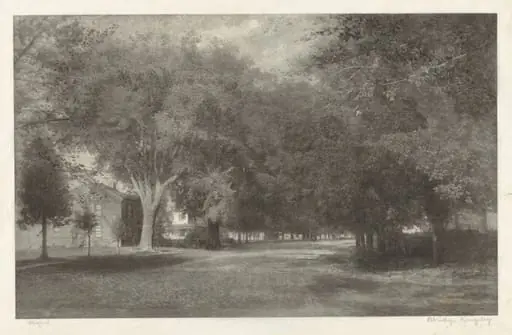 New England Elms
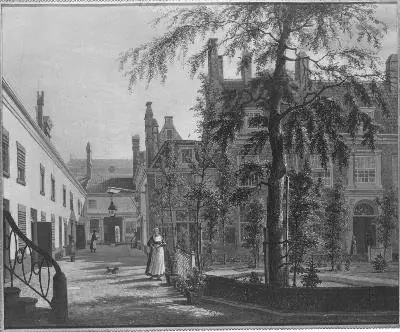 The Leprozenhuis ('lazar house') in Amsterdam as seen from the big courtyard; to the left the roof of the Portuguese Synagogue