Artwork
Dorothea
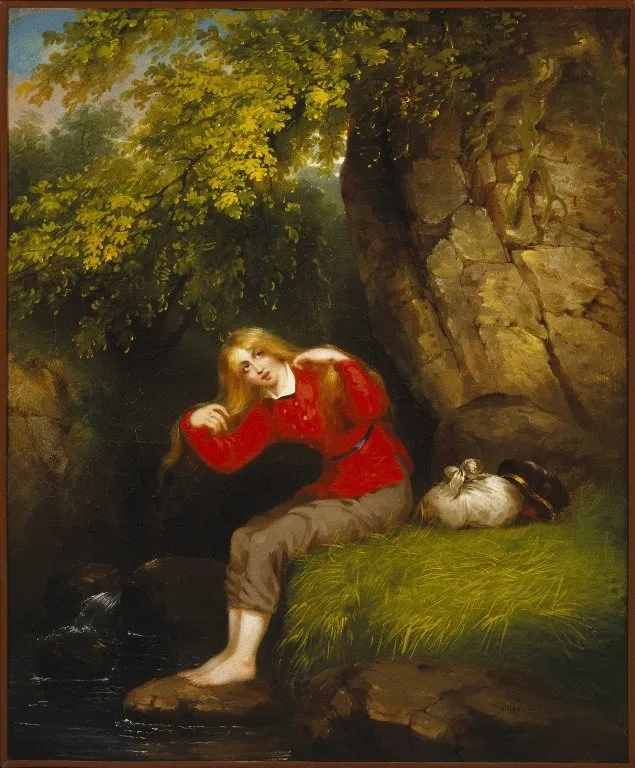
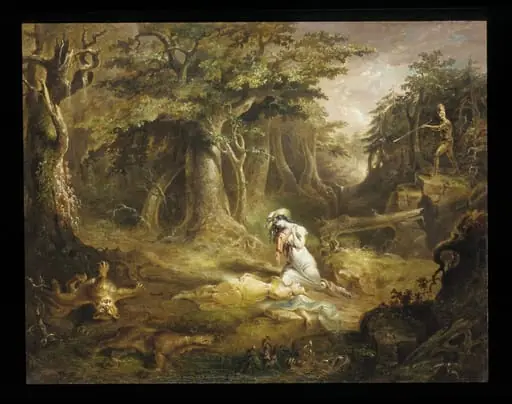
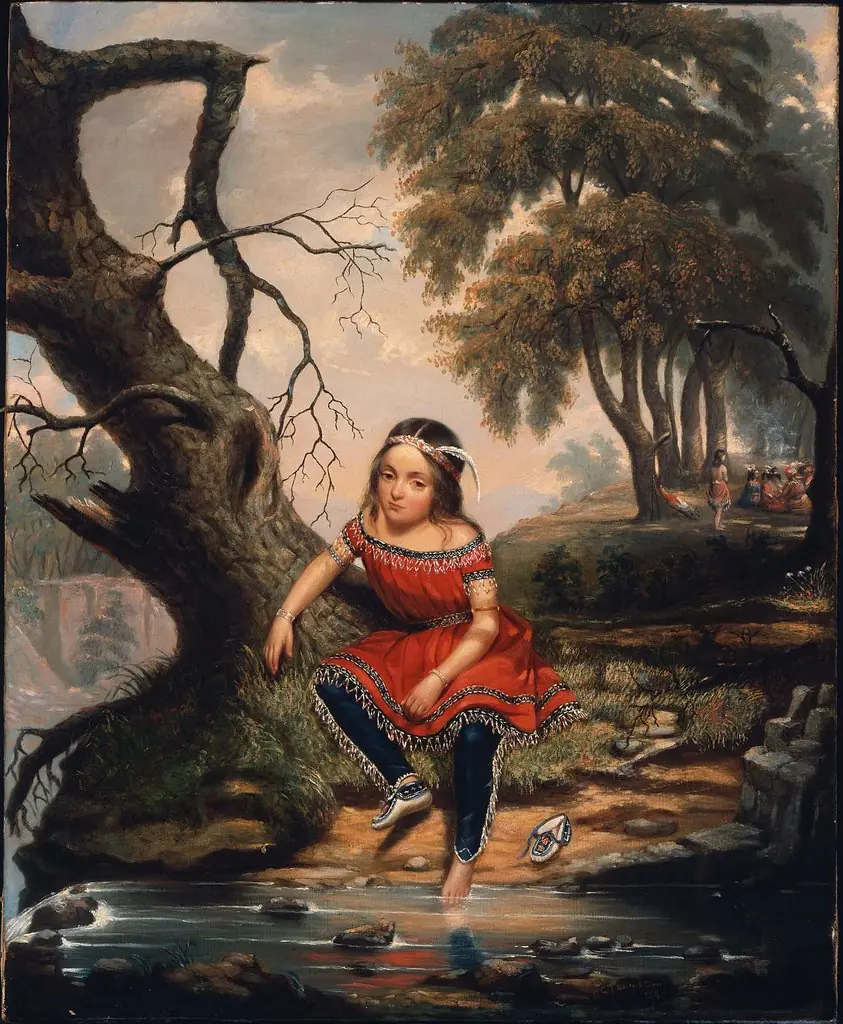
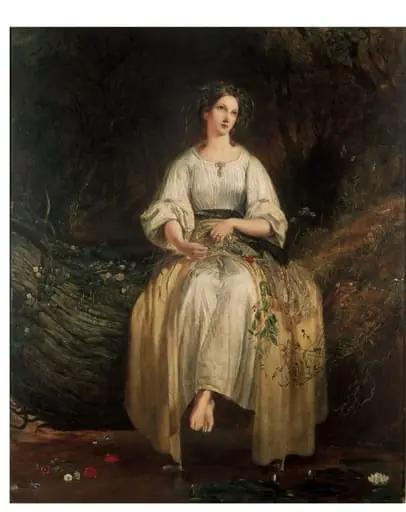
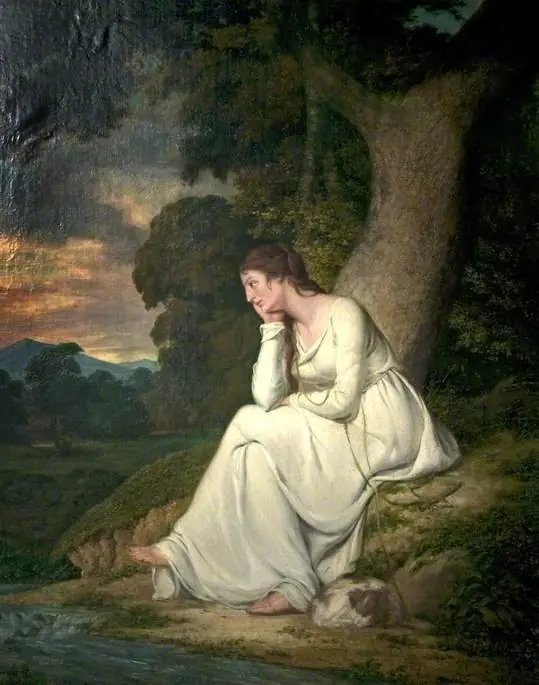
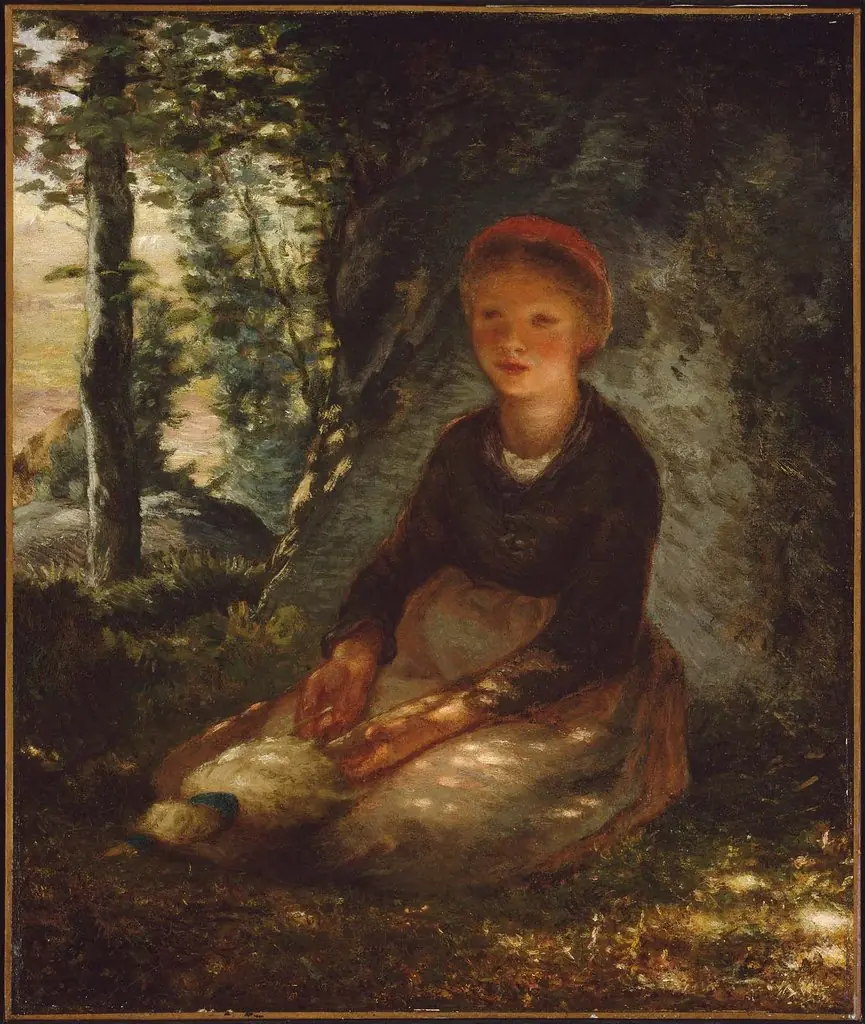
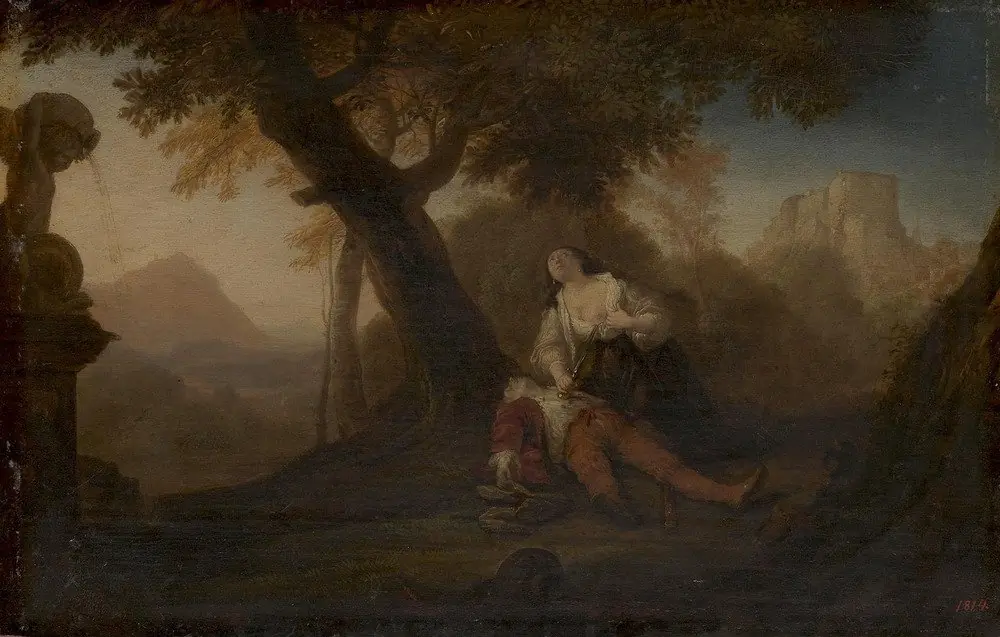
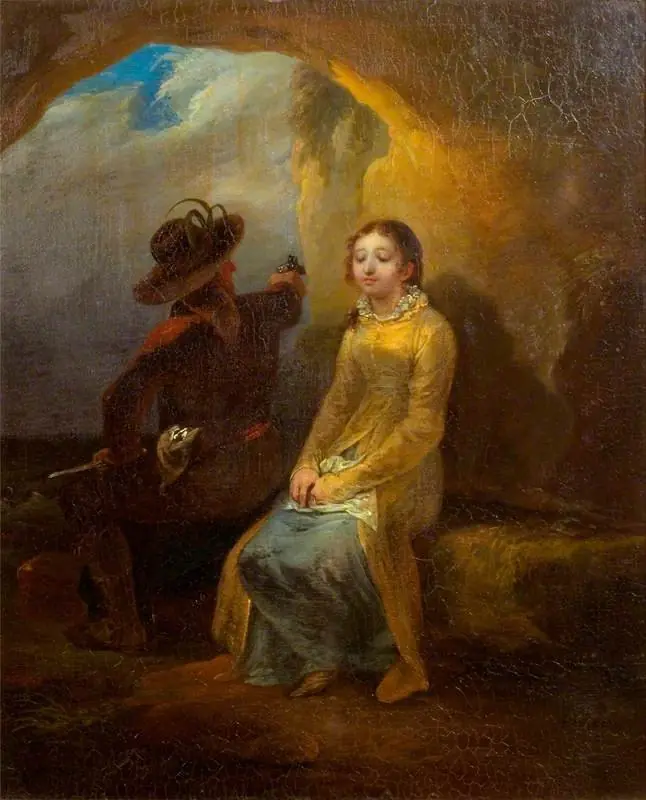
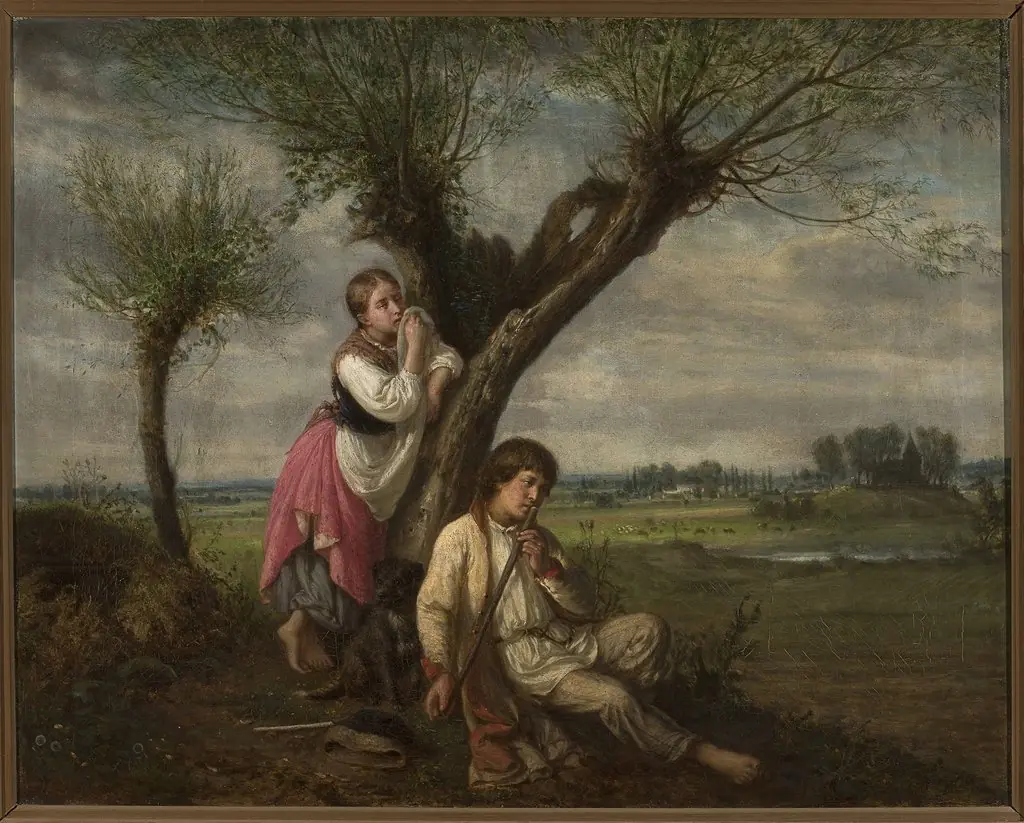
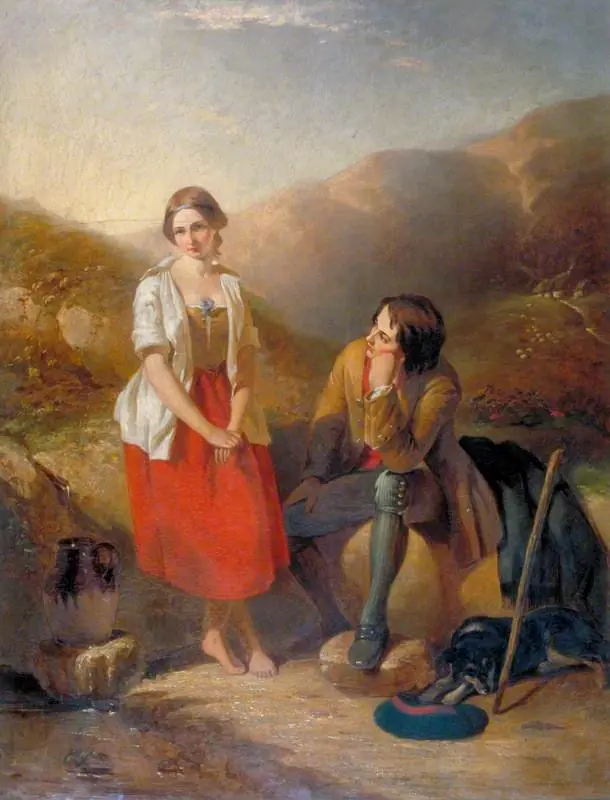
Dorothea is an oil painting by the American Folk Art artist John Quidor. It dates from 1823 and is held in the collection of the Brooklyn Museum.
About this work
Overview
Dorothea is an 1823 oil painting by American folk artist John Quidor, characterized by a serene depiction of a young woman in a natural setting.
Subject & Meaning
The subject, a calm young woman with blonde hair, sits by a stream, engaged in the intimate act of brushing her hair. Her tranquil expression and the warm, peaceful atmosphere suggest a moment of contemplation or solitude, though the specific inspiration—possibly literary or historical—remains unspecified.
Technique & Style
Painted in oil, the work blends American folk art traditions with influences from English narrative and satirical painting, evident in its detailed, observant portrayal of the subject within a carefully rendered landscape.
History & Provenance
Created in 1823 by John Quidor, known for works inspired by Washington Irving’s tales of Dutch New York, *Dorothea* is now part of the Brooklyn Museum’s collection.
Context
Reflecting Quidor’s broader oeuvre, *Dorothea* situates itself within the early 19th-century American art scene, drawing on both local cultural narratives and transatlantic artistic influences, such as those of William Hogarth and James Gillray.
Legacy
As part of Quidor’s body of work, *Dorothea* contributes to the understanding of American folk art’s evolution and its dialogue with European artistic traditions, though its individual impact on the broader art historical canon is more nuanced.
Artist & collection
Artist
John Quidor (January 26, 1801 – December 13, 1881) was an American painter of historical and literary subjects.