Artwork
Celadon and Amelia
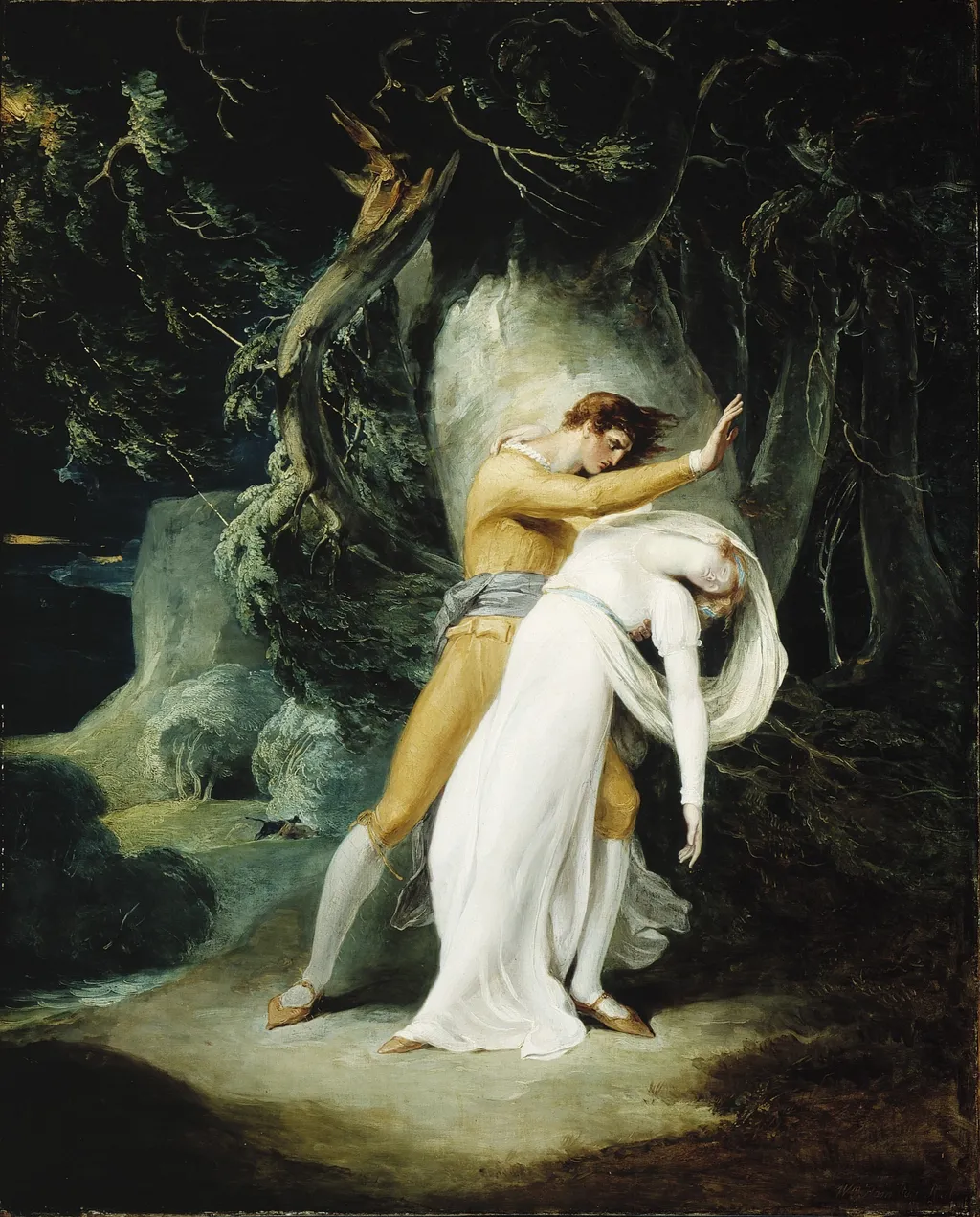
Celadon and Amelia is an oil painting by the Neoclassicist artist William Hamilton. It dates from 1797 and is held in the collection of the Detroit Institute of Arts.
About this work
Overview
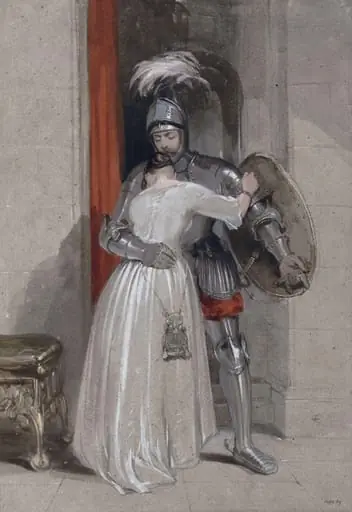
The composition centers on a man embracing a woman whose posture suggests surrender or unconsciousness, set against a shadowed natural backdrop.
Celadon and Amelia is an 1797 oil painting by British artist William Hamilton. The work is part of the collection at the Detroit Institute of Arts. It depicts a moment of intense physical and emotional exchange between two figures, rendered with heightened theatricality. The composition centers on a man embracing a woman whose posture suggests surrender or unconsciousness, set against a shadowed natural backdrop.
Subject & Meaning
The figures, identified as Celadon and Amelia, appear to be drawn from literary or mythological sources, though their exact narrative remains unconfirmed. The man’s firm hold and the woman’s limp, arched posture evoke themes of capture, vulnerability, or emotional collapse. The absence of clear contextual clues invites interpretation, possibly reflecting 18th-century fascination with sentimental or tragic romance.
Technique & Style
Hamilton employs chiaroscuro to isolate the figures against a dark, indistinct background of trees and foliage. The man’s bright yellow garments contrast sharply with the woman’s pale dress, drawing attention to their physical connection. Brushwork is precise in the figures’ forms but looser in the environment, emphasizing emotional focus over detailed setting. The style aligns with late 18th-century academic traditions favoring dramatic narrative.
History & Provenance
Painted in 1797, the work entered the Detroit Institute of Arts’ collection in the 20th century. Prior ownership details are not publicly documented, and the painting was not widely exhibited during Hamilton’s lifetime. Its survival and eventual institutional acquisition suggest it was preserved as a personal or collector’s item rather than a public commission.
Context
Hamilton worked during a period when British art increasingly embraced emotional storytelling, influenced by literature and theater. While not a major public figure, his work reflects broader trends in Romantic-era painting—interest in intense human emotion, idealized forms, and dramatic lighting. Celadon and Amelia fits within this milieu, though it lacks the scale or fame of contemporaries like Fuseli or Gainsborough.
Legacy
The painting remains a modest but distinctive example of Hamilton’s output, noted for its psychological tension and compositional clarity. It is rarely reproduced outside institutional contexts, and scholarly attention is limited. Nonetheless, it offers insight into lesser-known artists who contributed to the evolution of narrative painting in late Georgian Britain.
Own this work as a print
Artist & collection
Artist
William Hamilton painted actors in roles and classical scenes in oils and watercolours.

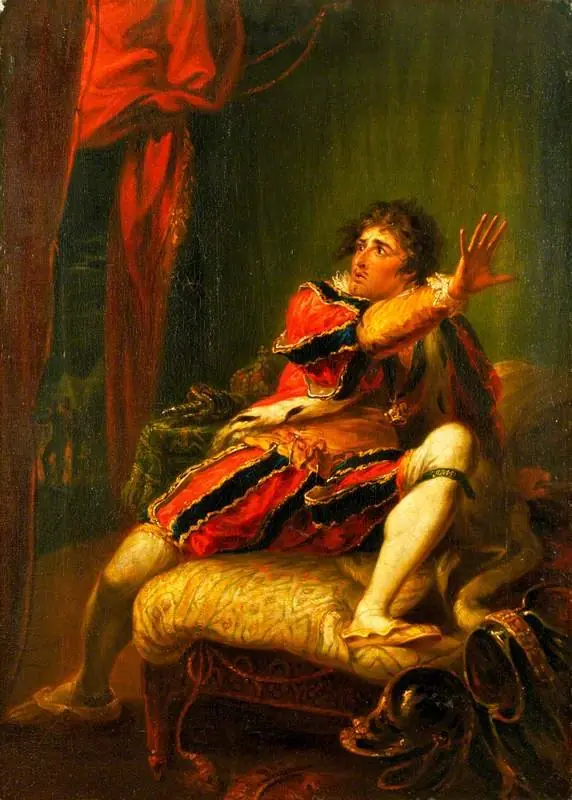 John Philip Kemble (1757–1823), as Richard in 'Richard III' by William Shakespeare
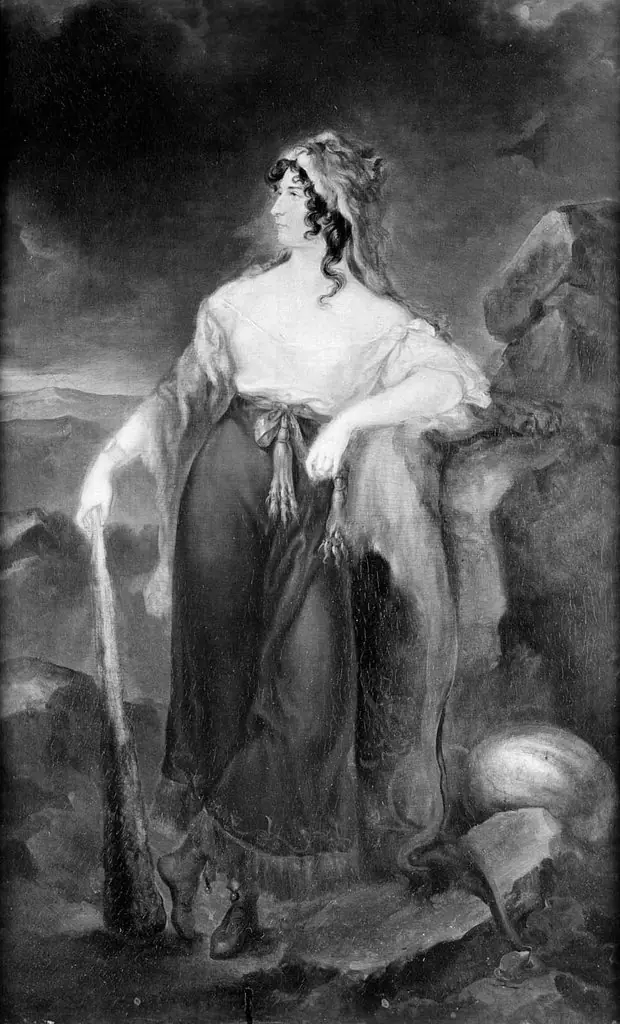 Portrait of an Actress as Omphale
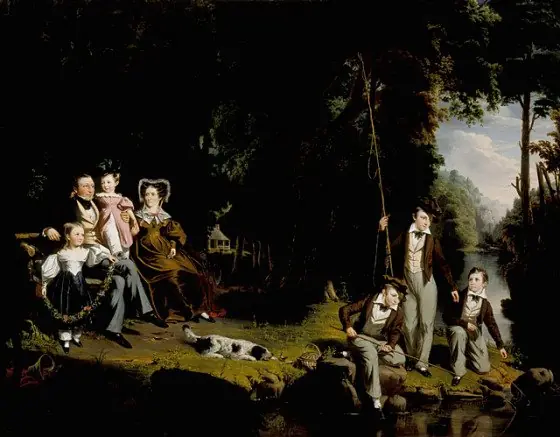 Alexander Masterton and His Wife and Children
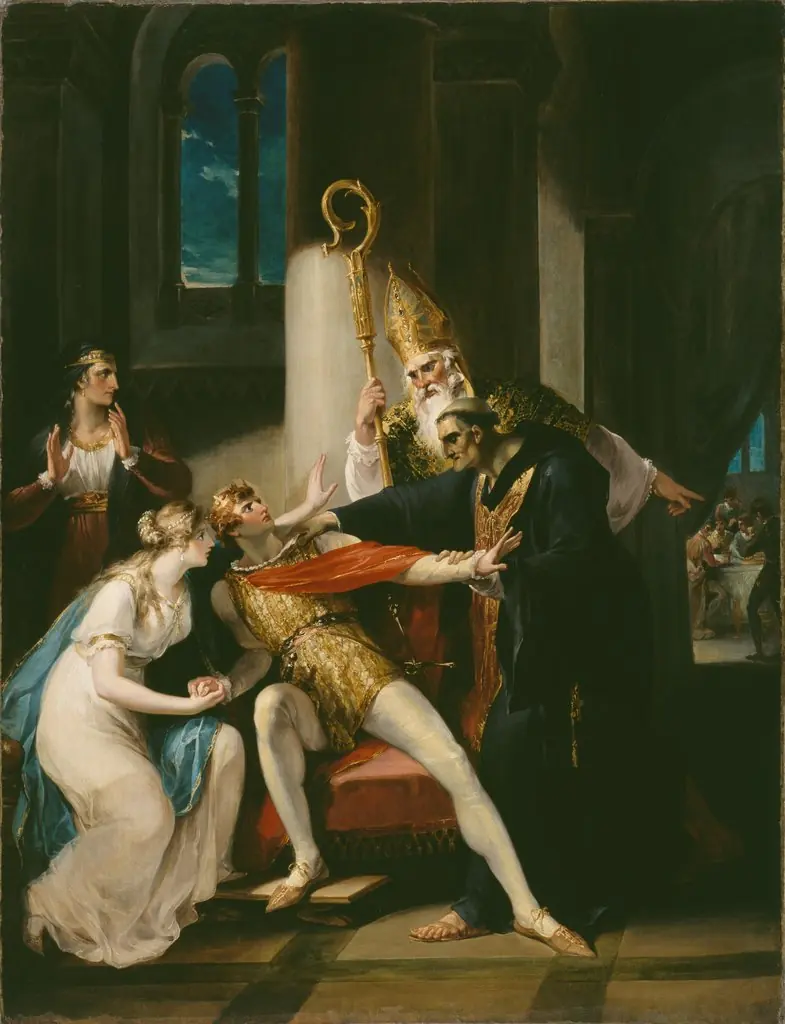 Edwy and Elgiva: A Scene from Saxon History
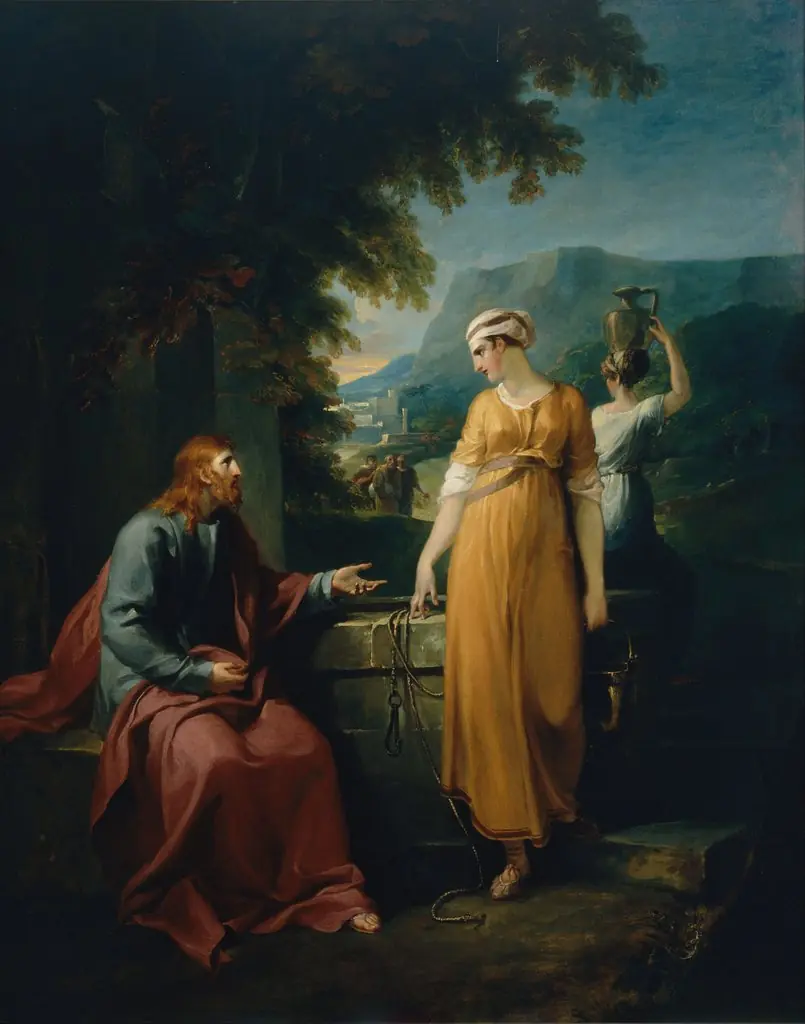 Christ and the woman of Samaria
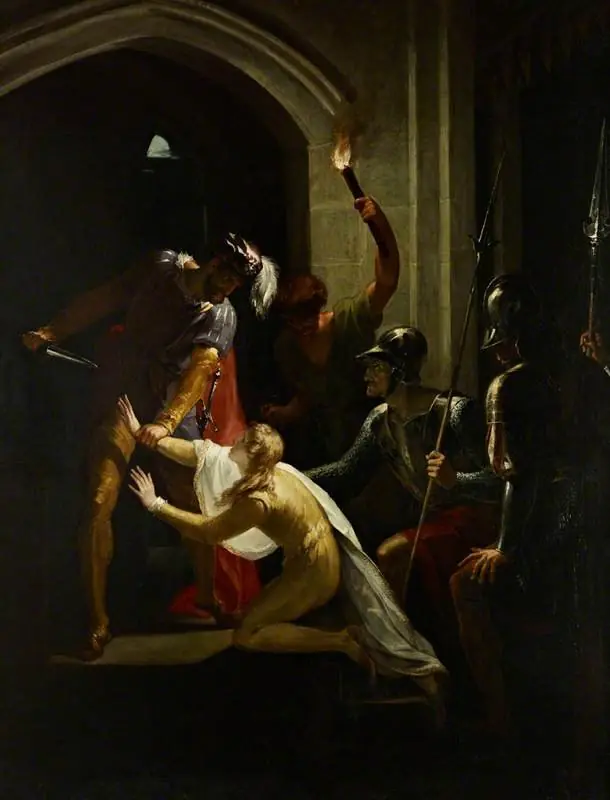 The Death of Arthur
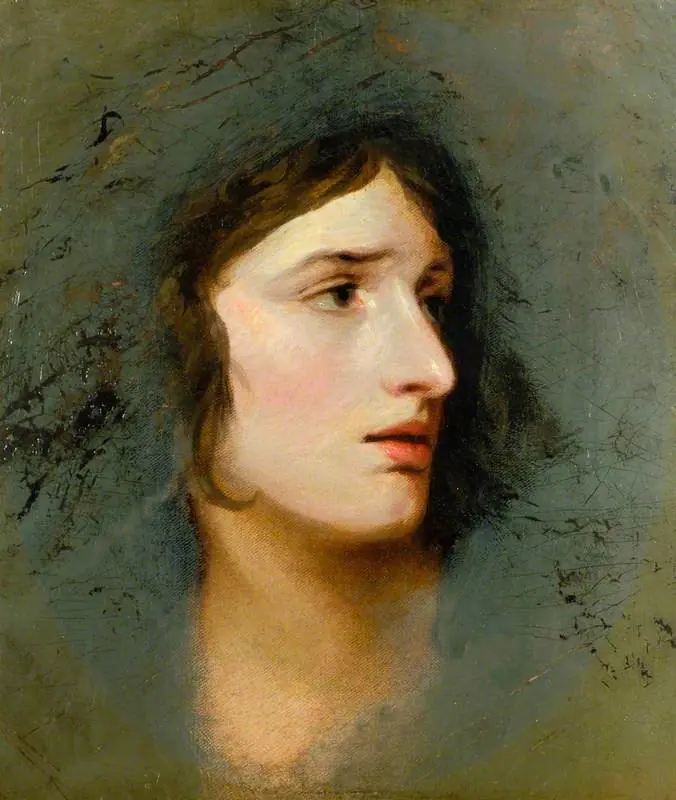 Sarah Siddons (1755–1831)
 Maria, Olivia and Viola from 'Twelfth Night' by William Shakespeare
 Percival Delivering Belisane from the Enchantment of Urma
 Parcival befreit Belisane von den Zaubereien des Urma
 Allegory of Love, Cupid and Psyche
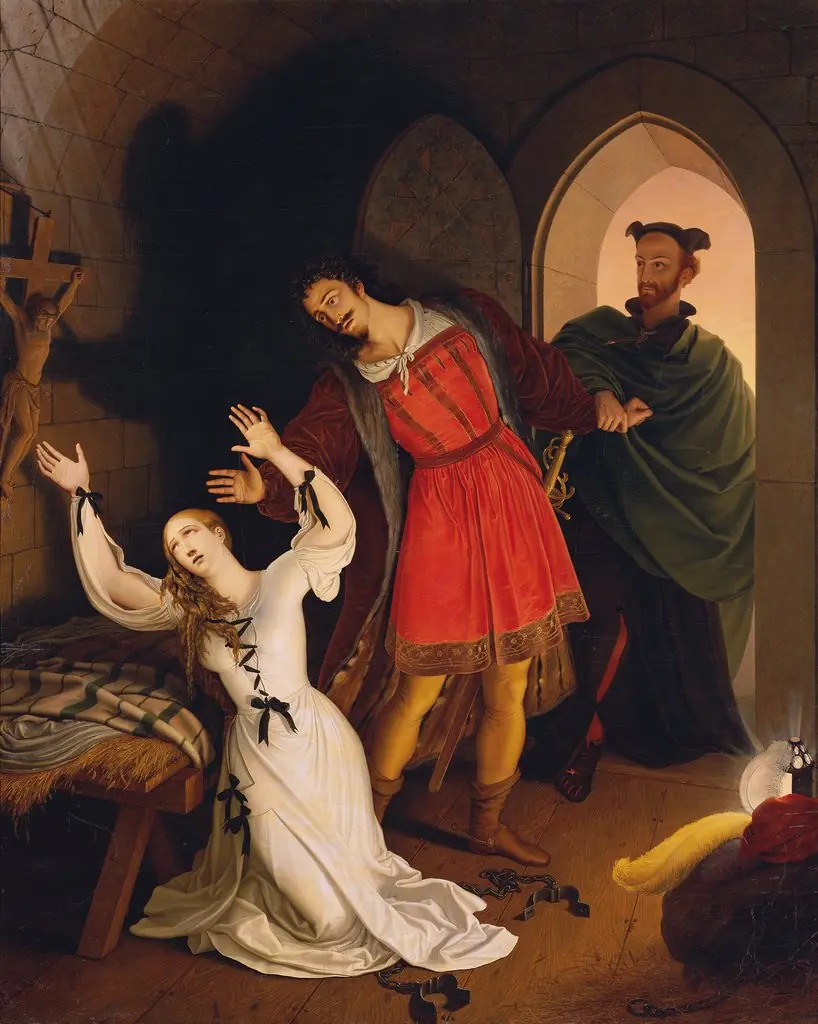 Faust und Gretchen im Kerker
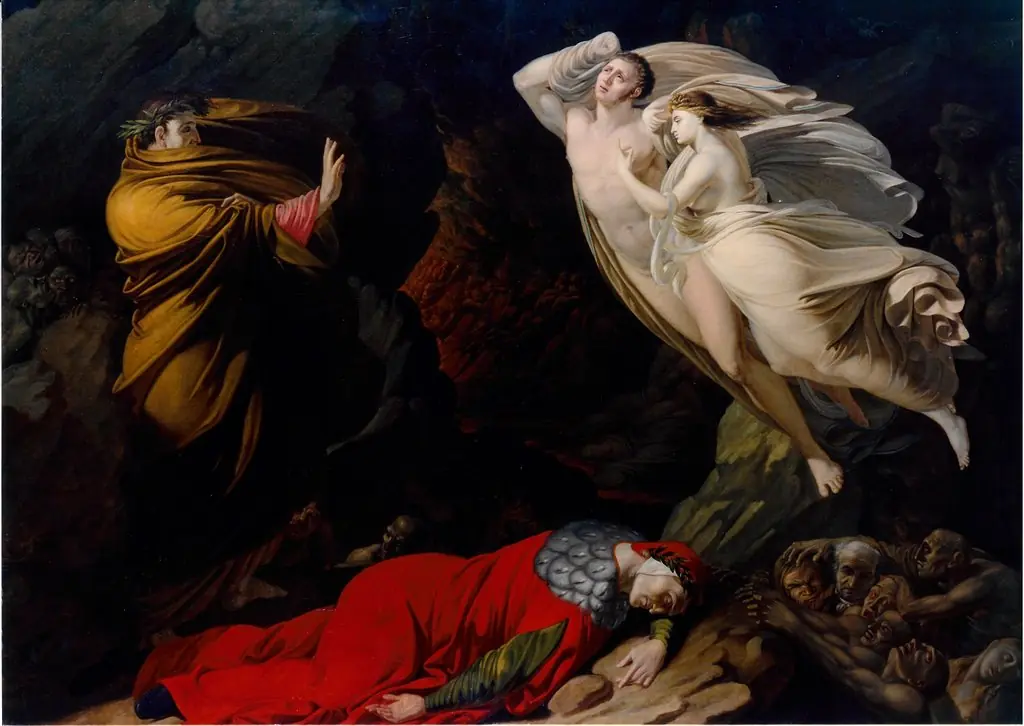 Paolo and Francesca da Rimini in Dante's hell
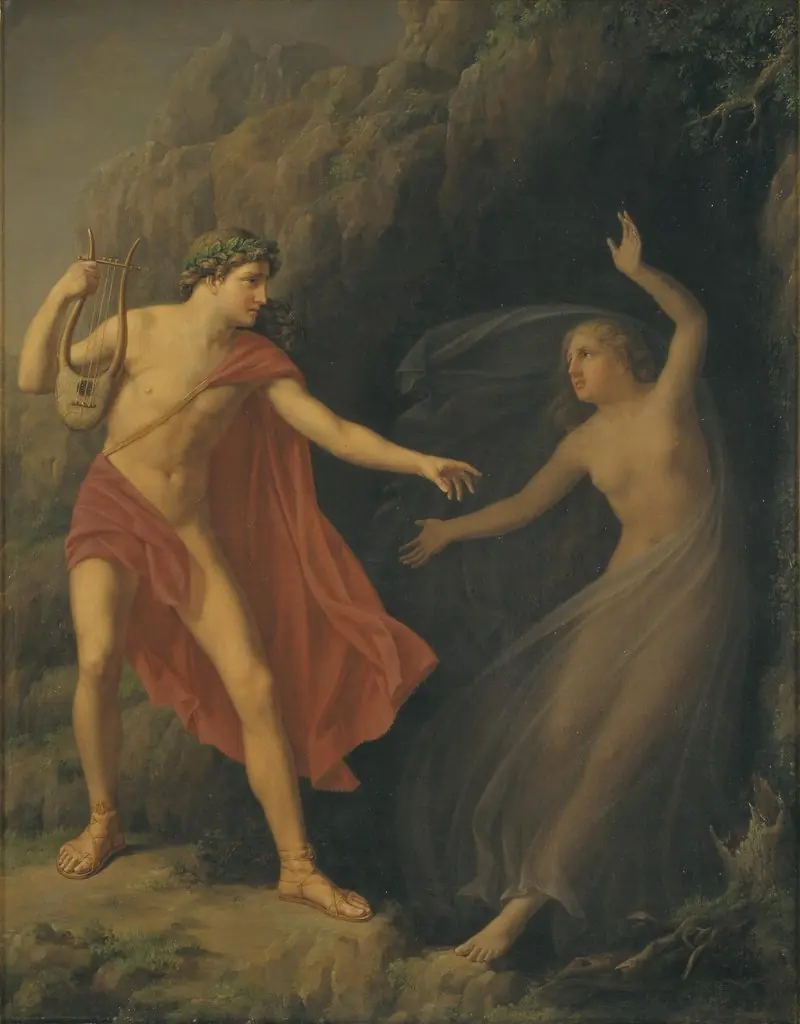 Orpheus and Eurydice
 Orpheus and Eurydice
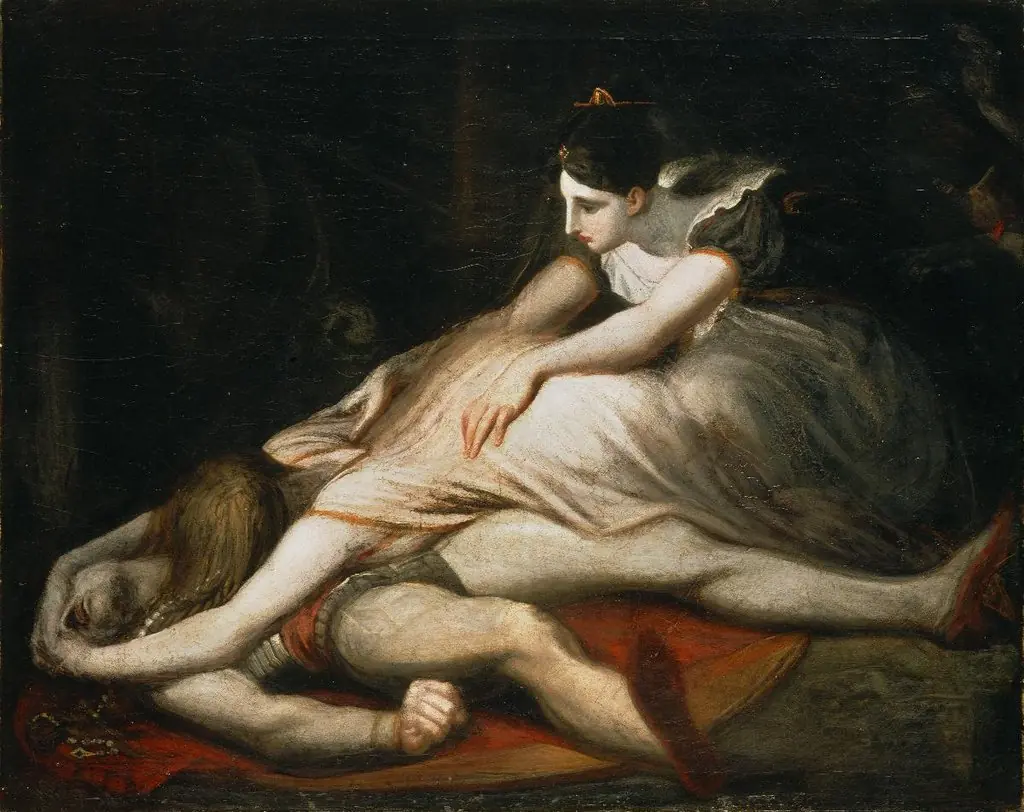 Kriemhild über der Leiche Siegfrieds
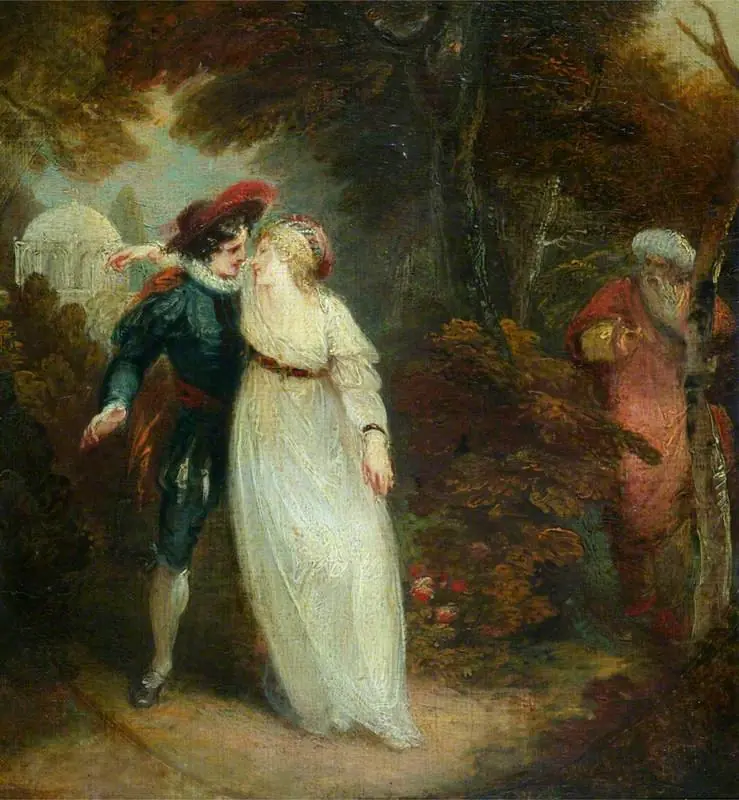 Zoraida, Discovered by Her Father, Agimorato, in the Arms of Rui Pérez de Viedma (from Cervantes' 'Don Quixote', Part I, Chapter 14)
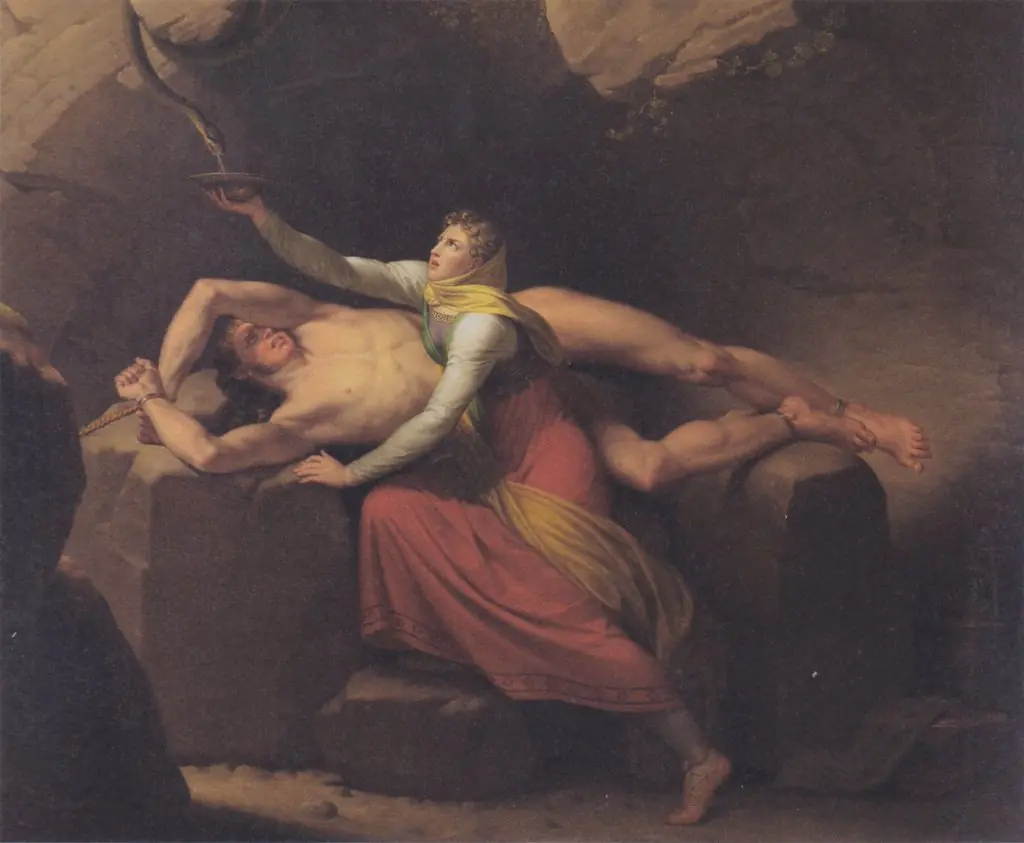 Loki and Sigyn
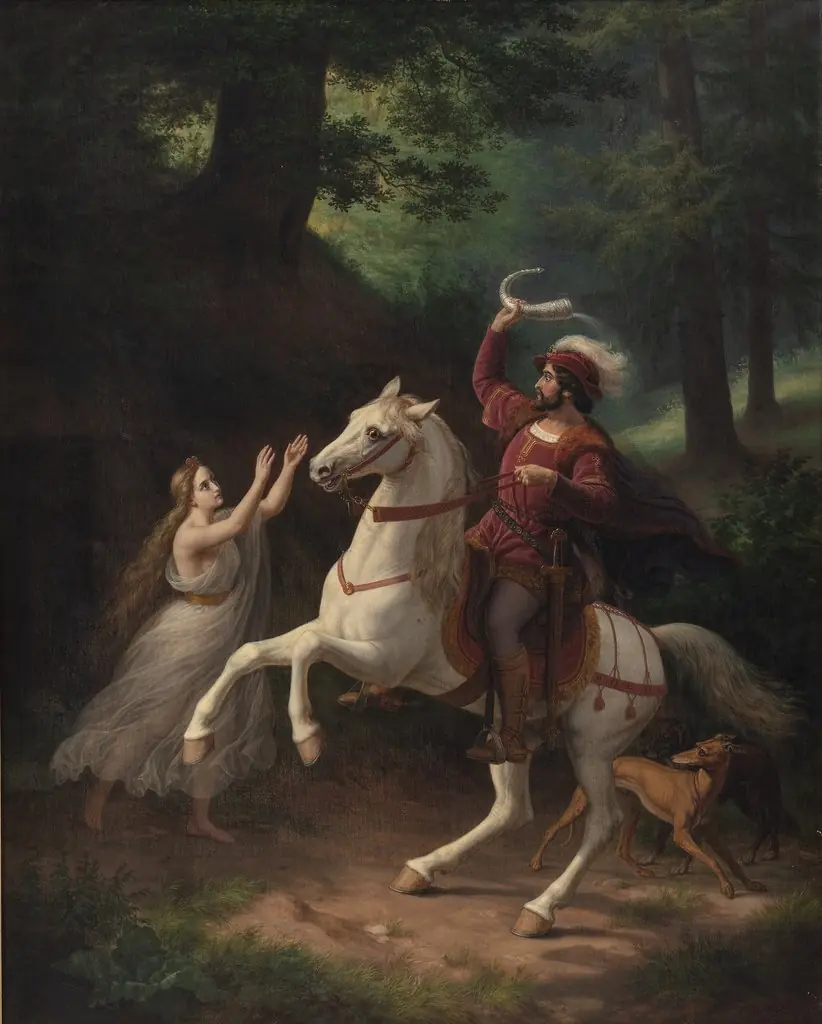 Grev Otto af Oldenborg og det oldenborgske horn
 Knight and Lady