Artwork
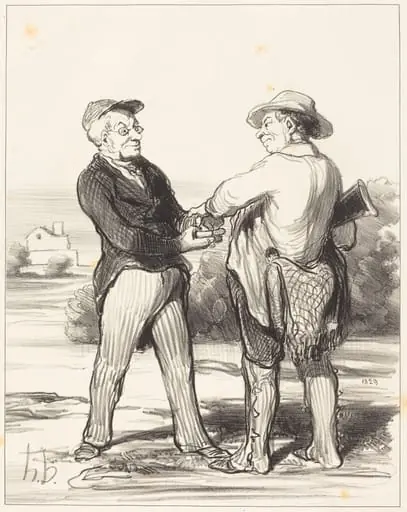
Illustration for Chapter XXIII from "Lorna Doone"
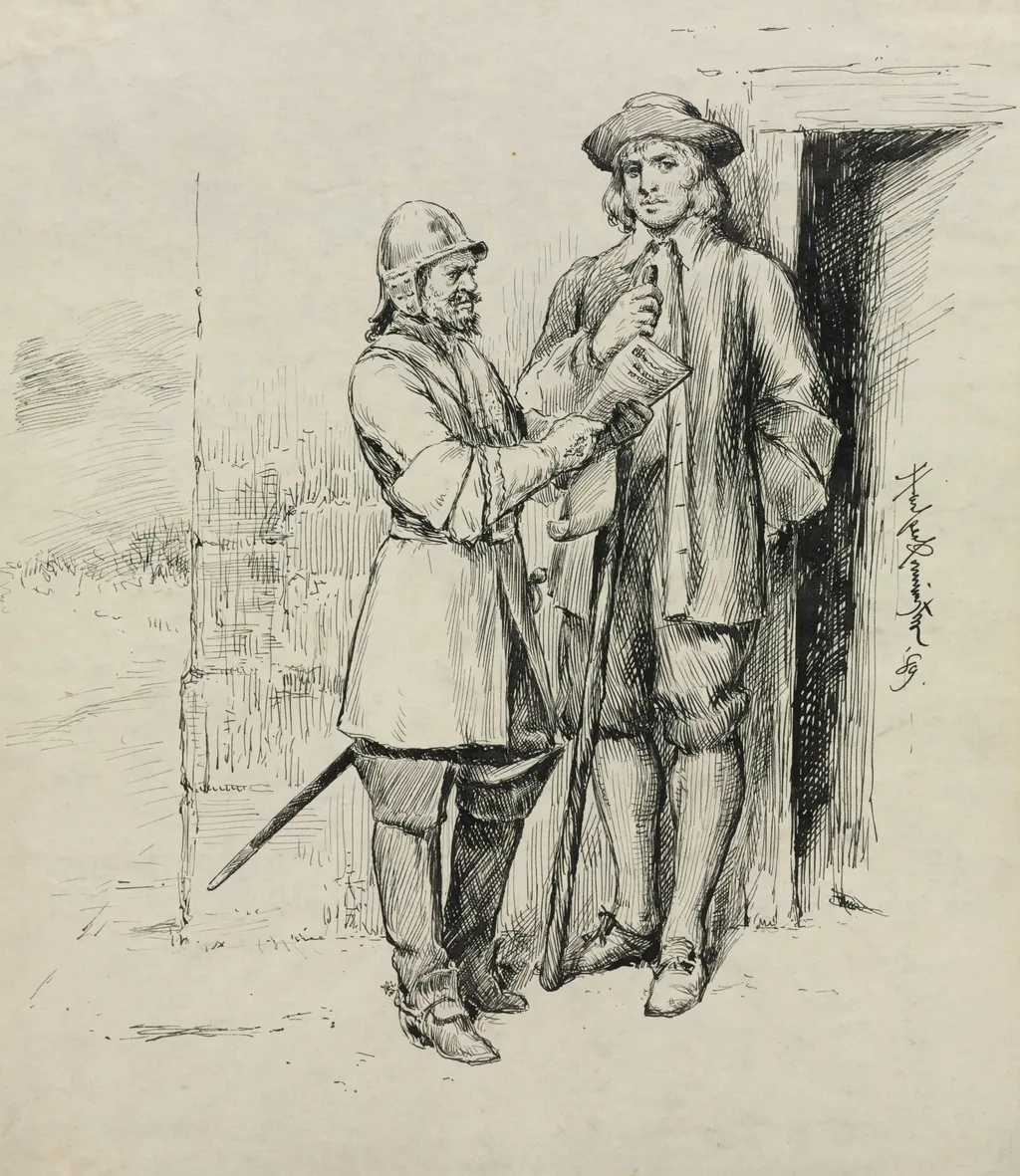
Illustration for Chapter XXIII from "Lorna Doone" is a drawing by William Henry Drake. It dates from 1901 and is held in the collection of the Cleveland Museum of Art.
About this work
Overview
Created around 1901 by William Henry Drake, this ink drawing serves as a preparatory study for an illustration in Chapter XXIII of R.
Created around 1901 by William Henry Drake, this ink drawing serves as a preparatory study for an illustration in Chapter XXIII of R.D. Blackmore’s novel Lorna Doone. Executed with swift, expressive lines, it captures a moment of quiet interaction between two figures. The work is held in the collection of The Cleveland Museum of Art, where it reflects the artist’s process in developing narrative imagery for literary publication.
Subject & Meaning
Two male figures stand near a doorway, engaged in a subtle exchange. One, dressed in a wide-brimmed hat and loose coat, holds an object while the other, wearing a cap and apron, leans forward with a gesture of adjustment or instruction. The scene suggests a moment of practical collaboration, possibly involving tools or goods, rooted in the rural, working-world setting of the novel. The focus on gesture over detail emphasizes human interaction over narrative specificity.
Technique & Style
Drake employed rapid, fluid ink strokes to convey form and movement without polished finish. The background is suggested through loose, energetic lines that imply architecture without defining it. Textures in fabric and surface are hinted at with minimal marks, prioritizing rhythm and composition over realism. This sketch-like approach reveals the artist’s emphasis on capturing the essence of a scene quickly, typical of preparatory work for book illustration.
History & Provenance
The drawing was produced as part of Drake’s commission to illustrate Lorna Doone, a popular 19th-century novel reissued in the early 20th century. It entered The Cleveland Museum of Art’s collection through documented acquisition, likely as part of a larger group of illustrations donated or purchased for its graphic arts holdings. Its survival as a standalone sheet reflects its value as a record of artistic process rather than a finished product.
Context
In the early 1900s, illustrated novels remained a significant medium for storytelling, with artists like Drake commissioned to visualize key scenes for mass audiences. This drawing aligns with the tradition of narrative illustration that bridged literature and visual art, where speed and clarity were prioritized over finish. Drake’s approach reflects the demands of printing technology and editorial timelines of the period.
Legacy
Though not widely exhibited, this drawing contributes to the understanding of how illustrators translated literary scenes into visual form. It preserves the immediacy of Drake’s working method and offers insight into the collaborative nature of book production at the turn of the century. As a fragment of a larger project, it remains a quiet testament to the unseen labor behind published illustrations.
Artist & collection

Artist
Sir William Henry Drake,, was a British public servant and Colonial Treasurer of Western Australia.

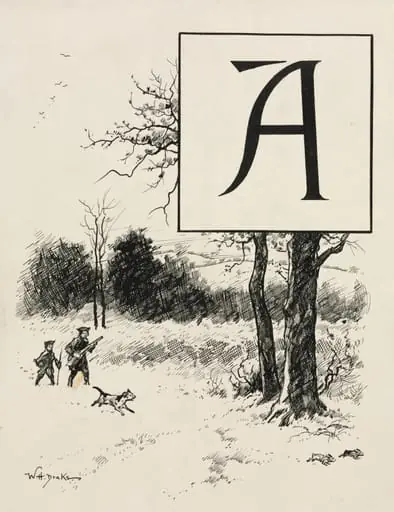 Inital A for Chapter VI from "Lorna Doone"
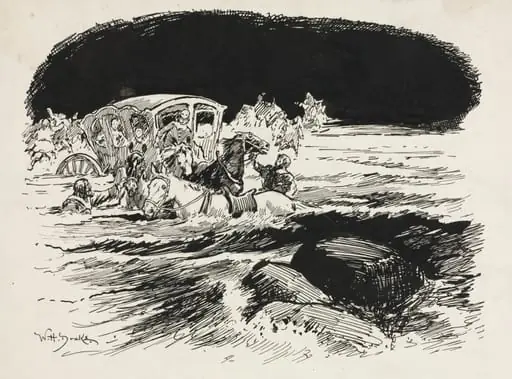 Tail Piece for Chapter LIII from "Lorna Doone"
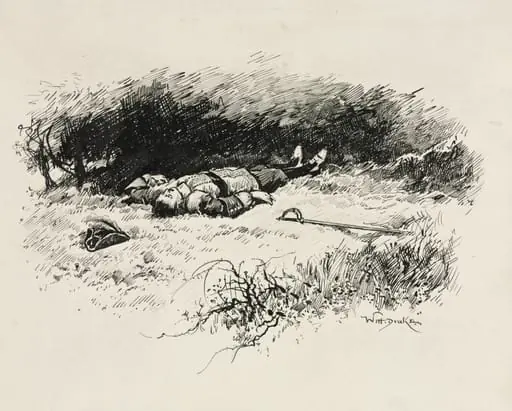 Tail Piece for Chapter XXI from "Lorna Doone"
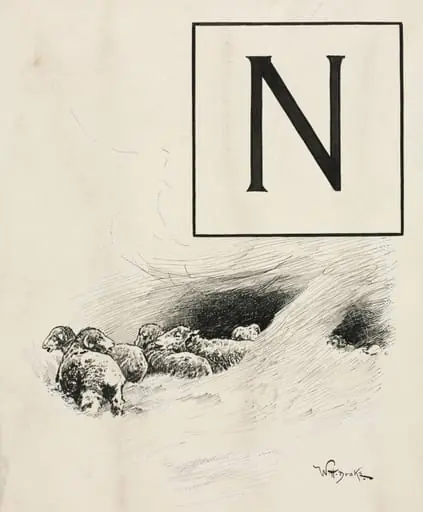 Inital N for Chapter L from "Lorna Doone"
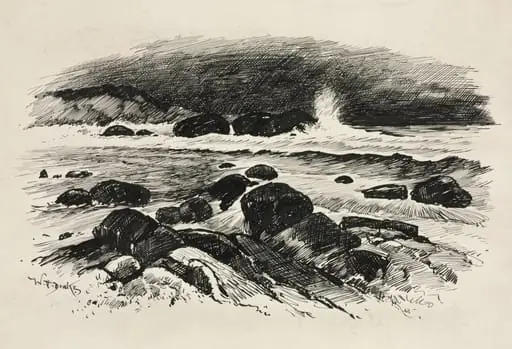 Tail Piece for Chapter XII from "Lorna Doone"
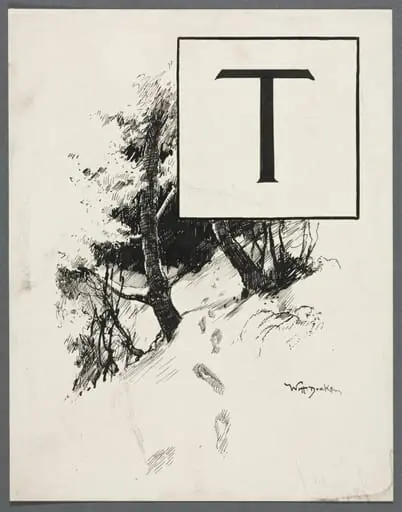 Inital T for Chapter XLIV from "Lorna Doone"
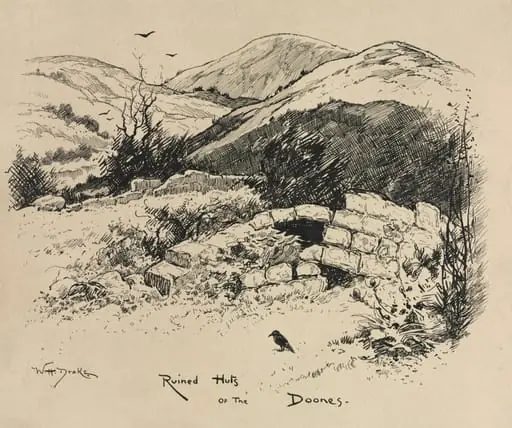 Tail Piece for Chapter LXXI from "Lorna Doone"
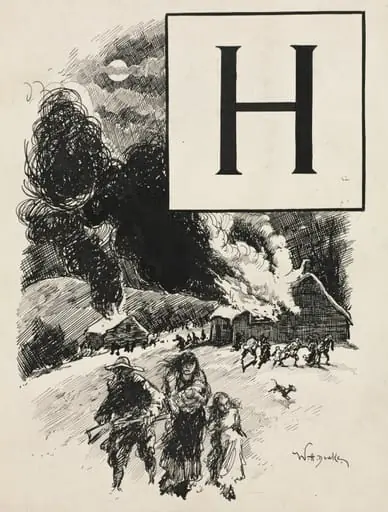 Inital H for Chapter LXXI from "Lorna Doone"
 Banditti on the Look Out
 Tristram Shandy
 H Beard Print Collection
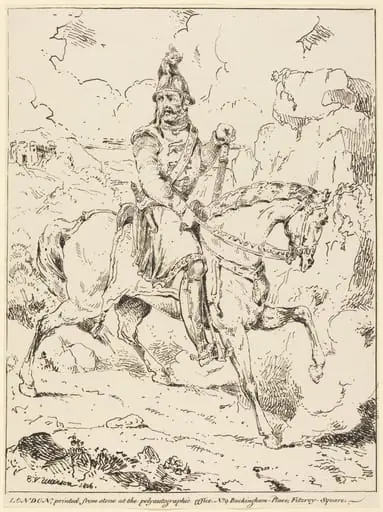 Knight in Armor on Horseback
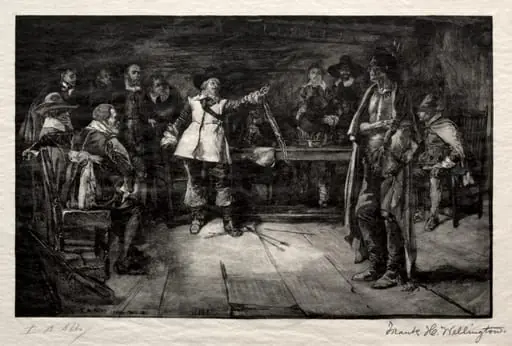 Miles Standish's Challenge
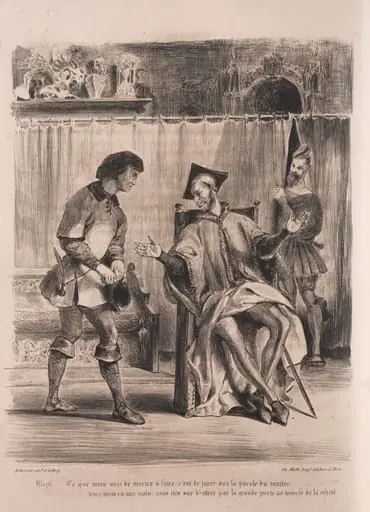 Illustrations for Faust: Méphistophélé receives the schoolboy
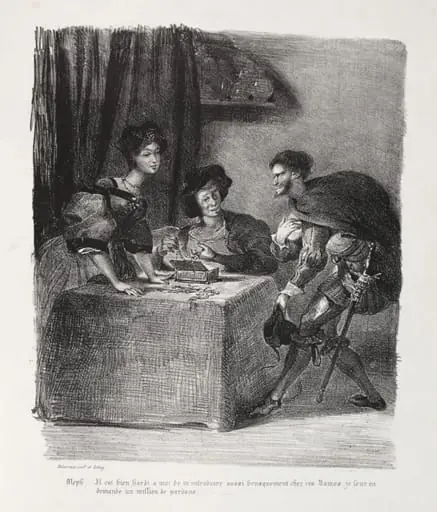 Illustrations for Faust: Méphistophelés is at Marthe
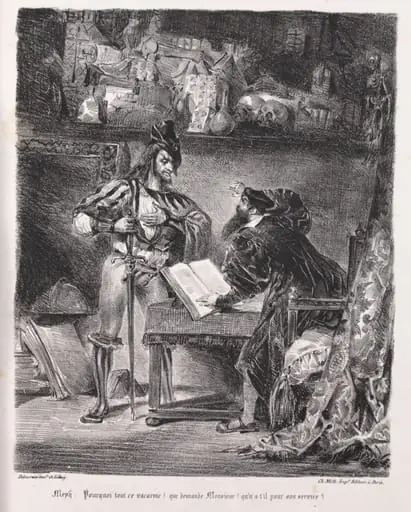 Illustrations for Faust: Méphistophélés visits Faust
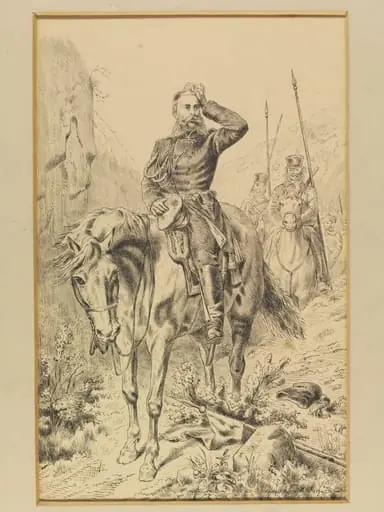 Portrait of General Mikhail Dmitrievich Skobelev
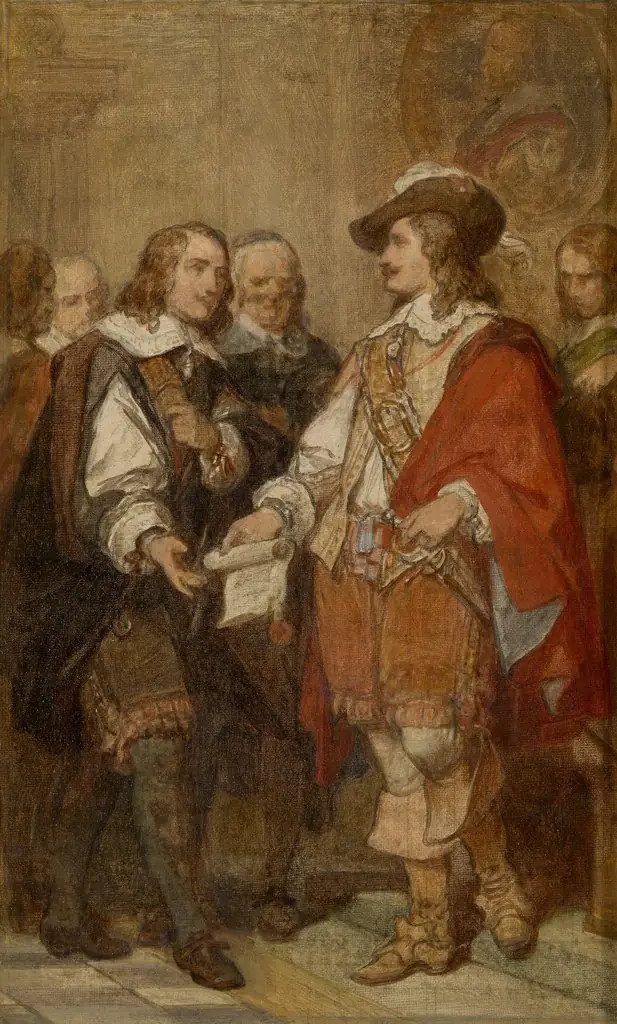 Foundation of the Antwerp Academy by David Teniers II
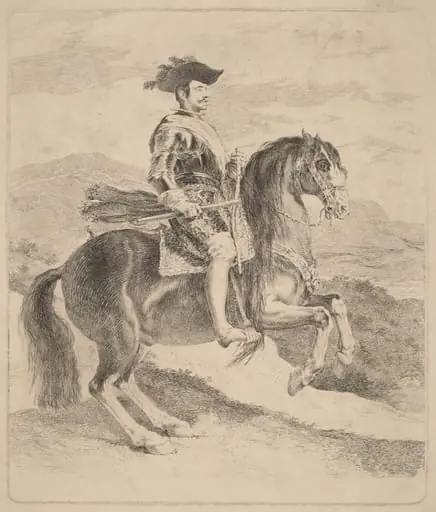 Felipe IV
 Dites donc, président, impossible d'attraper un lièvre...