Artwork
Inital H for Chapter LXXI from "Lorna Doone"
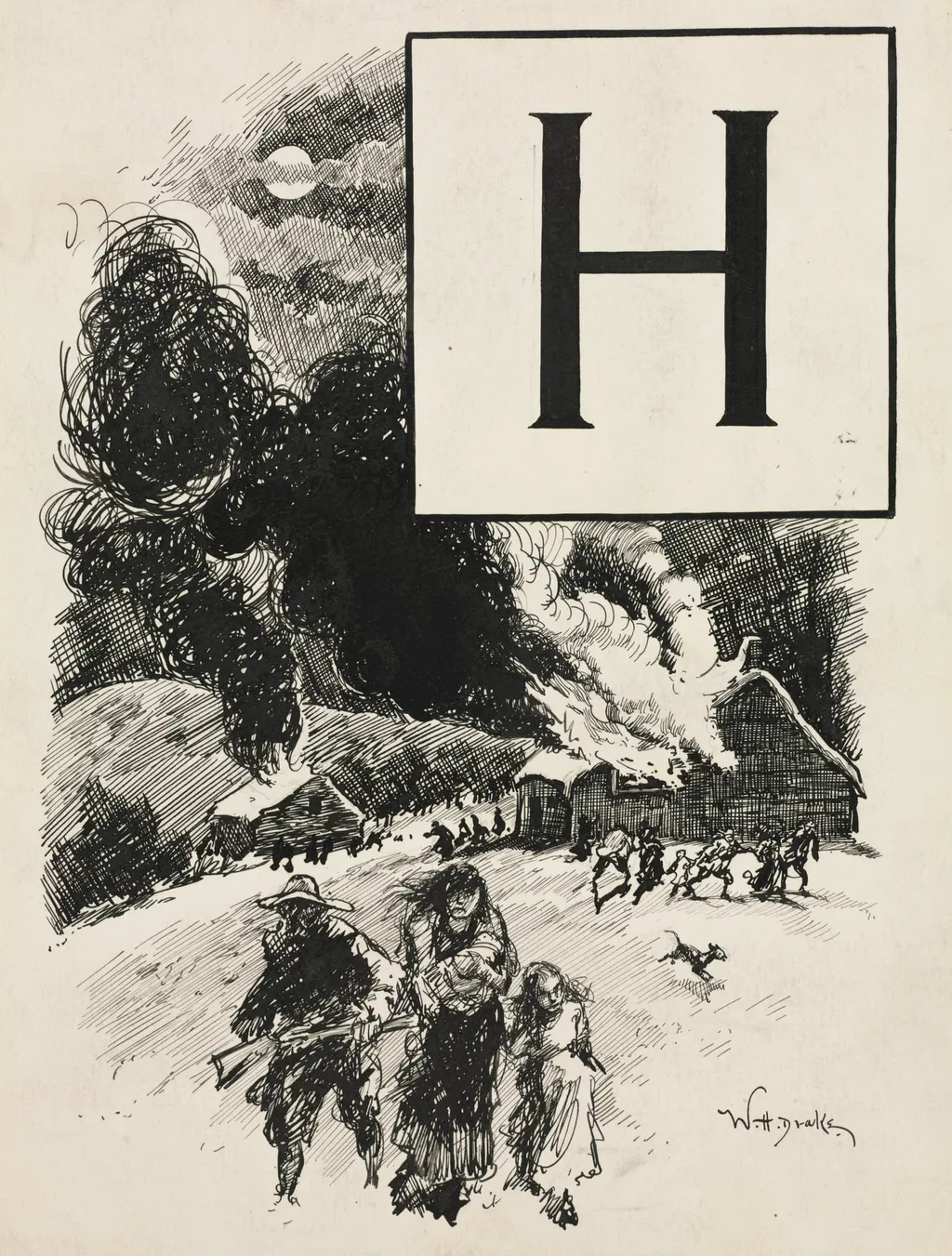
Inital H for Chapter LXXI from "Lorna Doone" is a drawing by the Impressionist artist William Henry Drake. It dates from 1899 and is held in the collection of the Cleveland Museum of Art.
About this work
Overview
The composition blends narrative detail with decorative form, anchoring the letter H in a wintry rural scene that reflects the novel’s setting.
Created around 1899 by William Henry Drake, this ink drawing serves as an illuminated initial for Chapter LXXI of Richard Doddridge Blackmore’s novel Lorna Doone. Executed in delicate, fluid lines, it functions as a typographic ornament meant to open a chapter in a printed edition. The composition blends narrative detail with decorative form, anchoring the letter H in a wintry rural scene that reflects the novel’s setting.
Subject & Meaning
The drawing depicts a family moving through a snow-laden landscape: a woman carries a child, another holds a dog, and a man leads ahead. In the distance, a cluster of figures gathers near a structure, suggesting community or shelter. The looming dark tree on the left introduces a note of solemnity, echoing the novel’s themes of hardship and resilience. The scene captures quiet endurance, aligning with the book’s pastoral realism and moral gravity.
Technique & Style
Drake employed rapid, expressive ink lines to convey motion and texture—snowflakes swirl in loose arcs, clothing folds are suggested with energetic strokes, and the tree’s bark is rendered in jagged, tactile marks. The initial H, boldly formed in the upper right, integrates organically with the scene rather than dominating it. This approach merges illustrative precision with the spontaneity of sketching, emphasizing atmosphere over polished finish.
History & Provenance
The drawing was produced as part of a series of illustrations for the 1899 edition of Lorna Doone, commissioned for its literary revival. It entered The Cleveland Museum of Art’s collection through documented acquisition, likely from a private donor or publisher archive. Its survival as a standalone sheet reflects its value as both artistic artifact and publishing ephemera from the late Victorian illustrated book tradition.
Context
Drake’s work emerged during a period when literary illustration was a respected art form, with artists often collaborating closely with authors and publishers. His style aligned with the Realist movement’s interest in everyday rural life, yet retained the decorative conventions of book design. This piece reflects the era’s blending of fine art and mass-market publishing, where narrative depth was conveyed through intimate visual detail.
Legacy
Though not widely exhibited, Drake’s illustrations for Lorna Doone remain significant within the history of American book art. They exemplify how illustrators contributed to the emotional texture of 19th-century fiction, using visual language to extend literary mood. The drawing’s preservation in a major museum underscores its role as a bridge between literature, graphic design, and the broader cultural reception of narrative art.
Artist & collection

Artist
Sir William Henry Drake,, was a British public servant and Colonial Treasurer of Western Australia.

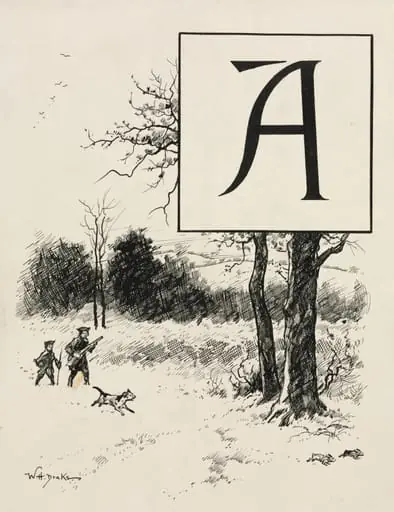 Inital A for Chapter VI from "Lorna Doone"
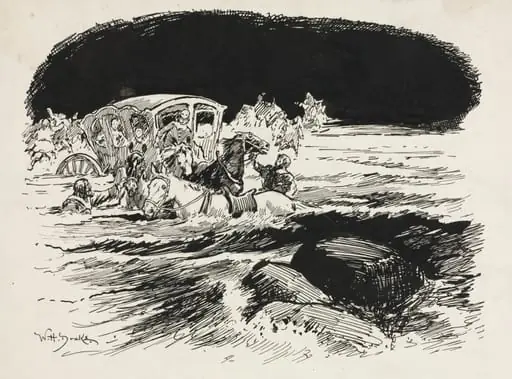 Tail Piece for Chapter LIII from "Lorna Doone"
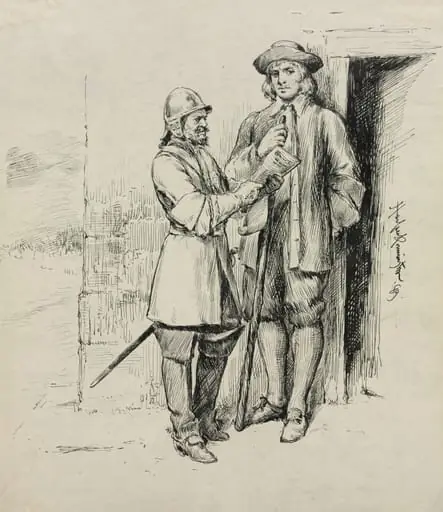 Illustration for Chapter XXIII from "Lorna Doone"
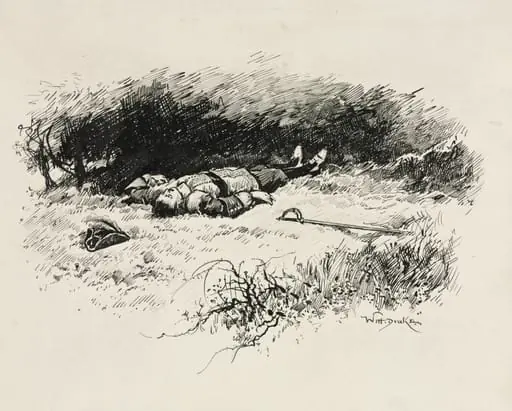 Tail Piece for Chapter XXI from "Lorna Doone"
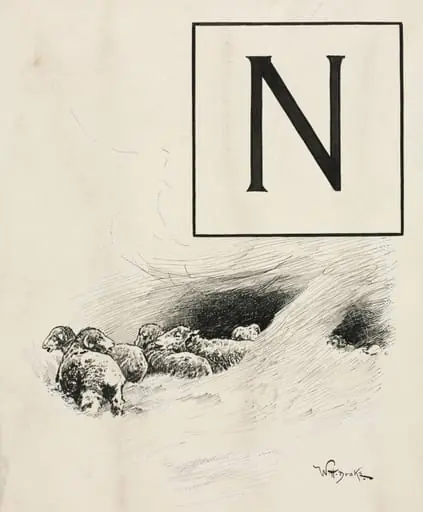 Inital N for Chapter L from "Lorna Doone"
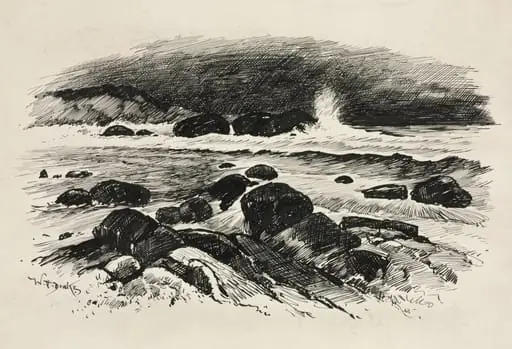 Tail Piece for Chapter XII from "Lorna Doone"
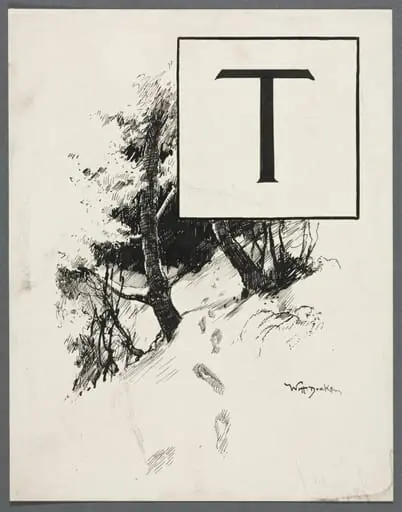 Inital T for Chapter XLIV from "Lorna Doone"
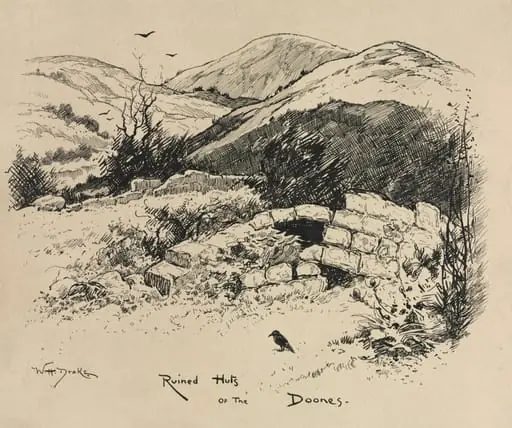 Tail Piece for Chapter LXXI from "Lorna Doone"
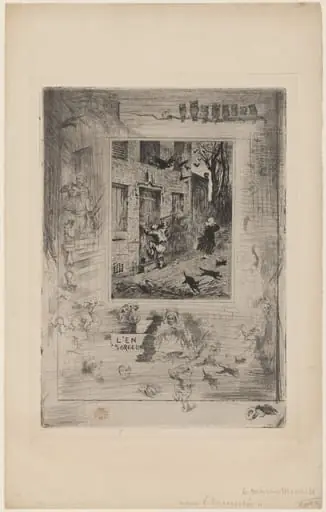 La Maison Maudite (The House of the Damned)
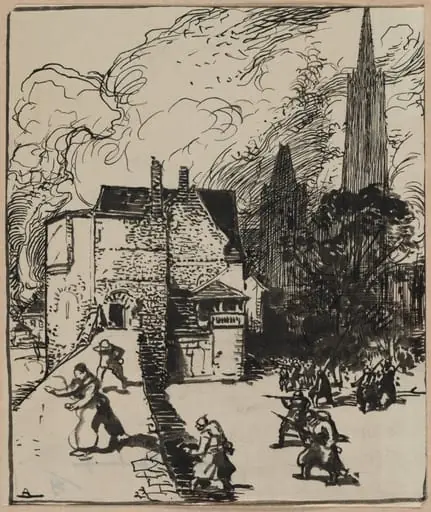 Siège des Maubeuge
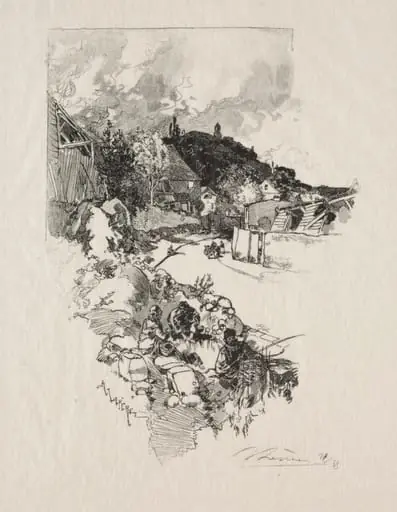 Route de Versailles
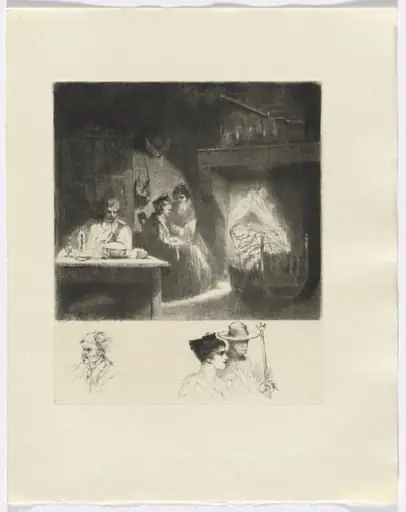 Frédéric Mistral: Mémoires et Recits by Frédéric Mistral: family scene/ bust of three figures (insert after p. 48)
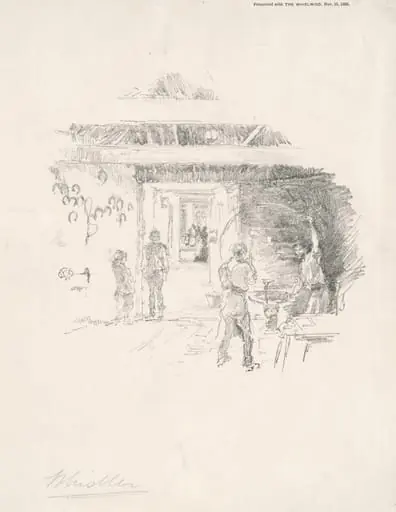 The Tyresmith
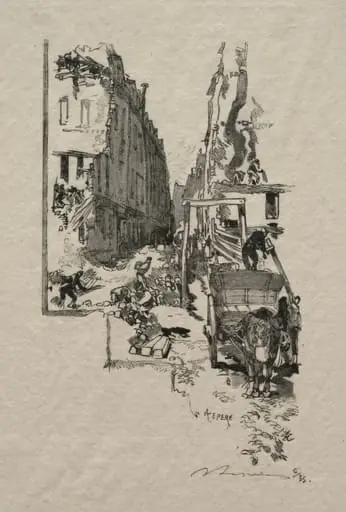 La Rue Victor Cousin
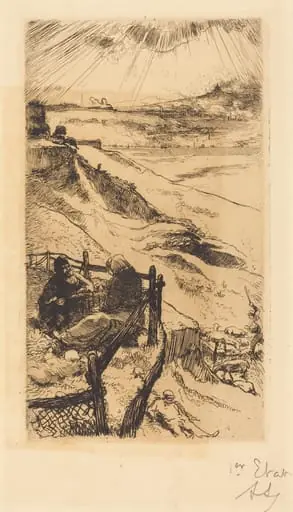 American Quarries, near Paris (Carrieres d'Amerique, pres Paris)
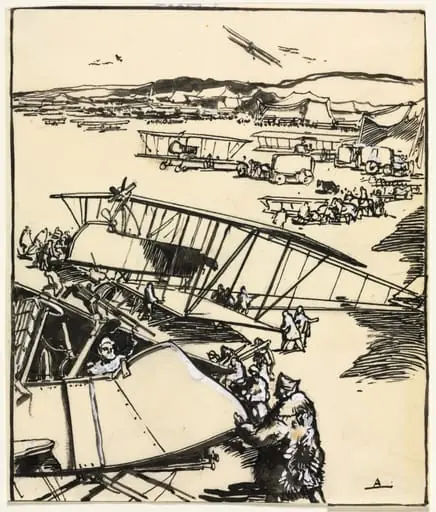 Avions reposant sur le terrain (recto)
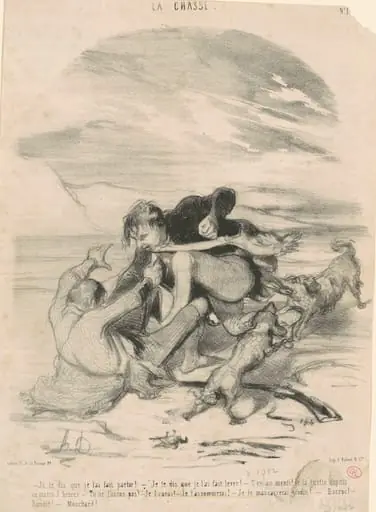 Je te dis que je l'ai fait partir