Artwork
The Four Times of Day
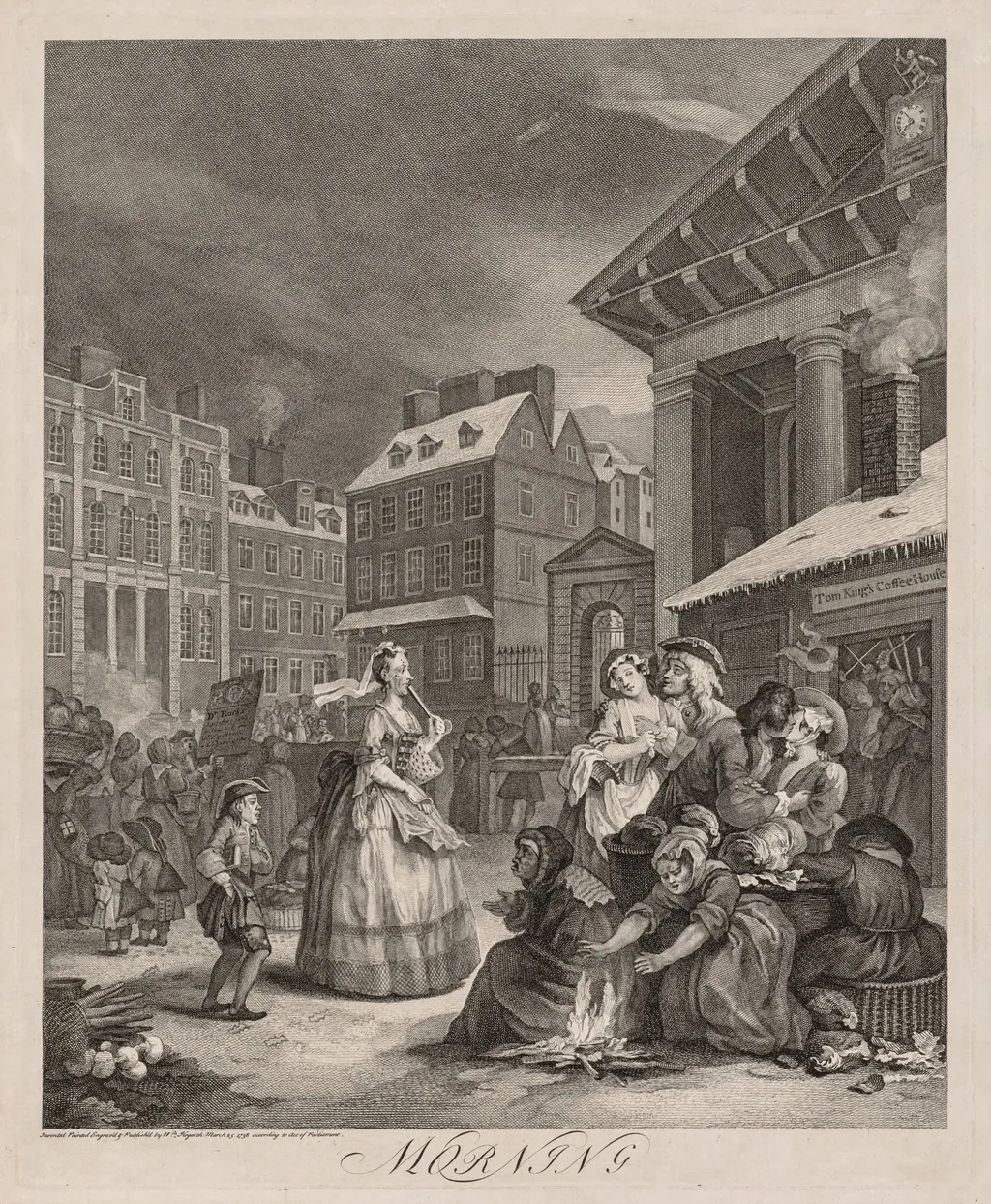
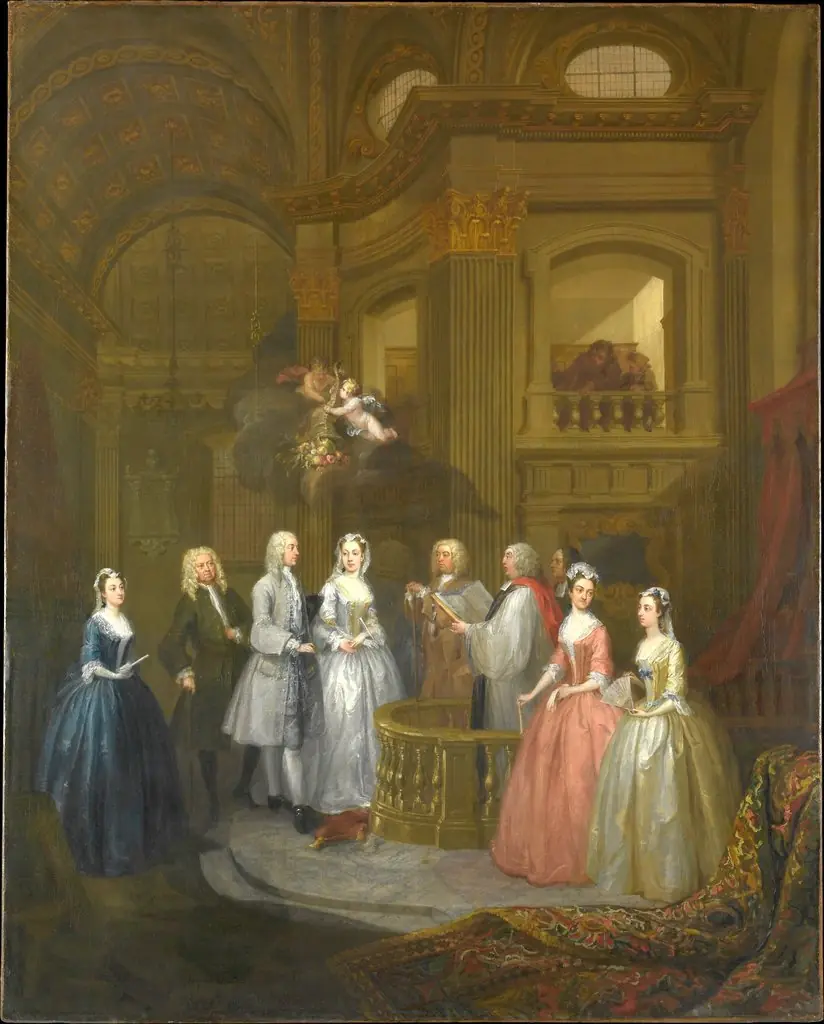
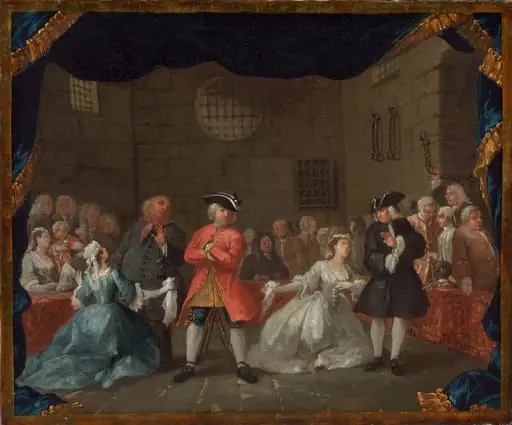
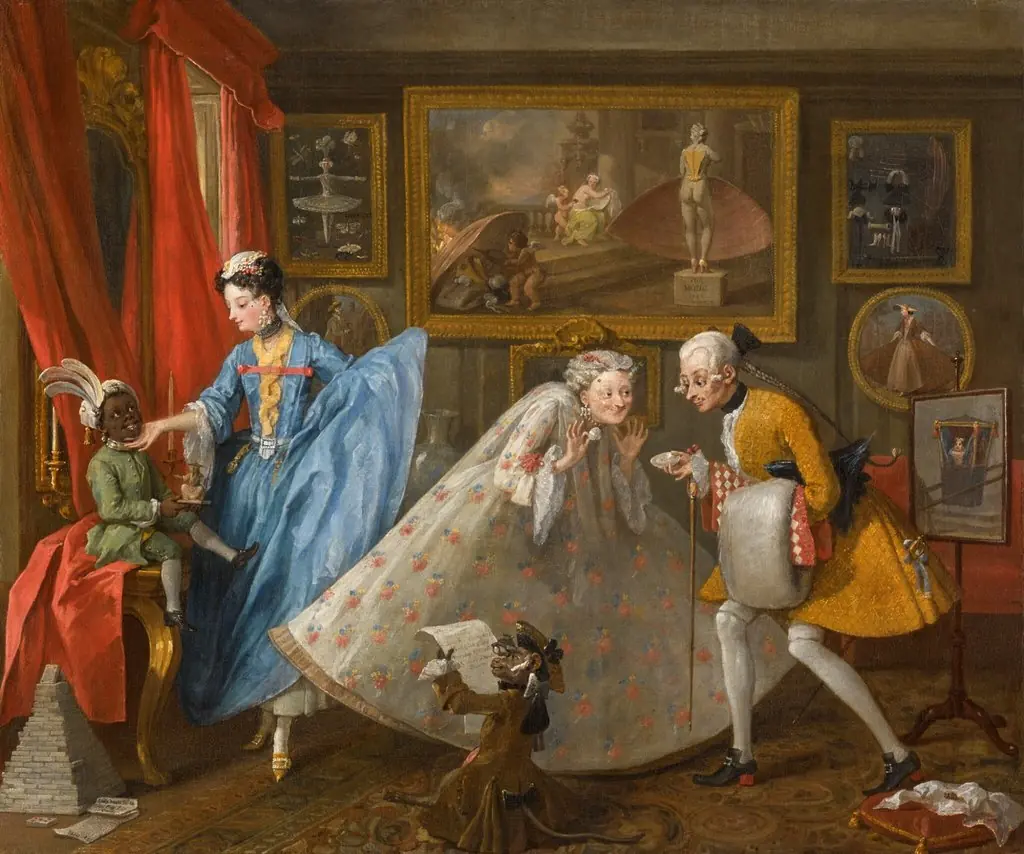
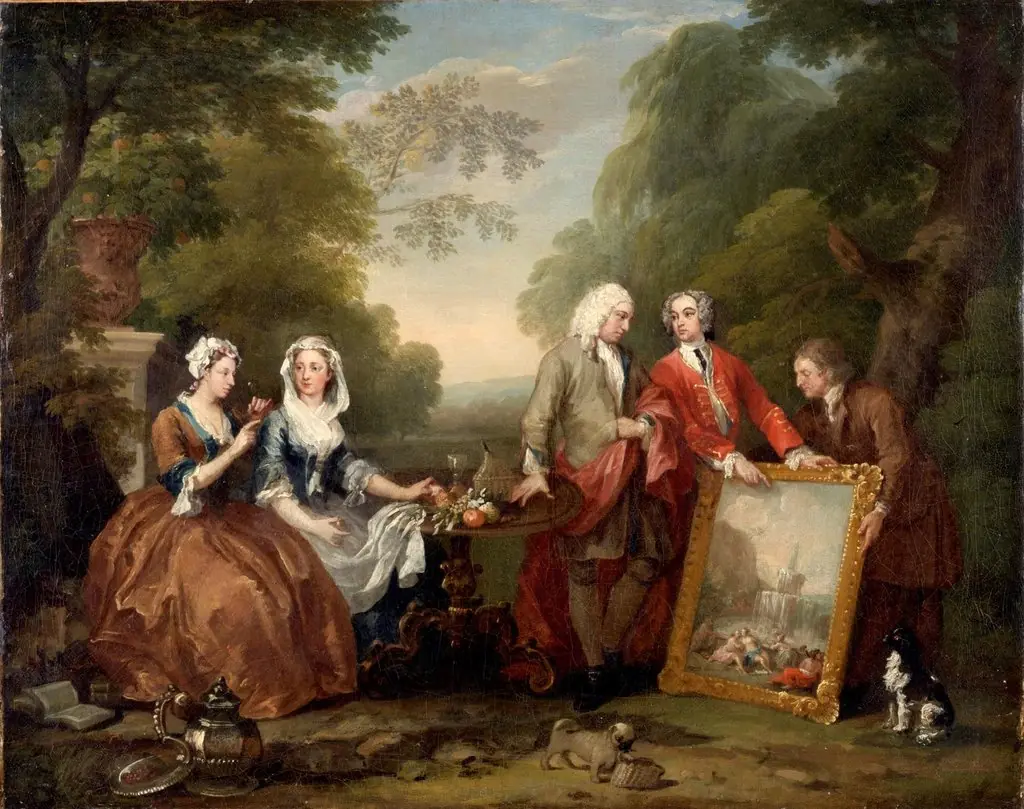
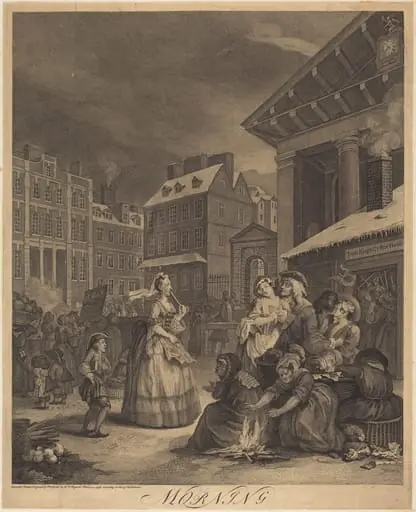
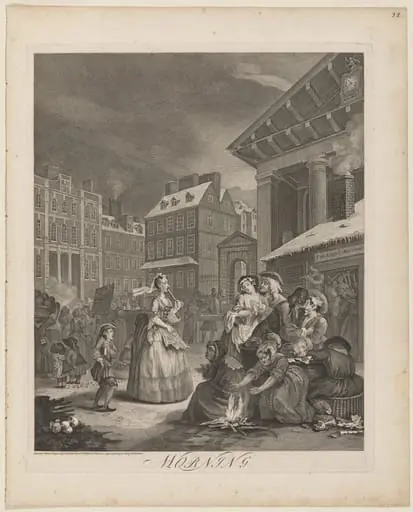
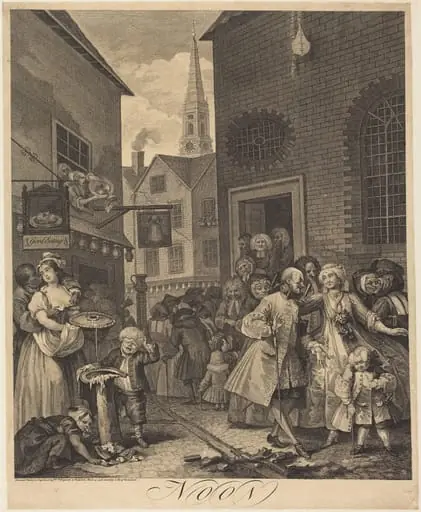
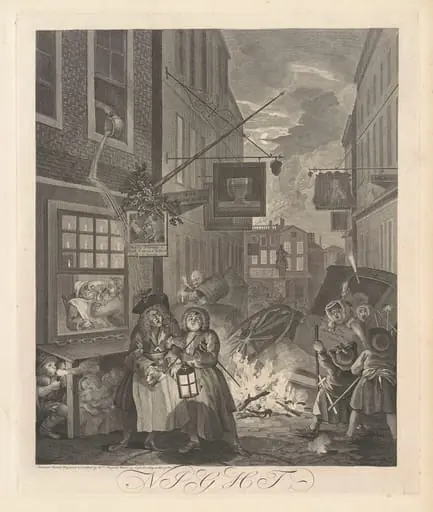
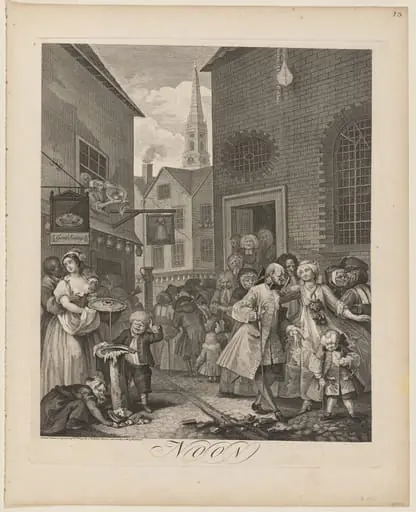
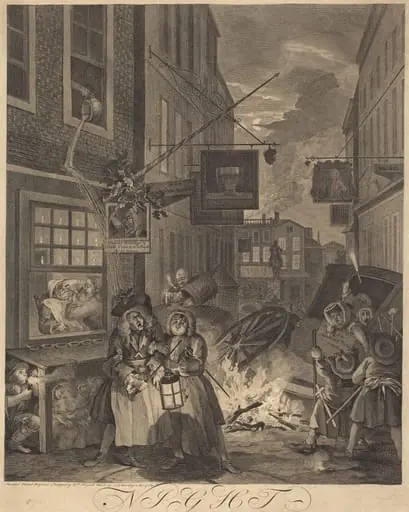
The Four Times of Day is a print by the Baroque artist William Hogarth. It dates from 1738 and is held in the collection of the Cleveland Museum of Art.
About this work
Overview
The Four Times of Day is a series of four engravings created by William Hogarth in 1738, capturing scenes of everyday life in 18th-century London at different hours.
Subject & Meaning
This specific engraving portrays a winter scene of urban life, with figures engaged in various activities amidst snow-covered architecture. The composition reflects Hogarth's satirical eye for social observation, subtly critiquing contemporary customs through the depiction of daily routines.
Technique & Style
Hogarth employed a stark contrast of light and shadow to animate the scene, guiding the viewer's eye through the bustling street. The detailed etching showcases his training as an engraver and aligns with the narrative depth characteristic of his work.
History & Provenance
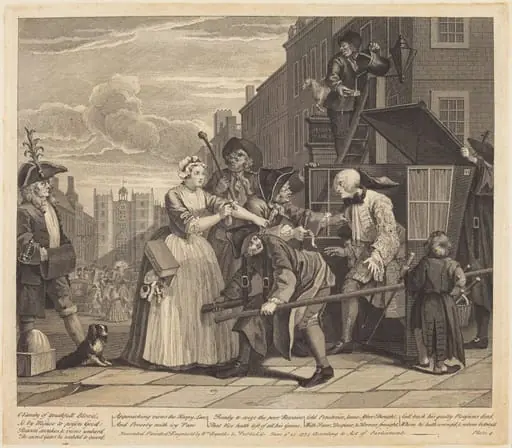
Completed in 1738, The Four Times of Day exemplifies Hogarth's penchant for moral and satirical storytelling through sequential art, a theme consistent with his notable series like A Harlot’s Progress.
Context
As a product of 18th-century London, the work offers a glimpse into the city's daily life, reflecting Hogarth's lower-middle-class origins and his observations of the social landscape.
Artist & collection
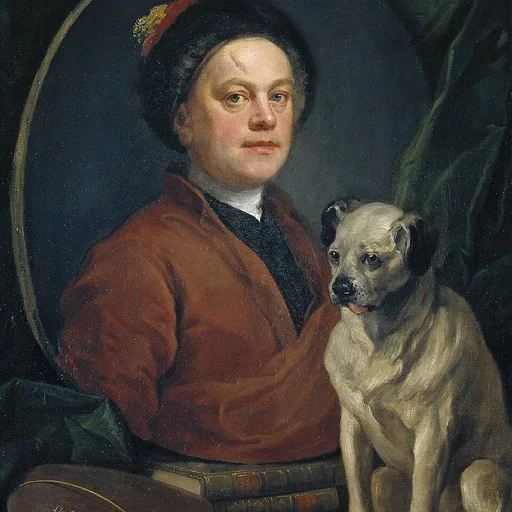
Artist
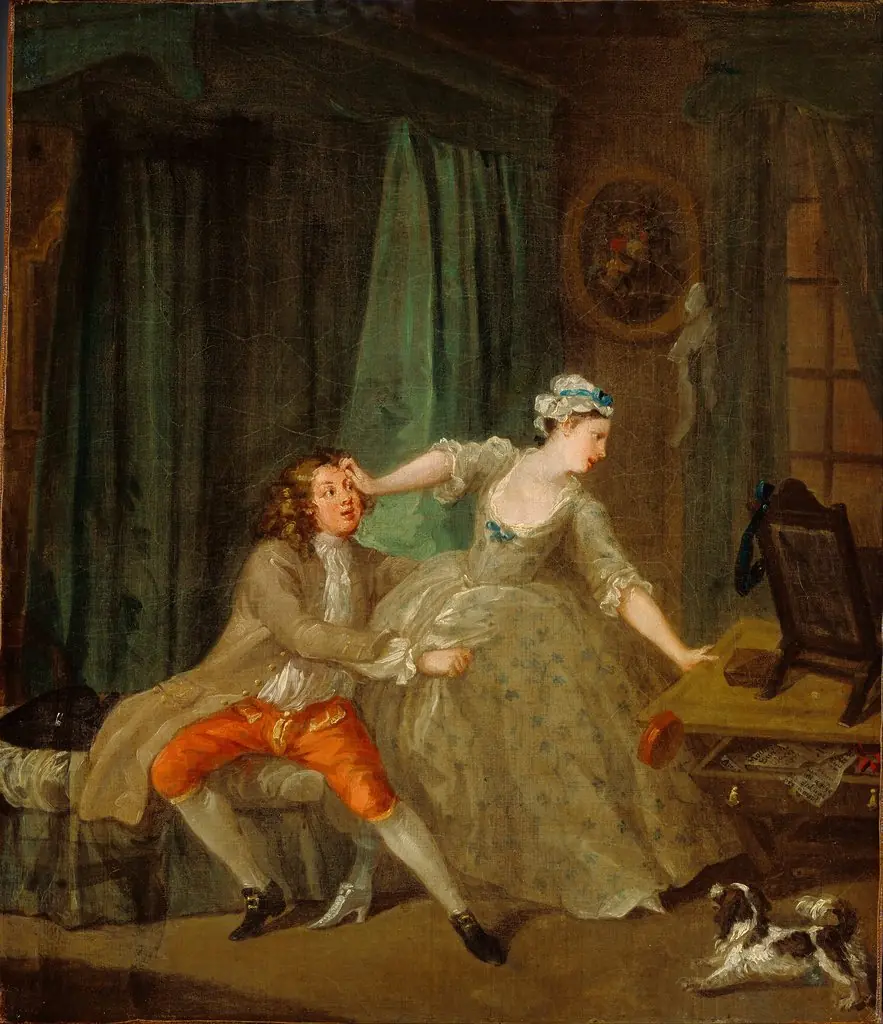
William Hogarth (; 10 November 1697 – 26 October 1764) was an English painter, engraver, satirist, cartoonist and writer.