Artwork
The Theft of the Watch
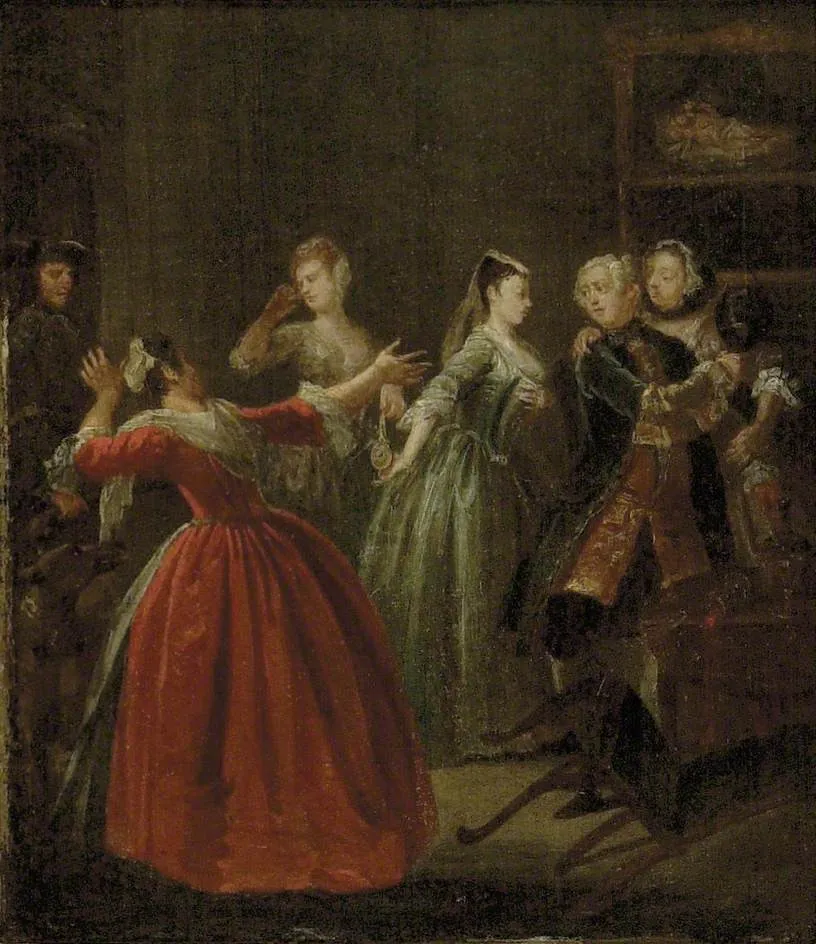
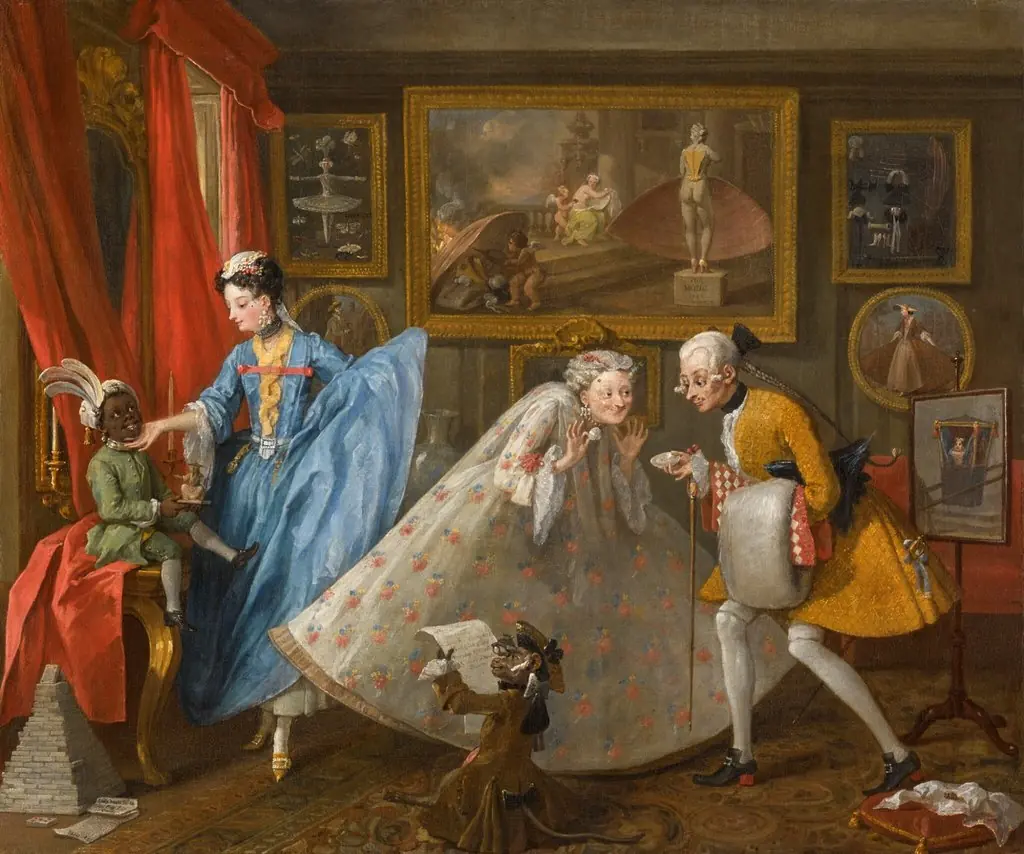
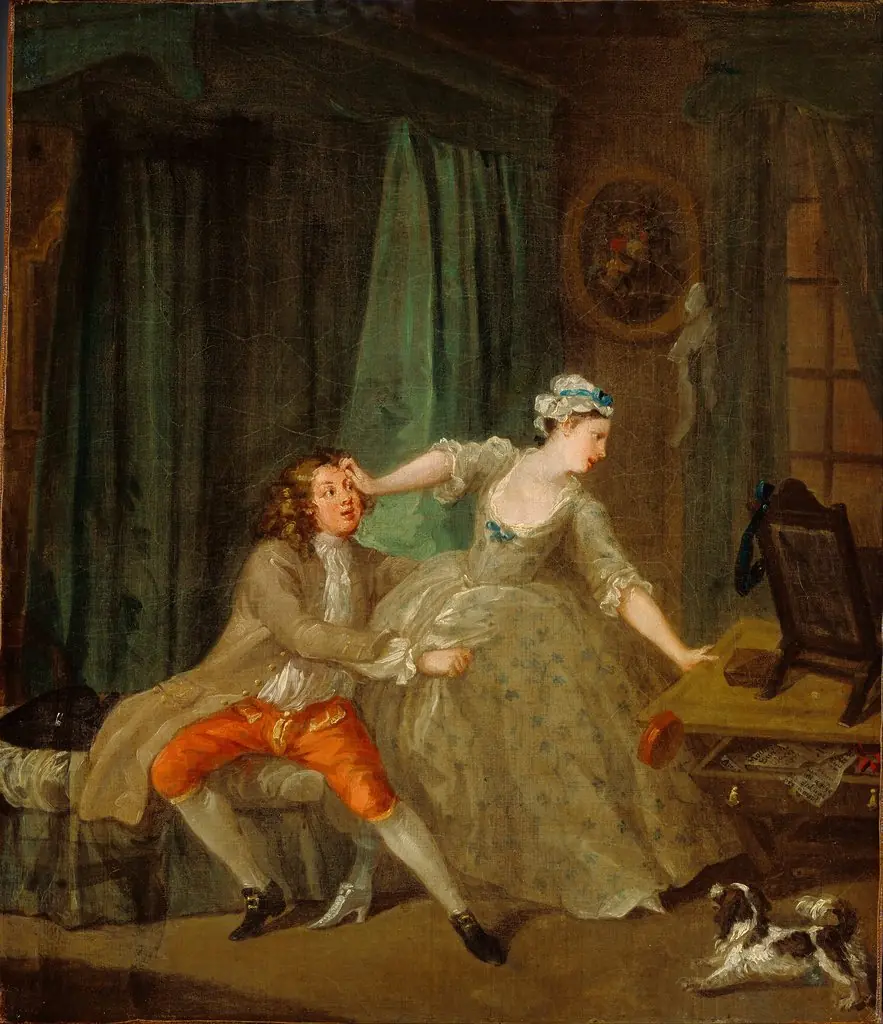
The Theft of the Watch is an oil painting by the Rococo painting artist William Hogarth. It dates from 1730 and is held in the collection of the Ashmolean Museum.
About this work
Overview
The Theft of the Watch, executed in oil in 1730, is an early eighteenth‑century work by English artist William Hogarth.
The Theft of the Watch, executed in oil in 1730, is an early eighteenth‑century work by English artist William Hogarth. Though often linked to the Rococo’s decorative sensibility, the painting functions primarily as a satirical narrative, depicting a domestic scene in which a man in a red coat attempts to seize a pocket watch from a woman in a green dress. The composition is held by the Ashmolean Museum.
Subject & Meaning
The central action shows a woman clutching a pocket watch while a red‑coated figure reaches toward it, suggesting a moment of theft or attempted pilferage. A second woman in white watches the exchange, adding a layer of voyeurism. Hogarth’s choice of a commonplace domestic interior and his focus on deceit reflect his broader interest in moralizing scenes that expose social vices and human folly.
Technique & Style
Rendered with oil on canvas, the painting employs strong contrasts of light and shadow that recall chiaroscuro, heightening the drama of the encounter. The figures are dressed in period costume, rendered with fine brushwork that captures fabric texture. While the overall palette is muted, the red coat stands out, guiding the viewer’s eye to the central act of mischief.
History & Provenance
Created during Hogarth’s early career, the work predates his famous series of moral engravings. It entered the Ashmolean Museum’s collection in the twentieth century, where it remains part of the institution’s holdings of British art. The painting’s provenance prior to museum acquisition is not extensively documented, but its presence in the Ashmolean underscores its relevance to studies of Hogarth’s formative period.
Context
Hogarth (1697–1764) worked across portraiture, engraving, and narrative sequences that critiqued contemporary manners. The Theft of the Watch exemplifies the “Hogarthian” approach that later defined visual satire in Britain. Though the Rococo movement emphasized ornamental elegance, Hogarth adapted its lightness to serve a moralizing agenda, embedding social commentary within a seemingly ordinary domestic tableau.
Artist & collection
Artist
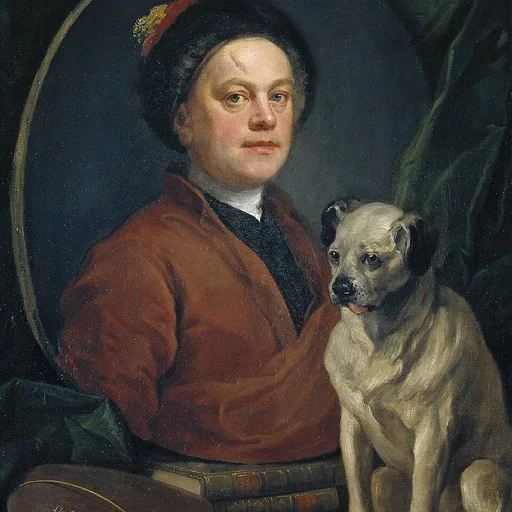
William Hogarth (; 10 November 1697 – 26 October 1764) was an English painter, engraver, satirist, cartoonist and writer.

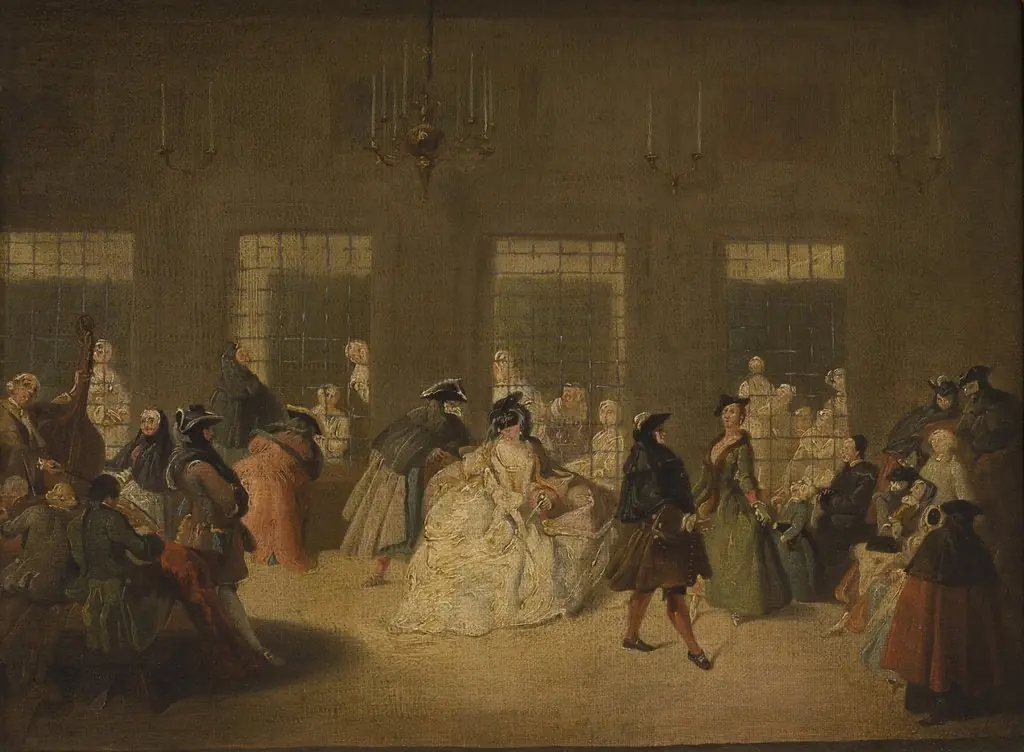 Theme from the Venetian Carnival – In the Parlatory of the Monastery
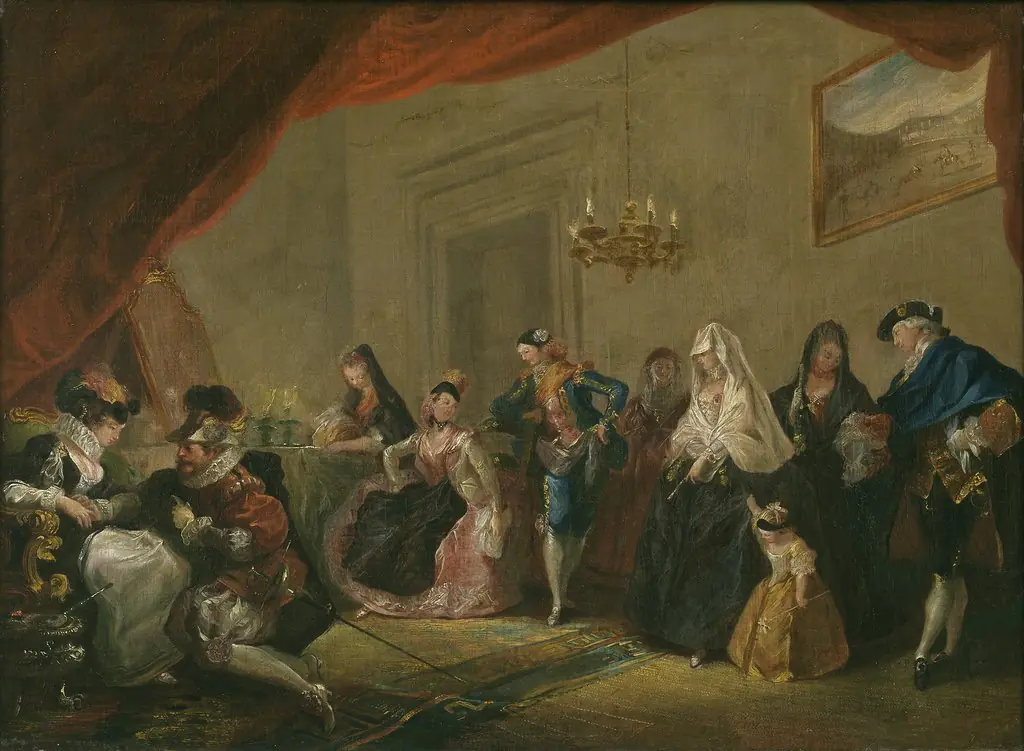 Rehearsal for a Play
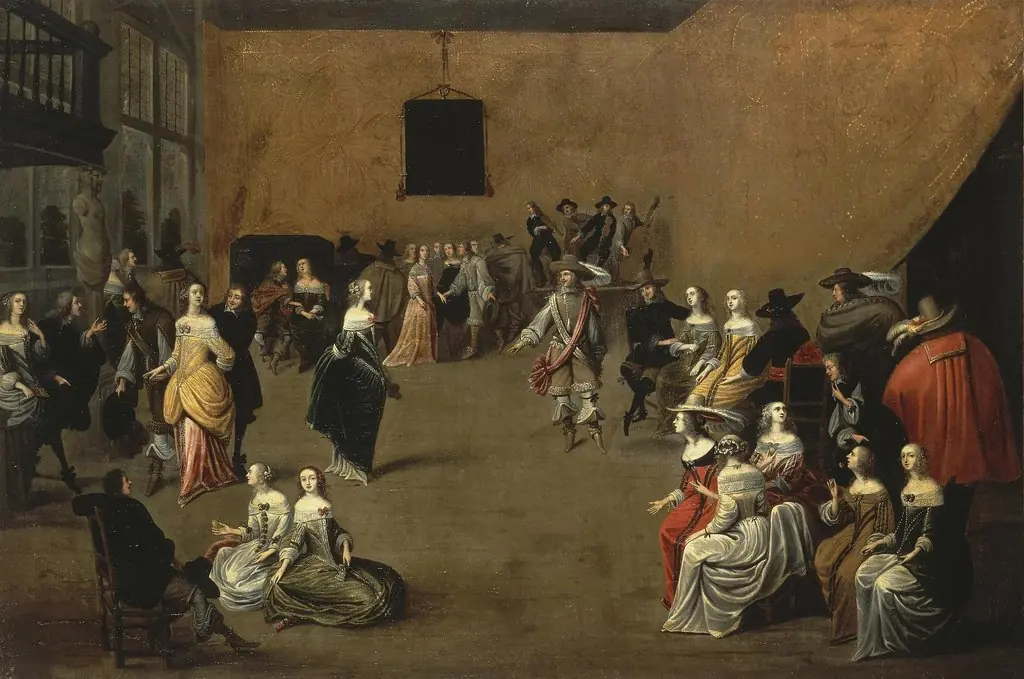 The Ball
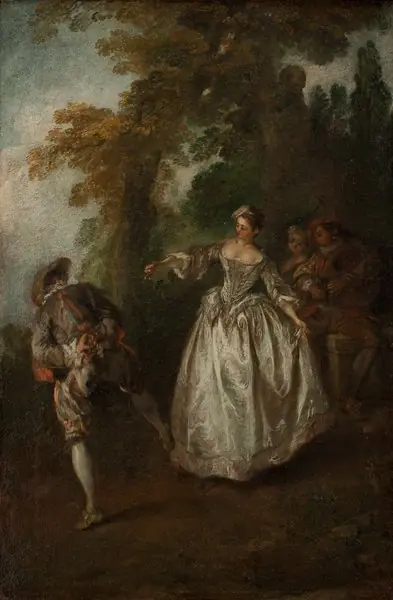 Open Air Dance
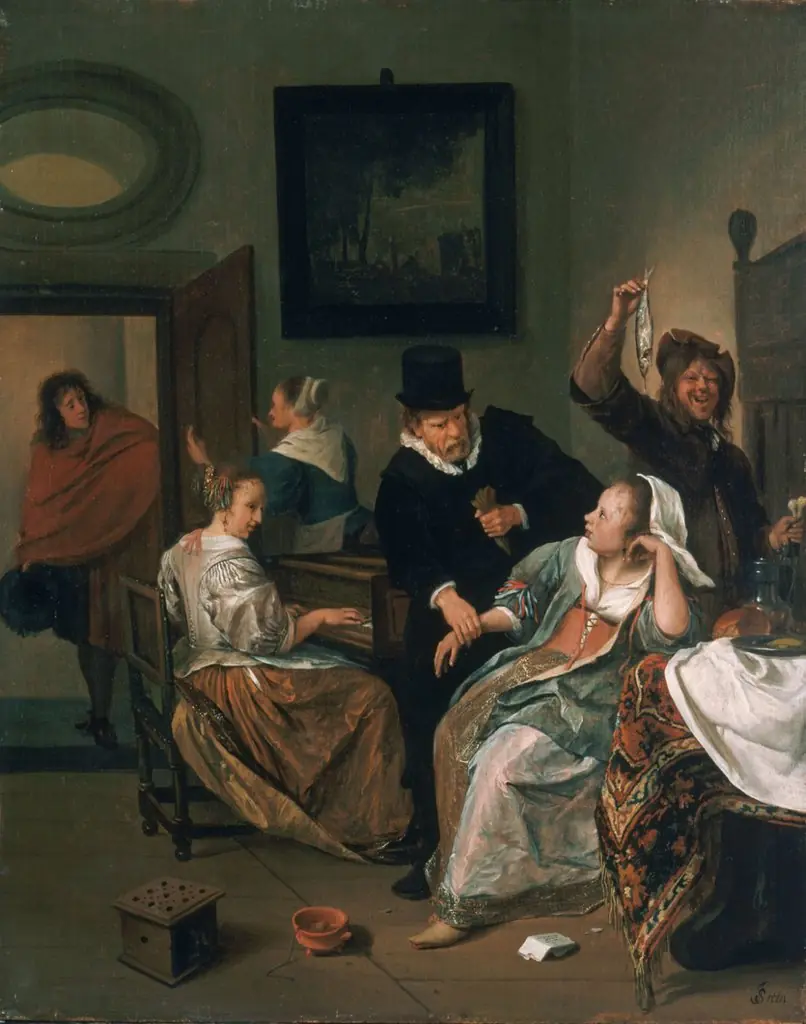 The Doctor's Visit
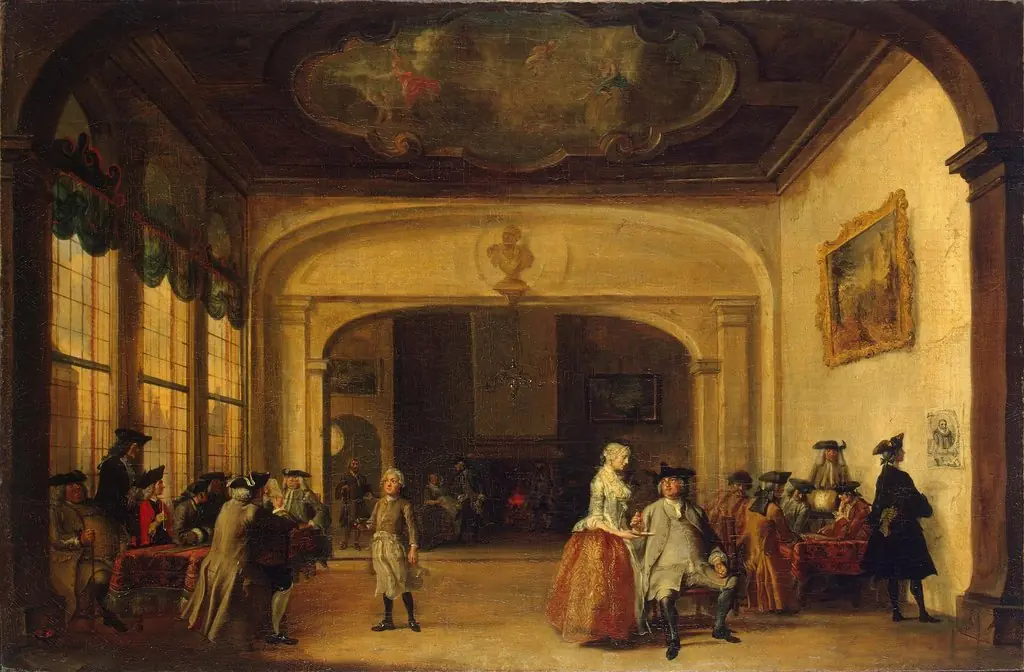 Scene in a Coffee Shop
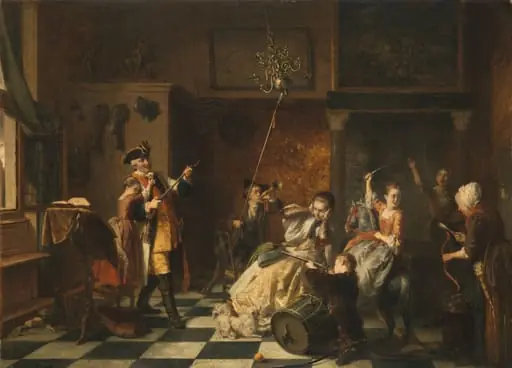 De vadermoorders, ‘Het wil al muizen wat van katten komt’
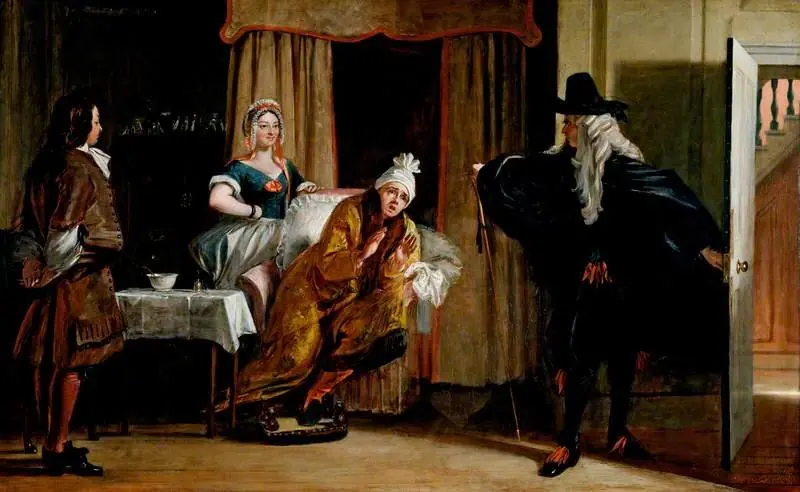 Le Malade Imaginaire
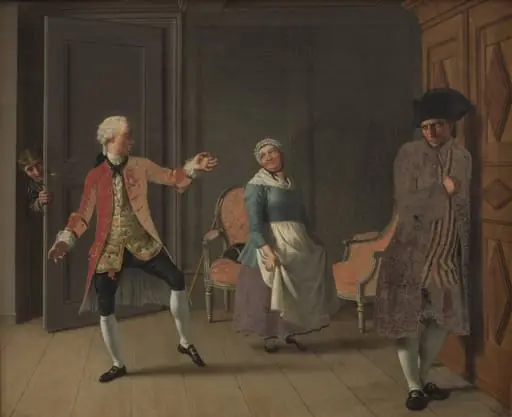 From Ludvig Holberg's "Jean de France", Act 1, Scene 6
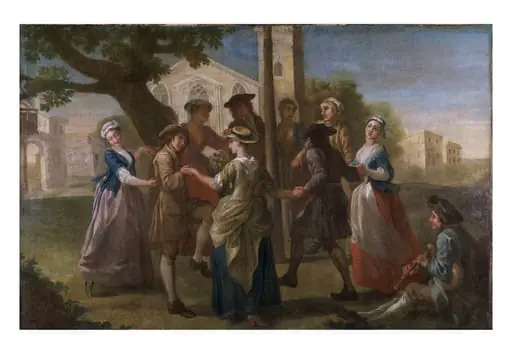 Country Dances Round a Maypole
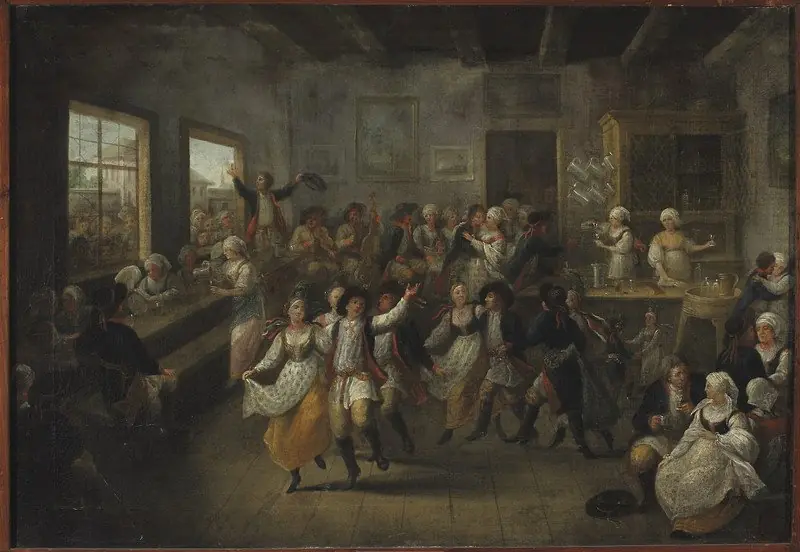 Tavern in Kraków
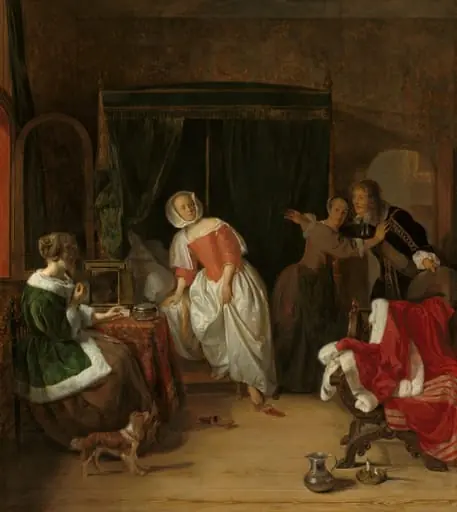 The Intruder