Artwork
The Thames at Chelsea, Evening
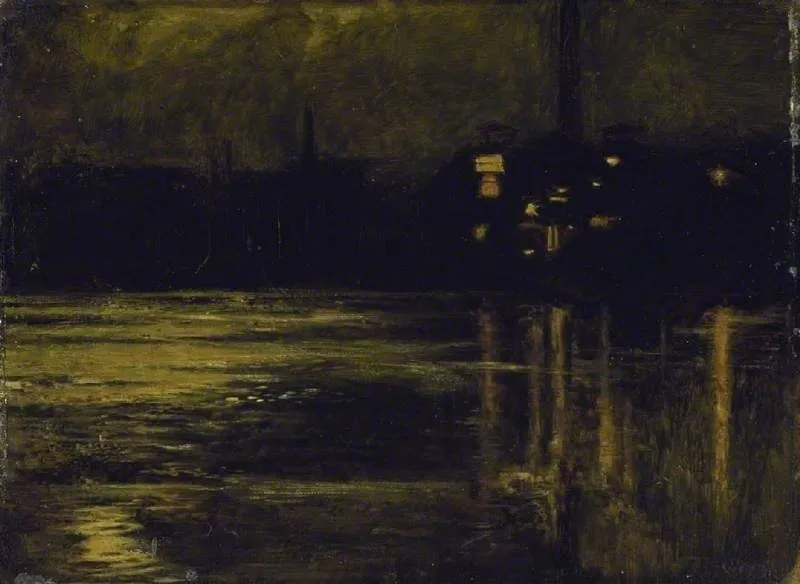
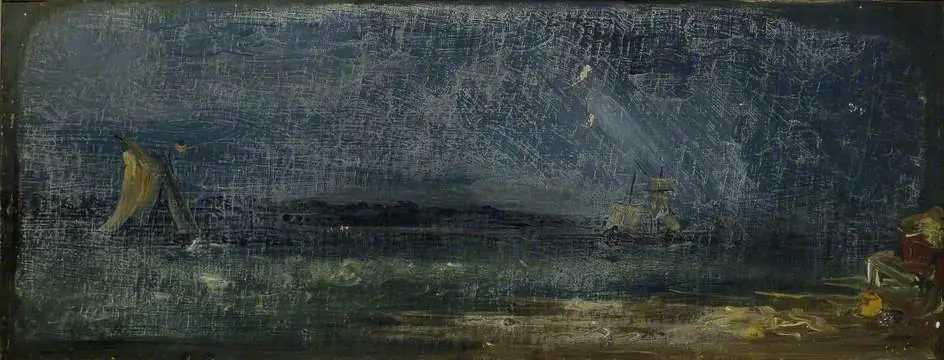
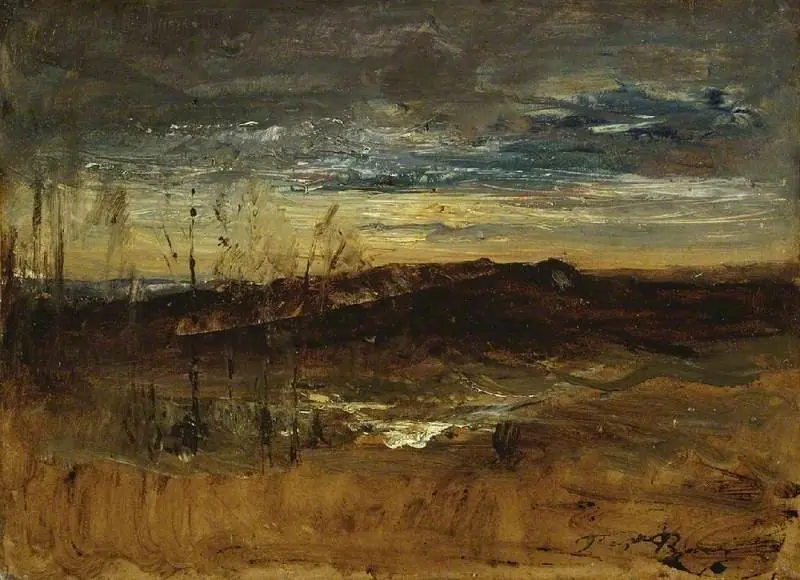
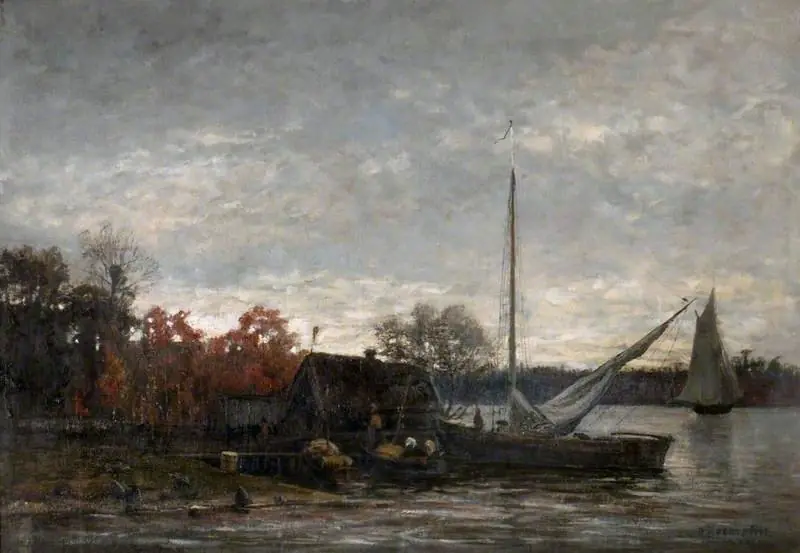
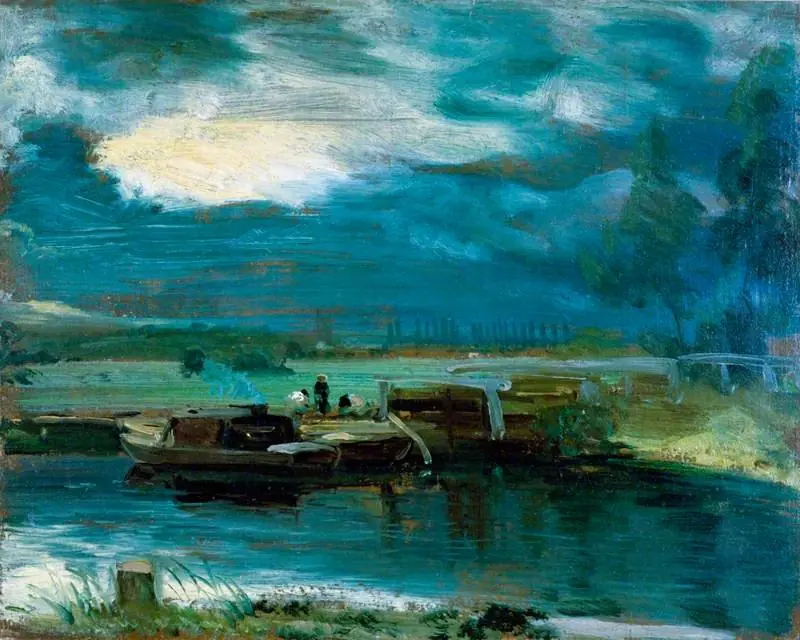
The Thames at Chelsea, Evening is an oil painting by William Holman Hunt. It dates from 1853 and is held in the collection of the Fitzwilliam Museum.
About this work
Overview
Unlike the bright, detailed scenes typical of early Pre-Raphaelite works, this piece embraces a subdued, nocturnal mood.
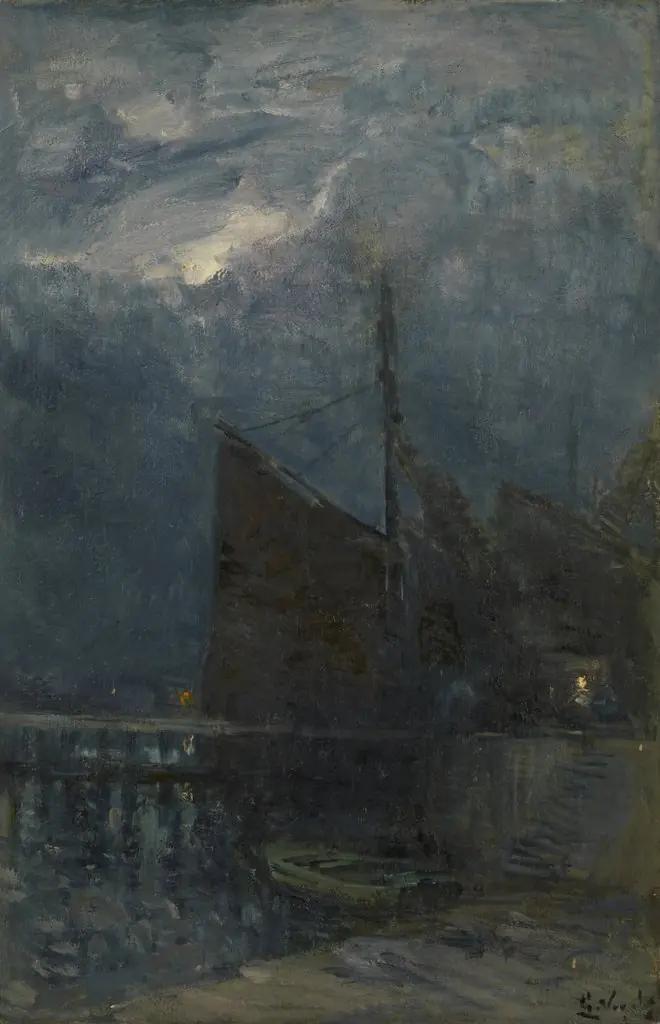
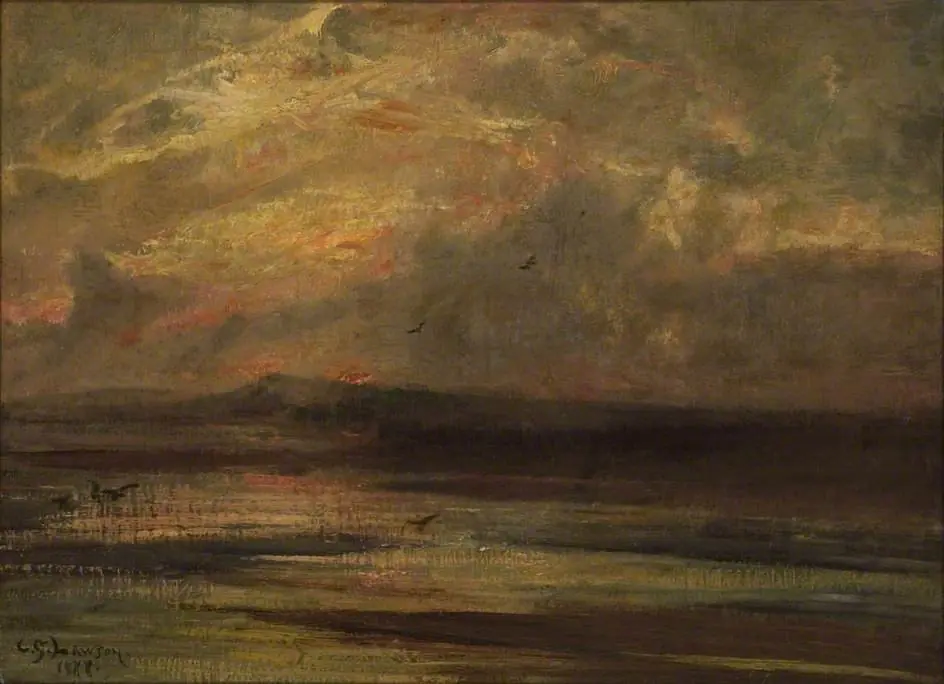
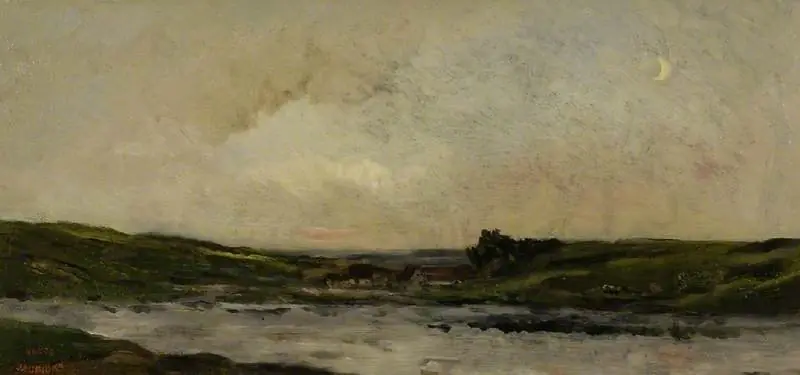
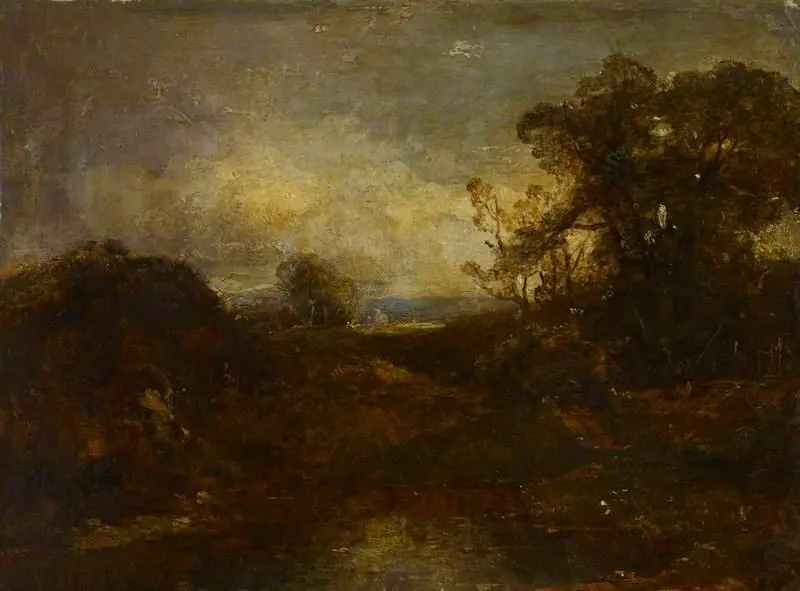
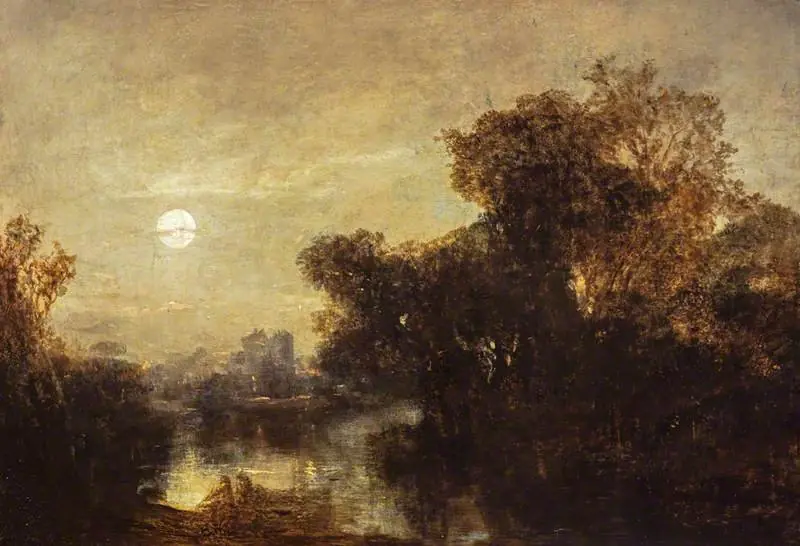
Painted in 1853 by William Holman Hunt, this oil on canvas captures the Thames River at Chelsea during twilight. Unlike the bright, detailed scenes typical of early Pre-Raphaelite works, this piece embraces a subdued, nocturnal mood. Hunt focuses on the quiet interplay between artificial light and natural darkness, signaling a shift in his approach while retaining his commitment to precise observation.
Subject & Meaning
The scene portrays the river at dusk, with the glow of gas lamps reflecting on its still surface. The absence of human figures emphasizes solitude and the quiet rhythm of urban life. Hunt’s choice of evening suggests transition—not just between day and night, but perhaps between industrial progress and lingering natural tranquility. The muted tones and careful lighting invite contemplation rather than narrative.
Technique & Style
Hunt employs chiaroscuro to define form through sharp contrasts between light and shadow, particularly in the way lamplight fractures across the water’s surface. Brushwork is controlled, with thin glazes building subtle gradations in the sky and reflections. The dark, nearly black river anchors the composition, while the faint stars above introduce a restrained celestial presence, enhancing the painting’s atmospheric depth.
History & Provenance
Created shortly after Hunt’s most overtly symbolic works, this painting reflects his evolving interest in mood over allegory. It was likely painted en plein air, consistent with his practice of direct observation. The work remained in private hands for much of the 19th century before entering a public collection, where it is now recognized as a quiet but significant example of his later Pre-Raphaelite phase.
Context
In the early 1850s, London’s riverside was undergoing rapid change, with gas lighting extending the hours of urban activity. Hunt’s depiction of Chelsea’s waterfront captures this transitional moment—neither fully industrial nor entirely pastoral. While other artists focused on social commentary, Hunt turned inward, using light and silence to reflect the psychological weight of modernization.
Legacy
Though less discussed than his religious or allegorical paintings, this work influenced later artists interested in nocturnal atmosphere and the emotional potential of urban landscapes. Its restrained palette and emphasis on light as a structural element prefigure aspects of Impressionist and Tonalist approaches. Hunt’s quiet observation of the Thames helped redefine the possibilities of landscape painting beyond idealized nature.
Artist & collection
Artist
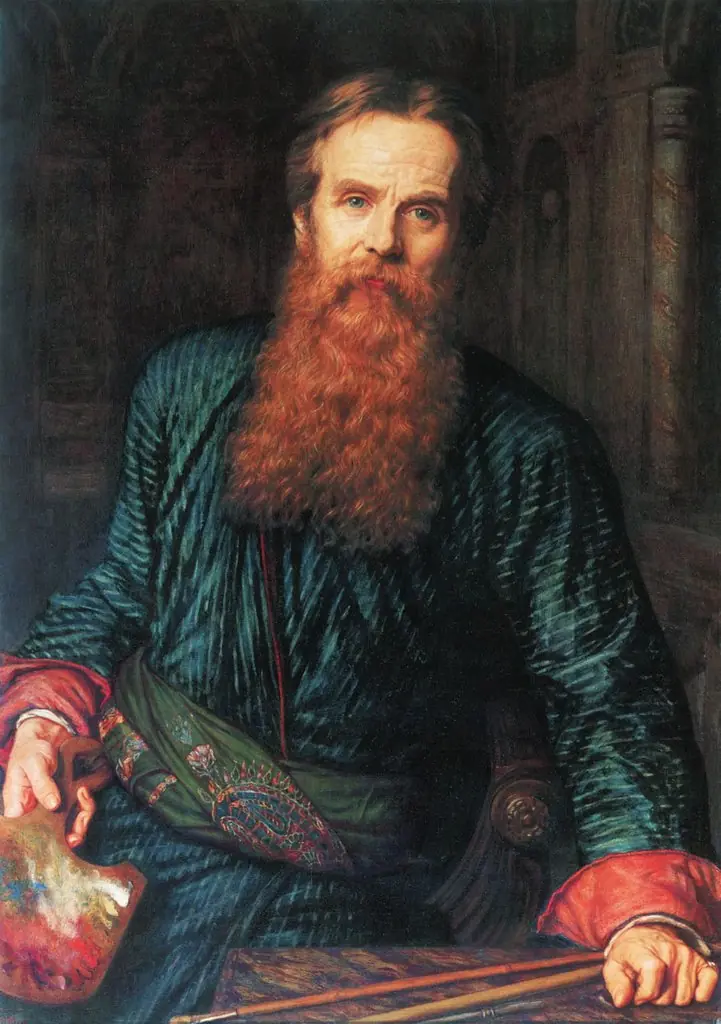
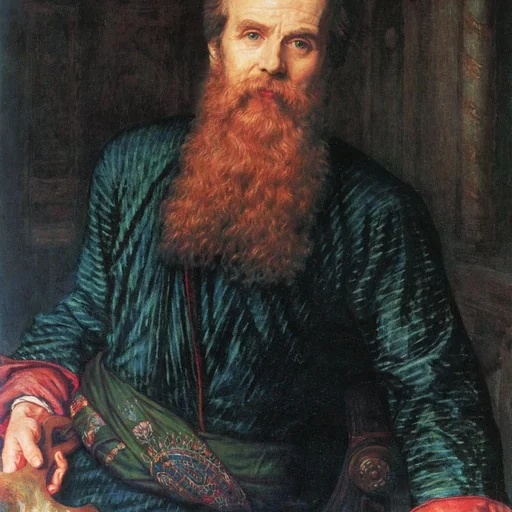
William Holman Hunt (2 April 1827 – 7 September 1910) was an English painter and one of the founders of the Pre-Raphaelite Brotherhood.