Artwork
demonstration wash drawing
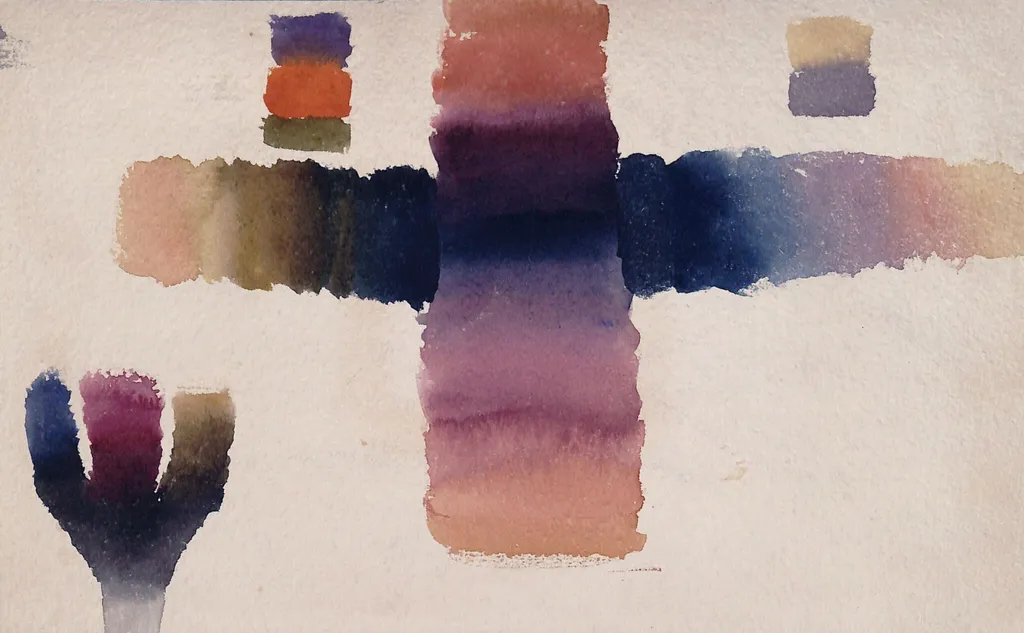
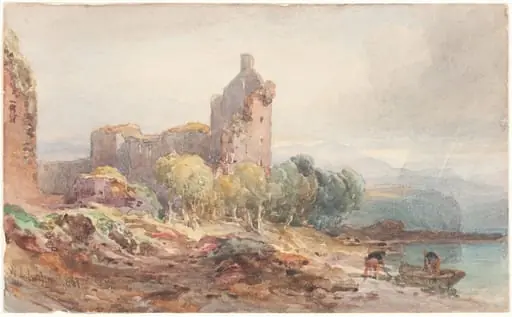
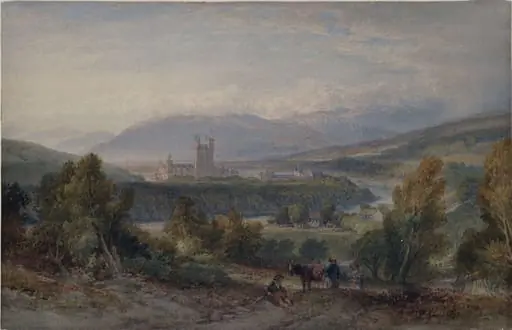
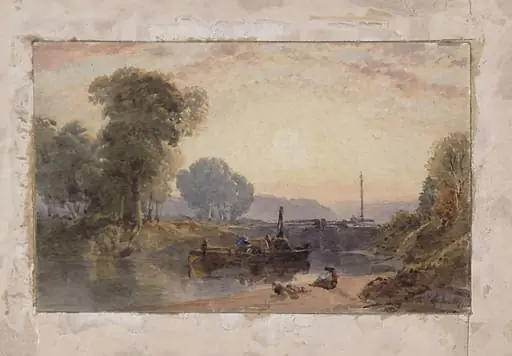
demonstration wash drawing is a watercolor work on paper by the Romanticist artist William Leighton Leitch. It dates from 6 and is held in the collection of the Victoria and Albert Museum.
About this work
Overview
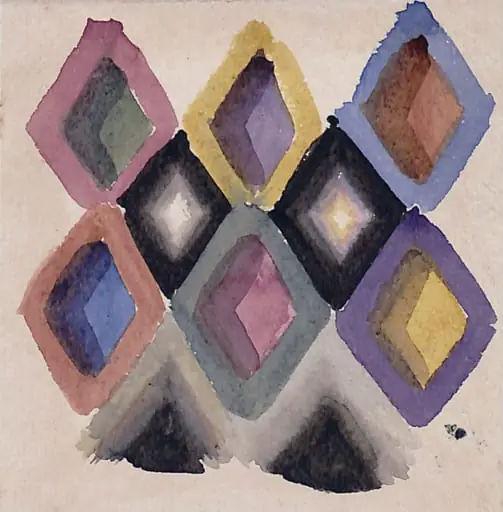
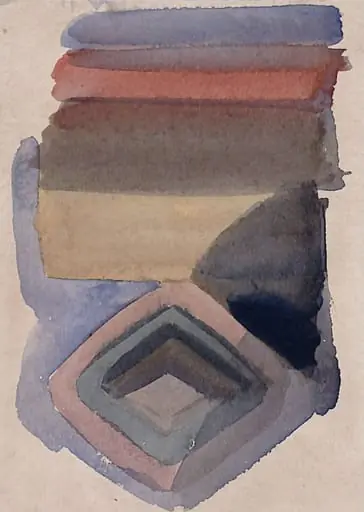
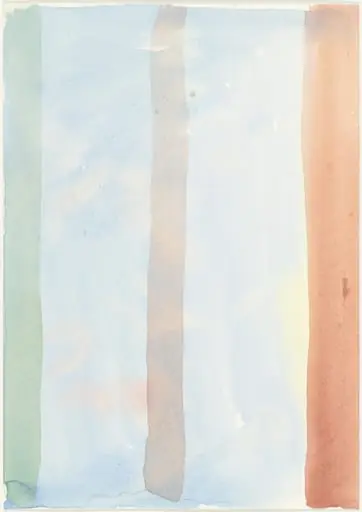
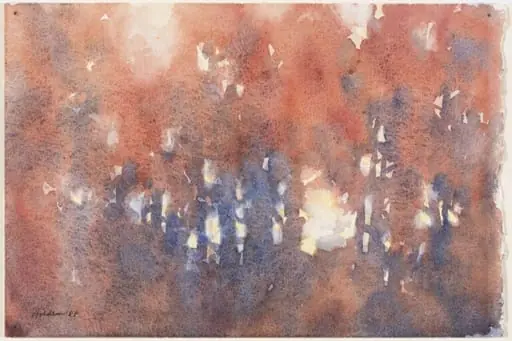
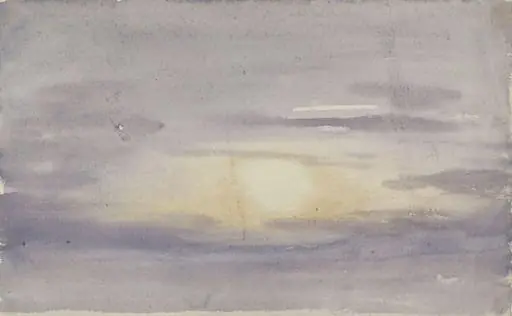
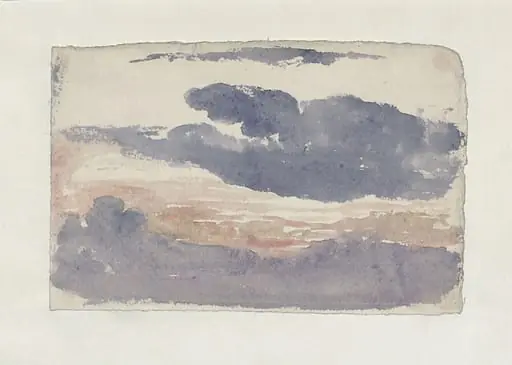
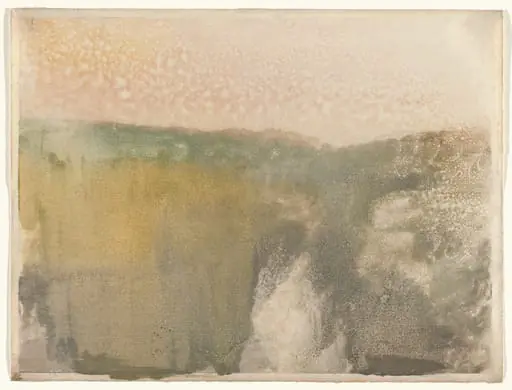
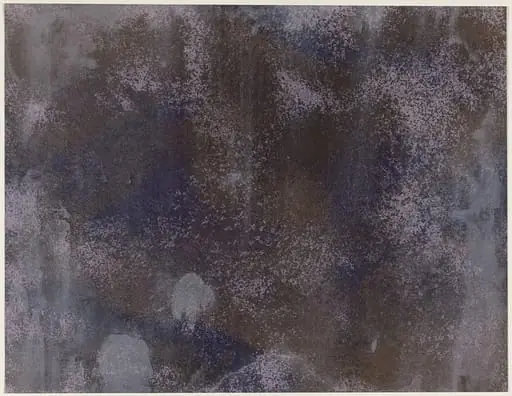
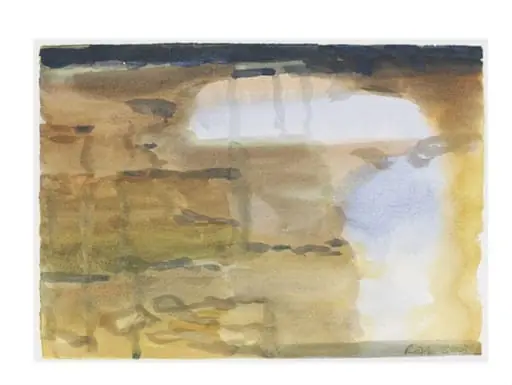
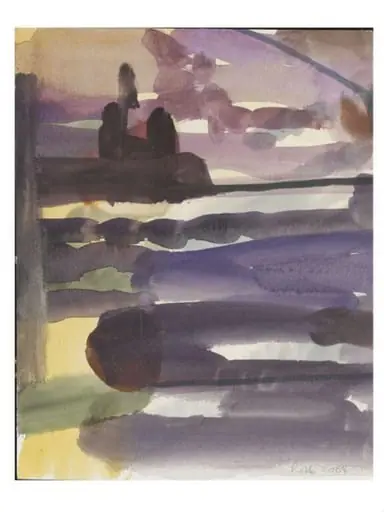
This watercolour work, executed by William Leighton Leitch, serves as a practical illustration of wash techniques. Inscribed on its reverse in ink, it bears the date 8 April 1841, confirming its creation in the early Victorian period. The composition consists of loosely applied colour fields rather than representational imagery, emphasizing the properties of the medium itself.
Subject & Meaning
The piece does not depict a recognizable scene; instead it arranges abstract forms—a dark V‑shaped stroke in the lower left, a cluster of small, vivid squares in red, blue and green near the top, and a broad, smudged cross of purples and browns at centre. The arrangement invites contemplation of colour interaction and tonal balance rather than narrative content.
Technique & Style
Leitch employed a wet‑on‑wet approach, allowing pigments to bleed and merge without hard edges. The washes blend seamlessly, creating a soft, atmospheric effect. Brushwork appears swift and unrefined, with uneven margins that suggest a rapid application. The resulting surface demonstrates the fluidity and translucency characteristic of 19th‑century watercolor practice.
History & Provenance
The drawing is signed and dated on its back, indicating Leitch’s own documentation of the exercise. As a demonstrative study, it likely functioned as a teaching aid or personal experiment. Its survival in a museum collection provides insight into the artist’s pedagogical methods and the broader instructional traditions of watercolor in the 1840s.
Artist & collection
Artist
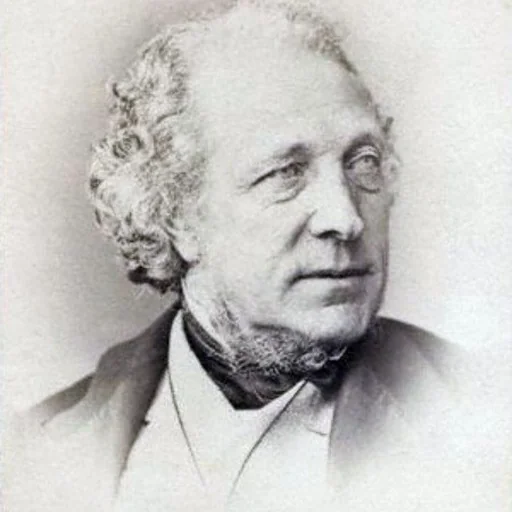
William Leighton Leitch (2 November 1804 – 25 April 1883) was a master Scottish landscape watercolourist and illustrator.