Artwork
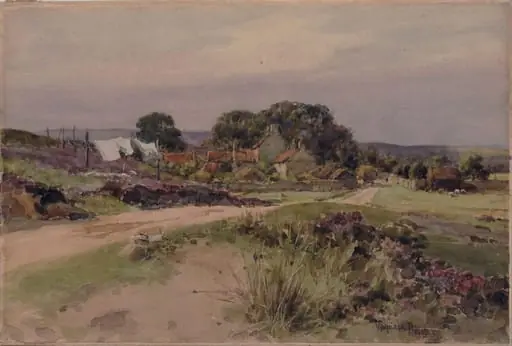
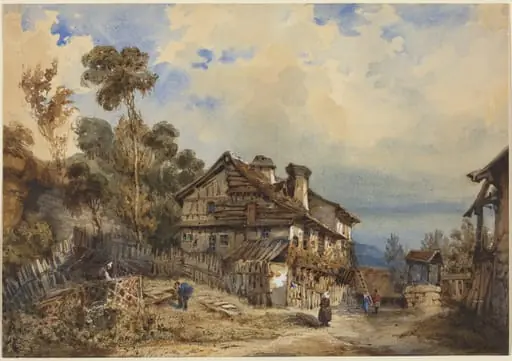
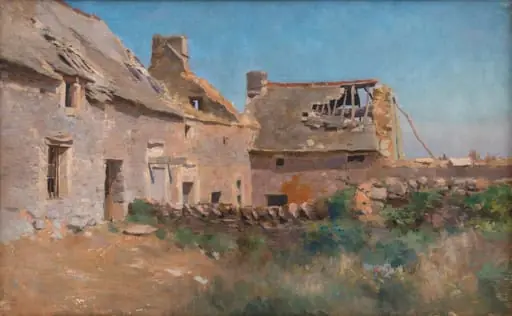
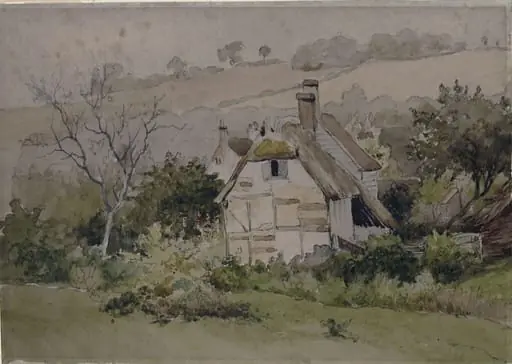
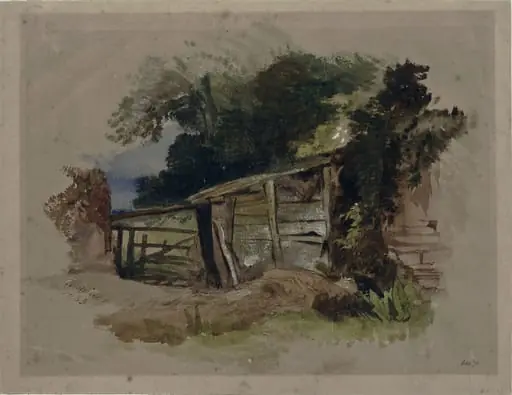
A Saw Pit at Houston, Renfrewshire
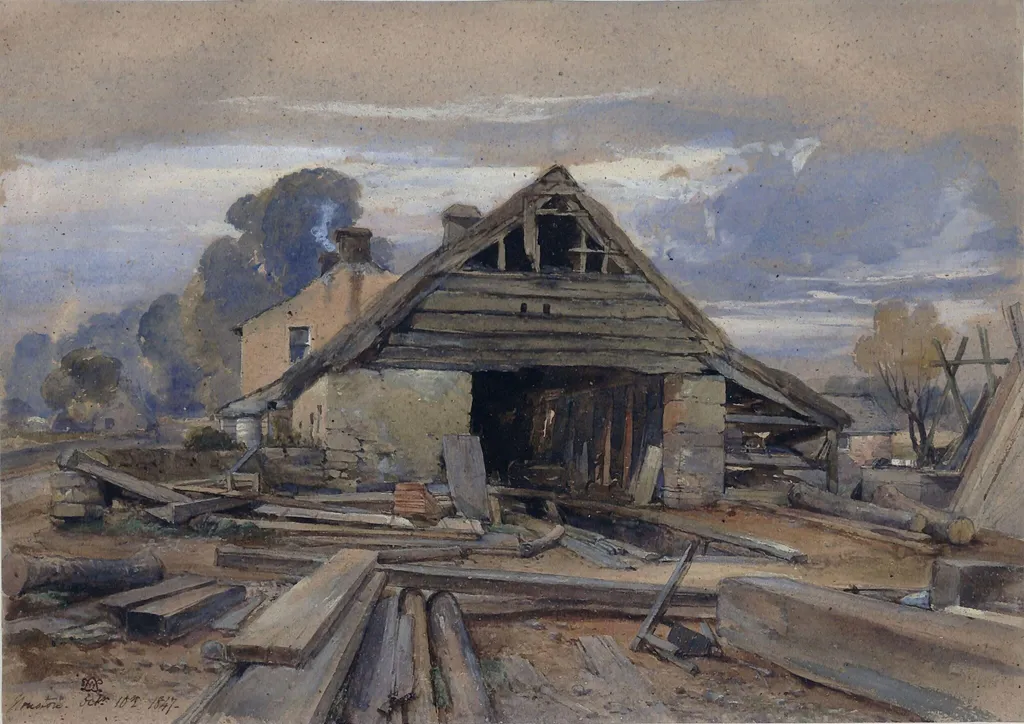
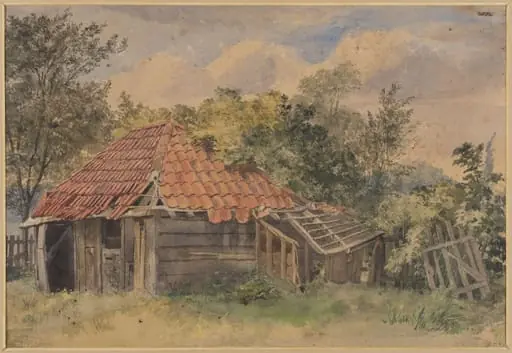
A Saw Pit at Houston, Renfrewshire is a watercolor work on paper by the British Romanticist artist William Leighton Leitch. It dates from 10 and is held in the collection of the Victoria and Albert Museum.
About this work
Overview
The painting is part of the Victoria and Albert Museum’s collection, where it stands as an example of everyday rural labor rendered with quiet precision.
Created by Scottish watercolourist William Leighton Leitch, this work captures a rural timber-processing site in Renfrewshire. Executed in watercolour during the mid-19th century, it reflects Leitch’s commitment to landscape observation and his role in advancing British watercolour practice. The painting is part of the Victoria and Albert Museum’s collection, where it stands as an example of everyday rural labor rendered with quiet precision.
Subject & Meaning
The scene centers on a saw pit, a functional structure where two workers cut logs by hand—one above, one below ground. Set against a modest cottage and scattered trees, the image conveys the physicality of rural industry without idealization. The muted tones and overcast sky suggest a working day unadorned by romance, emphasizing the quiet dignity of manual labor in the Scottish countryside.
Technique & Style
Leitch employed loose, fluid brushwork to suggest movement in foliage and shifting light across the earth. The palette is restrained, dominated by earth browns, greys, and soft greens, reinforcing the scene’s somber realism. Subtle chiaroscuro defines the pit’s depth and the figures’ forms, while the sky’s diffuse light unifies the composition without dramatic contrast, aligning with the restrained aesthetic of British watercolour tradition.
History & Provenance
Leitch, who served as Drawing Master to Queen Victoria and led the Royal Institute of Painters in Watercolours, produced this work during a period when watercolour was gaining institutional recognition. The painting entered the Victoria and Albert Museum’s collection as part of its broader effort to document British artistic and industrial life in the 19th century, preserving scenes of ordinary labor alongside fine art.
Context
In early Victorian Britain, watercolour was increasingly valued for its immediacy and accessibility. Leitch’s focus on utilitarian landscapes like saw pits aligned with a growing interest in documenting the nation’s working environments. While Romanticism often idealized nature, this work grounds its aesthetic in the tangible rhythms of rural industry, reflecting a shift toward observational realism in British art.
Legacy
Leitch’s work helped legitimize watercolour as a medium for serious subject matter beyond picturesque scenery. His depiction of the saw pit contributed to a broader visual record of 19th-century labor practices. Though not widely exhibited today, the painting remains a quiet testament to the role of watercolour in capturing the unromanticized textures of everyday life in industrializing Britain.
Own this work as a print
Artist & collection
Artist
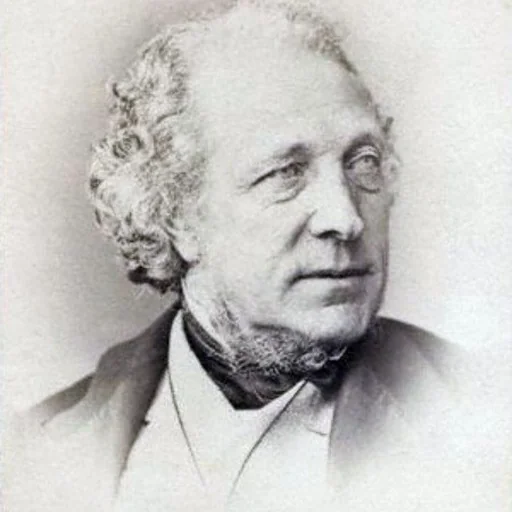
William Leighton Leitch (2 November 1804 – 25 April 1883) was a master Scottish landscape watercolourist and illustrator.