Artwork
Sketch to illustration "The Stationary Baby"
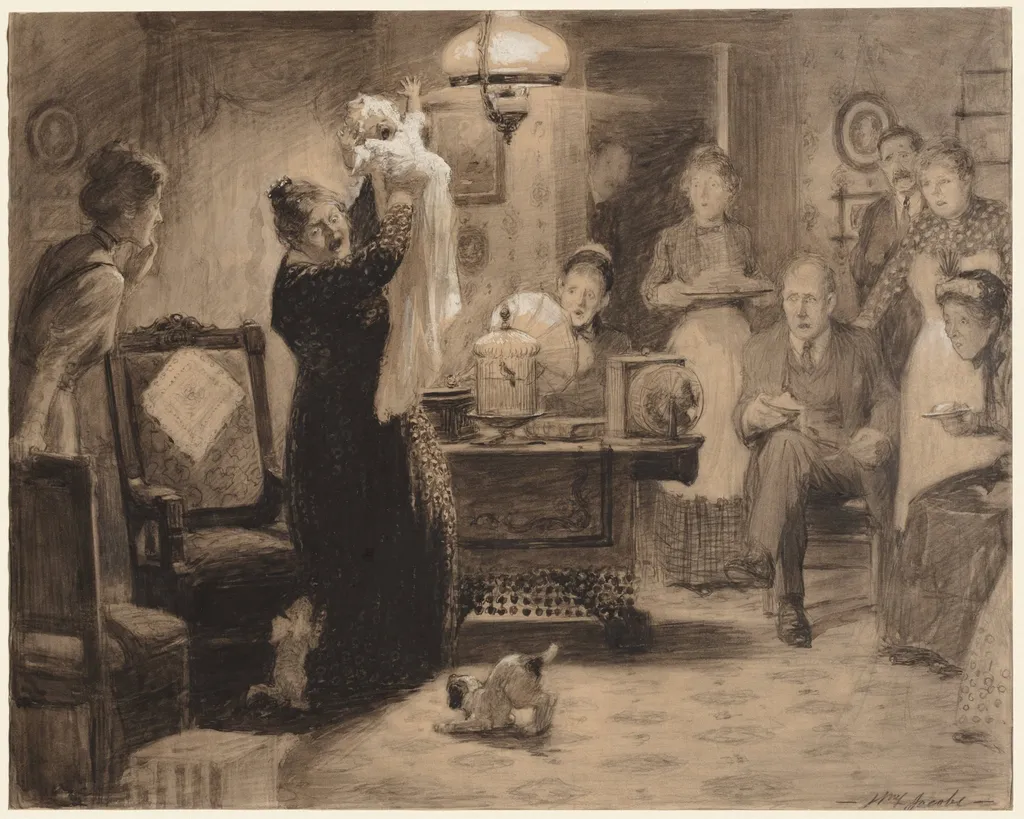
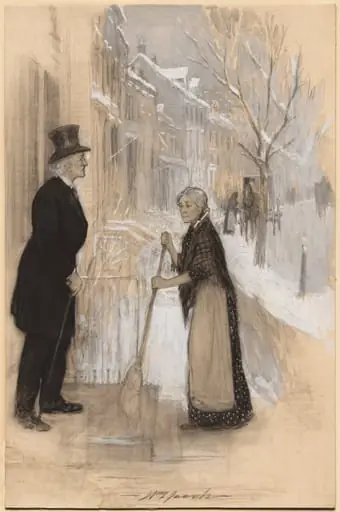
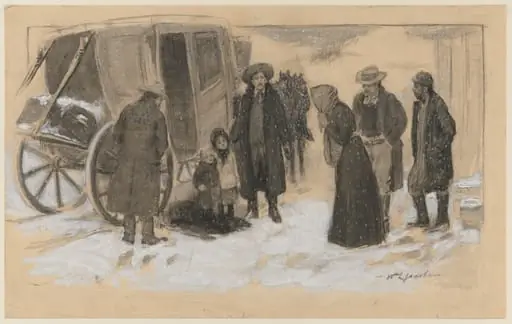
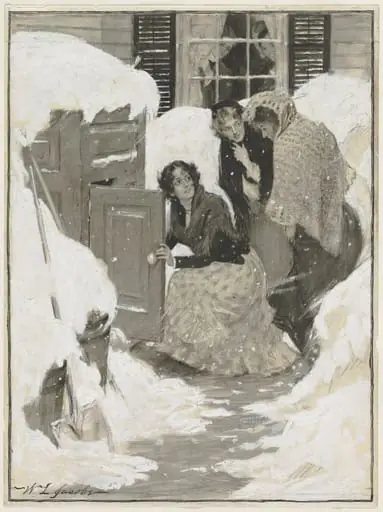
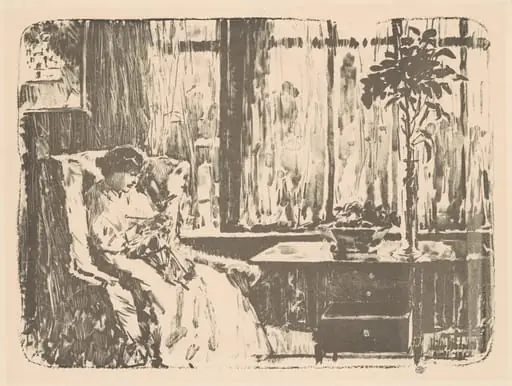
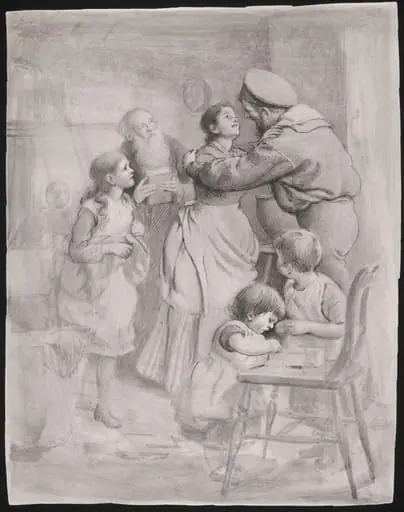
Sketch to illustration "The Stationary Baby" is a drawing by William Leroy Jacobs. It dates from 1912 and is held in the collection of the Cleveland Museum of Art.
About this work
Overview
Created in 1912 by William Leroy Jacobs, this pencil sketch served as a preparatory study for an illustrated scene titled 'The Stationary Baby.
Created in 1912 by William Leroy Jacobs, this pencil sketch served as a preparatory study for an illustrated scene titled 'The Stationary Baby.' It is part of the collection at The Cleveland Museum of Art. The drawing captures a domestic interior with multiple figures and household objects, rendered in loose, expressive lines that suggest movement and informal observation rather than polished finish.
Subject & Meaning
The scene depicts a cluttered living room where six individuals and a dog are gathered around a swaddled infant. The baby’s face is intentionally left blank, contrasting with the detailed rendering of surrounding figures and objects. This omission may reflect a wry commentary on the impossibility of capturing a still infant, turning the image into a gentle visual pun on the title's irony.
Technique & Style
Jacobs employed a fluid, sketch-like approach using pencil, emphasizing gesture over precision. Details like the birdcage, clock, and framed wall pictures are suggested with minimal strokes, while figures are loosely defined. The absence of shading and the open, unfinished quality of the baby’s face highlight the drawing’s role as a working study, prioritizing composition and narrative over finish.
History & Provenance
The sketch entered The Cleveland Museum of Art’s collection as part of its holdings of early 20th-century American illustration. It was likely produced for publication in a periodical or children’s book, given Jacobs’s known work in commercial illustration. Its preservation reflects the museum’s interest in documenting the process behind illustrated narratives of the era.
Context
In the early 1900s, illustrators like Jacobs often created detailed sketches to plan published images for magazines and books. Domestic scenes were common subjects, reflecting contemporary ideals of family life. Jacobs’s sketch aligns with this trend but introduces subtle humor through the impossible stillness of the infant, distinguishing it from more sentimental portrayals of the time.
Legacy
Though not widely exhibited, the sketch offers insight into Jacobs’s working method and the collaborative nature of illustration production. It preserves the spontaneity of the artist’s thought process, serving as a record of how narrative ideas evolved from initial concept to final image, a valuable resource for understanding early American visual storytelling.
Artist & collection