Artwork
The Dead-line
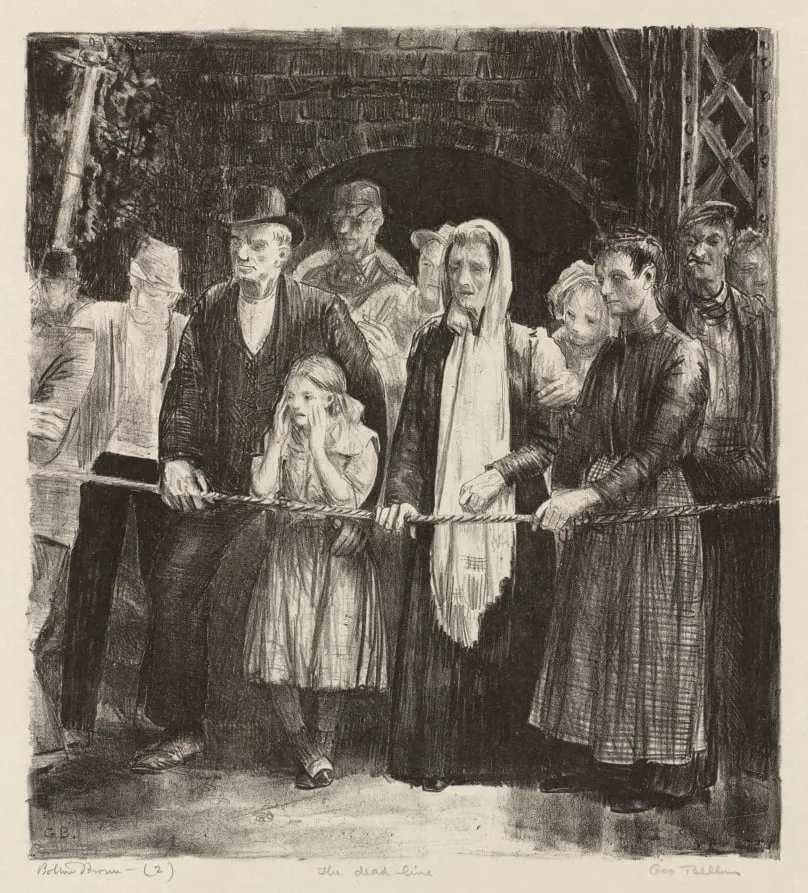
The Dead-line is a print by George Bellows. It dates from 1923 and is held in the collection of the Cleveland Museum of Art.
About this work
Overview
Created in 1923, *The Dead‑line* is a black‑and‑white print by American realist George Bellows. The work is part of the Cleveland Museum of Art’s collection and exemplifies Bellows’s focus on the everyday lives of city dwellers during the early twentieth century.
Subject & Meaning
The composition depicts a weary group of individuals lined up beneath a low, arched opening, some gripping a taut rope stretched between two posts. Their downcast gazes and concealed faces suggest a moment of forced waiting, likely related to labor or industrial conditions, conveying a sense of collective fatigue and uncertainty.
Technique & Style
Bellows employs stark, decisive lines and strong contrasts of light and dark, a chiaroscuro effect that heightens the cramped atmosphere. The limited palette of black and white emphasizes texture and form, while the heavy shading accentuates the oppressive environment surrounding the figures.
History & Provenance
The print entered the Cleveland Museum of Art’s holdings shortly after its creation, becoming a representative example of Bellows’s printmaking output. Its acquisition reflects the museum’s early 20th‑century focus on documenting American social realism.
Context
During the 1920s, Bellows turned his attention from the bustling streets of New York to the harsher realities of industrial labor. *The Dead‑line* aligns with this shift, illustrating the artist’s interest in portraying the socioeconomic pressures faced by workers in post‑war America.
Artist & collection
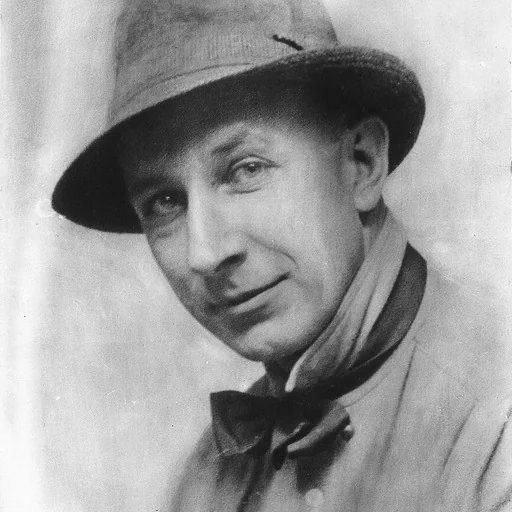
Artist
George Wesley Bellows (August 12 or August 19, 1882 – January 8, 1925) was an American realist painter, known for his bold depictions of urban life in New York City.

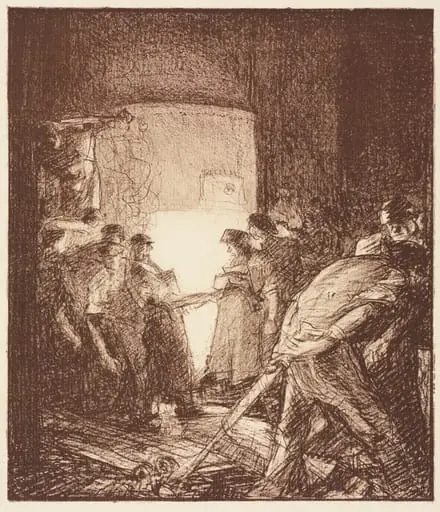 Blast Furnace
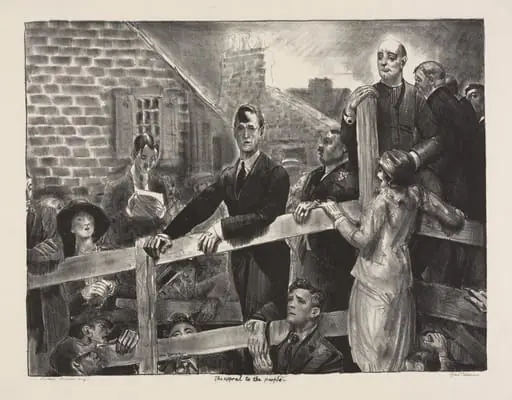 The Appeal to the People
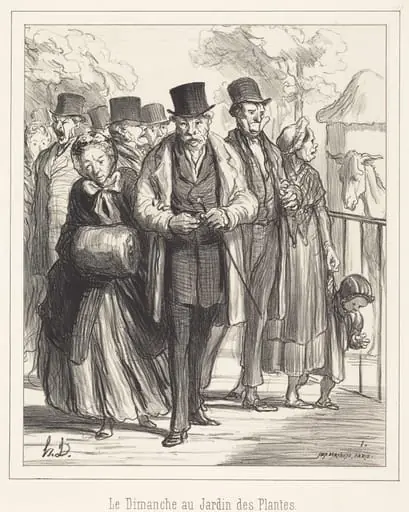 Le Dimanche au Jardin des Plantes
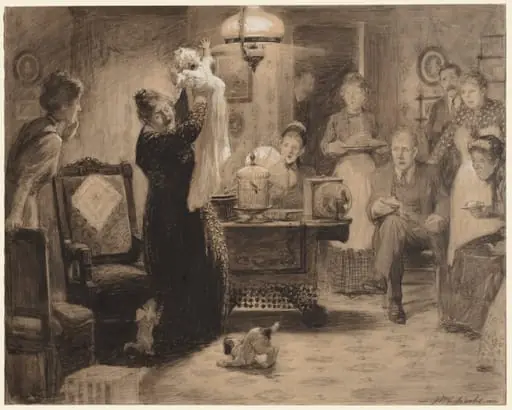 Sketch to illustration "The Stationary Baby"
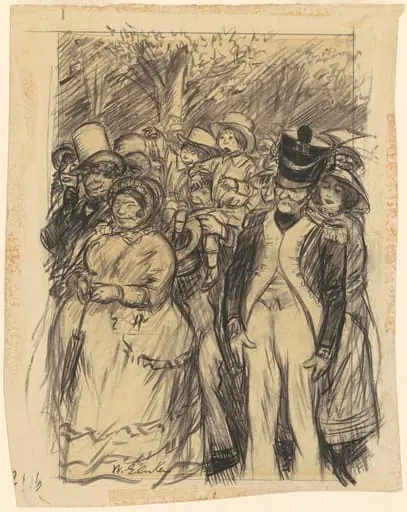 Papa, Carry Me—Take Me Up in Your Arms
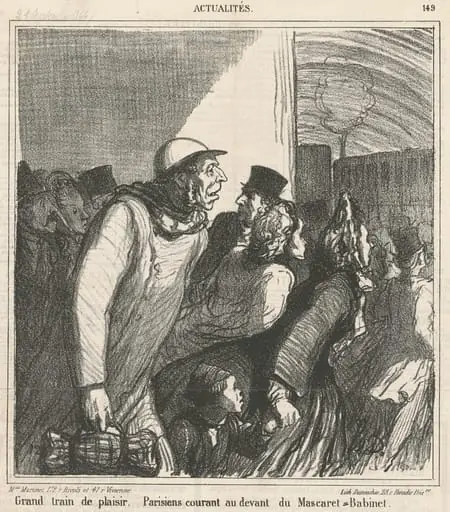 Grand train de plaisir
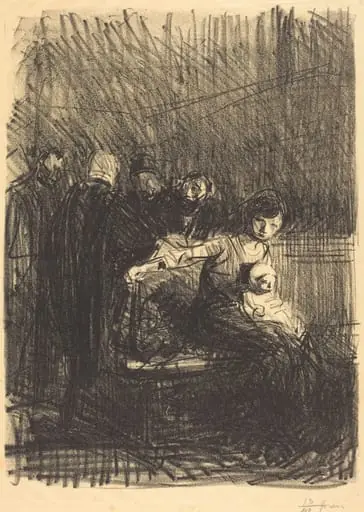 Suspension d'audience (Recess of the Hearing)
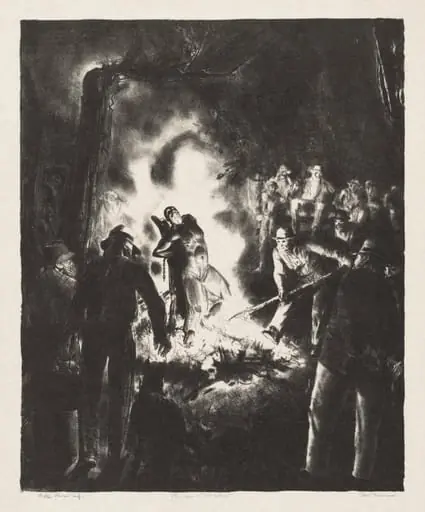 The Law is too Slow
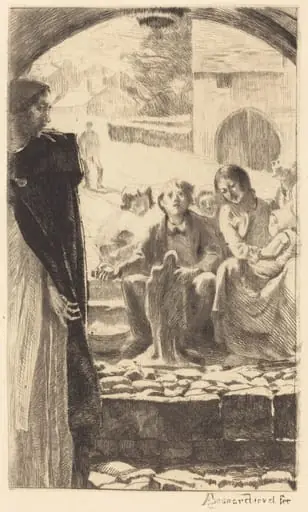 Pierre Copies the Virgin from the Portal of the Church of Marly (Pierre Copie la Vierge du Portail de L'Église de Marly)
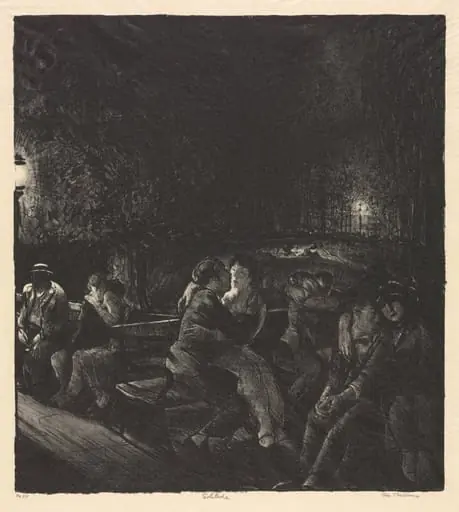 Solitude
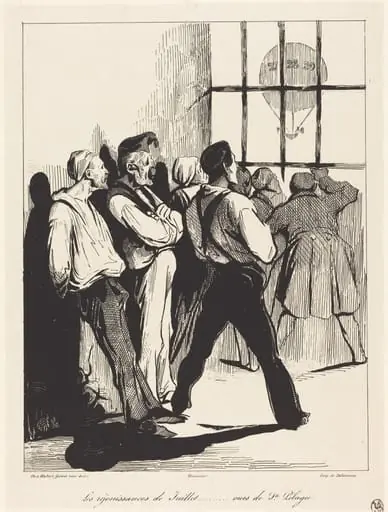 Les réjouissances de Juillet... vues de Ste. Pélagie
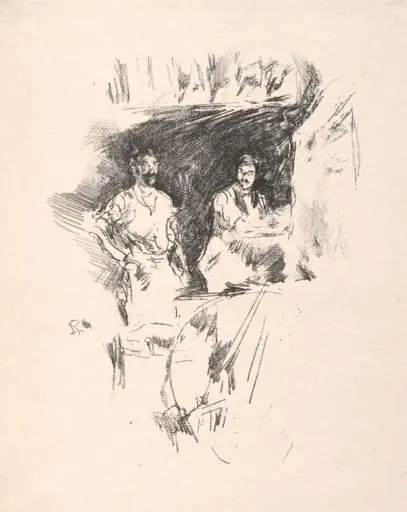 The Brothers