Artwork
Thomas Trotter (1685/6 - 1767)
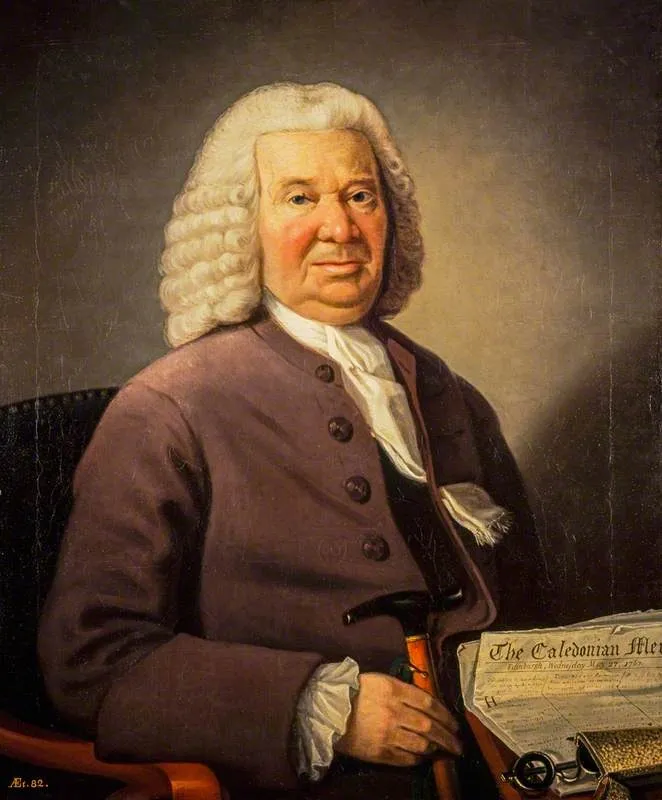
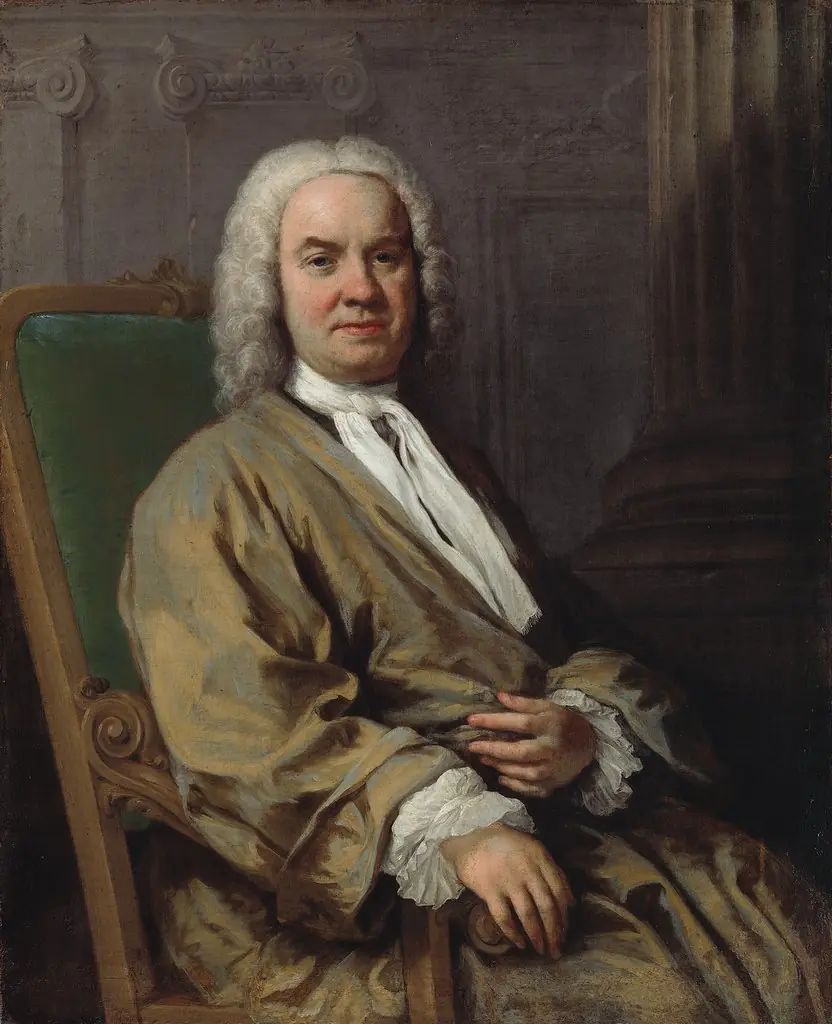
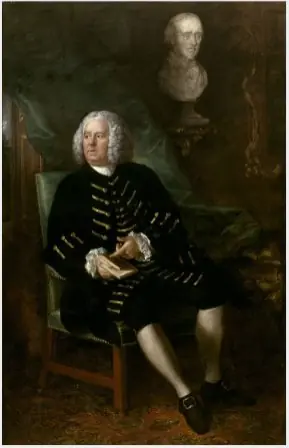
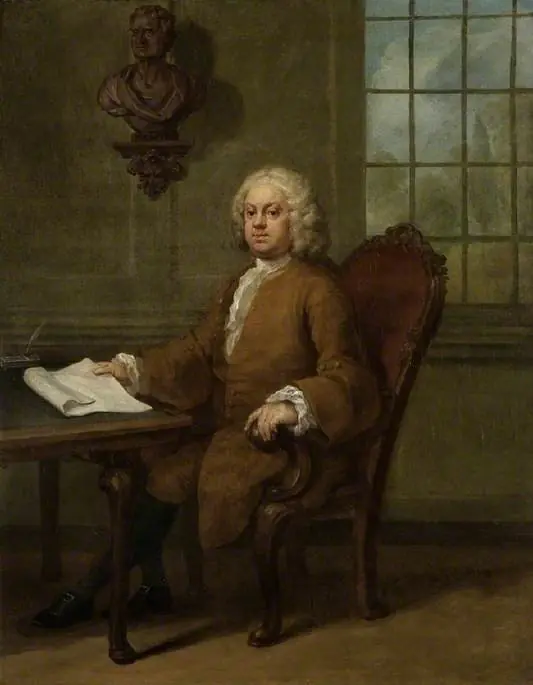
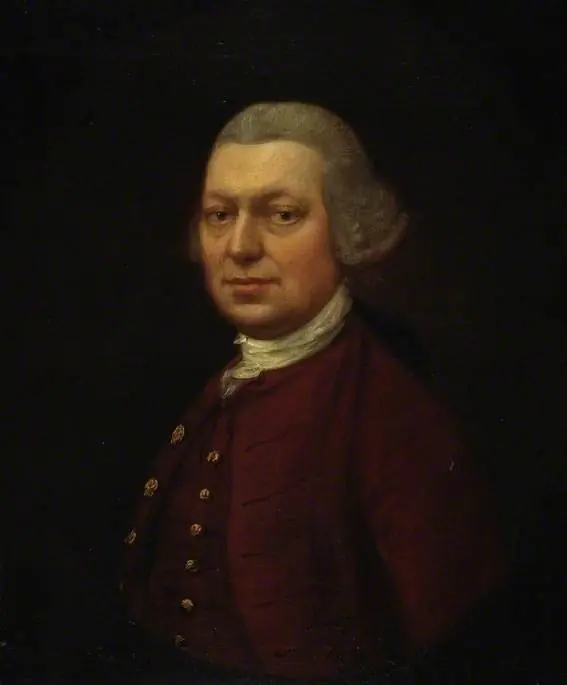
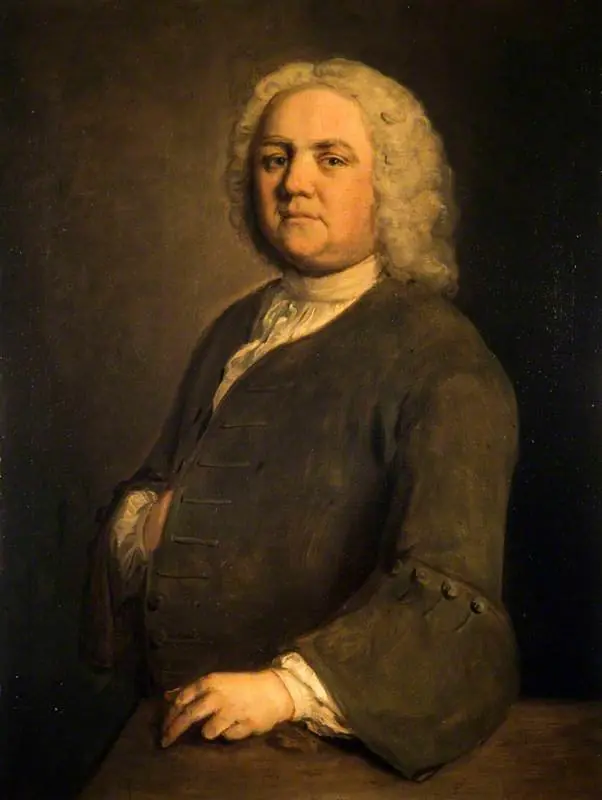
Thomas Trotter (1685/6 - 1767) is an oil painting by the Rococo painting artist William Millar. It dates from 1767 and is held in the collection of the National Galleries Scotland.
About this work
If you're interested in learning more about the artist who created this portrait, you might want to look up William Millar.
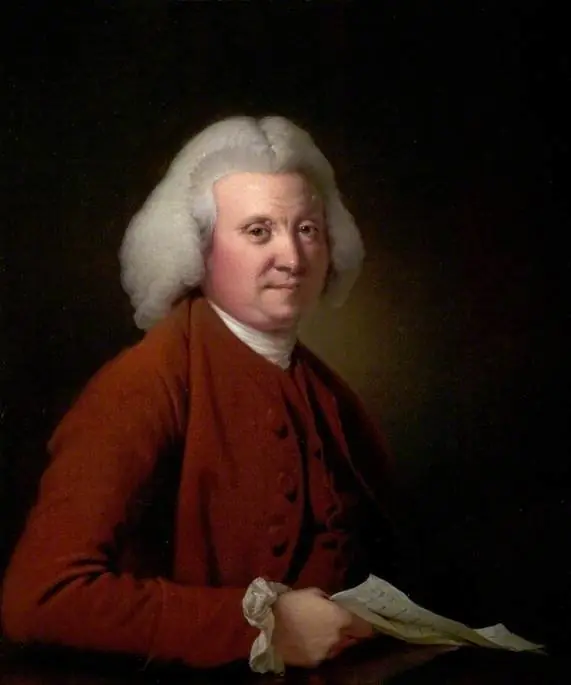
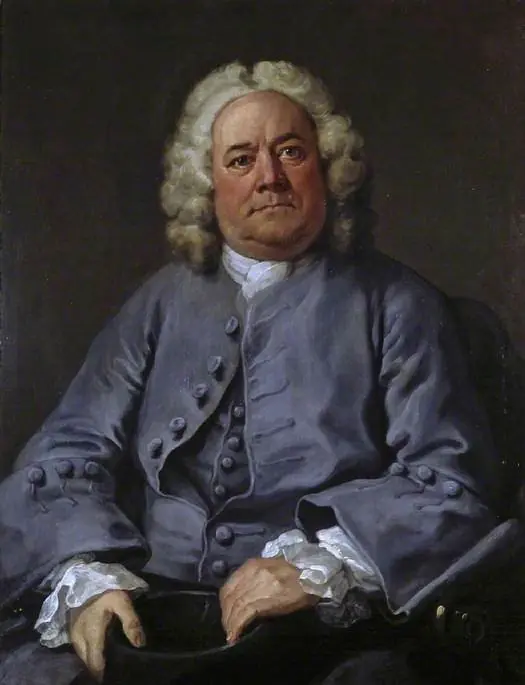
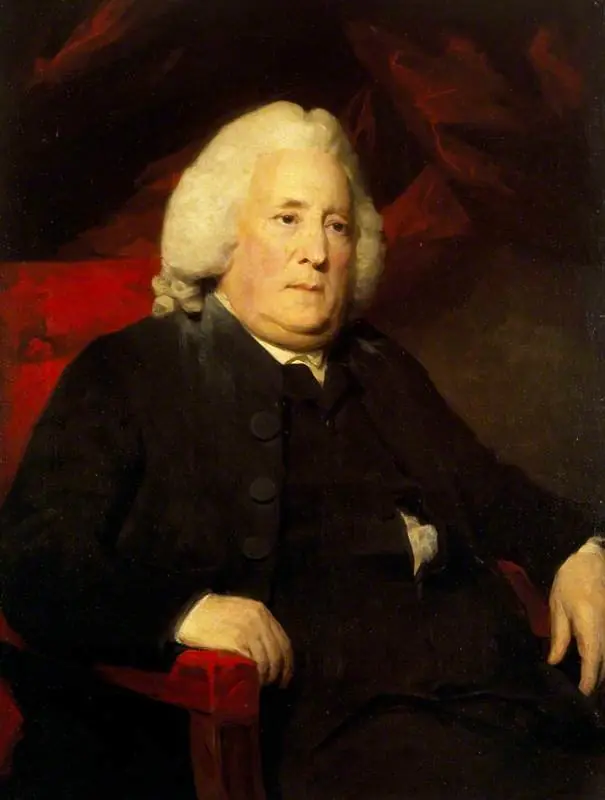
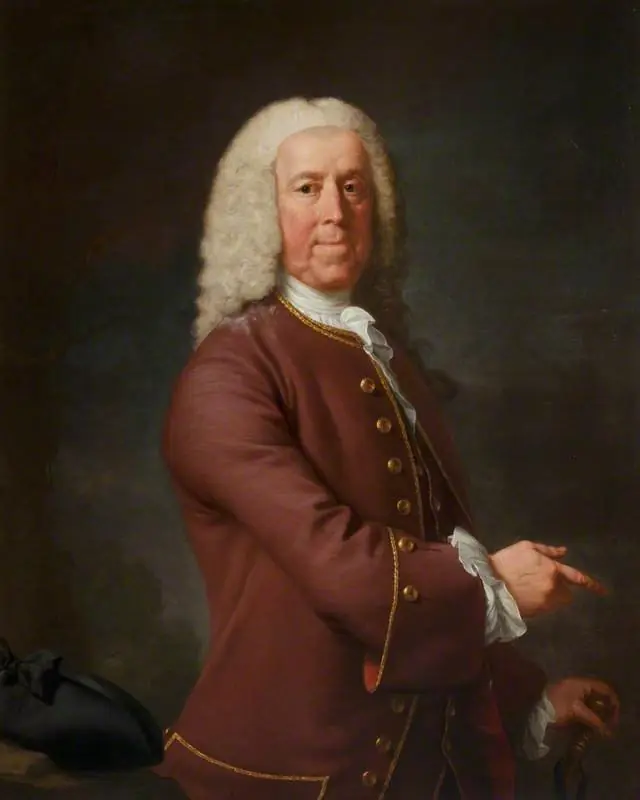
The painting depicts a man with long, curly white hair and a brown jacket with large buttons. He is seated in a chair, holding a cane in his right hand. The background is a muted brown color.
The man's attire and hairstyle suggest that he is from the 18th century. The painting is rendered in oil paint, which was a common medium during that time period.
If you're interested in learning more about the artist who created this portrait, you might want to look up William Millar.
Overview
William Millar’s oil portrait, dated 1767, presents the figure of Thomas Trotter, who lived from 1685/6 to 1767. The work is part of the Scottish National Gallery’s collection. Rendered in a restrained palette, the composition centers on Trotter seated in a simple chair, his posture dignified and his gaze directed outward.
Subject & Meaning
The sitter is portrayed with long, curling white hair and a brown coat fastened with prominent buttons, holding a cane in his right hand. These attributes, together with his calm demeanor, convey the status of an elderly gentleman of the eighteenth century, emphasizing both his age and his social standing.
Technique & Style
Executed in oil on canvas, the painting employs a muted brown background that recedes to focus attention on the figure. Millar’s brushwork is smooth, allowing subtle modeling of flesh tones and fabric. The limited colour range and restrained lighting reflect the conventional portraiture conventions of mid‑eighteenth‑century Scotland.
History & Provenance
Created in the year of Trotter’s death, the portrait entered the Scottish National Gallery’s holdings, where it remains on display. Its provenance traces back to the original commission, likely by Trotter or his family, before passing through private hands to the national collection.
Context
Portraiture in the 1760s served to document personal identity and social rank. Millar, an active Scottish painter of the period, adhered to the prevailing aesthetic of sober elegance, aligning his work with contemporary expectations for dignified representation of mature, affluent subjects.
Artist & collection
Artist
Scottish artist William Millar painted oil portraits of real people in the 1700s.