Artwork
Portrait of Sigismund Streit
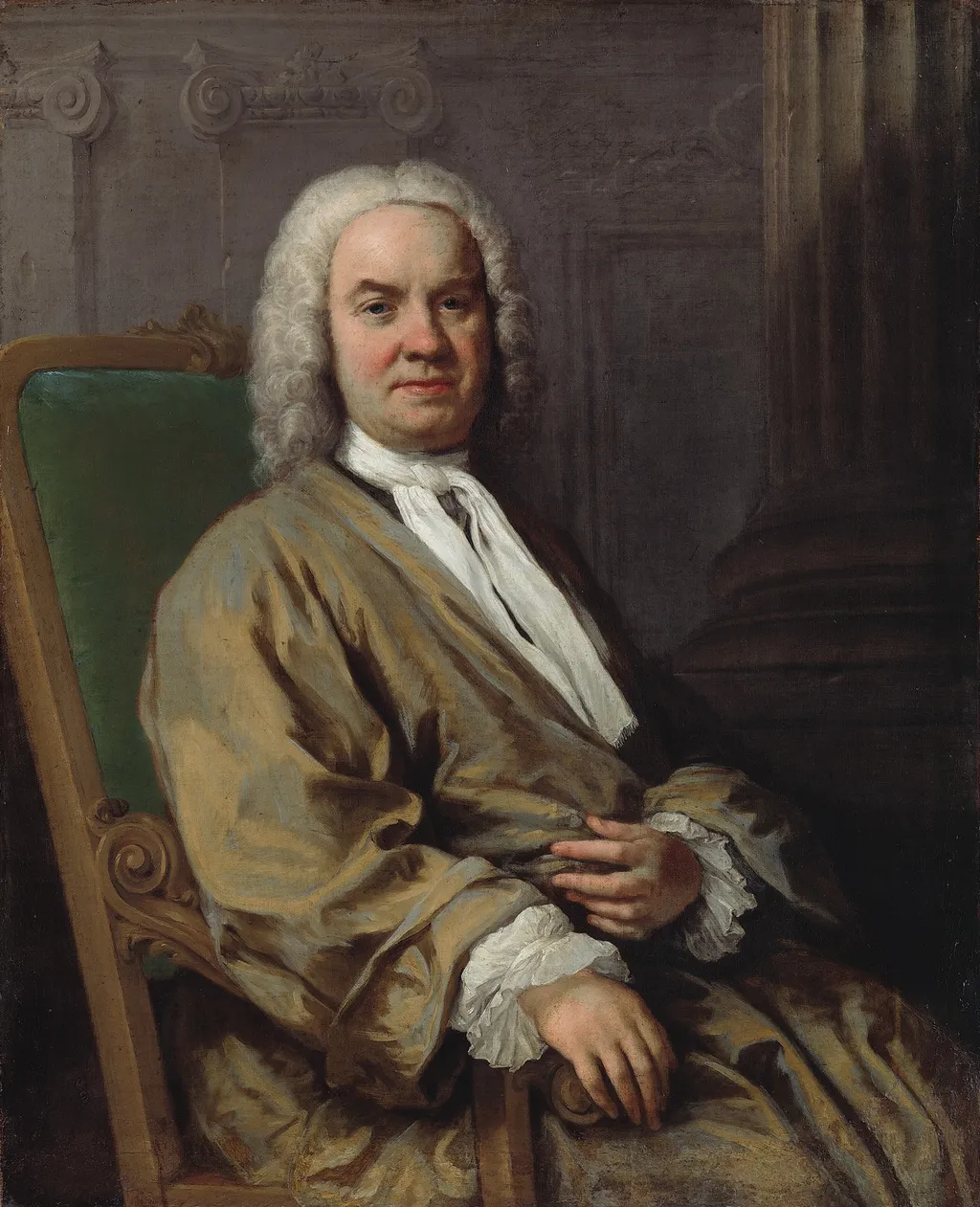
Portrait of Sigismund Streit is an oil painting by the Rococo painting artist Jacopo Amigoni. It dates from 1739 and is held in the collection of the Gemäldegalerie Berlin.
About this work
Overview
Painted in 1739 by Jacopo Amigoni, *Portrait of Sigismund Streit* is an oil-on-canvas work belonging to the Rococo movement. It portrays Sigismund Streit, a German merchant and art collector, in a setting that reflects elegance and refinement.
Subject & Meaning
The subject, Sigismund Streit, is depicted in 18th-century attire, including a white wig, cravat, and brown robe over a white ruffled shirt. His seated pose, with one arm resting on the chair, conveys a sense of comfort and dignity, highlighting his status as a merchant and collector.
Technique & Style
Amigoni employed chiaroscuro to create depth and dimensionality. The contrast between the dark background and the subject's illuminated figure, along with the detailed rendering of textures (wig, fabrics), showcases Amigoni's skill in Rococo portraiture.
History & Provenance
Created during Amigoni's European career, after starting in Venice, the portrait is now part of the Gemäldegalerie Berlin's collection.
Context
Reflecting the Rococo emphasis on elegance and individuality, the painting captures the cultural and social stature of its subject within 18th-century European society.
Legacy
As part of Amigoni's oeuvre, the portrait contributes to the broader legacy of Rococo portraiture, though specific lasting impacts or notable exhibitions of this work are not highlighted in available information.
Own this work as a print
Artist & collection
Artist
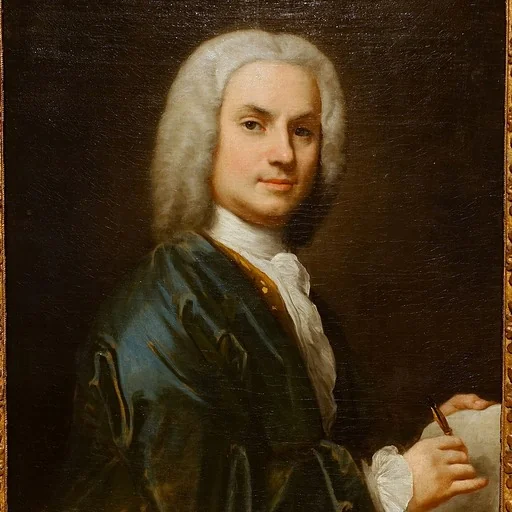
Jacopo Amigoni (born Giacomo Amiconi; 1682 – September 1752), was an Italian painter of the late-Baroque or Rococo period, who began his career in Venice, but traveled and was prolific throughout Europe, where his sumptuous portraits were…

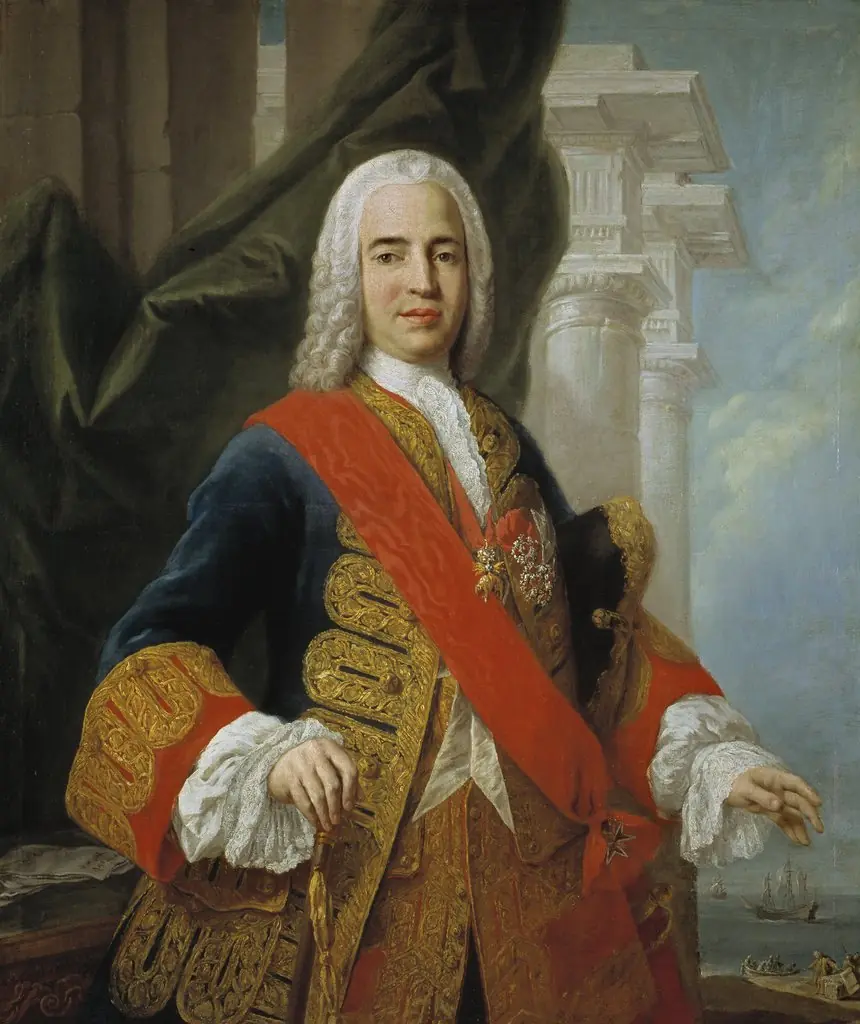
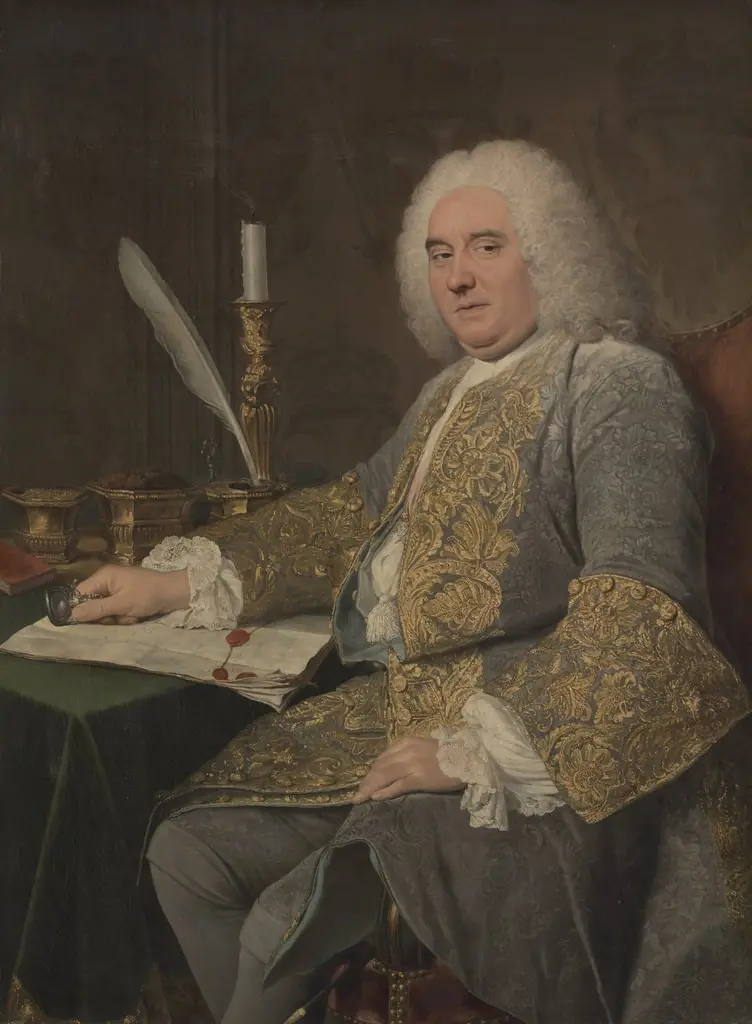 Portrait of Jean-Gabriel du Theil at the Signing of the Treaty of Vienna
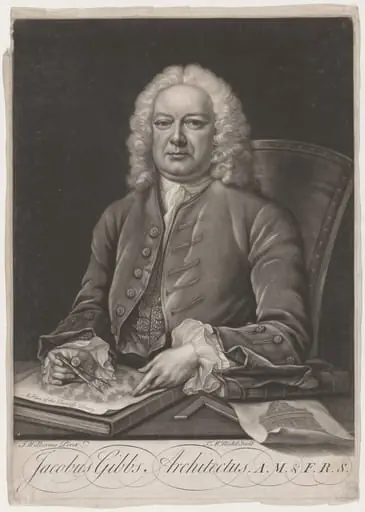 James Gibbs, Architect
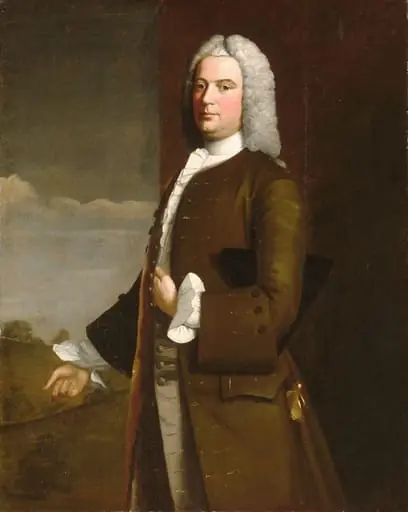 Tench Francis
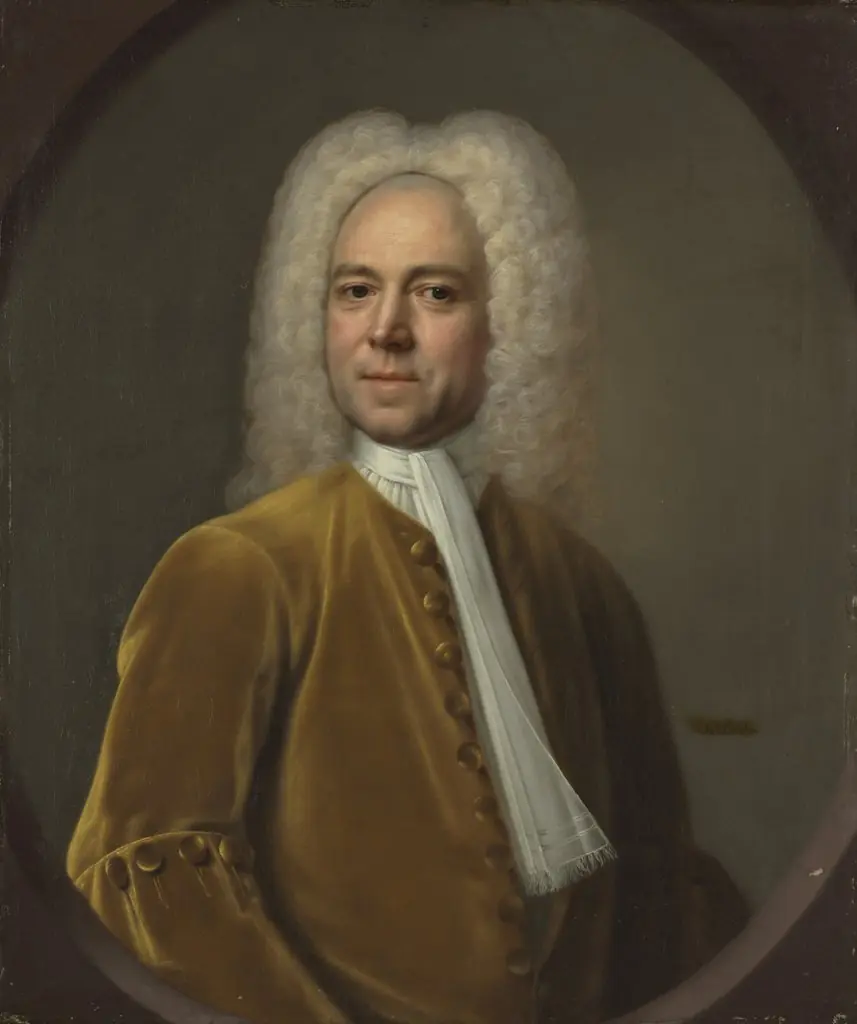 Portrait of a Man
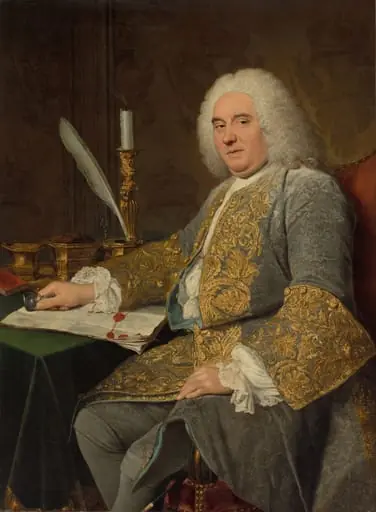 Portrait of Jean-Gabriel du Theil at the Signing of the Treaty of Vienna
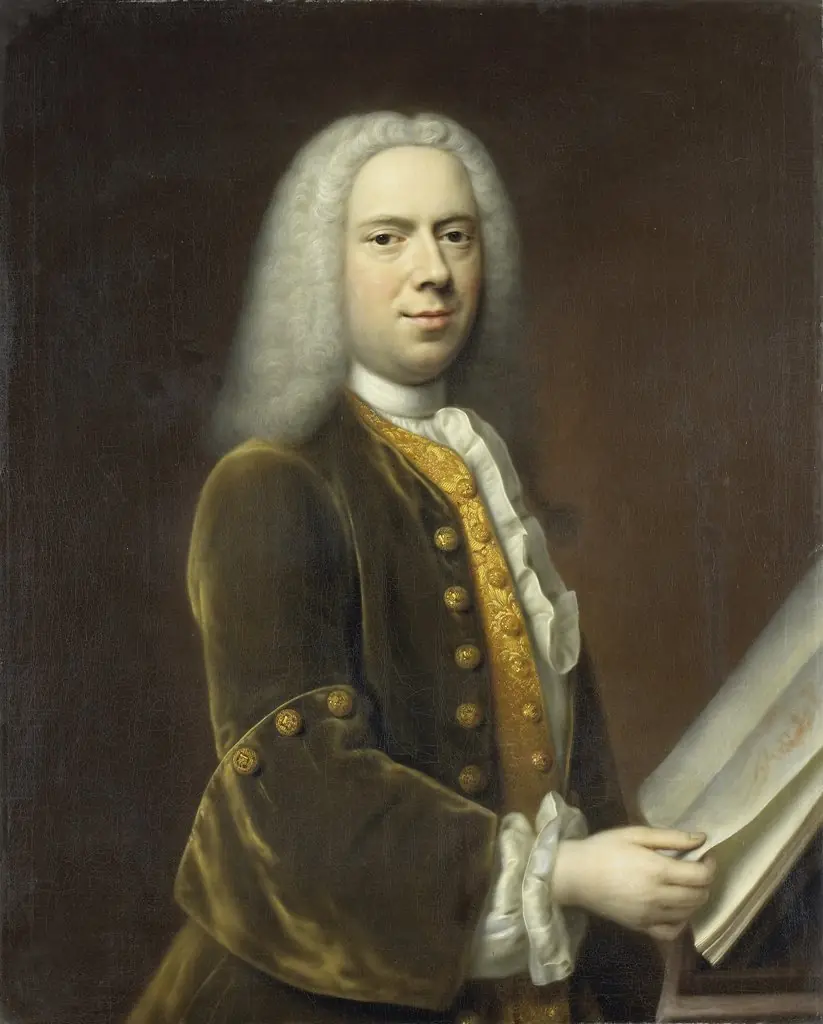 Portrait of a Man, probably Cornelis Troost
 Portrait of Frederik Hansen de Liliendal, Danish Consul at Bordeaux
 Portrait of a Man
 Portrait of Jan Hendrik van Heemskerck, Count of the Holy Roman Empire, Lord of Achttienhoven, Den Bosch and Eyndschoten, Captain of the Citizenry of Amsterdam (Johan Hendrik Graaf Van Heemskerk)
 Portrait of Hugo du Bois, Director of the Rotterdam Chamber of the Dutch East India Company, elected 1734
 William Murray, 1st Earl of Mansfield
 Harrison Gray