Artwork
George Arnold
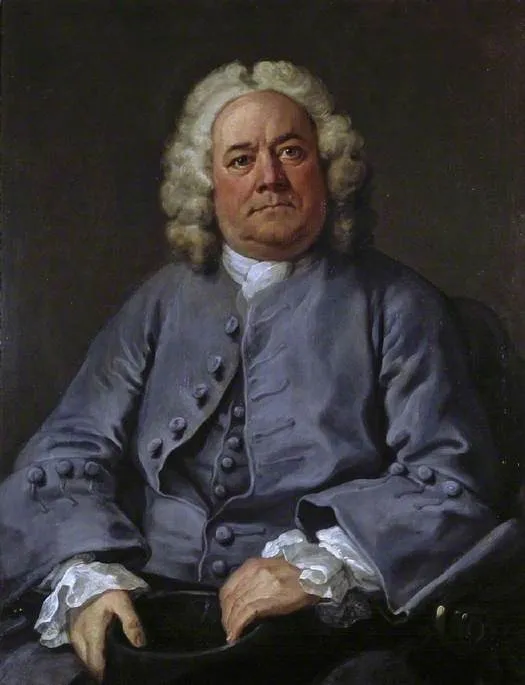
George Arnold is an oil painting by the Rococo painting artist William Hogarth. It dates from 1739 and is held in the collection of the Fitzwilliam Museum.
About this work
Overview
Painted in 1739 by William Hogarth, this oil portrait depicts George Henry Arnold, a London merchant. Executed in the Rococo idiom, the work reflects the period’s emphasis on refined appearance and social status. It is held in the Fitzwilliam Museum’s collection, where it stands as one of Hogarth’s more restrained portraits, distinct from his satirical narrative cycles.
Subject & Meaning
George Henry Arnold is portrayed as a man of means, dressed in a dark blue coat adorned with large silver buttons and a full, powdered wig.
George Henry Arnold is portrayed as a man of means, dressed in a dark blue coat adorned with large silver buttons and a full, powdered wig. The white handkerchief he holds suggests refinement and composure. The absence of symbolic objects or elaborate settings shifts focus to his demeanor—serious yet composed—conveying the quiet authority expected of a prosperous citizen in early 18th-century England.
Technique & Style
Hogarth employs soft, directional lighting to model Arnold’s face against a flat black background, enhancing the three-dimensionality of his features. The brushwork is precise in rendering fabric textures and the intricate curls of the wig, while the overall composition remains minimal. This restrained approach prioritizes the sitter’s presence over decorative flourish, aligning with the portrait conventions of the era.
History & Provenance
The painting was completed in 1739, during Hogarth’s active period as a portraitist before his full transition to moral satire. It entered the Fitzwilliam Museum’s collection in the 19th century, likely through a bequest or acquisition from a private English collection. Its survival in good condition offers insight into the tastes of London’s mercantile elite during the Georgian period.
Context
In the 1730s, portraiture served as a tool for social affirmation among the rising middle class. Arnold’s attire and pose reflect the influence of aristocratic fashion, adapted for urban professionals. Hogarth, though later known for satire, was then a sought-after portraitist who balanced realism with the expectations of his patrons’ self-image.
Legacy
This portrait exemplifies Hogarth’s early command of psychological presence in portraiture, before his focus shifted to narrative critique. It remains a representative example of how wealth and status were visually encoded in Georgian England. While not as widely known as his satirical works, it contributes to understanding the social fabric that shaped his later themes.
Artist & collection
Artist
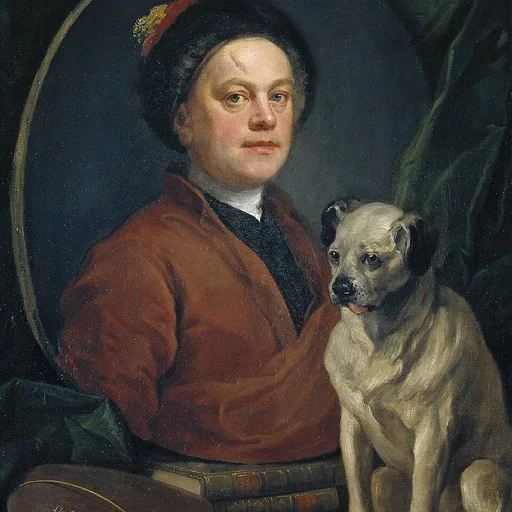
William Hogarth (; 10 November 1697 – 26 October 1764) was an English painter, engraver, satirist, cartoonist and writer.

 Mr Dawson
 Morgan Lloyd Esq
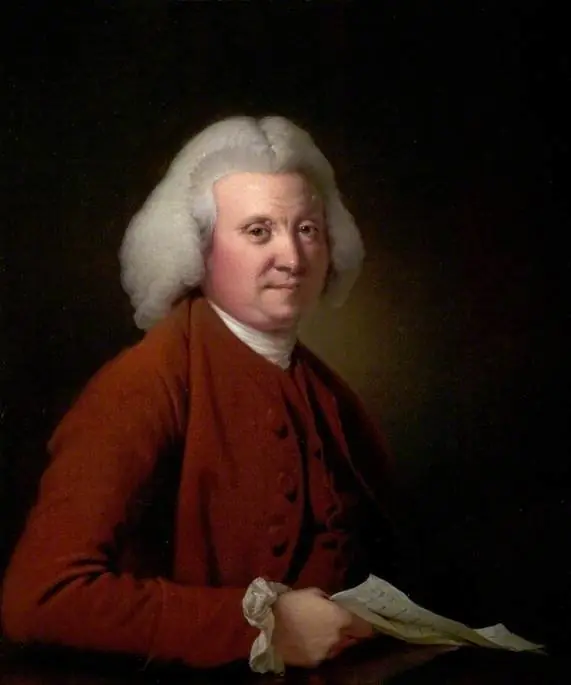 Samuel Crompton (c.1720–1782)
 Portrait of Francis Hutcheson (1694-1746)
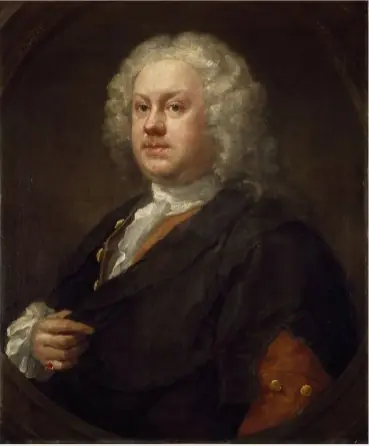 Portrait of Benjamin Hoadly (1706-1757) Doctor and Playwright
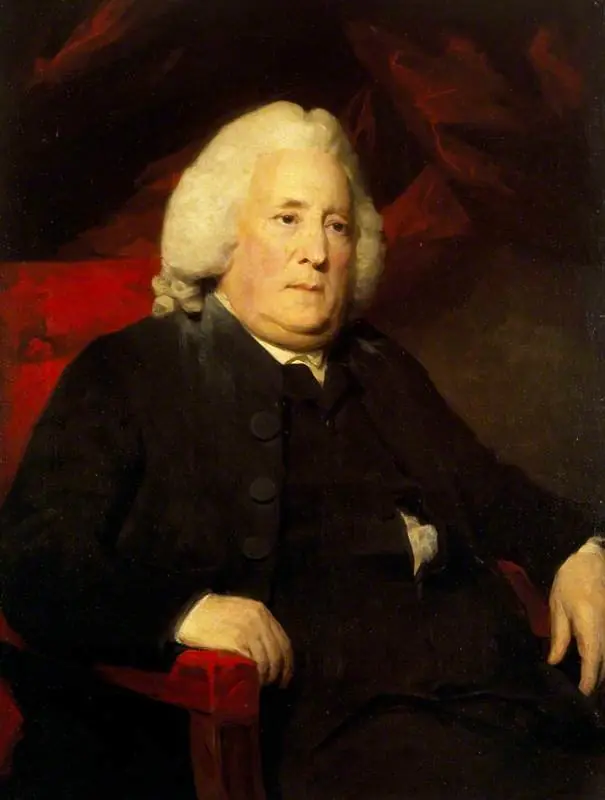 Dr Gardiner (1726 - 1807)
 Portrait of Mr. Chubbe in a fictive oval
 Portrait of a man
 Portrait of Sigismund Streit
 Nathaniel Sparhawk
 Thomas Trotter (1685/6 - 1767)
 Portrait of a gentleman