Artwork
Niagara Falls
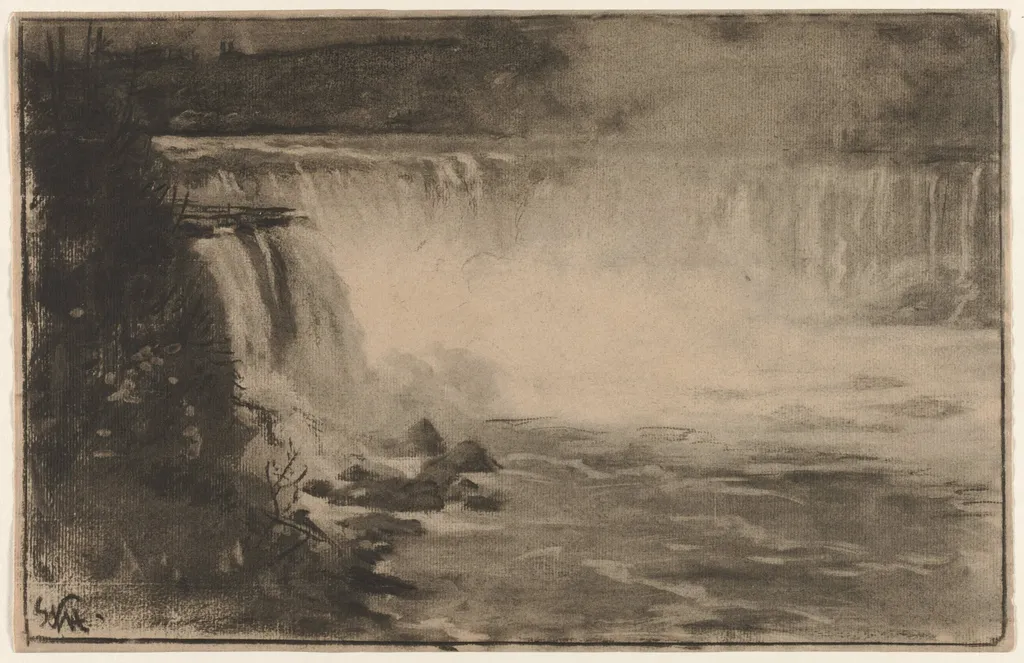
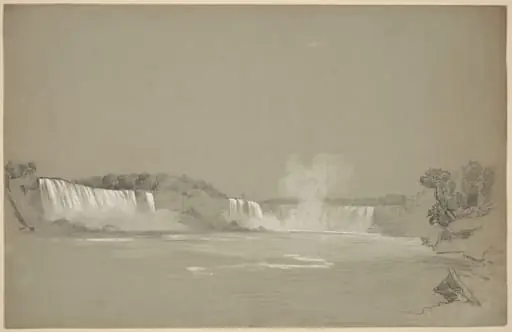
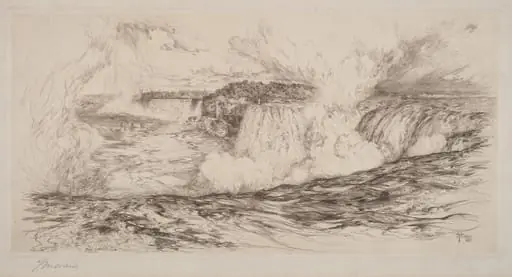
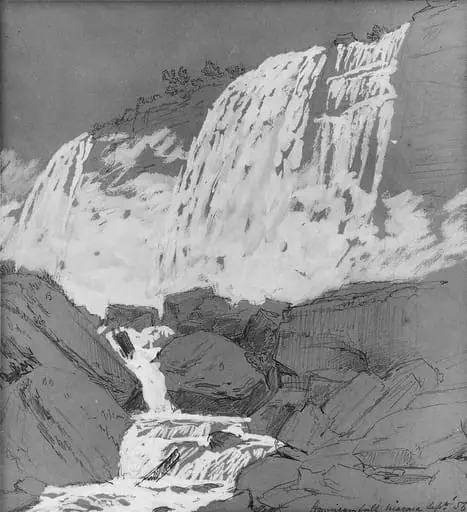
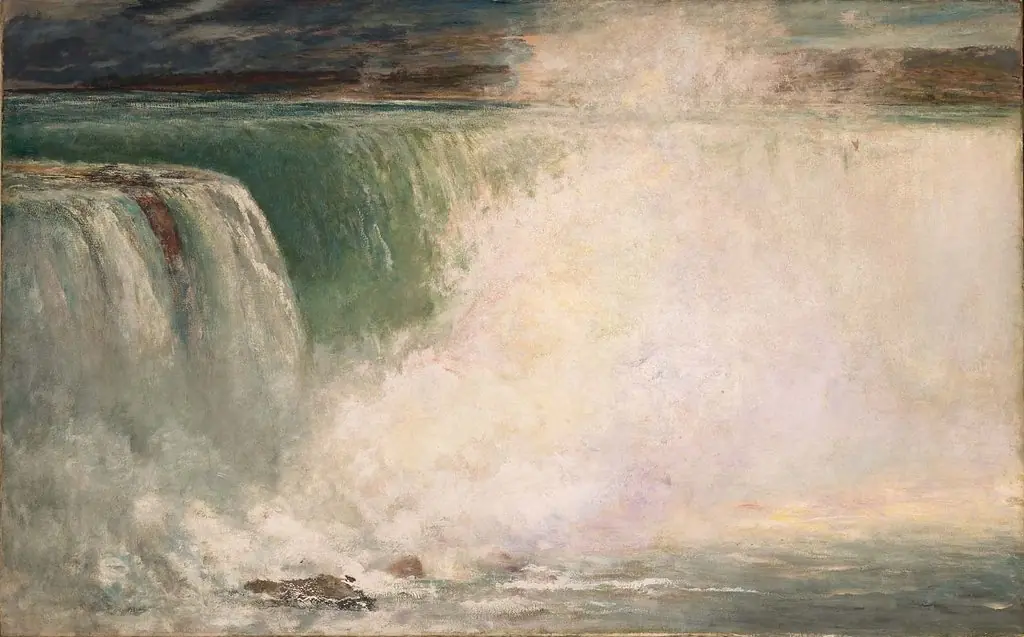
Niagara Falls is a drawing by the Impressionist artist William Morris Hunt. It dates from 1878 and is held in the collection of the Cleveland Museum of Art.
About this work
Hunt painted Niagara Falls in 1878. Water roars down. Mist hangs in the air. Rocks sit below. Brushstrokes blur the edges. The scene feels alive.
Hunt studied with Millet in France. He brought loose French brushwork to America. That year at Niagara, he made pastels and oils dissolve into water and light.
Try looking up William Morris Hunt (American, 1824–1879) next.
Overview
Niagara Falls is a drawing by American artist William Morris Hunt, created during his 1878 visit to the site, just a year before his death. The work captures the dynamic interplay of water, mist, and rock at the falls.
Subject & Meaning
The drawing focuses on the elemental forces of Niagara Falls, where cascading water and suspended mist dominate the composition, with rocky elements subtly present beneath the turmoil.
Technique & Style
Hunt employed loose, expressive brushstrokes, characteristic of the advanced French painting techniques he introduced to American art after studying with Jean-Francois Millet. These brushstrokes blur the scene's edges, imbuing it with a sense of dynamism and near-abstract quality.
History & Provenance
Created in 1878, Niagara Falls is part of a notable series of pastels, charcoal drawings, and paintings Hunt produced during his visit to the falls. The artist's experience with Millet in France significantly influenced this body of work.
Own this work as a print
Artist & collection
Artist
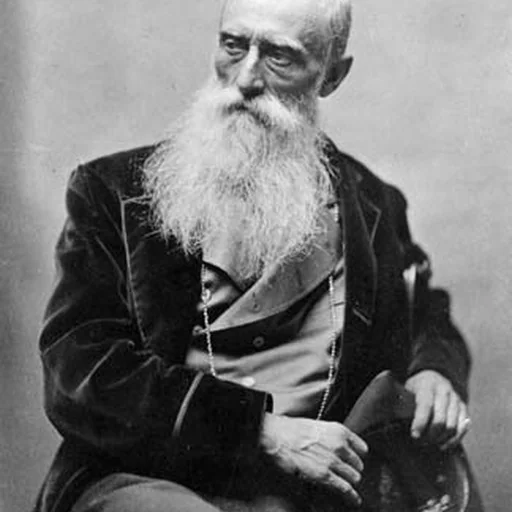
William Morris Hunt (March 31, 1824 – September 8, 1879) was an American painter.