Artwork
Cynthia
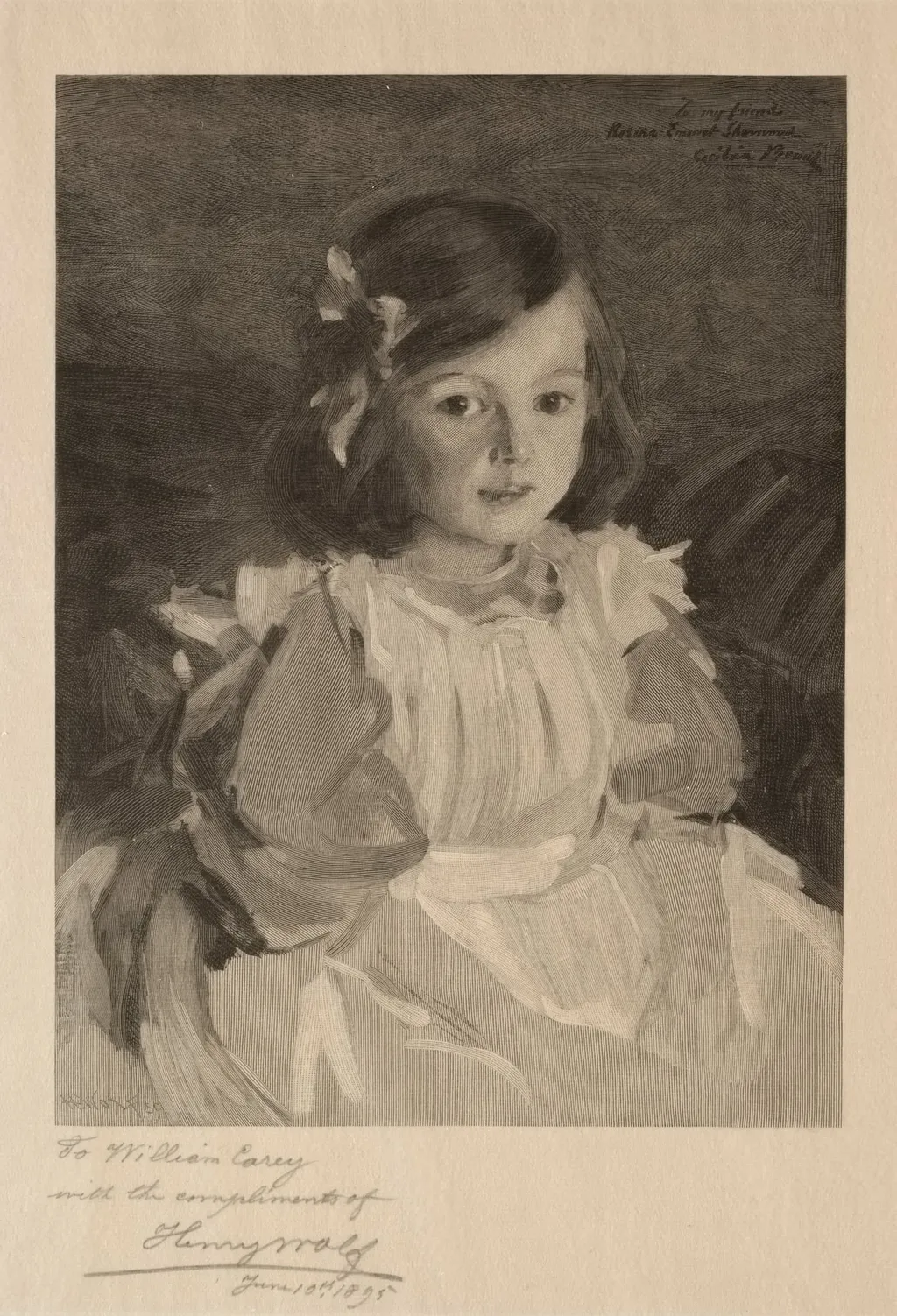
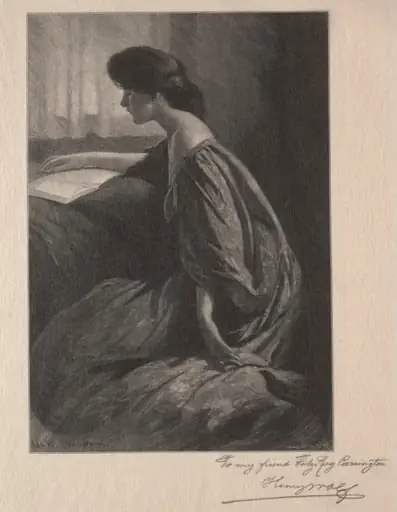
Cynthia is a print by Henry Wolf. It dates from 1894 and is held in the collection of the Cleveland Museum of Art.
About this work
Overview
Henry Wolf, a French-born engraver who relocated to New York in 1871, produced the wood engraving *Cynthia* circa 1894.
Henry Wolf, a French-born engraver who relocated to New York in 1871, produced the wood engraving *Cynthia* circa 1894. Trained in Strasbourg under Jacques Levy and later active in Parisian artistic circles, Wolf became known in America for his precise reproductive engravings after major painters. *Cynthia* exemplifies his mastery of fine linear detail, capturing a solitary female figure with quiet intimacy.
Subject & Meaning
The print portrays a young woman seated, her dark hair adorned with a single flower behind the ear. She wears a light, ruffled dress, rendered with delicate, flowing lines that suggest movement and softness. The plain, dark background isolates her form, emphasizing stillness and introspection. The inscription addressed to William Carey implies a personal connection, though the figure’s identity beyond the name remains unconfirmed.
Technique & Style
Wolf employed traditional wood engraving, carving fine lines into a hardwood block to produce a crisp, tonal image. The rendering of the dress and flower employs looser, more suggestive strokes, contrasting with the tighter definition of the face and hair. This variation creates a sense of texture and atmosphere, balancing precision with a sketchlike spontaneity that softens the formal rigidity of the medium.
History & Provenance
*Cynthia* was created during Wolf’s most productive period in the United States, when he contributed illustrations to leading periodicals and reproduced works by Sargent and Manet. The print entered the collection of The Cleveland Museum of Art, where it remains as part of a broader holding of late 19th-century American graphic art. Its survival reflects Wolf’s role in elevating printmaking as a serious artistic medium in America.
Context
In the 1890s, wood engraving was transitioning from commercial illustration toward fine art expression. Wolf’s work, though rooted in reproductive traditions, embraced aesthetic qualities aligned with the Arts and Crafts movement and emerging modern sensibilities. *Cynthia* reflects this shift—its intimate scale and attention to subtle detail align with contemporary interest in personal, lyrical imagery over grand narrative.
Legacy
Wolf’s engravings, including *Cynthia*, helped establish wood engraving as a legitimate medium for artistic expression in the United States. His technical precision and sensitivity to light and form influenced later generations of printmakers. Though less widely known today, his contributions remain significant in the history of American graphic arts, particularly in bridging European training with American artistic developments.
Artist & collection
Artist
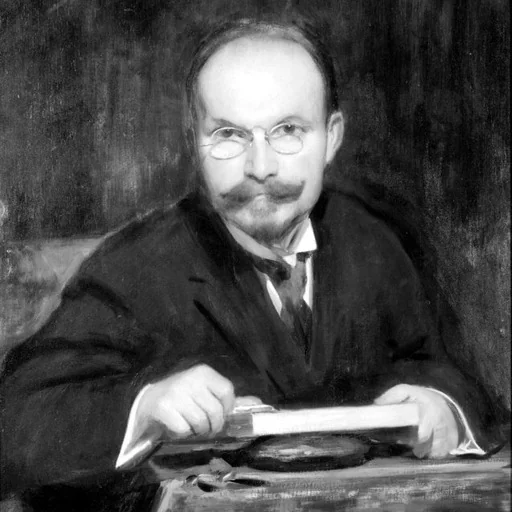
Henry Wolf (1852–1916) was a French-born wood engraver who lived and worked in the United States during his most influential work period and until his death.

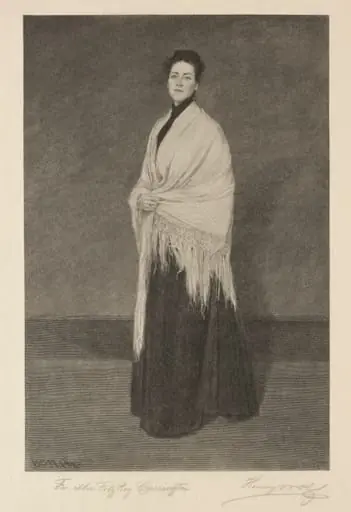
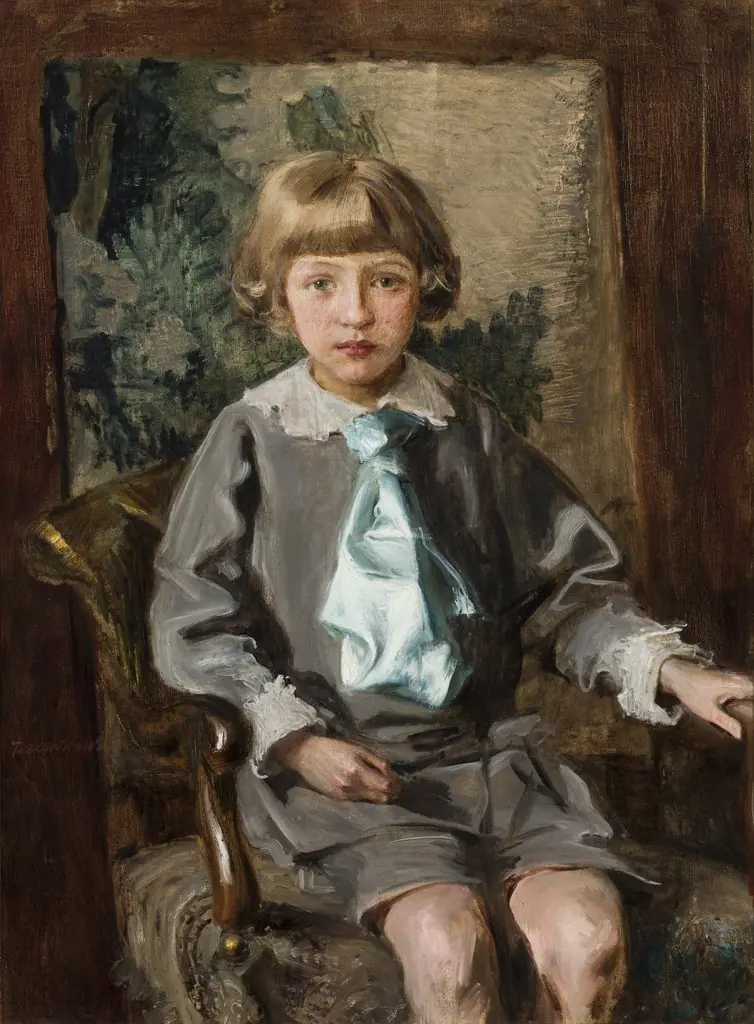 Portrait of Iwo Łomiński as a Child
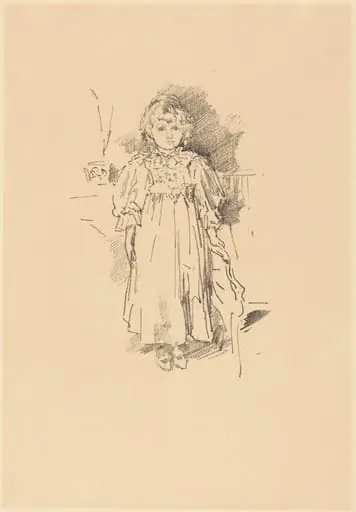 Little Evelyn
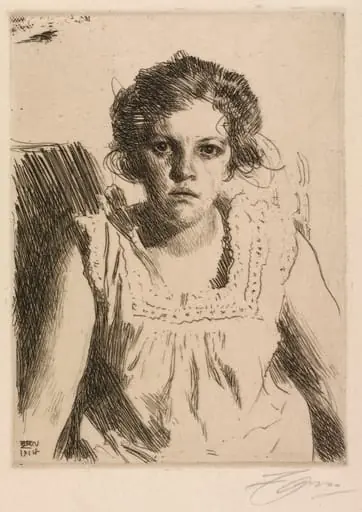 Frida
Frida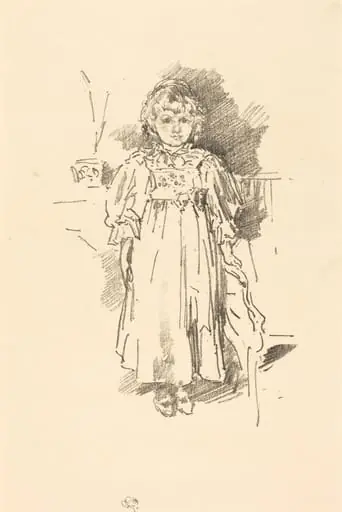 Little Evelyn
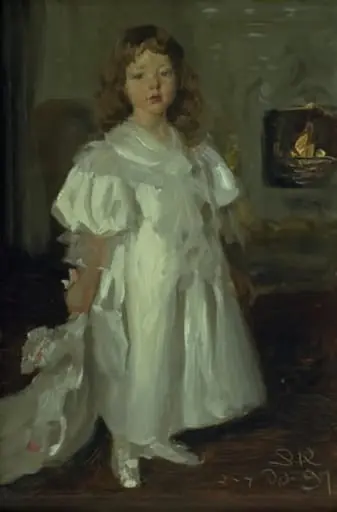 A Little Girl, Helga Melchior, in a Long Dress
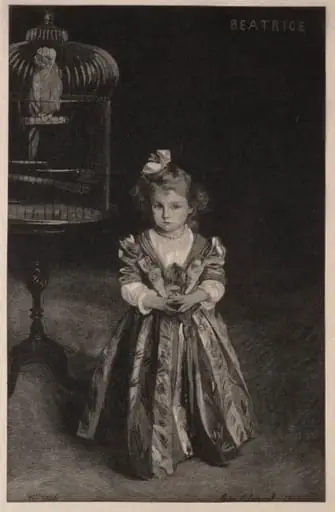 Beatrice Goelet
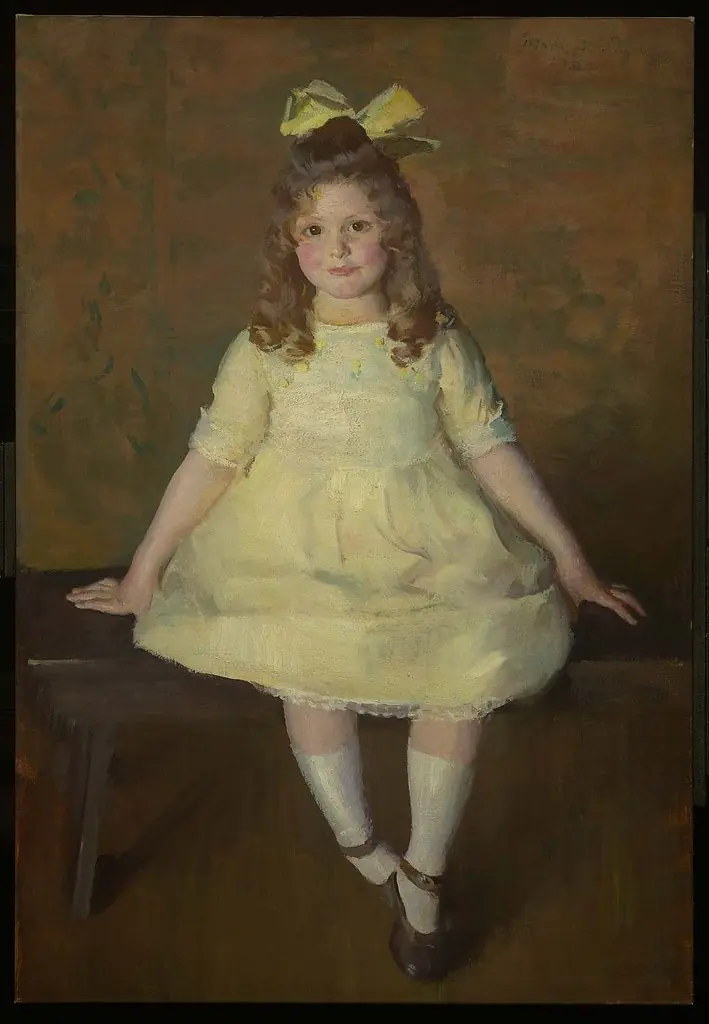 Frances Lee Weeks
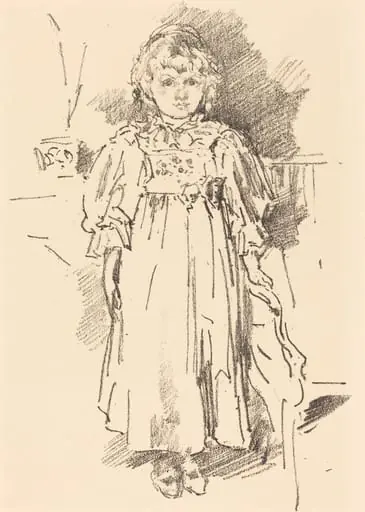 Little Evelyn
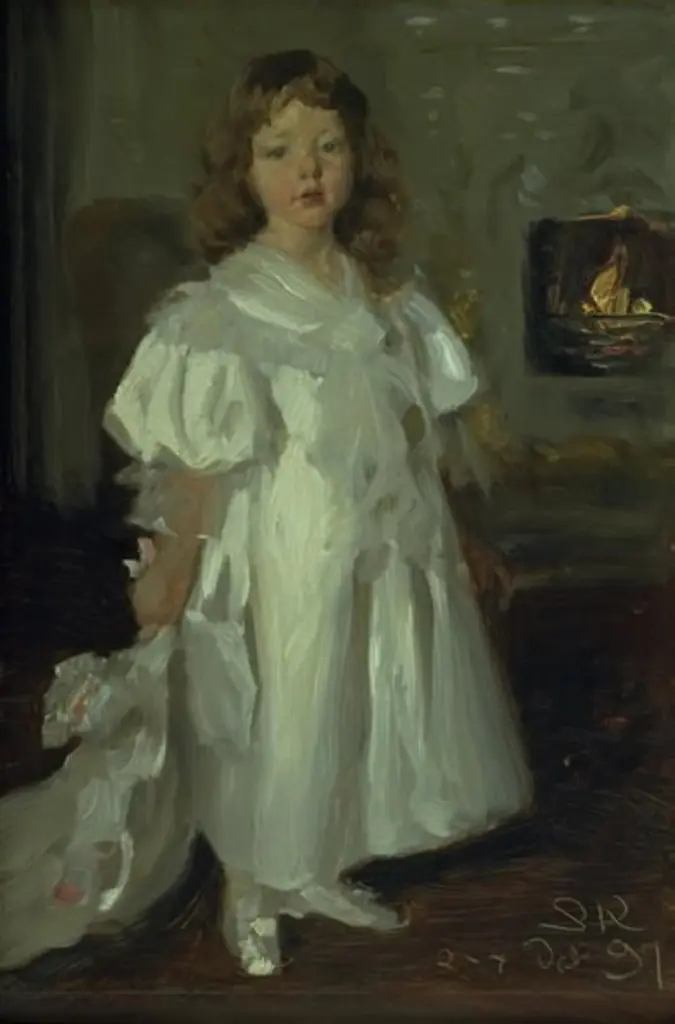 A Little Girl, Helga Melchior, in a Long Dress
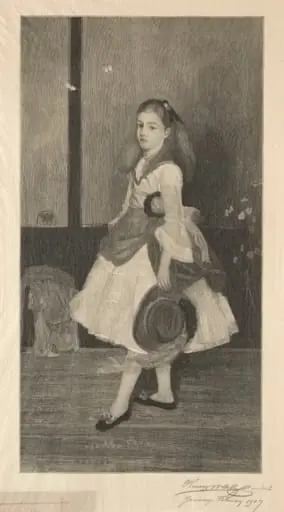 Miss Alexander
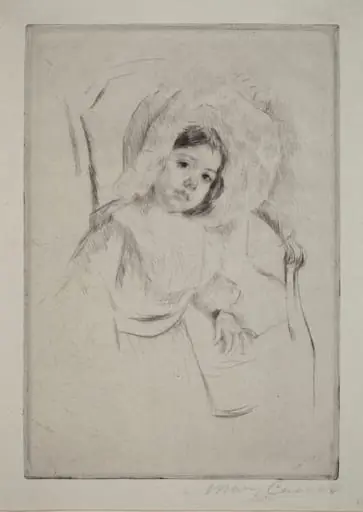 Margot in a Floppy Bonnet Leaning against a Chair
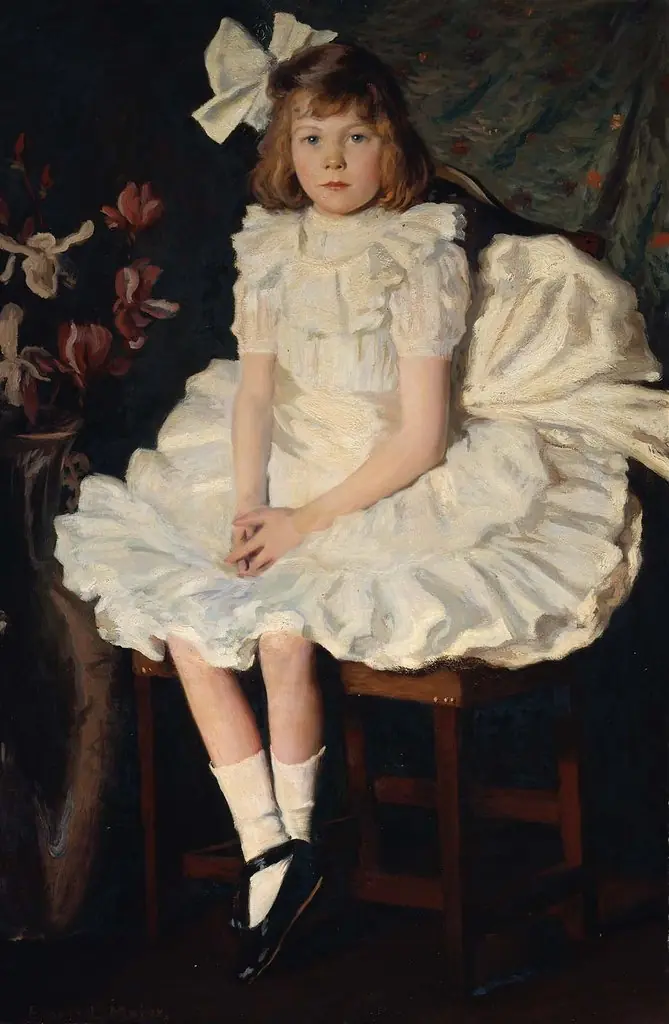 Marion Pond (Mrs. Kenneth Bacon Bond)