Artwork
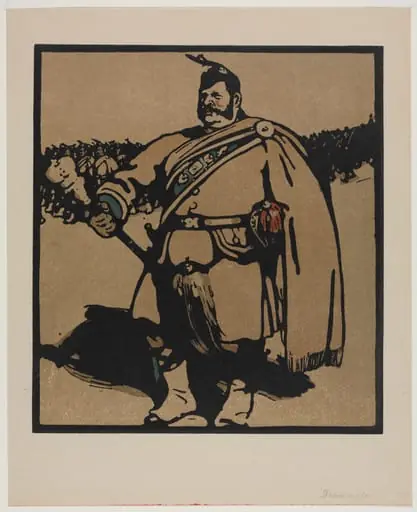
London Types: Drum-Major
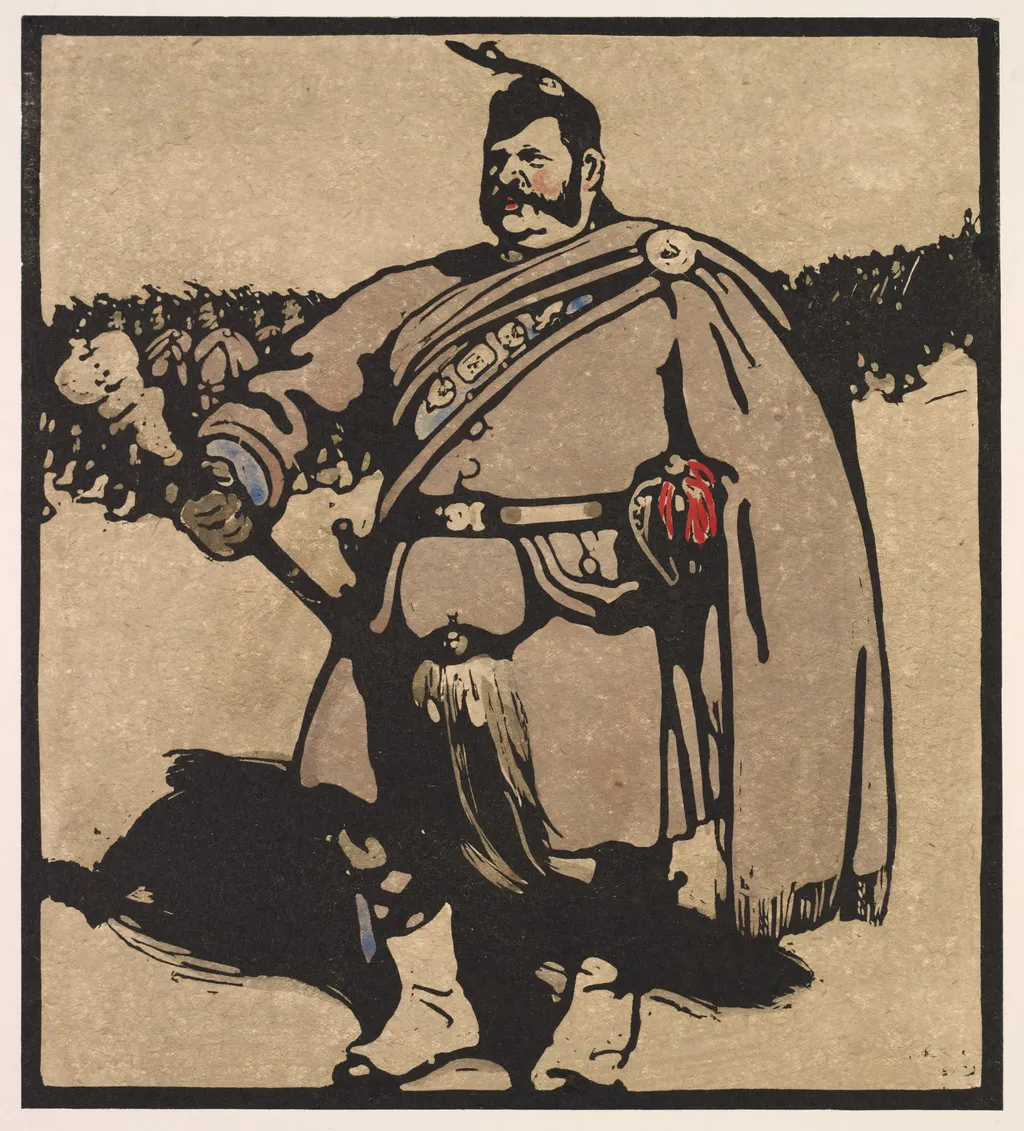
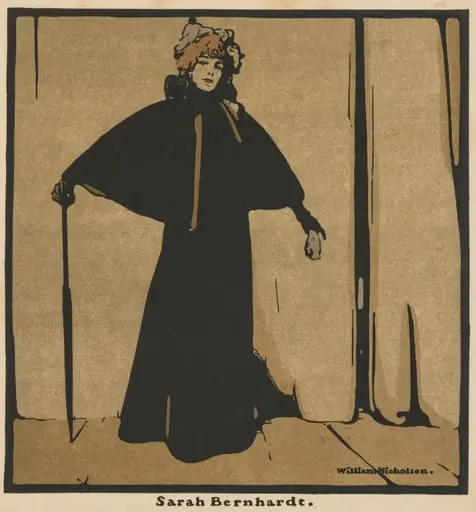
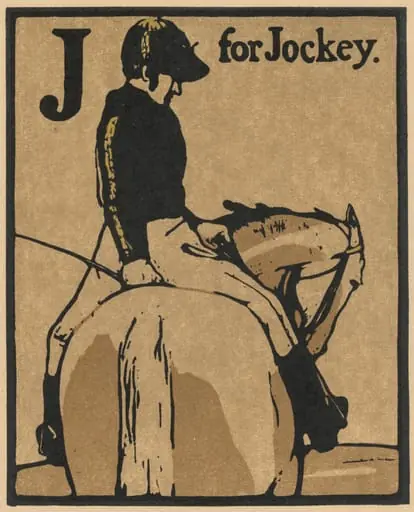
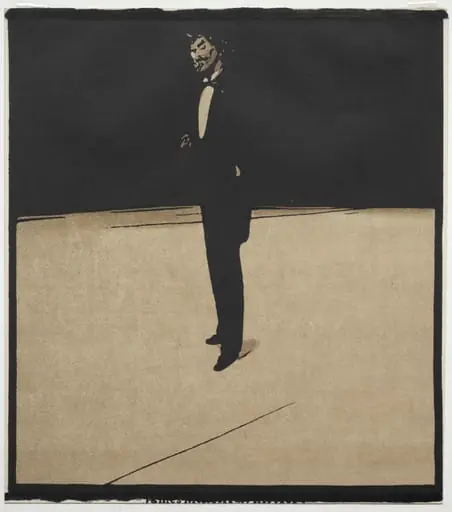
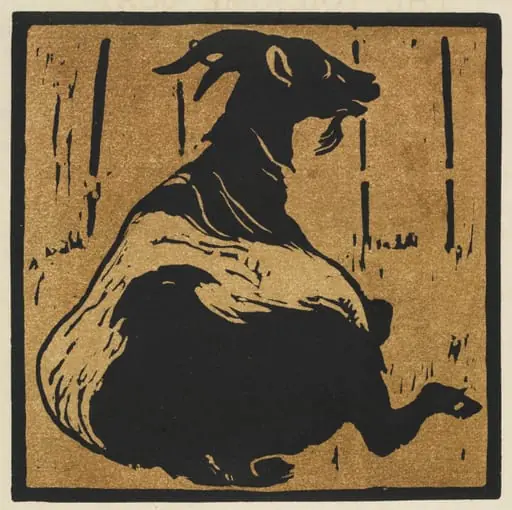
London Types: Drum-Major is a print by the Impressionist artist William Nicholson. It dates from 1898 and is held in the collection of the Cleveland Museum of Art.
About this work
Overview
Created as part of a collaborative project, the print presents a single individual with psychological presence rather than narrative context.
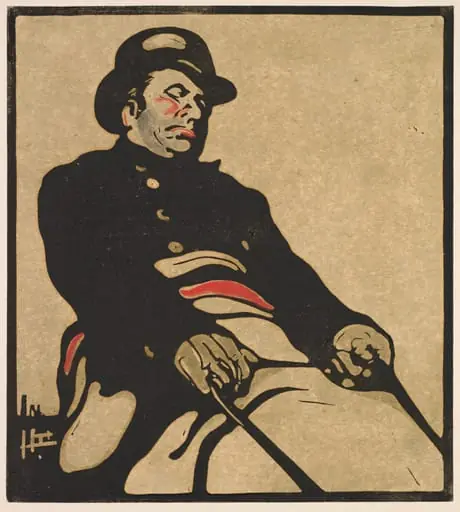
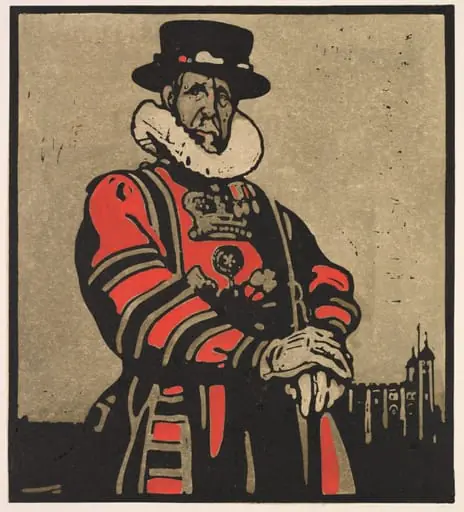
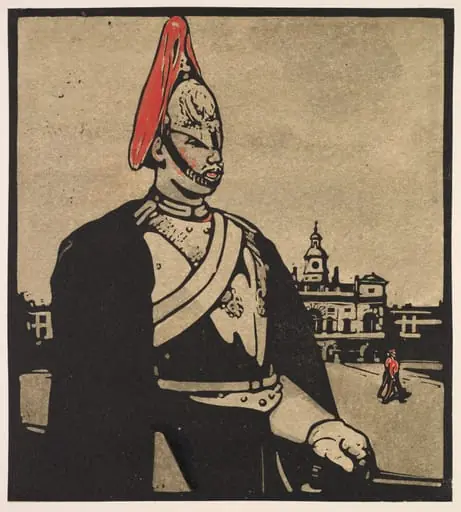
William Nicholson’s *London Types: Drum-Major* (1898) is one of twelve wood-engraved portraits from a series capturing distinctive urban figures in late Victorian London. Created as part of a collaborative project, the print presents a single individual with psychological presence rather than narrative context. Nicholson, primarily known for his versatility across media, employed wood engraving to distill character through simplified form and tonal contrast, aligning with contemporary interests in social observation through print.
Subject & Meaning
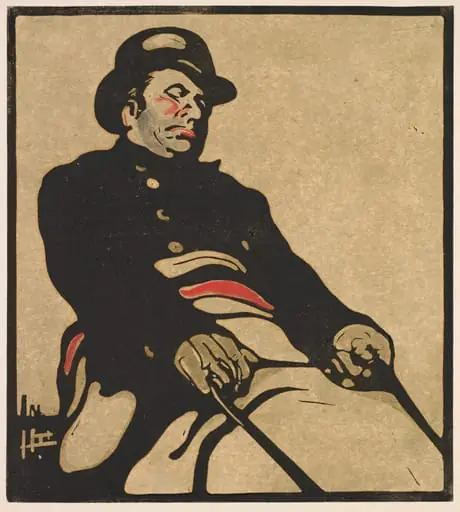
The subject is a drum-major, a ceremonial leader of a military band, rendered in full uniform with gold-trimmed jacket and tall bearskin hat. He holds a large drum with quiet authority, his stance neither theatrical nor defiant, but composed and self-assured. The image avoids caricature, instead offering a dignified study of a working-class figure whose role blended discipline and public spectacle. The absence of context invites focus on personal bearing rather than institutional identity.
Technique & Style
Nicholson used wood engraving to achieve sharp delineation of form against a softly blurred background. The figure is rendered with precise, linear detail—especially in the uniform’s embroidery and hat’s texture—while the cityscape behind dissolves into muted washes of ink. This contrast isolates the subject visually and emotionally. The style merges Realist observation with Impressionist suggestion, favoring atmosphere over literalism, and reflects Nicholson’s interest in the expressive potential of printmaking.
History & Provenance
The print was produced in 1898 for the *London Types* series, published by the Art Journal and distributed as a portfolio of wood engravings. Each plate was signed and numbered, intended for collectors and art-loving middle-class audiences. Nicholson’s involvement reflected his growing reputation beyond painting into graphic arts. The series was well-received for its humanistic approach, distinguishing itself from more sensationalist depictions of urban life common at the time.
Context
In late 19th-century London, interest in social types surged alongside urbanization and the rise of illustrated journalism. Artists and writers sought to document the city’s diverse characters—from street vendors to soldiers—often as a form of cultural record. Nicholson’s series responded to this trend without sentimentality, presenting individuals with quiet individuality. The drum-major, though part of a military institution, is portrayed as a person, not a symbol.
Legacy
The *London Types* series, including the drum-major, influenced later British printmakers by demonstrating how wood engraving could convey psychological depth. Nicholson’s restrained aesthetic prefigured modernist tendencies in portraiture, emphasizing essence over detail. While not widely exhibited today, the work remains a significant example of how graphic art engaged with social observation during a period of rapid urban change.
Artist & collection
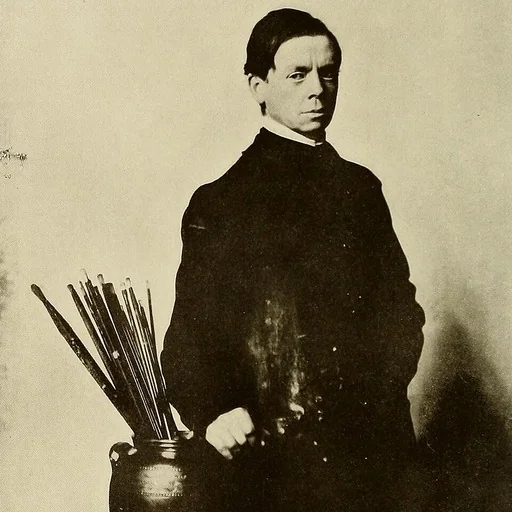
Artist
Sir William Newzam Prior Nicholson (5 February 1872 – 16 May 1949) was a British painter of still-life, landscape and portraits.