Artwork
Portrait of a Man
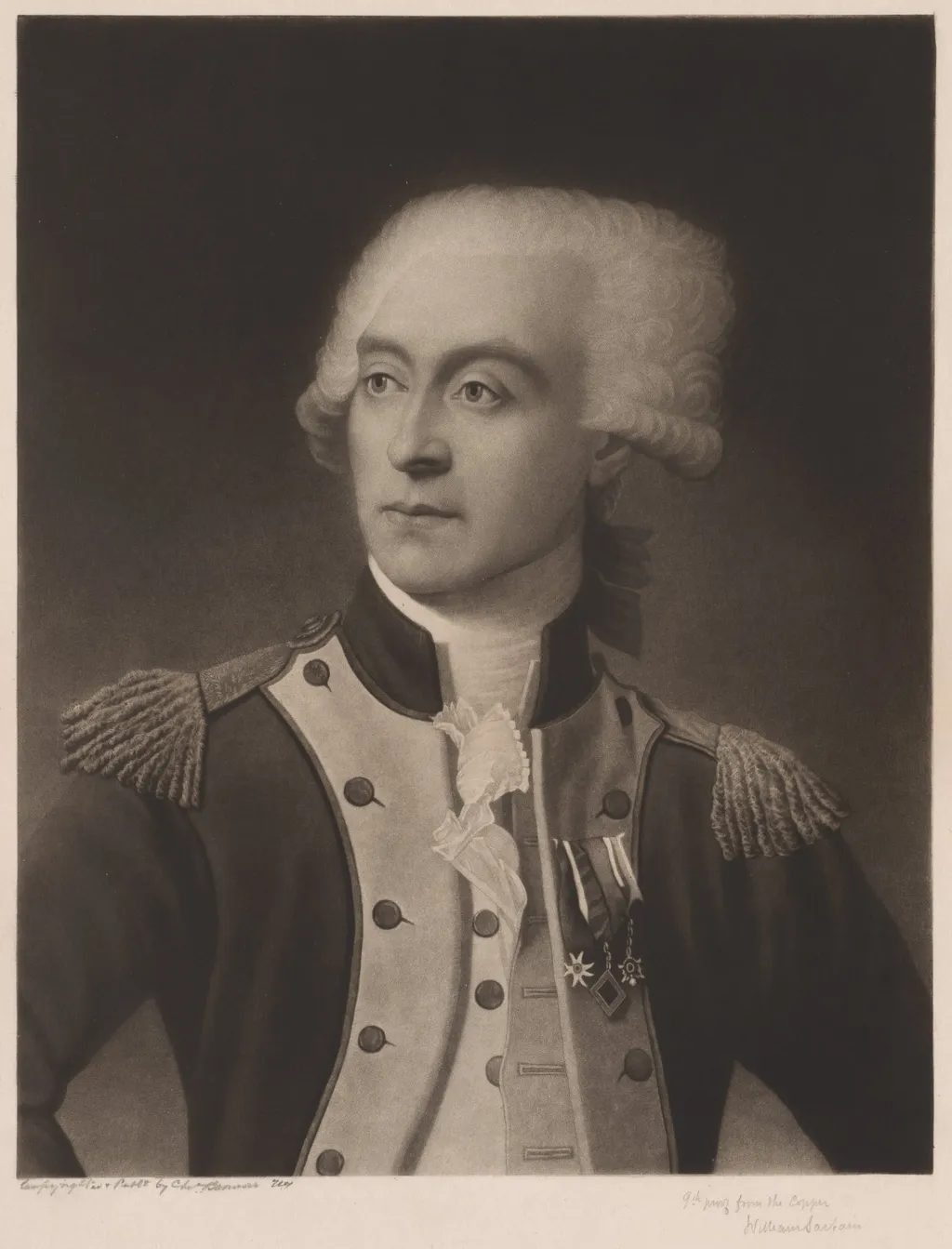
Portrait of a Man is a print by the Impressionist artist William Sartain. It dates from 1804 and is held in the collection of the Cleveland Museum of Art.
About this work
Overview
The painting is part of the collection at The Cleveland Museum of Art, where it stands as an example of early 19th-century figurative practice.
William Sartain’s *Portrait of a Man*, dated around 1804, is an oil painting that captures a solitary figure in quiet contemplation. Though Sartain is primarily known for his late 19th-century tonalist works, this portrait predates his mature style and reflects earlier conventions of American portraiture. The painting is part of the collection at The Cleveland Museum of Art, where it stands as an example of early 19th-century figurative practice.
Subject & Meaning
The subject is a man seated in a plain chair, gazing directly at the viewer with a composed, unembellished expression. His attire suggests a pre-industrial era, possibly late 18th or early 19th century, reinforcing a sense of historical distance. The lack of contextual detail focuses attention on the individual’s presence, aligning with the era’s emphasis on character and dignity in portraiture rather than narrative or status symbolism.
Technique & Style
Sartain employs chiaroscuro to model the face and hands, using subtle gradations of light and shadow to define form. The palette is restrained, dominated by earth tones and muted grays, which enhance the sitter’s introspective mood. Brushwork is precise but not overly refined, suggesting a deliberate restraint in execution. The background remains indistinct, isolating the figure and reinforcing the portrait’s psychological focus.
History & Provenance
The painting’s early history is undocumented, but its style and date place it within the formative years of American portraiture. Sartain, born in 1843, could not have painted this work in 1804; the date is likely misattributed or refers to the sitter’s era. The work may have been misdated during cataloging. It entered The Cleveland Museum of Art’s collection through documented acquisition, though its prior ownership remains unclear.
Context
In the early 1800s, American portrait painting was dominated by itinerant artists and regional studios, often prioritizing likeness over artistic innovation. Sartain’s later associations with tonalism and the Barbizon school suggest a later artistic evolution, making this portrait an anomaly in his oeuvre. It may reflect a family tradition or early training, possibly influenced by European academic models circulating in the U.S. at the time.
Legacy
While not representative of Sartain’s mature style, the portrait offers insight into the persistence of traditional portraiture in America during a period of artistic transition. Its preservation in a major museum underscores its value as a document of early 19th-century visual culture. The work invites comparison with contemporaneous American and European portraits, highlighting the continuity of formal conventions before the rise of modernist approaches.
Artist & collection
Artist
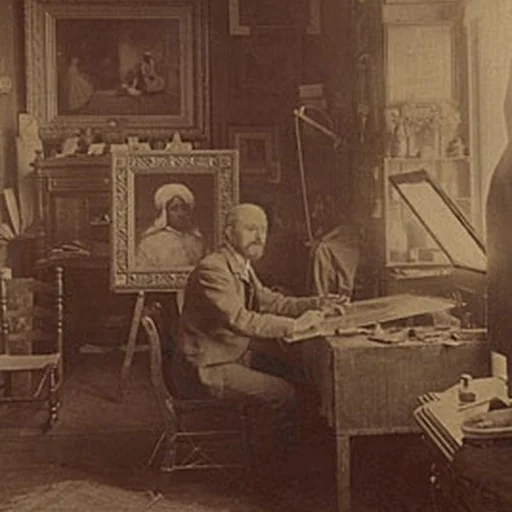
William Sartain (November 21, 1843 – October 25, 1924) was an American artist, known for the moody tonalism of his paintings, and interests and influences that spanned Orientalism and the Barbizon plein air approach to art.

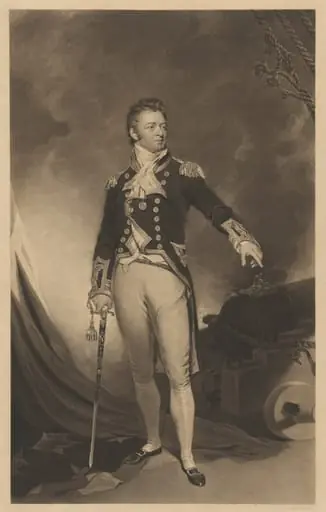 Sir Philip Bowes Vere Broke
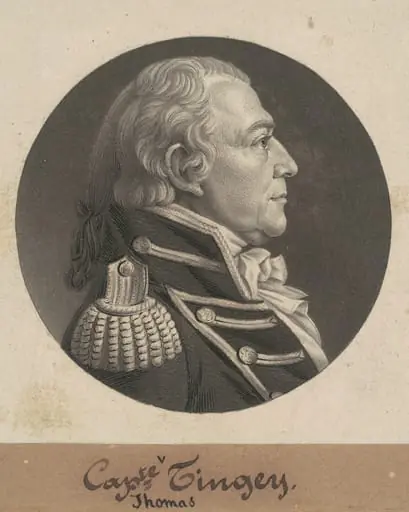 Thomas Tingey
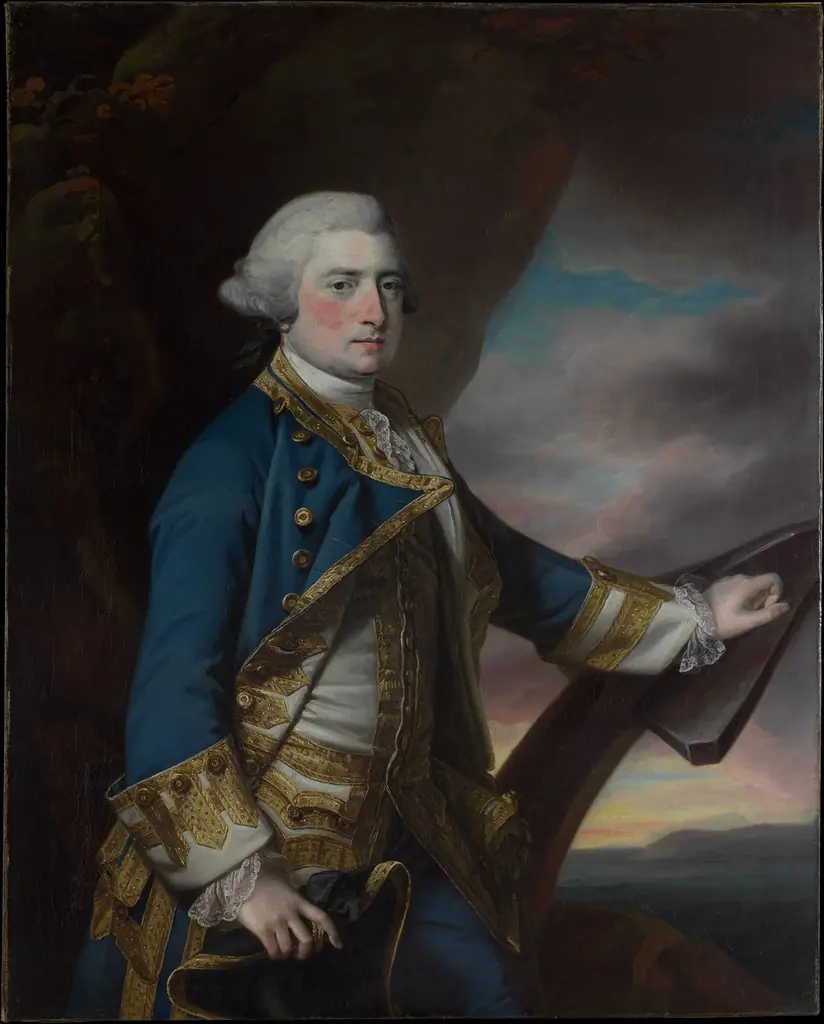 Admiral Harry Paulet (1719/20–1794), Sixth Duke of Bolton
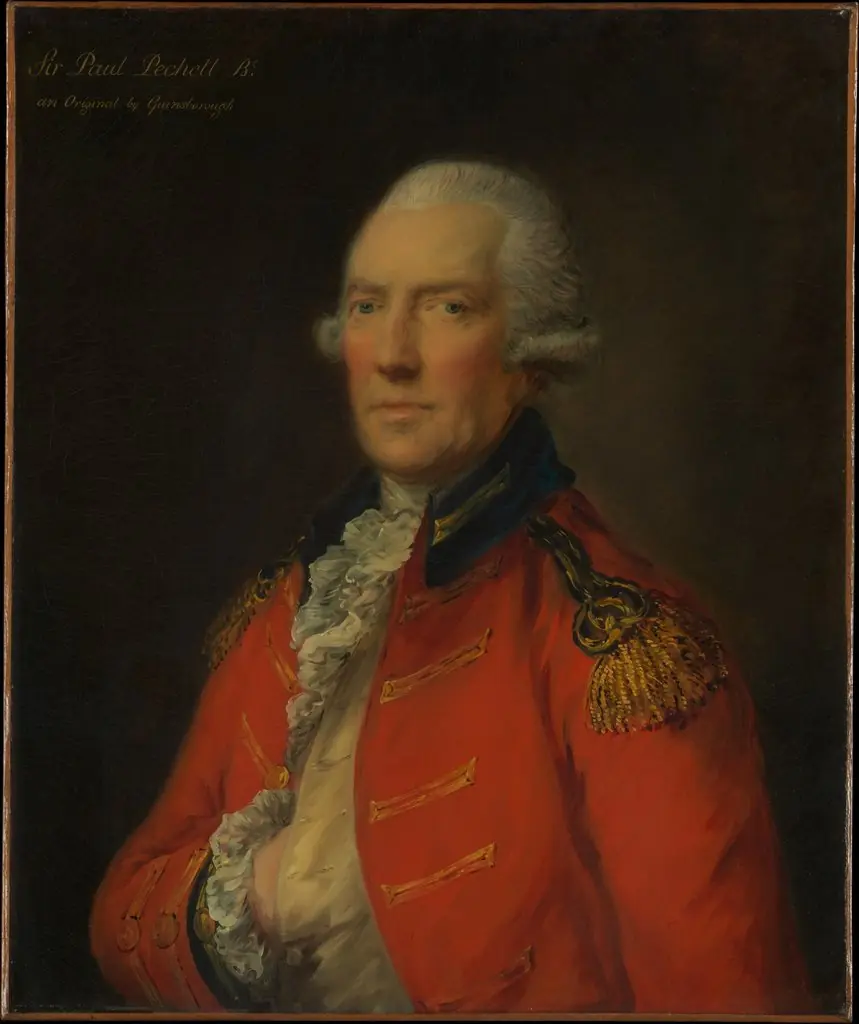 Lieutenant Colonel Paul Pechell (1724–1800)
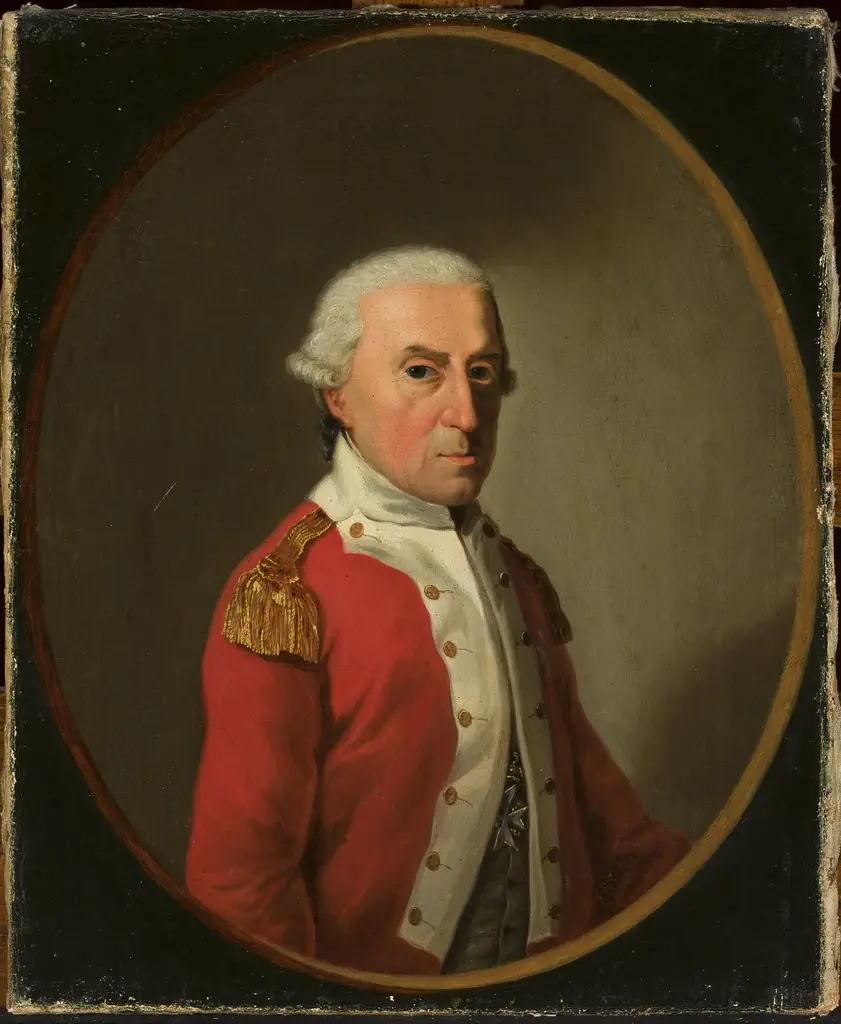 Portrait of prince Augustus Ferdinand von Hohenzollern (1730–1813)
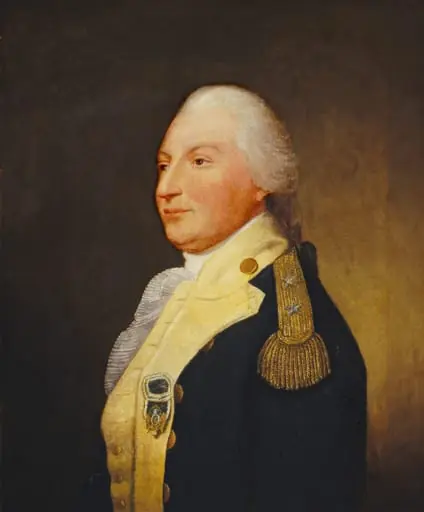 General William Smallwood
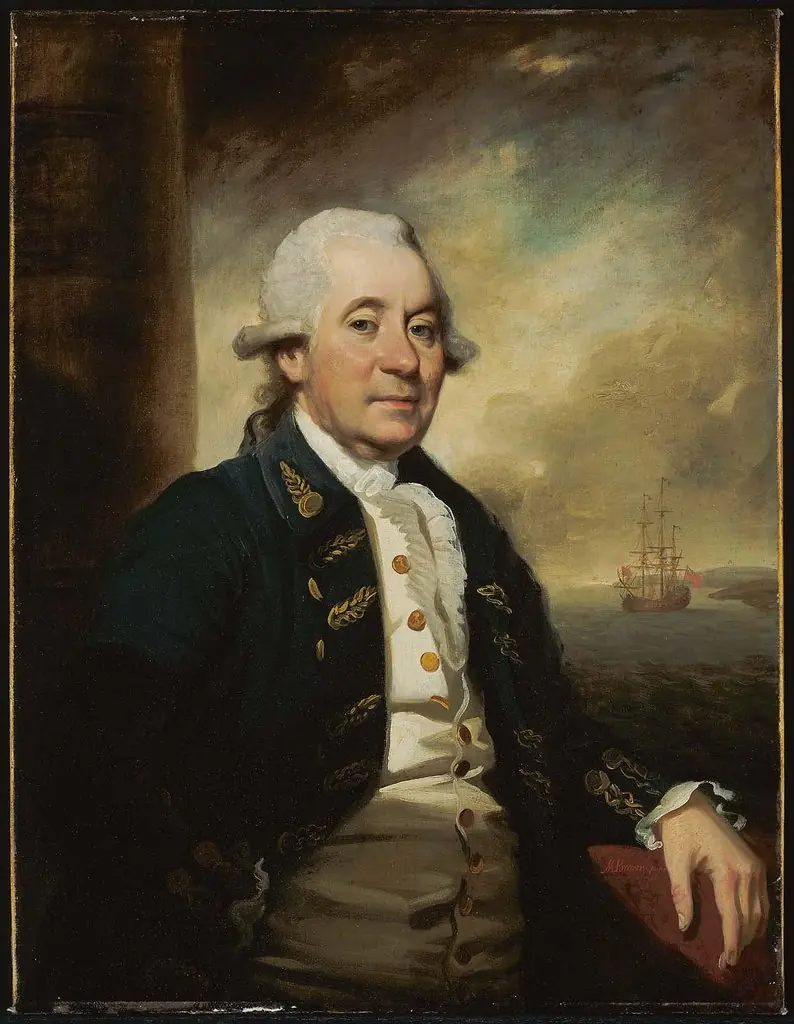 A Commander in the East India Company
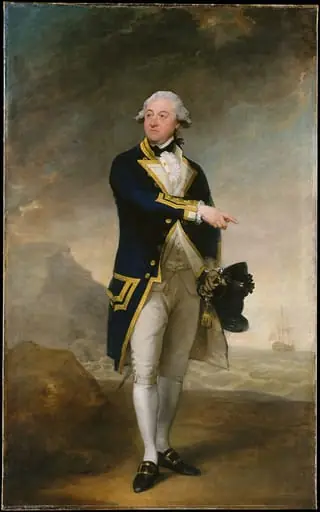 Captain John Gell
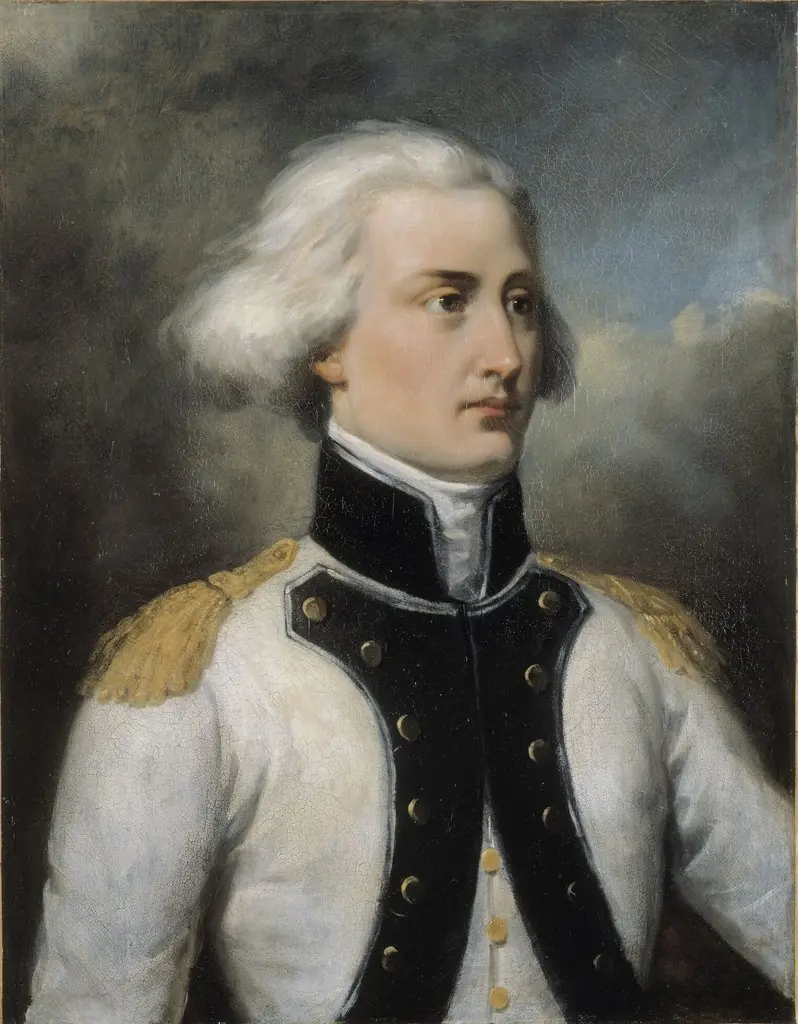 Portrait de Bon Adrien Jeannot de Moncey (1754-1842), capitaine au 7e de ligne en 1792
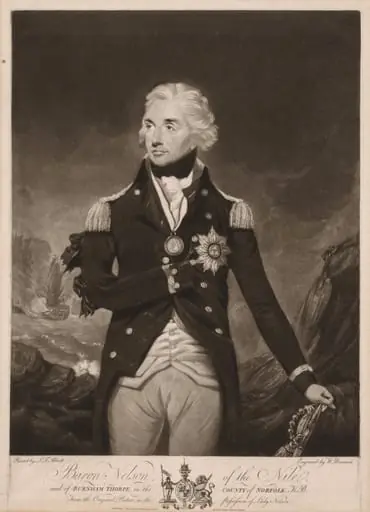 Horatio Nelson
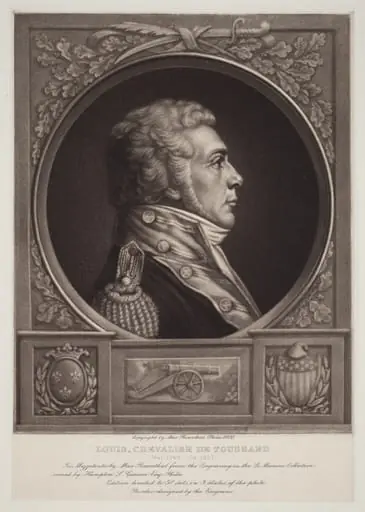 Louis, Chevalier de Toussard
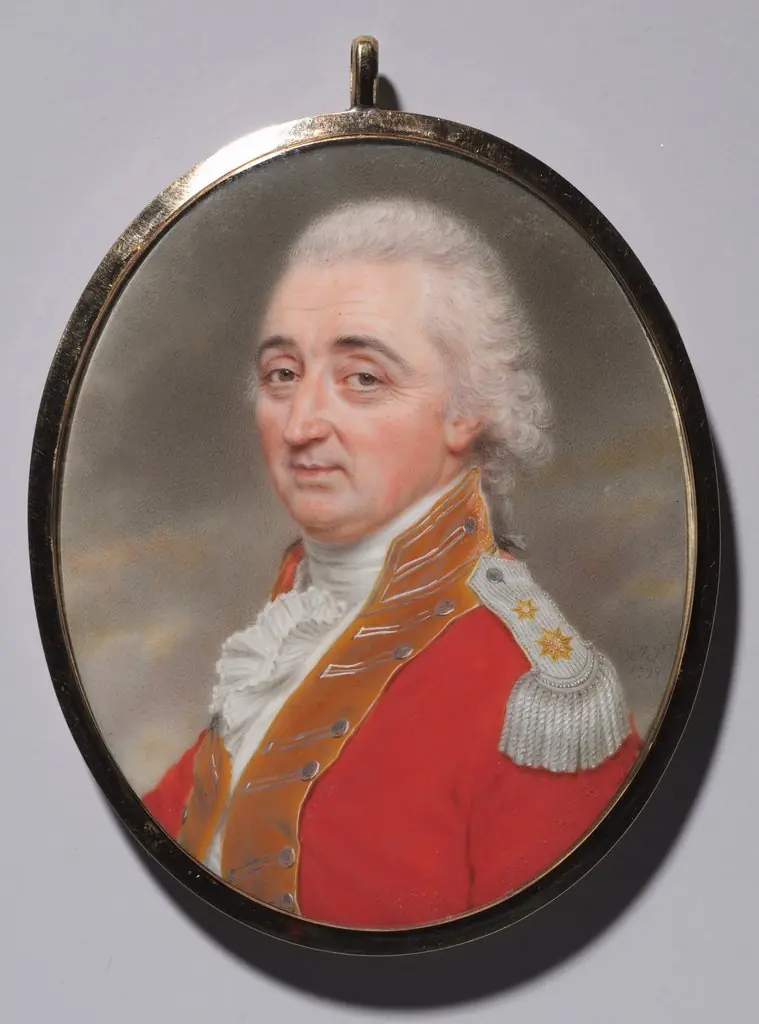 Portrait of Lieutenant General Daniel Burr