Artwork
Sir Philip Bowes Vere Broke
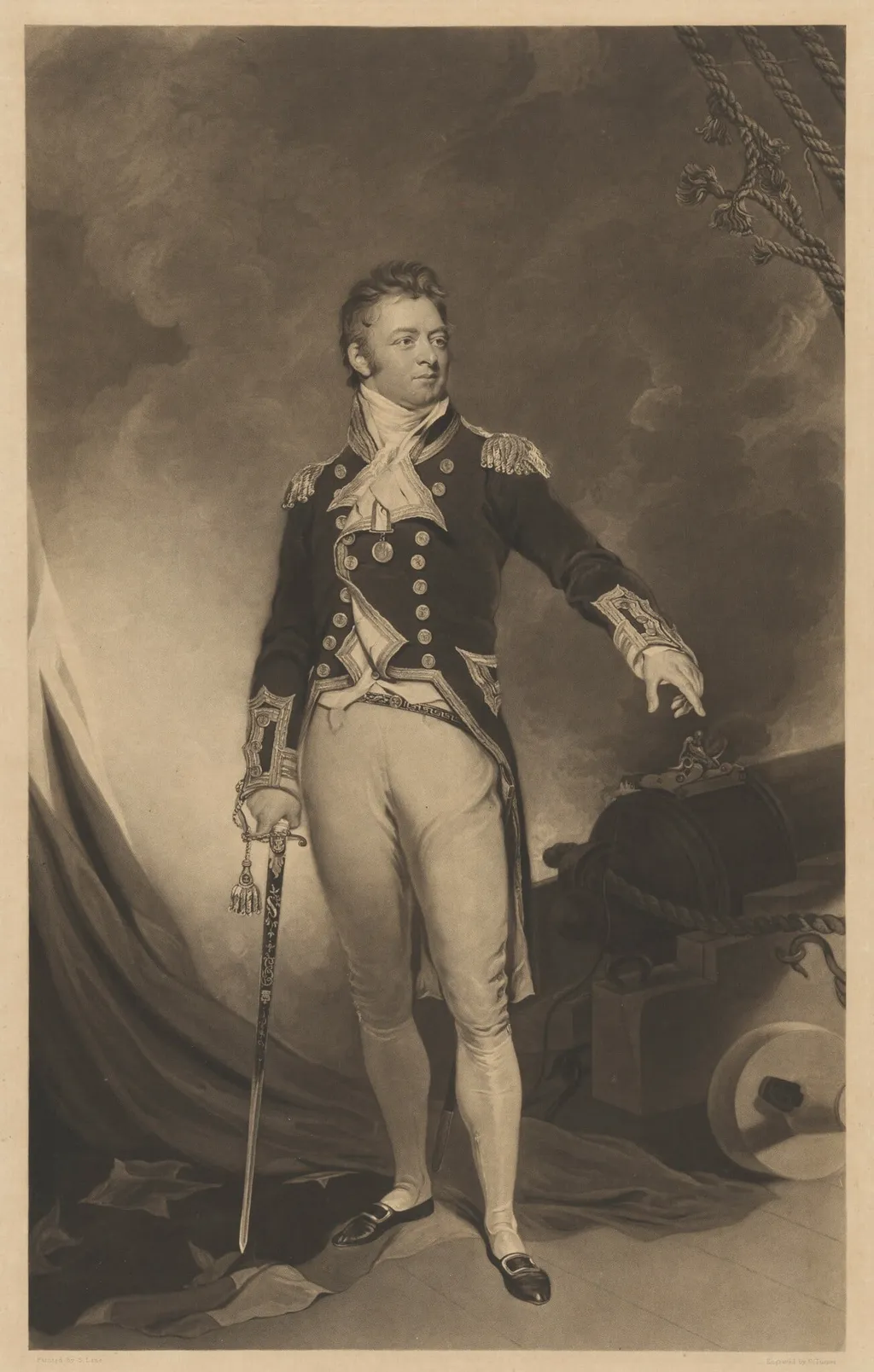
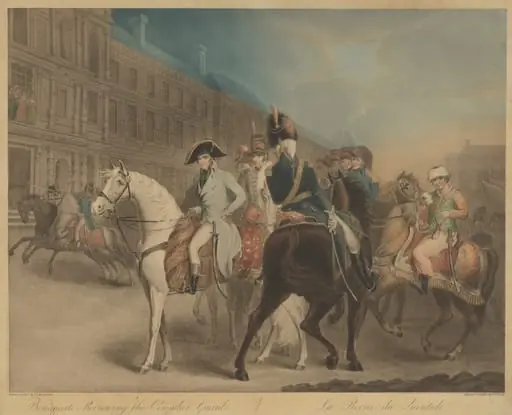
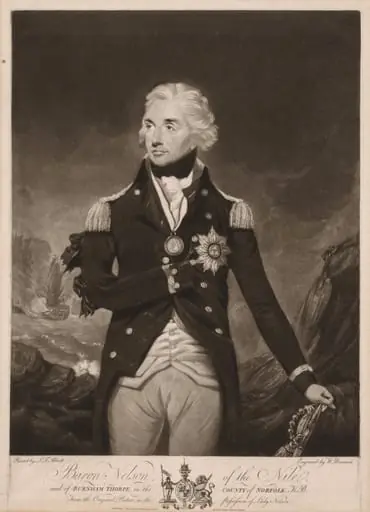
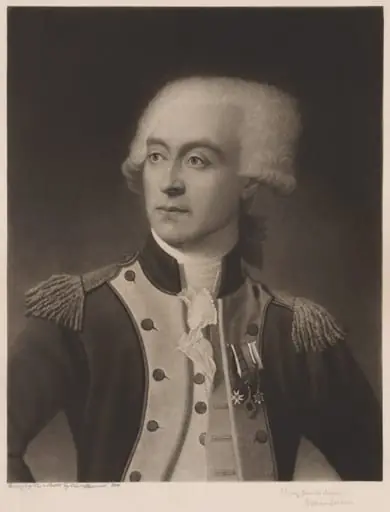
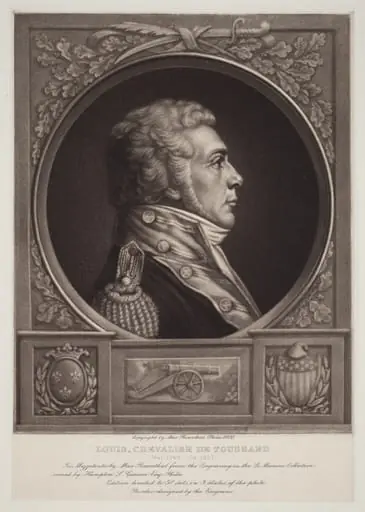
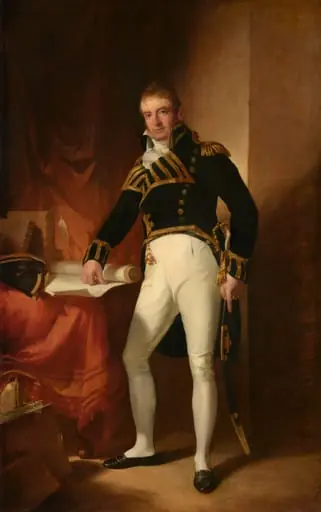
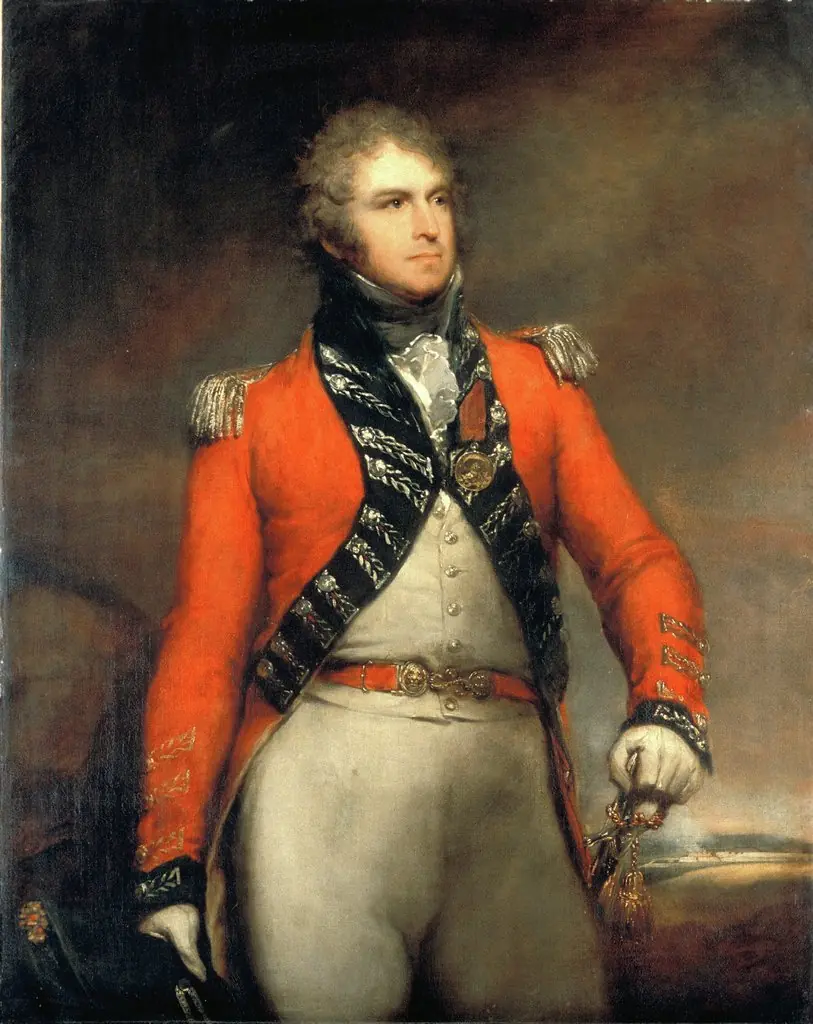
Sir Philip Bowes Vere Broke is an ink print by the Romanticist artist Charles Turner. It dates from 1816 and is held in the collection of the National Gallery of Art.
About this work
Overview
The work reflects the period’s interest in commemorating naval figures through detailed reproductive prints, blending portraiture with technical precision.
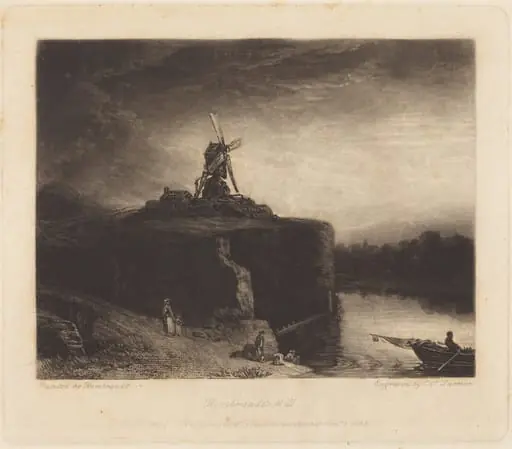
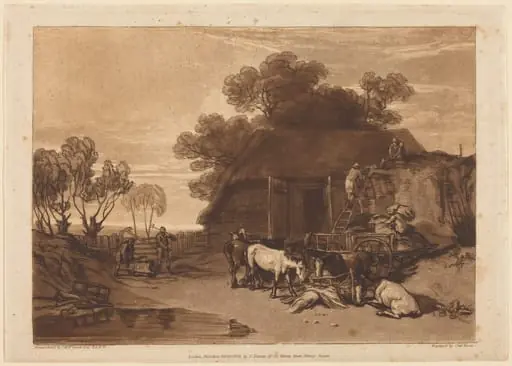
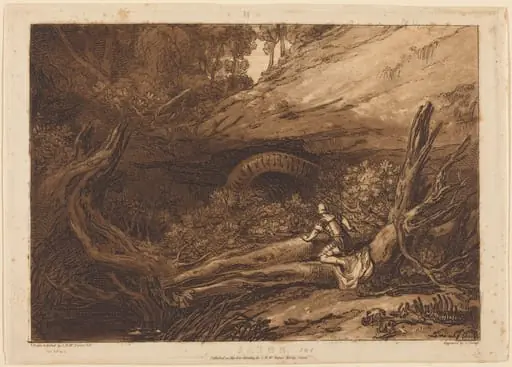
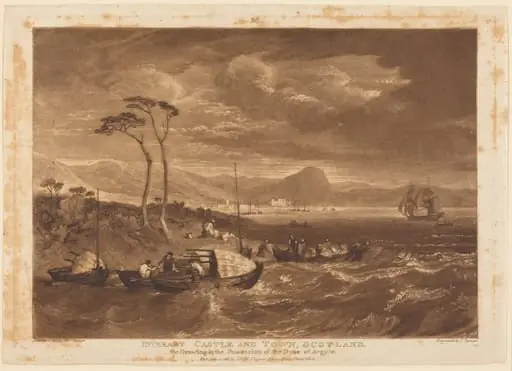
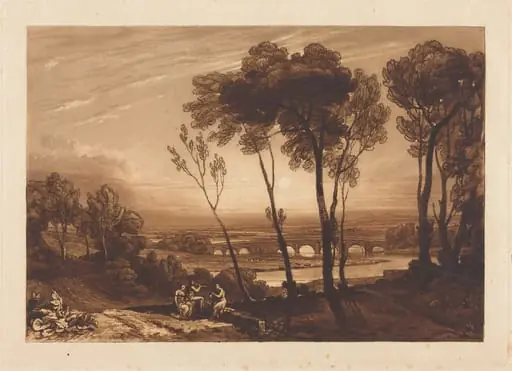
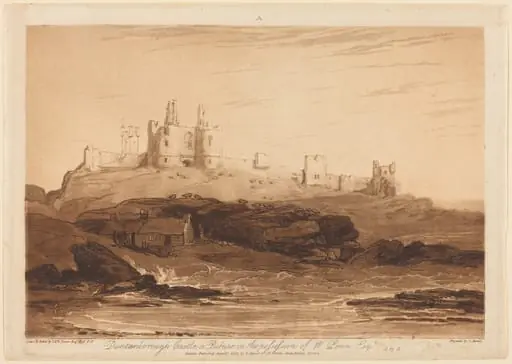
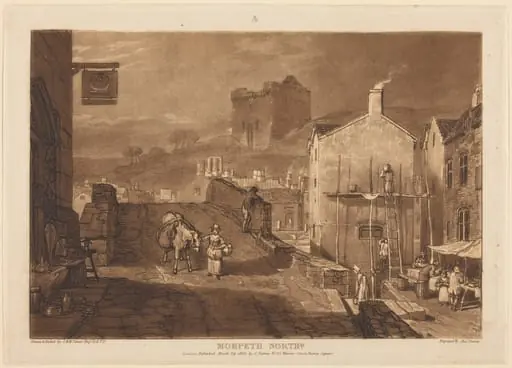
This 1816 mezzotint portrays Sir Philip Bowes Vere Broke, a distinguished Royal Navy officer, rendered by Charles Turner. Executed in the first state of the print, it was produced as part of the Liber Studiorum project, a series of prints inspired by J.M.W. Turner’s landscape studies. The work reflects the period’s interest in commemorating naval figures through detailed reproductive prints, blending portraiture with technical precision.
Subject & Meaning
Sir Philip Broke is depicted in full naval uniform, his posture formal and composed, reflecting his status and service. The portrait emphasizes dignity and authority rather than individual expression. As a celebrated commander, particularly for his role in the War of 1812, his image served to reinforce national pride and the valor associated with Britain’s maritime power during the Napoleonic era.
Technique & Style
Charles Turner employed mezzotint, a method involving roughening a metal plate with a rocker to hold ink, then smoothing areas to create tonal gradations. This technique allowed for rich, velvety blacks and subtle transitions in light, ideal for capturing the texture of fabric and the solidity of form. The result is a portrait with deep shadow and refined detail, characteristic of high-quality reproductive prints of the time.
History & Provenance
The print was issued in 1816 as part of J.M.W. Turner’s Liber Studiorum, a project intended to elevate printmaking to the status of fine art. Charles Turner, a skilled engraver, collaborated with the painter to translate his compositional ideas into prints. This first-state impression predates later revisions and retains the original tonal nuances, making it a significant artifact in the history of British print culture.
Context
In early 19th-century Britain, mezzotints were widely used to disseminate portraits of notable figures, especially military and naval heroes. The Liber Studiorum series sought to bridge landscape and portraiture, aligning printmaking with academic traditions. Broke’s inclusion reflects the cultural practice of honoring naval leadership during a period of intense national conflict and imperial expansion.
Legacy
Though Charles Turner’s mezzotints are less celebrated than J.M.W. Turner’s paintings, this print remains an important example of collaborative printmaking in the Romantic era. It preserves the visual language of naval heroism and demonstrates the technical mastery required in reproductive engraving. The work contributes to the broader understanding of how public figures were memorialized in print before photography.
Artist & collection
Artist
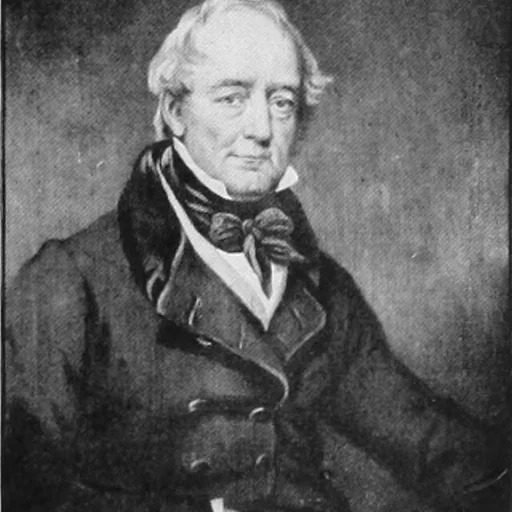
Charles Turner (31 August 1774 – 1 August 1857) was an English engraver and draughtsman who specialised in portraiture. He collaborated with J. M. W. Turner (to whom he was not related) on the early plates of the same's Liber Studiorum.