Artwork
Henry Clay
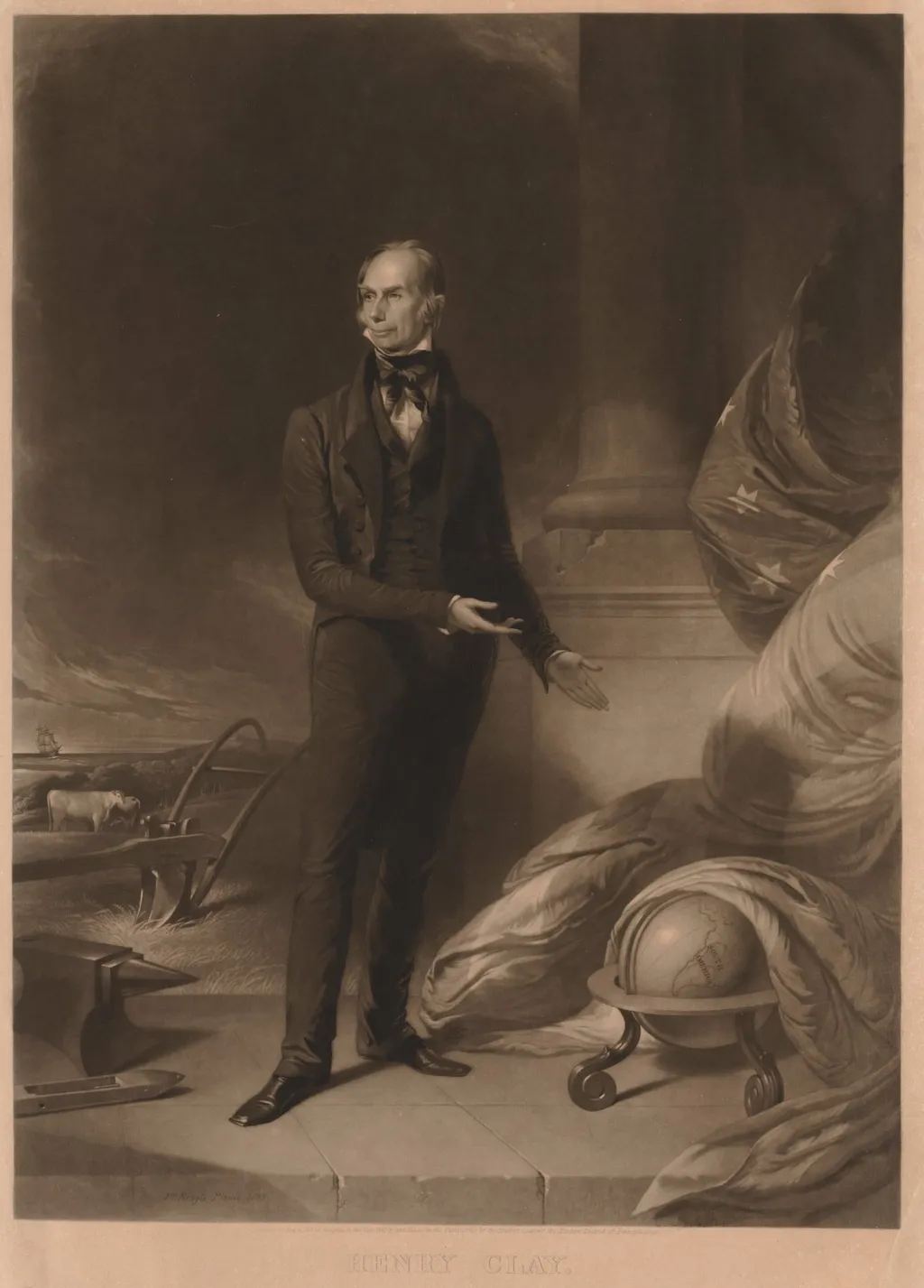
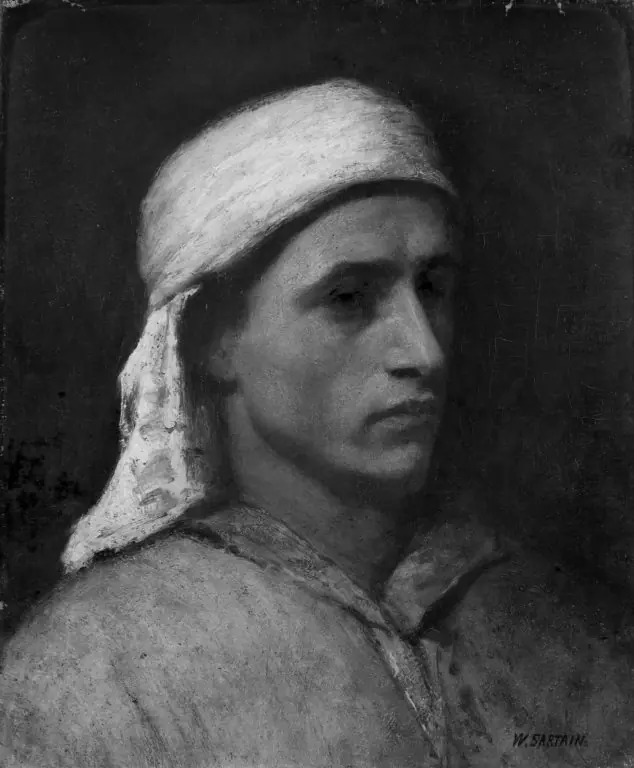
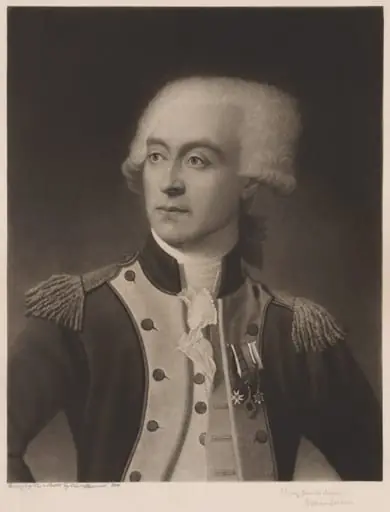
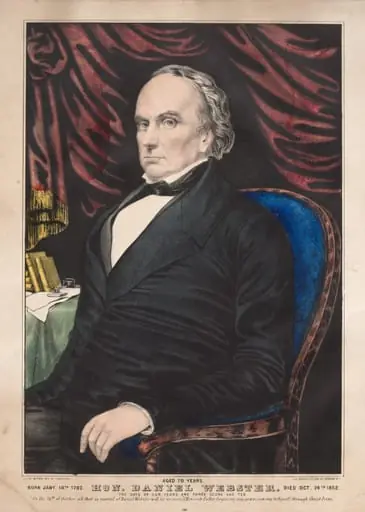
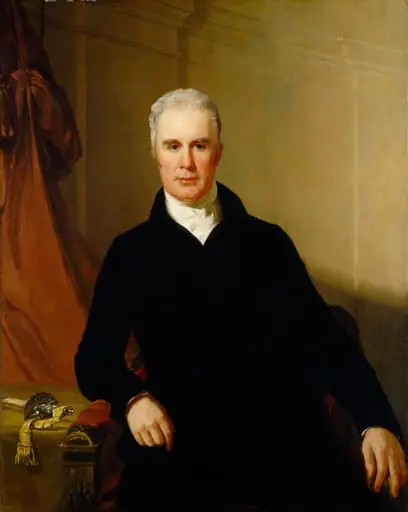
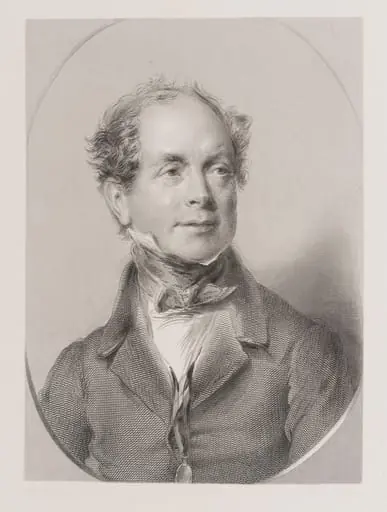
Henry Clay is a print by the Romanticist artist William Sartain. It dates from 1843 and is held in the collection of the Cleveland Museum of Art.
About this work
Overview
This 1843 portrait of Henry Clay by William Sartain is a tonalist work, characterized by nuanced light and shadow gradations. The black-and-white print depicts Clay in a dominant pose, accompanied by symbolic elements and a secondary figure, all set against a backdrop with outdoor hints.
Subject & Meaning
Henry Clay, likely portrayed in a position of authority, is shown with confident demeanor and outstretched hand. Surrounding symbols—a helmet (military strength), scroll (knowledge or law), and a plow (agriculture or labor)—contextualize his importance, possibly alluding to his leadership roles.
Technique & Style
Sartain employs strong chiaroscuro, leveraging dramatic light and shadow to emphasize Clay’s presence. While Sartain’s oeuvre reflects influences from Orientalism and the Barbizon school, this piece focuses intently on its subject, with tonalism as its predominant stylistic element.
History & Provenance
Created in 1843 by William Sartain, part of a prominent Philadelphia artistic family, the portrait is now part of the Cleveland Museum of Art’s collection.
Artist & collection
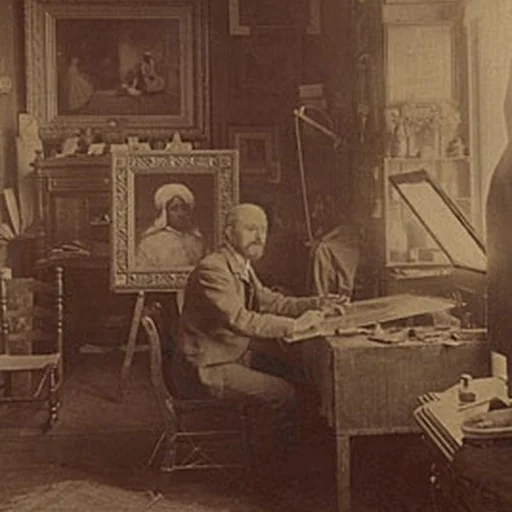
Artist
William Sartain (November 21, 1843 – October 25, 1924) was an American artist, known for the moody tonalism of his paintings, and interests and influences that spanned Orientalism and the Barbizon plein air approach to art.