Artwork
James Jackson
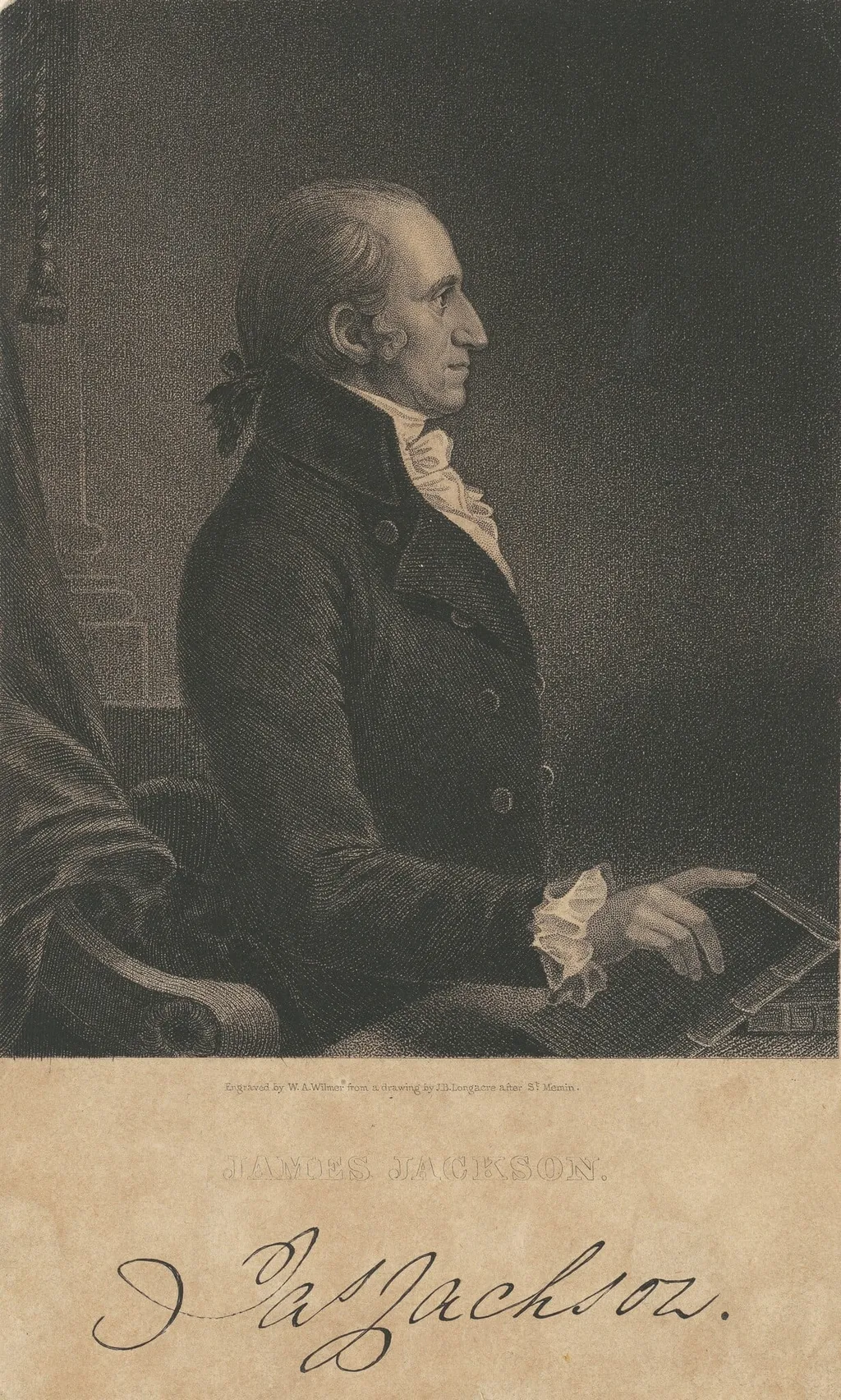
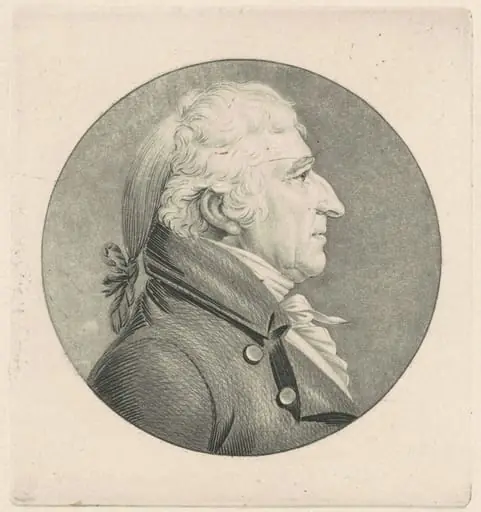
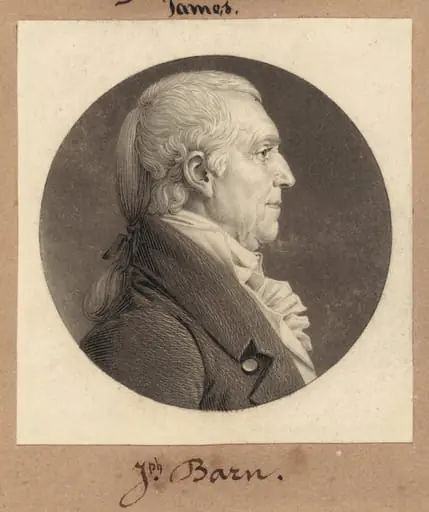
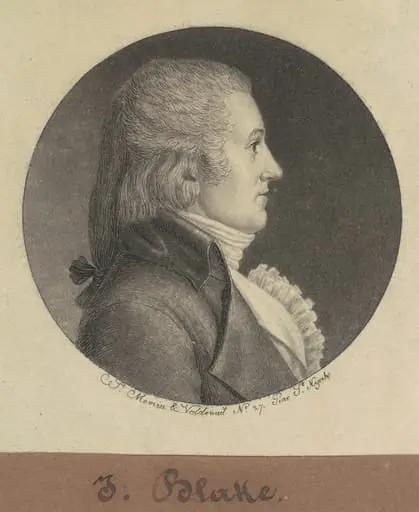
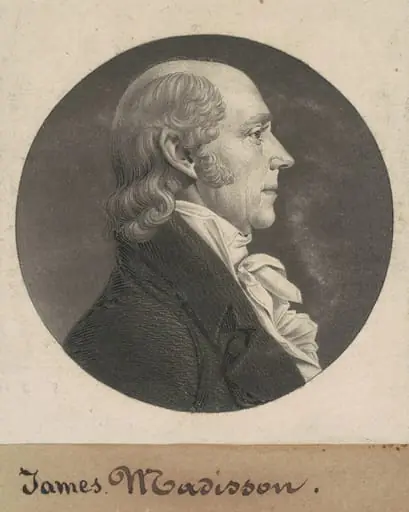
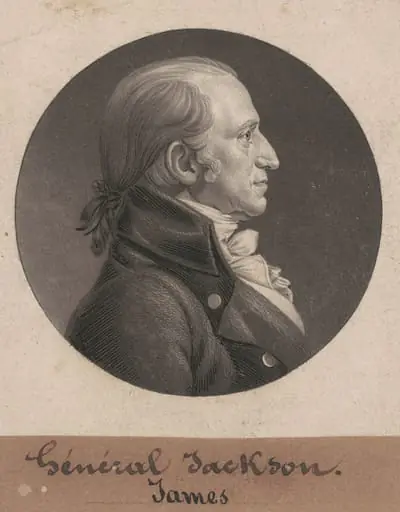
James Jackson is an ink print by the Romanticist artist William A. Wilmer. It dates from 1801 and is held in the collection of the National Gallery of Art. William A.
About this work
Overview
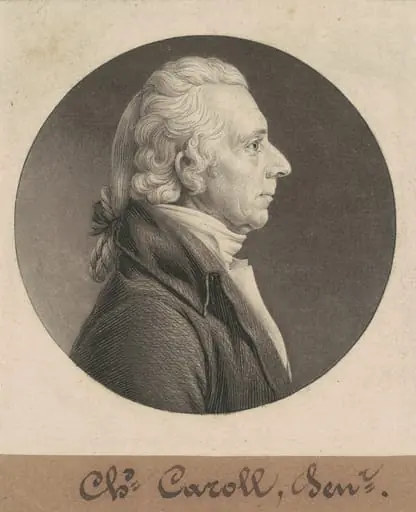
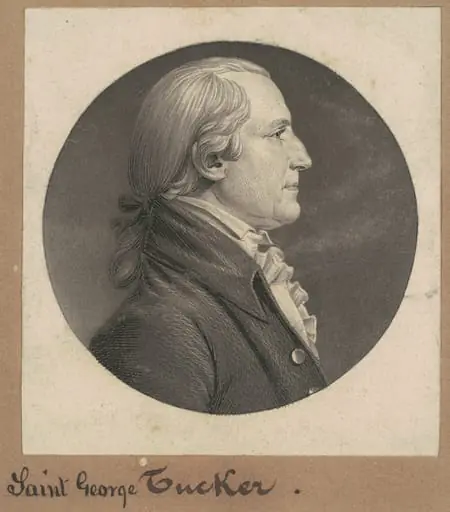
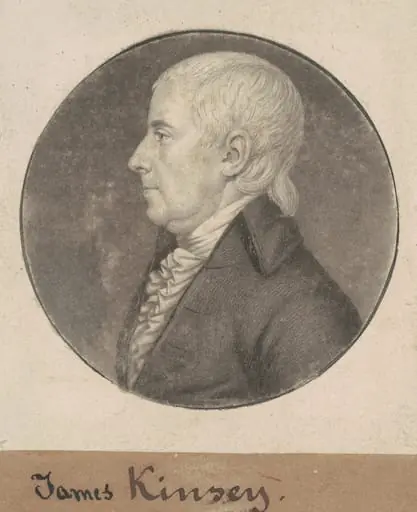
William A. Wilmer’s 1801 engraving presents a seated gentleman in early‑nineteenth‑century dress. Rendered in black on wove paper, the portrait emphasizes the sitter’s face and hands against a darkened backdrop, creating a stark contrast that draws the viewer’s attention to his expression and posture.
Subject & Meaning
The figure wears a dark coat and a white cravat, typical of the period’s formal attire. His hands rest lightly on a table, suggesting a contemplative or professional demeanor, while the subdued background removes extraneous detail, focusing on the individual’s character.
Technique & Style
Wilmer employs fine cross‑hatching to model the facial features and fabric textures, achieving depth through varying line density. The use of wove paper provides a smooth surface that supports the intricate line work, while the overall composition reflects the precise, linear quality characteristic of early‑19th‑century British engraving.
History & Provenance
Created in 1801, the print is attributed to William A. Wilmer, an engraver active in the United Kingdom during the turn of the century. The work has been documented in collections of period prints, though specific ownership records prior to its inclusion in museum holdings remain limited.
Artist & collection