Artwork
John Wart
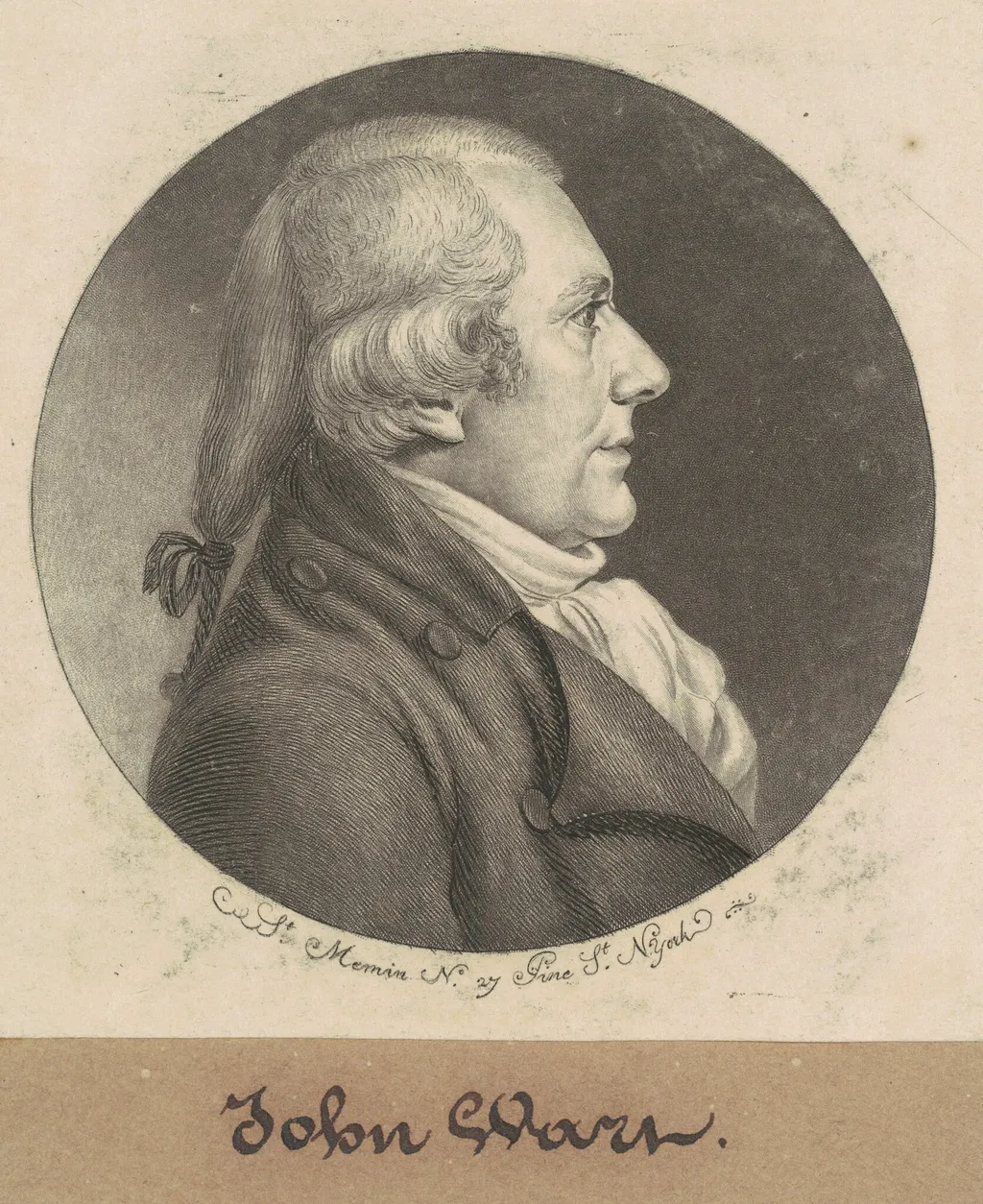
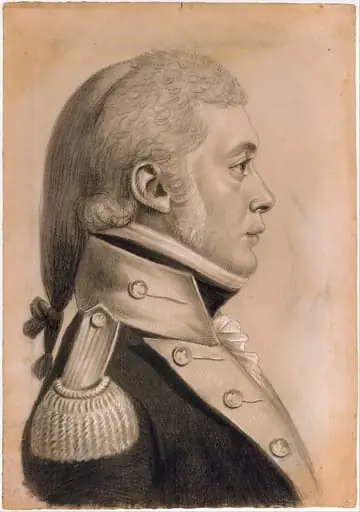
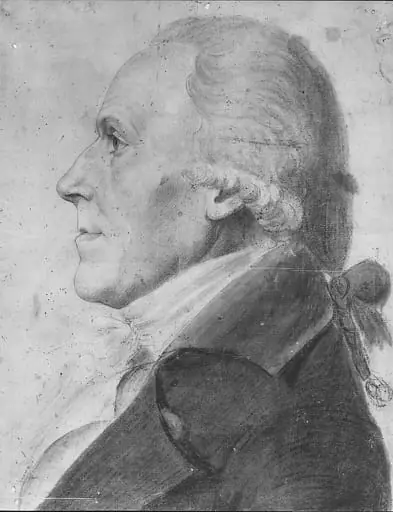
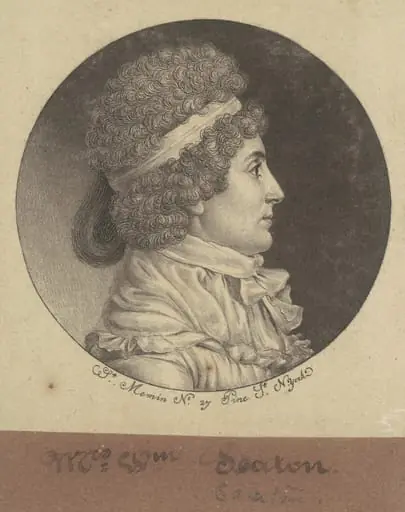
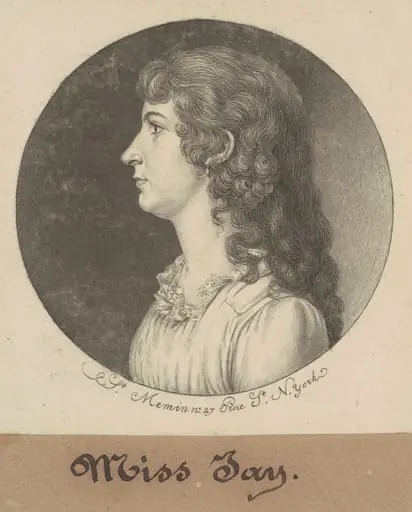
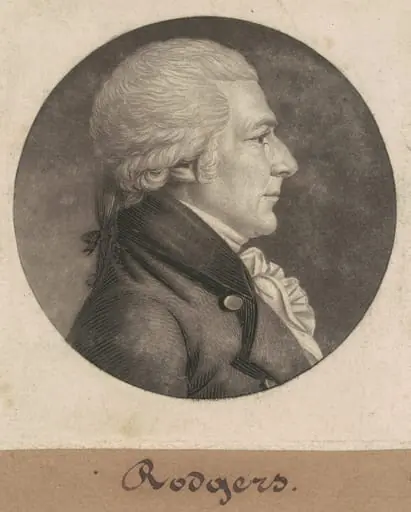
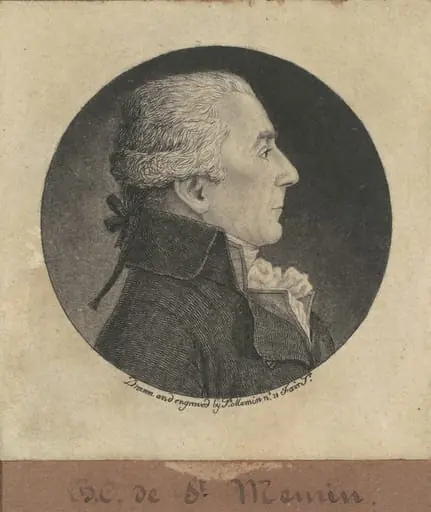
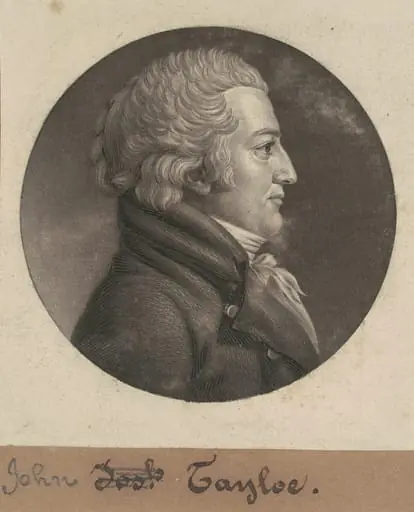
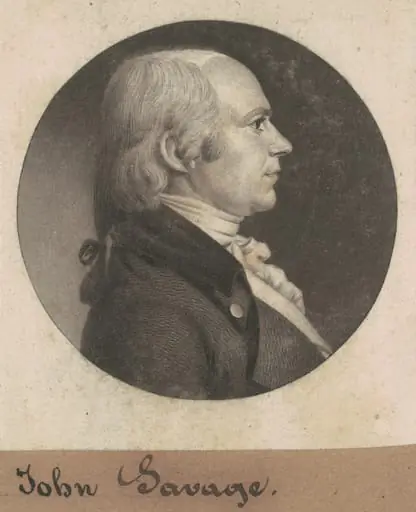
John Wart is an ink print by the Romanticist artist Charles Balthazar Julien Févret de Saint-Mémin. It dates from 1798 and is held in the collection of the National Gallery of Art. Created in 1798, this small mezzotint and engraving measures just under six centimeters square.
About this work
Overview
Created in 1798, this small mezzotint and engraving measures just under six centimeters square. Executed on wove paper mounted to a brown backing, the print presents a solitary male figure in strict profile. The work belongs to the Saint‑Mémin Collection of Portraits and is noted for its relevance to the period’s portraiture practices.
Subject & Meaning
The image captures a gentleman’s face turned sideways, emphasizing the contours of his nose, cheek, and jaw. The stark profile format, common in eighteenth‑century portraiture, conveys a sense of dignity and formality, allowing viewers to focus on the sitter’s physiognomy without narrative distraction.
Technique & Style
The artist employed mezzotint, a process that begins by roughening a copper plate to hold ink uniformly, then smoothing areas to create tonal gradations. Fine dots were incised for detail, producing a luminous skin tone that subtly emerges from a deep, velvety background. This method was prized for rendering soft transitions in portraiture during the late 1700s.
History & Provenance
Attributed to Charles B. J. Févret de Saint‑Mémin, the print forms part of his extensive series of portrait mezzotints. It has remained within the Saint‑Mémin Collection, a repository that preserves his work and reflects the artist’s role in documenting contemporary figures of the era.
Context
Mezzotint enjoyed popularity in the final decades of the eighteenth century as a means of producing affordable, yet richly tonal, portrait reproductions. Saint‑Mémin’s output exemplifies this trend, offering a portable, detailed likeness that could be disseminated among patrons and collectors interested in the visual record of their society.
Artist & collection

Artist
Charles Balthazar Julien Févret de Saint-Mémin
Charles Balthazar Julien Févret de Saint-Mémin (French pronunciation: ; 1770–1852) was a French portrait painter and museum director.