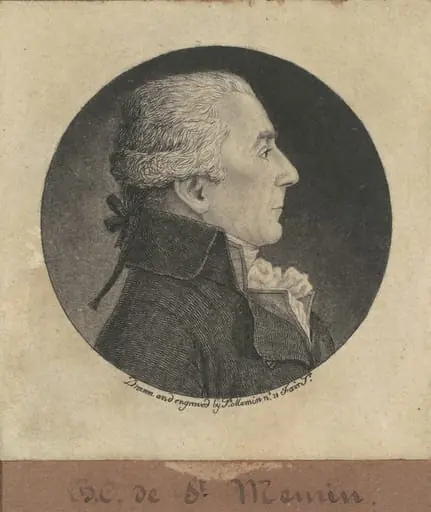
Artwork
Joseph Barn
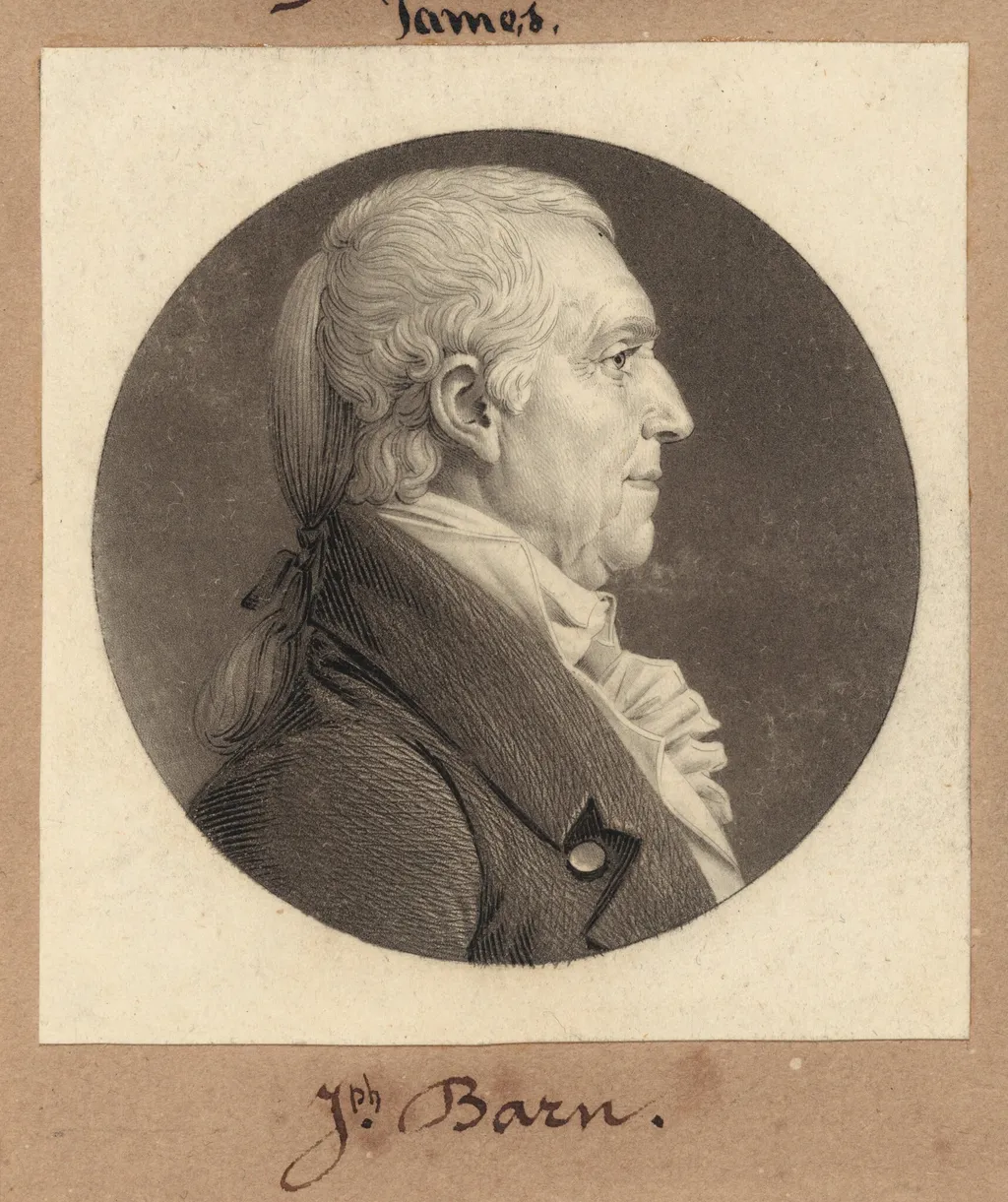
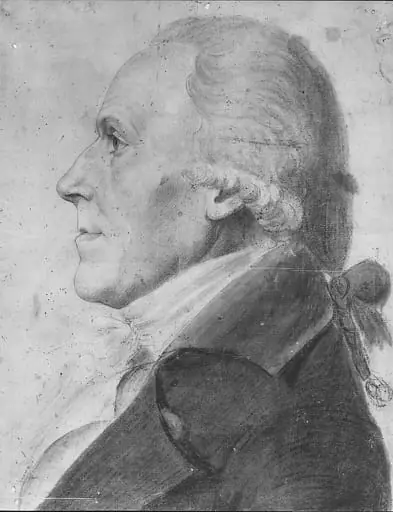
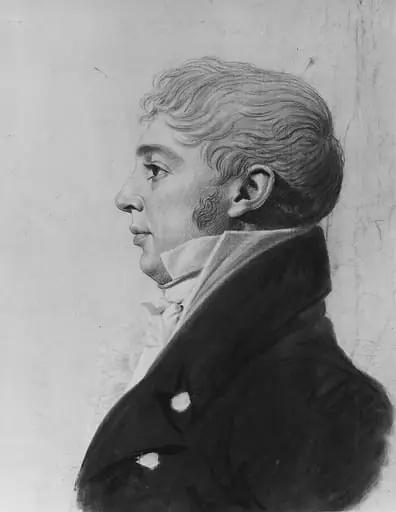
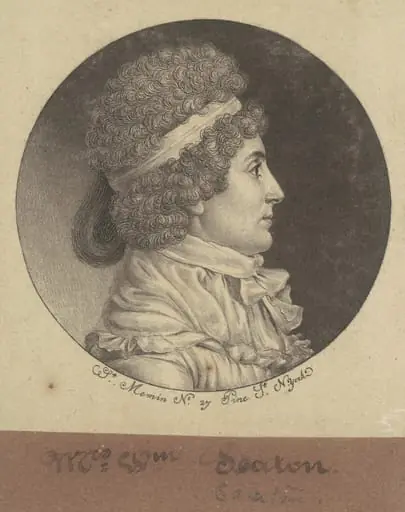
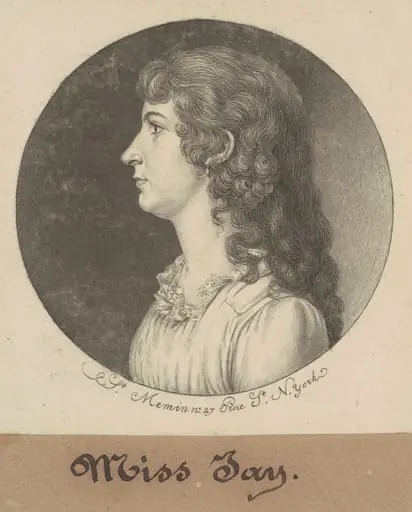
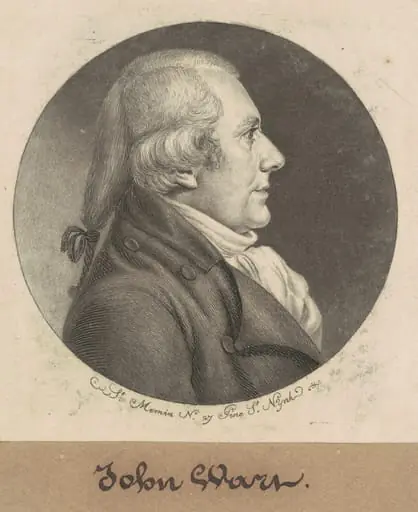
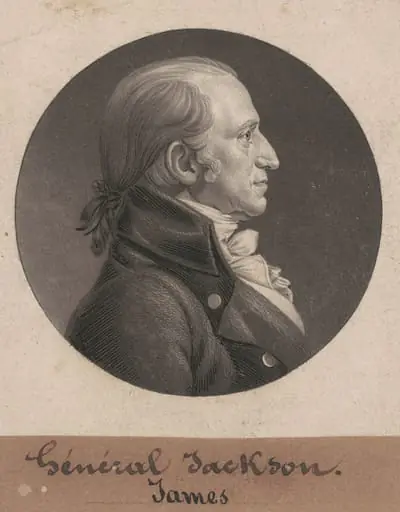
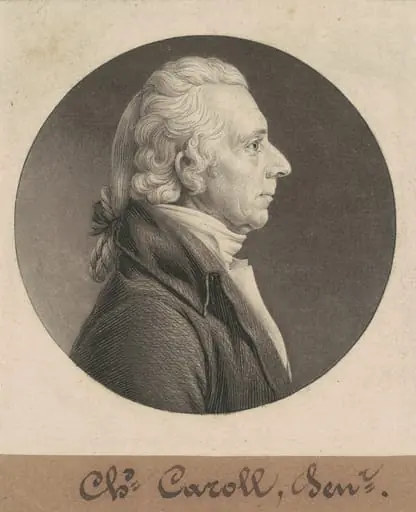
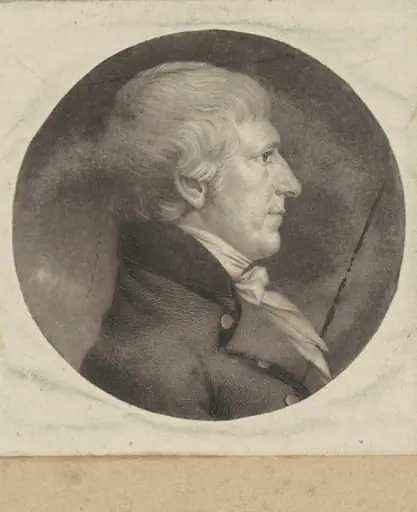
Joseph Barn is an ink print by the Romanticist artist Charles Balthazar Julien Févret de Saint-Mémin. It dates from 1808 and is held in the collection of the National Gallery of Art. This print, created in 1808 by Charles B.
About this work
Overview
The piece belongs to Saint-Mémin’s broader series of portrait collections, reflecting his systematic approach to documenting individuals through printmaking.
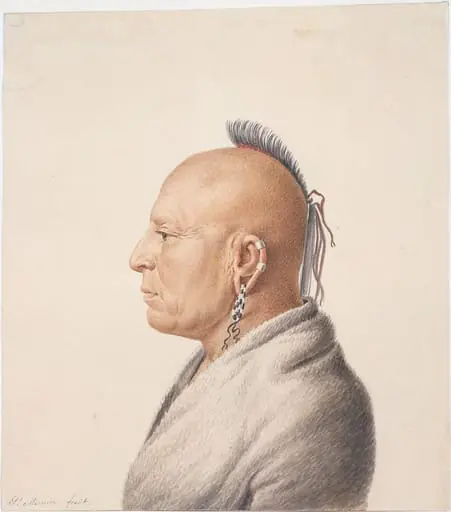
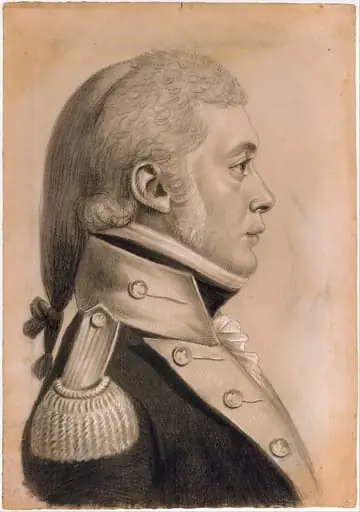
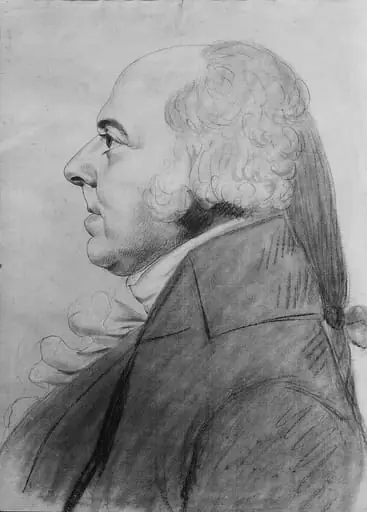
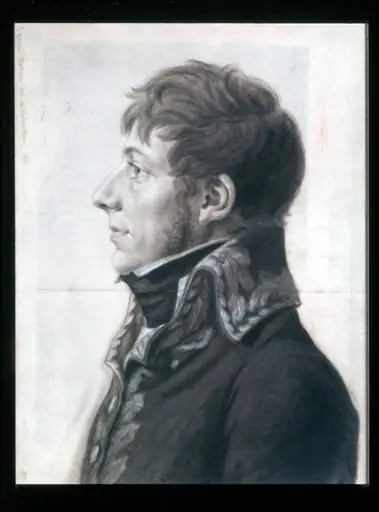
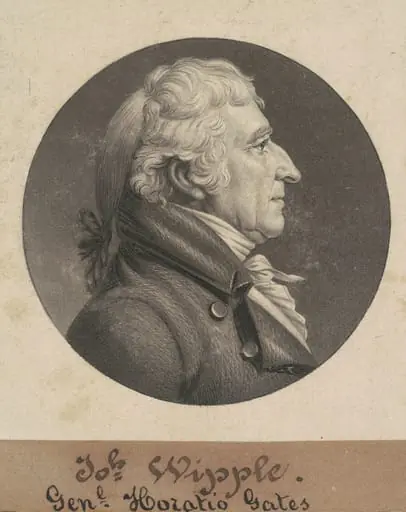
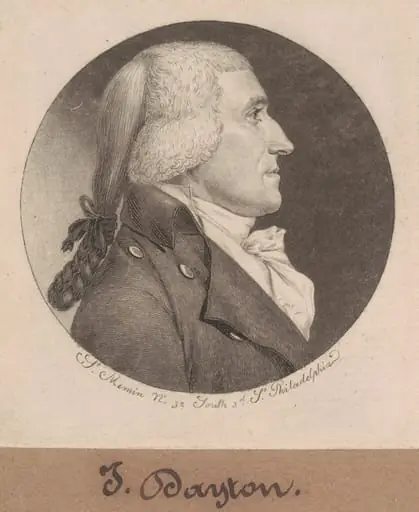
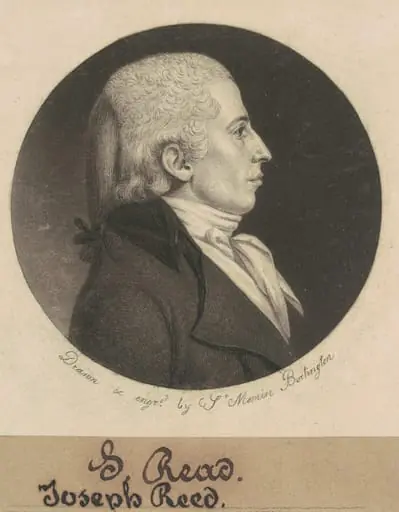
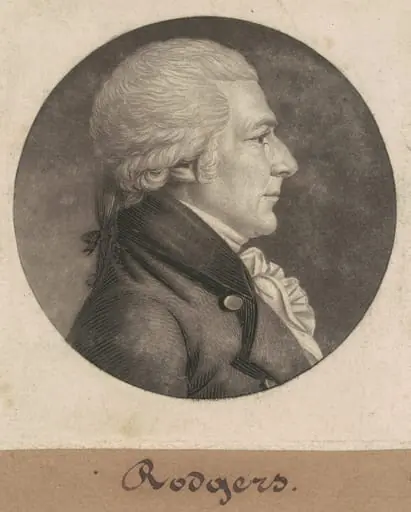
This print, created in 1808 by Charles B. J. Févret de Saint-Mémin, is a small-format work composed of sixteen individual portraits arranged in a 4 by 4 grid. Executed in mezzotint and engraving on wove paper, it is mounted on a brown wove support. The piece belongs to Saint-Mémin’s broader series of portrait collections, reflecting his systematic approach to documenting individuals through printmaking.
Subject & Meaning
The sixteen figures depicted are not identified by name, but their collective presentation suggests a deliberate grouping—possibly members of a social circle, professional cohort, or familial unit. The uniform scale and alignment imply equality among subjects, emphasizing structure over individual narrative. The format invites comparison, transforming the work into a visual catalog rather than a single portrait.
Technique & Style
Saint-Mémin employed mezzotint for tonal richness and engraving for fine linear detail, combining techniques to achieve subtle gradations in skin tones and fabric textures. Each portrait is rendered with consistent precision, maintaining formal restraint. The small size and tight composition reflect the constraints and conventions of portrait prints intended for private collections rather than public display.
History & Provenance
The work is part of the Saint-Mémin Collection of Portraits, a body of work assembled during his time in the United States. These prints were often commissioned or created for private patrons and later compiled into thematic groupings. The piece remains within institutional holdings associated with this collection, preserving its original context as a study in portraiture and social documentation.
Context
In early 19th-century America, portrait prints served as accessible alternatives to painted likenesses, particularly among the middle class. Saint-Mémin, a French émigré, adapted European engraving traditions to meet local demand. His grid-based compositions, like this one, reflect an interest in classification and order, aligning with Enlightenment-era impulses to systematize visual information.
Legacy
Though not widely exhibited today, this work exemplifies Saint-Mémin’s contribution to American print culture. His grid formats influenced later serial portraiture and archival practices in visual documentation. The piece endures as a quiet record of individuals whose identities are now largely lost, preserved through meticulous technique and structured composition.
Artist & collection

Artist
Charles Balthazar Julien Févret de Saint-Mémin
Charles Balthazar Julien Févret de Saint-Mémin (French pronunciation: ; 1770–1852) was a French portrait painter and museum director.