Artwork
James Jackson
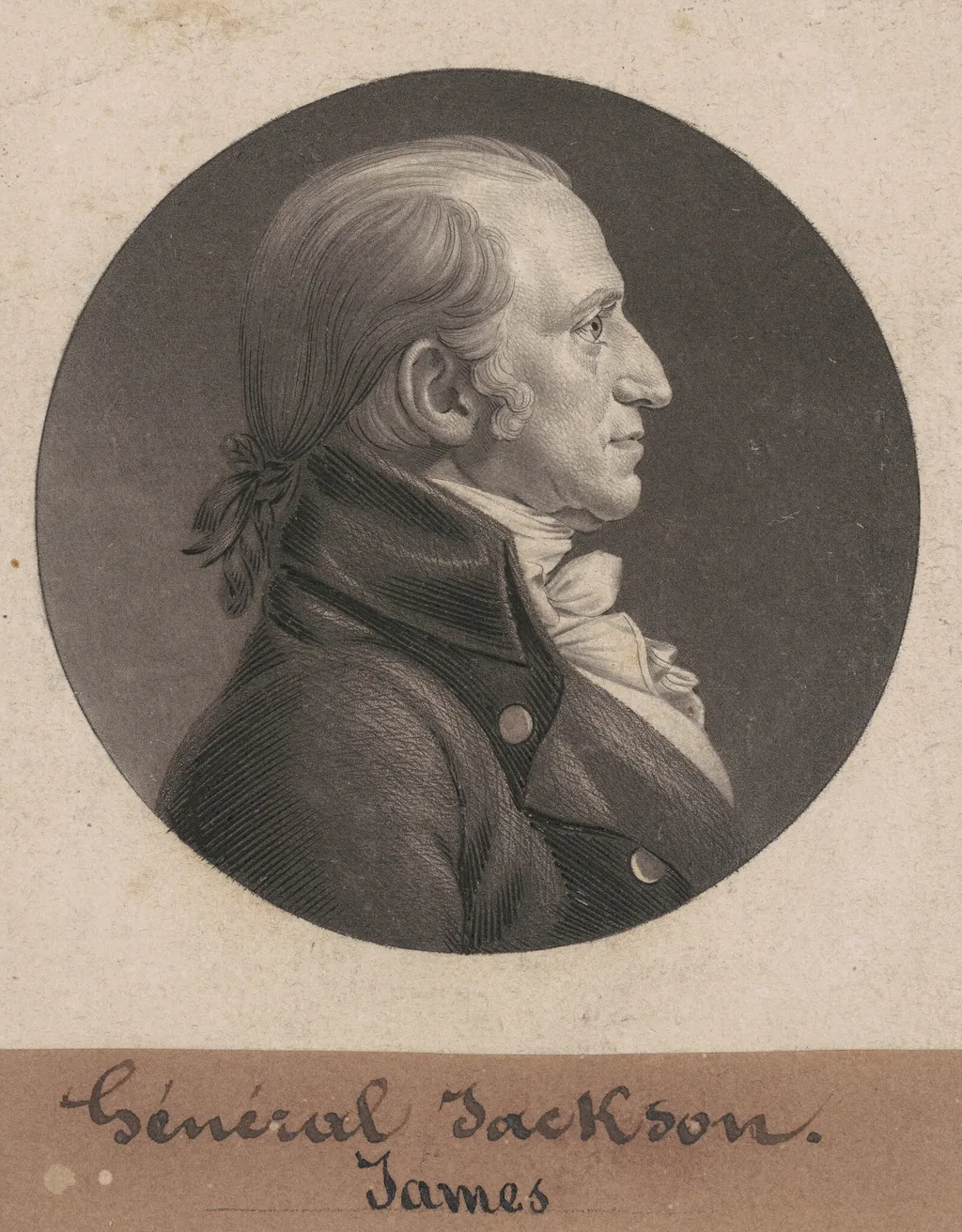
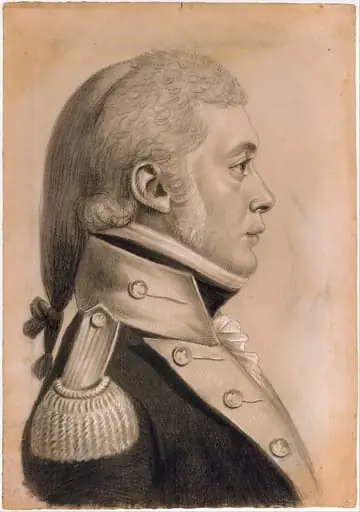
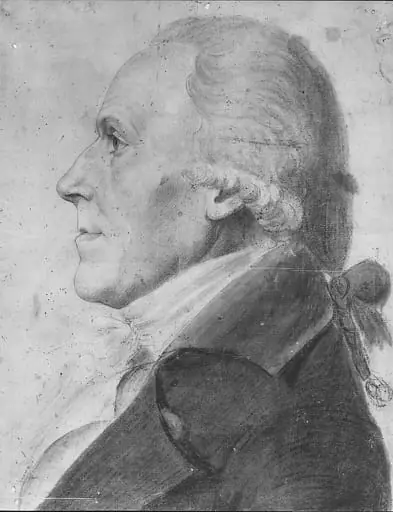
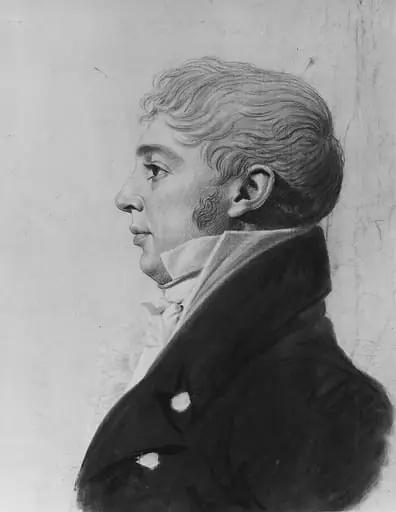
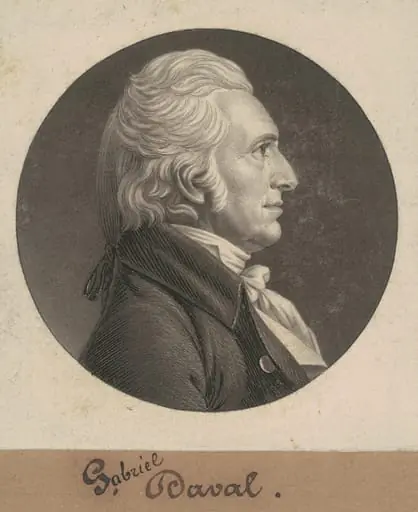
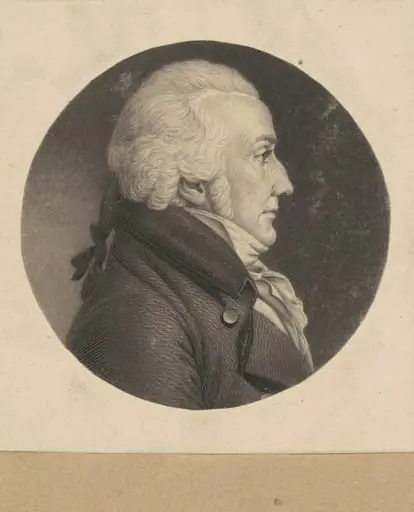
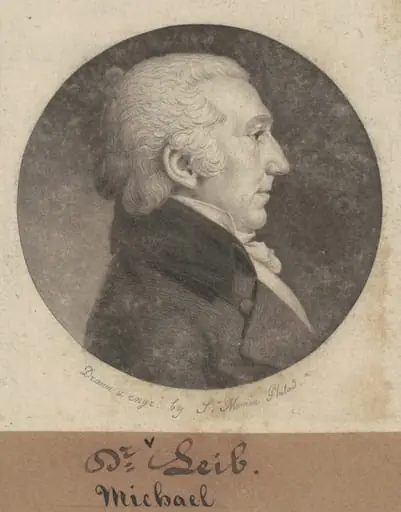
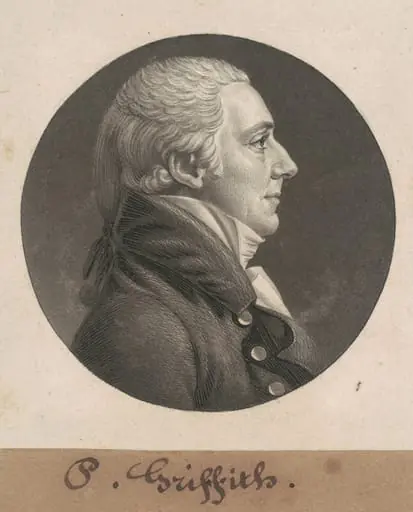
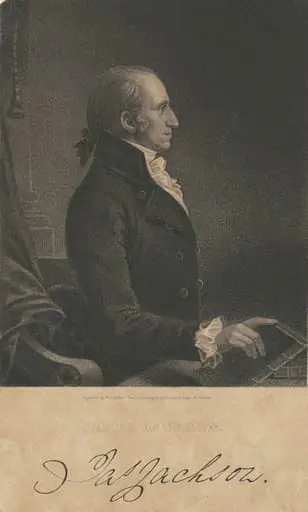
James Jackson is an ink print by the Romanticist artist Charles Balthazar Julien Févret de Saint-Mémin. It dates from 1805 and is held in the collection of the National Gallery of Art.
About this work
Overview
Mounted on a brown paper support, the work reflects the precision and intimacy characteristic of early American portrait prints.
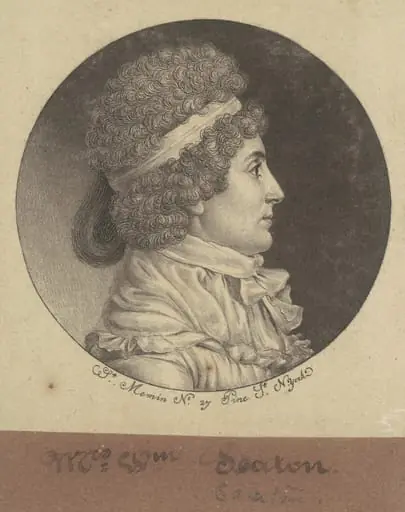
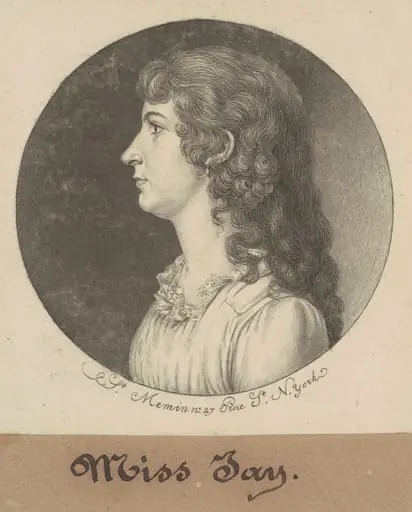
This small print, created in 1805, depicts James Jackson in a tightly framed oval composition. Executed in mezzotint and engraving on wove paper, it measures just over two inches in width. Mounted on a brown paper support, the work reflects the precision and intimacy characteristic of early American portrait prints. The technique, then uncommon in the United States, allowed for subtle tonal transitions in a limited format.
Subject & Meaning
James Jackson, a former U.S. congressman and military officer, is portrayed with quiet dignity. His dark coat and neutral expression convey a sense of restraint and public bearing. The soft lighting emphasizes his face, drawing attention to his features without embellishment. The plain background isolates the figure, reinforcing the portrait’s focus on individual presence rather than social context or status symbols.
Technique & Style
Charles B. J. Févret de Saint-Mémin employed mezzotint, a labor-intensive method involving a textured metal plate to achieve deep blacks and gradations. Tiny engraved lines refine details like the collar and hair. The resulting image relies on the interplay of light and shadow, with the paper’s surface catching subtle highlights. This technique was rare in America at the time, making the print a technical experiment in portraiture.
History & Provenance
The print was produced during Saint-Mémin’s time in the United States, where he worked as a portraitist for prominent figures. It entered the National Gallery of Art’s collection as part of its broader holdings in early American graphic arts. Its small size suggests it may have been intended for private circulation or personal keepsakes, reflecting the intimate nature of early 19th-century portraiture.
Context
In the early 1800s, mezzotint was gaining traction in America as a means to reproduce likenesses without the cost of oil painting. Saint-Mémin, a French émigré, helped introduce the technique to U.S. audiences. His portraits of political and military figures served both as documentation and as symbols of civic identity during a formative period in the nation’s cultural development.
Legacy
This print stands as an early example of mezzotint portraiture in the United States, illustrating the adaptation of European techniques to American subjects. While not widely known today, it contributes to the understanding of how visual identity was constructed in the young republic. Saint-Mémin’s work laid groundwork for later printmakers seeking accessible, detailed portraiture.
Artist & collection

Artist
Charles Balthazar Julien Févret de Saint-Mémin
Charles Balthazar Julien Févret de Saint-Mémin (French pronunciation: ; 1770–1852) was a French portrait painter and museum director.