Artwork
The Wagoner
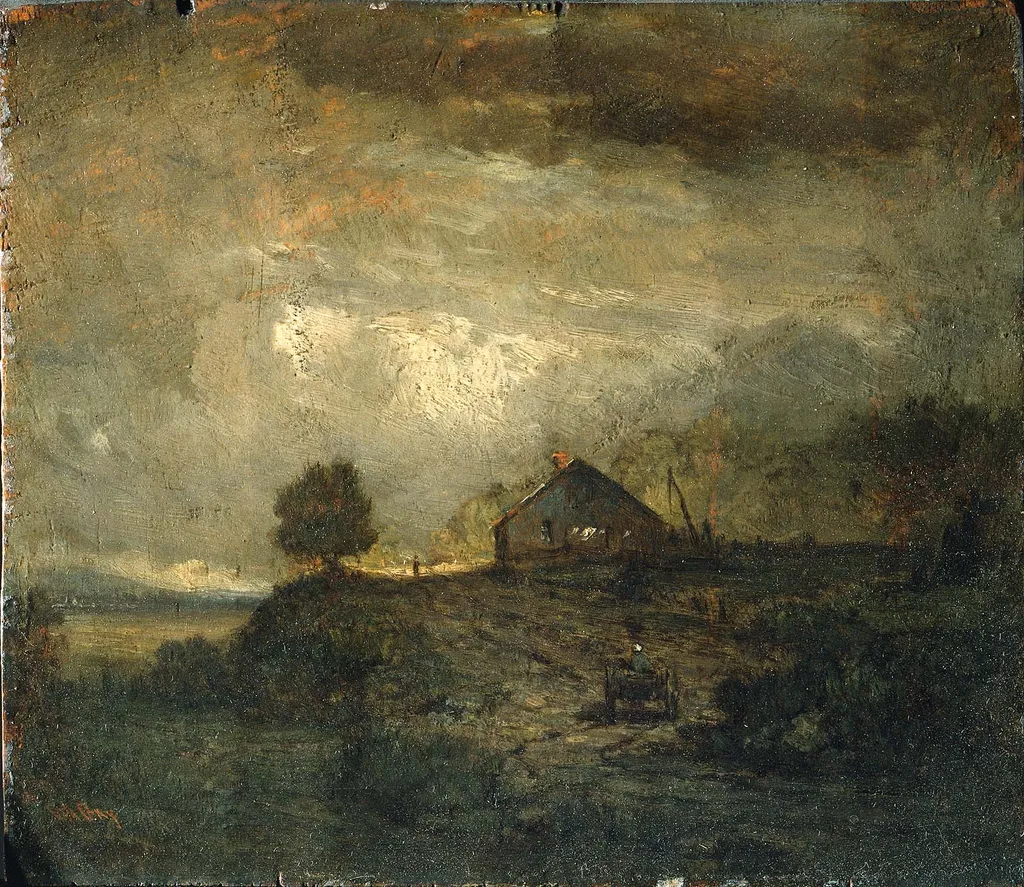
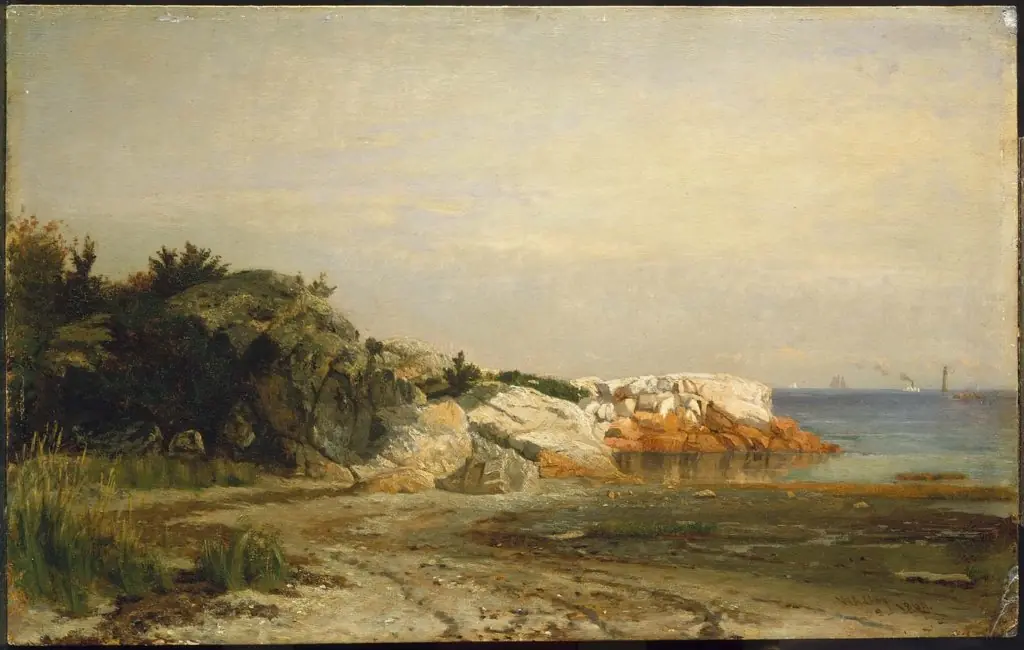
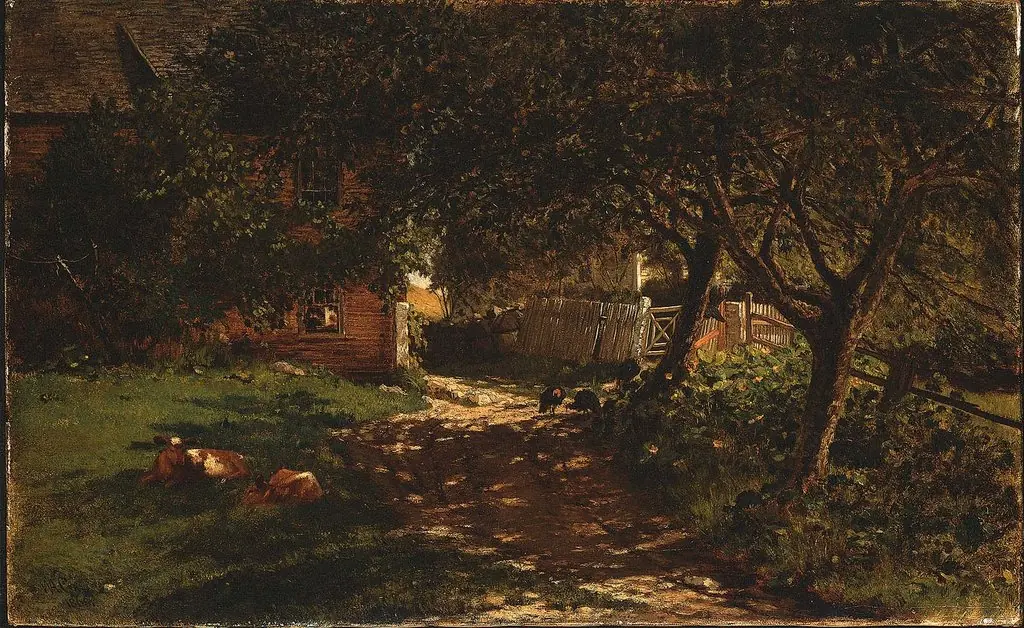
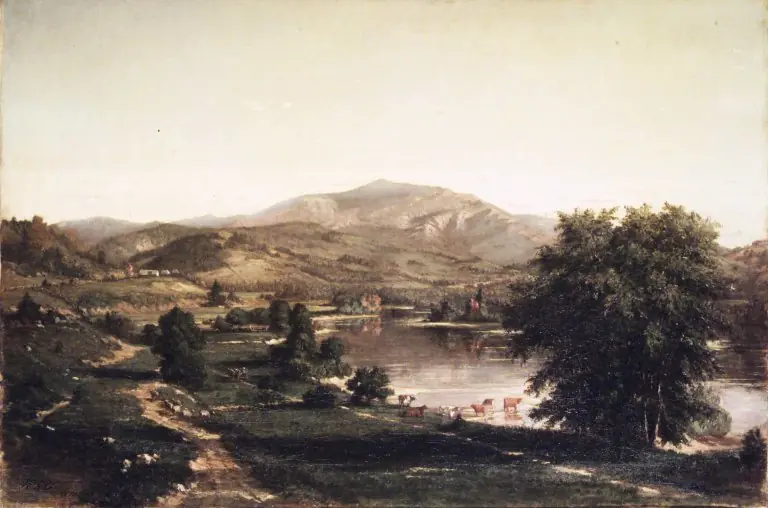
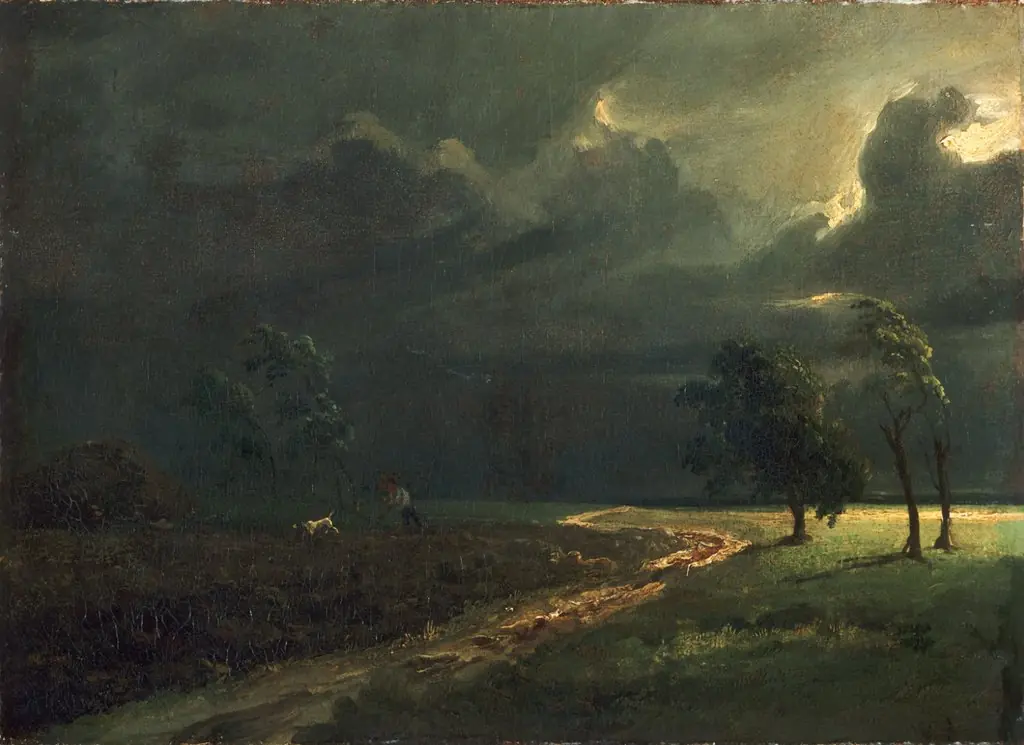
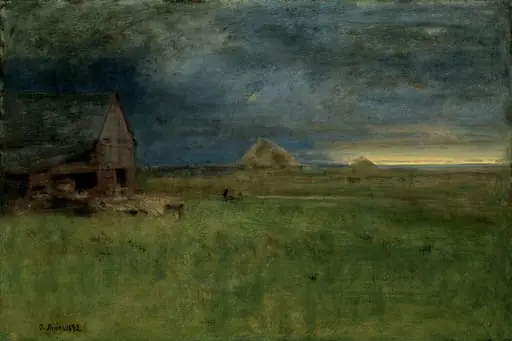
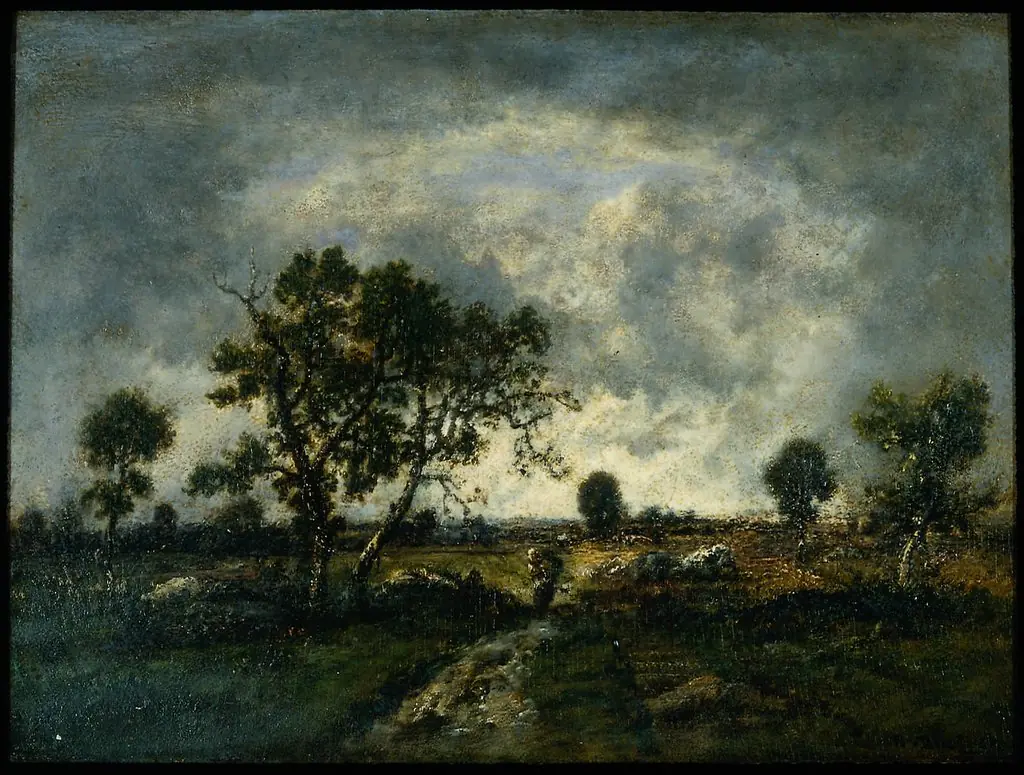
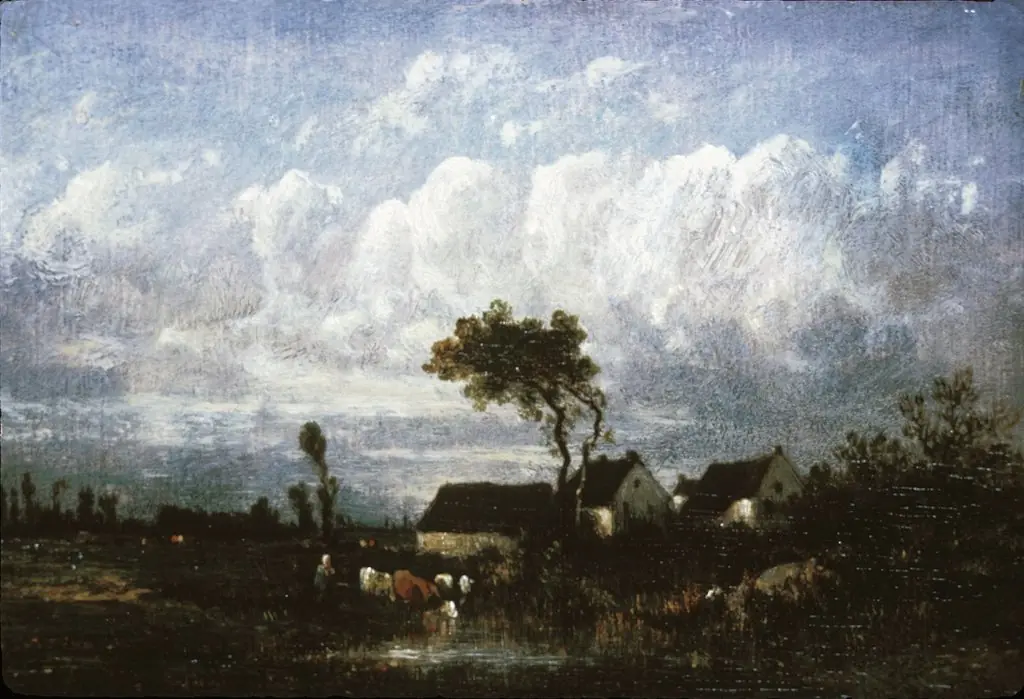
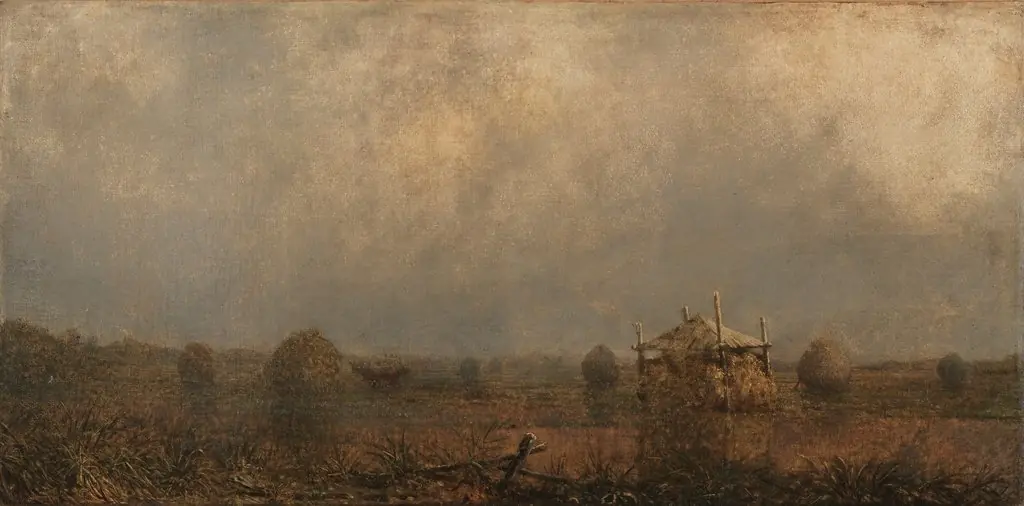
The Wagoner is an unspecified painting by the Realist artist Winckworth Allan Gay. It dates from 1850 and is held in the collection of the Museum of Fine Arts Boston.
About this work
Overview
Gay, influenced by his studies in both the United States and France, aligned his approach with the Barbizon school’s emphasis on direct observation of nature.
Painted around 1850 by Winckworth Allan Gay, *The Wagoner* is a landscape that captures a quiet rural moment in mid-19th century America. Gay, influenced by his studies in both the United States and France, aligned his approach with the Barbizon school’s emphasis on direct observation of nature. The work belongs to the Museum of Fine Arts, Boston, and exemplifies the Realist tendency to elevate ordinary scenes over idealized subjects.
Subject & Meaning
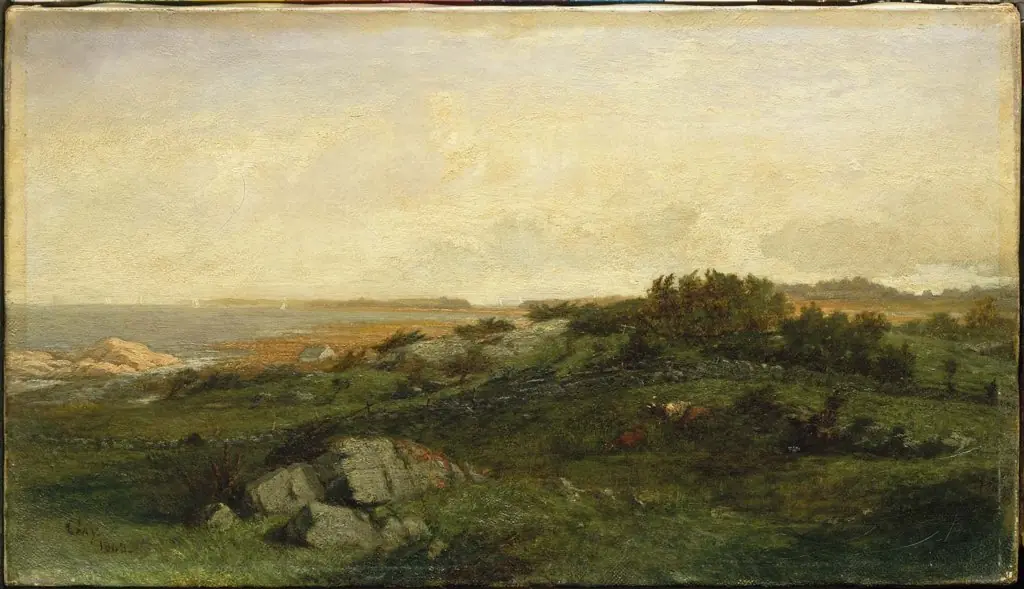
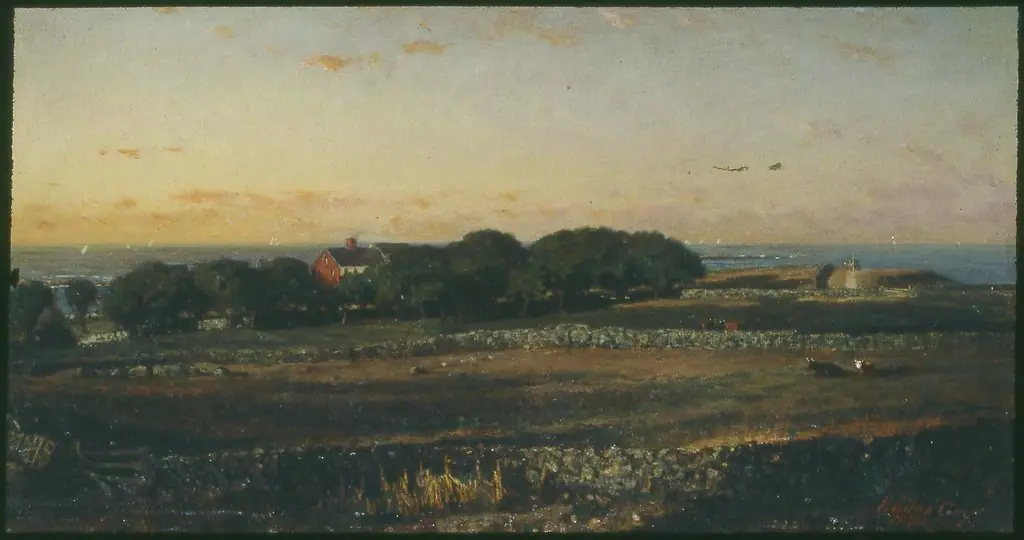
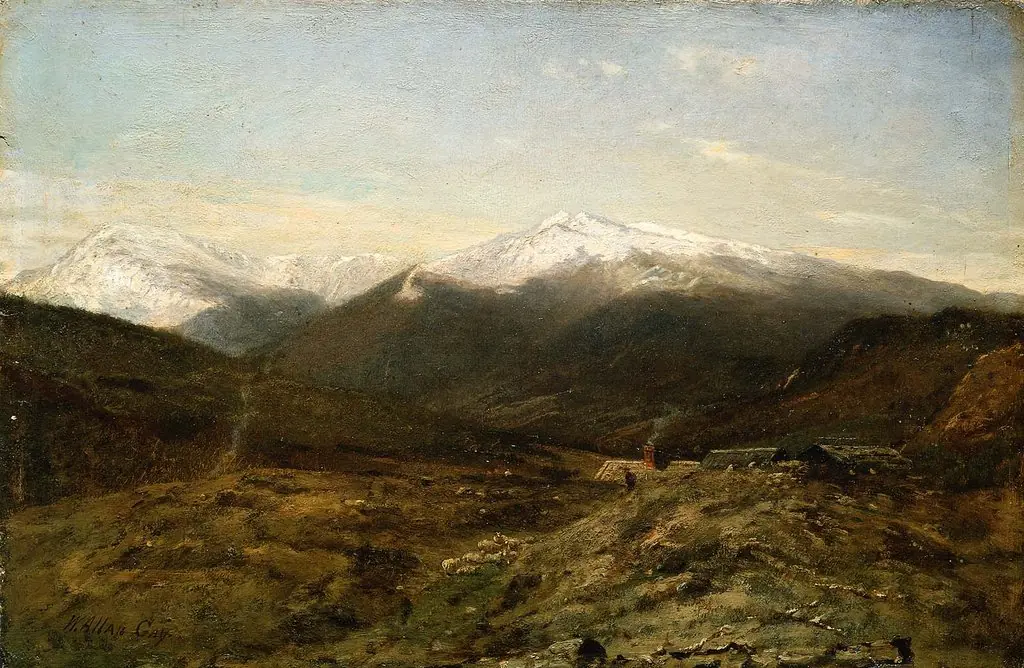
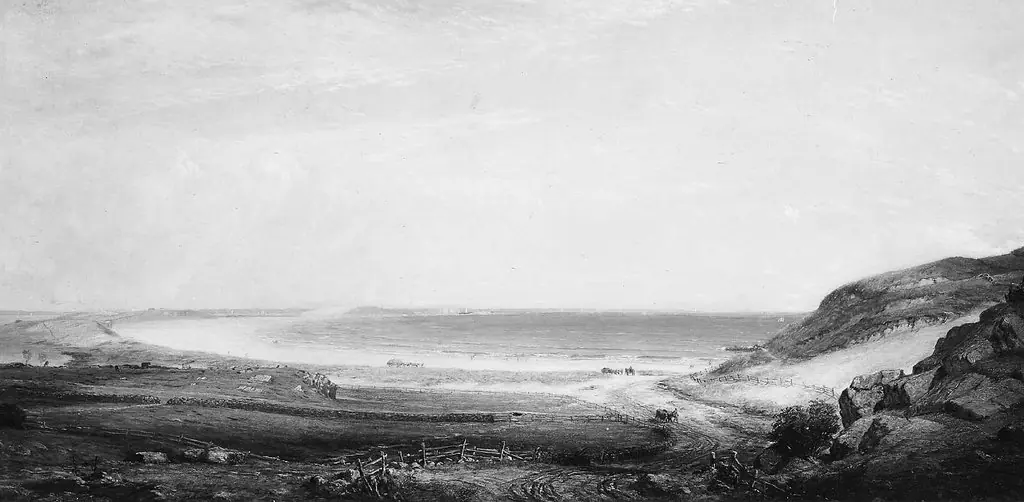
The painting centers on a solitary wagon halted on a dirt path, surrounded by modest vegetation and a distant dwelling with a chimney. No figures are present, yet the presence of the wagon suggests human activity just out of view. The scene conveys stillness and solitude, reflecting a quiet dignity in rural labor and the rhythms of country life, without romanticizing or dramatizing it.
Technique & Style
Gay employed loose, textured brushwork to render foliage, earth, and sky with a sense of immediacy. The palette is dominated by muted browns and greens, reinforcing the naturalism of the setting. Light is handled subtly, with soft transitions rather than dramatic contrasts, supporting the painting’s unembellished tone. The technique prioritizes atmospheric truth over polished finish, aligning with Realist and Barbizon principles.
History & Provenance
Created during Gay’s formative years as a landscape painter, *The Wagoner* emerged from his engagement with European artistic trends after studying in France. It entered the Museum of Fine Arts, Boston’s collection in the late 19th century, where it has remained as part of its holdings of American Realist works. Its preservation reflects early institutional interest in domestic landscape painting grounded in direct experience.
Context
In the 1850s, American artists increasingly turned away from grand historical or mythological themes toward scenes of everyday life. Gay’s work coincided with a broader shift toward Realism, influenced by French painters like Millet and Corot. This painting reflects a growing cultural appetite for art that mirrored the American countryside, not as an ideal, but as it was observed—humble, quiet, and unadorned.
Legacy
Though not widely known today, Gay’s *The Wagoner* stands as a representative example of early American Realist landscape painting. It contributes to the historical record of how U.S. artists absorbed European influences to develop a distinct visual language rooted in local observation. The work remains a quiet testament to the value placed on ordinary rural life in mid-19th century American art.
Own this work as a print
Artist & collection
Artist
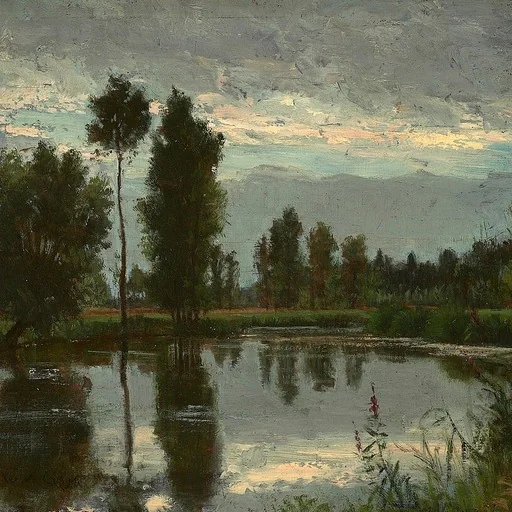
Winckworth Allan Gay (August 18, 1821 – February 23, 1910) was an American landscape artist and was one of the first American artists to promote the Barbizon style of pastoral landscape painting.