Artwork
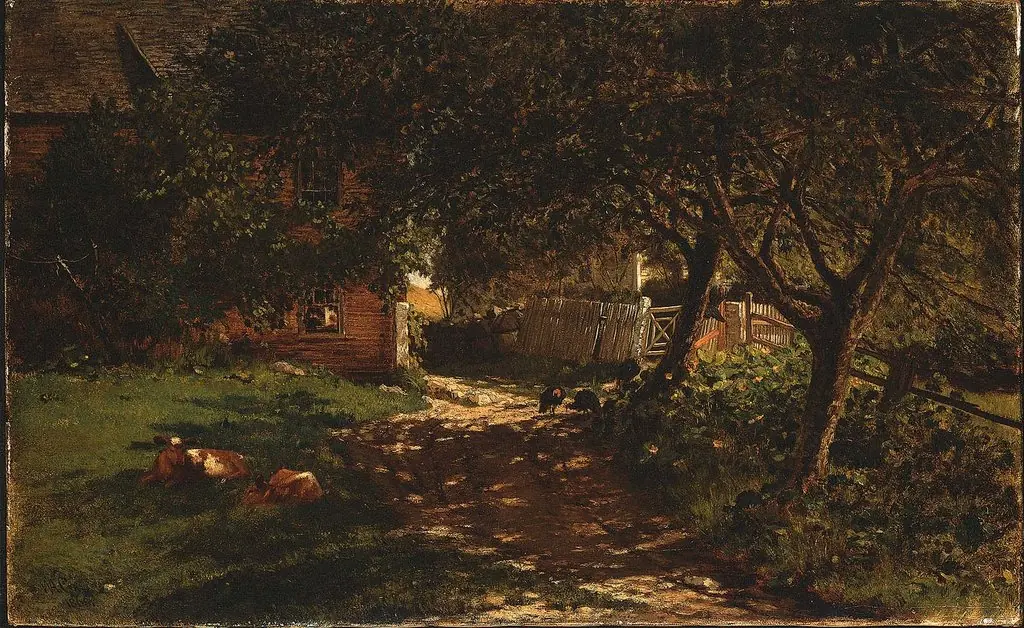
Farmhouse at Rye Beach, New Hampshire
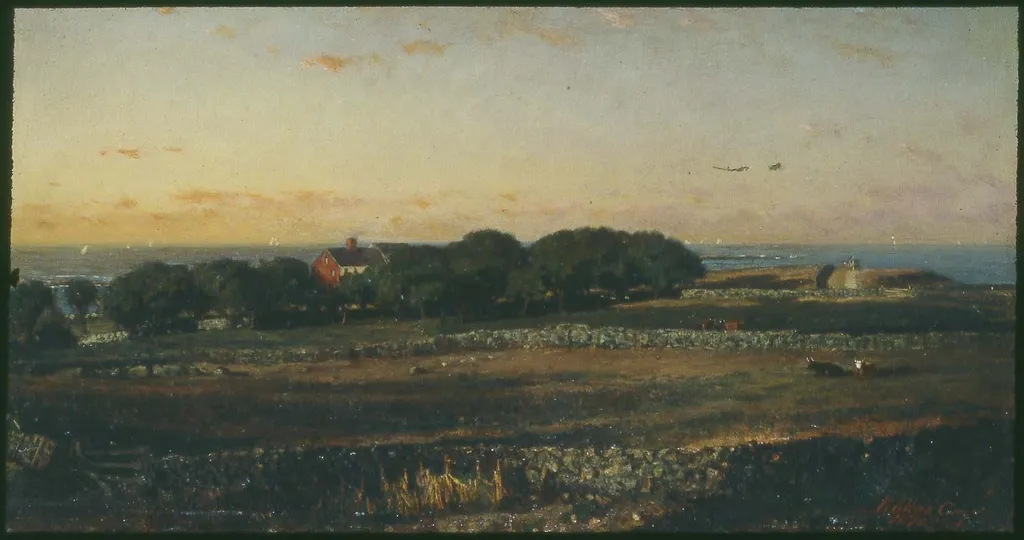
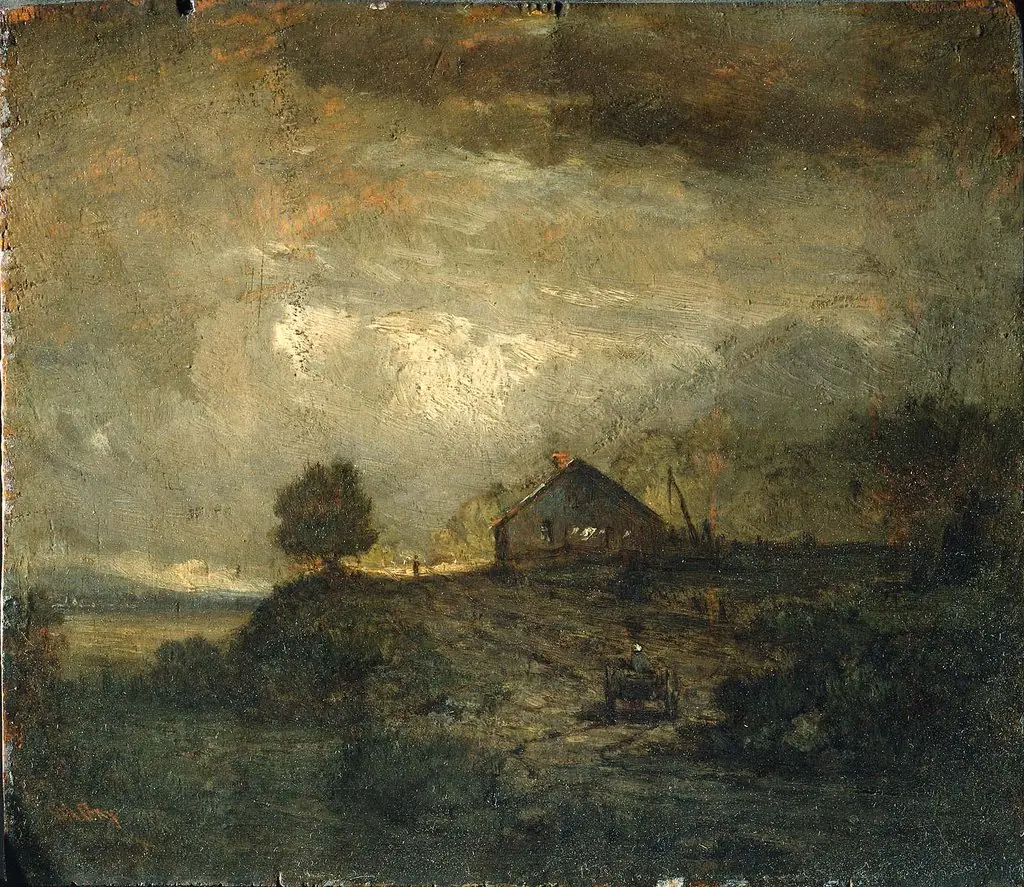
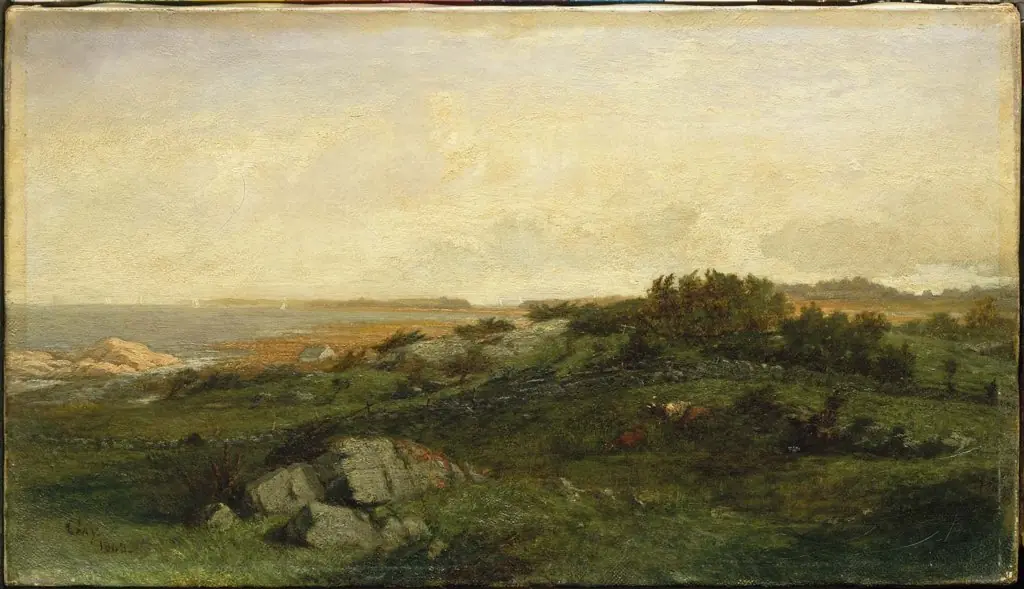
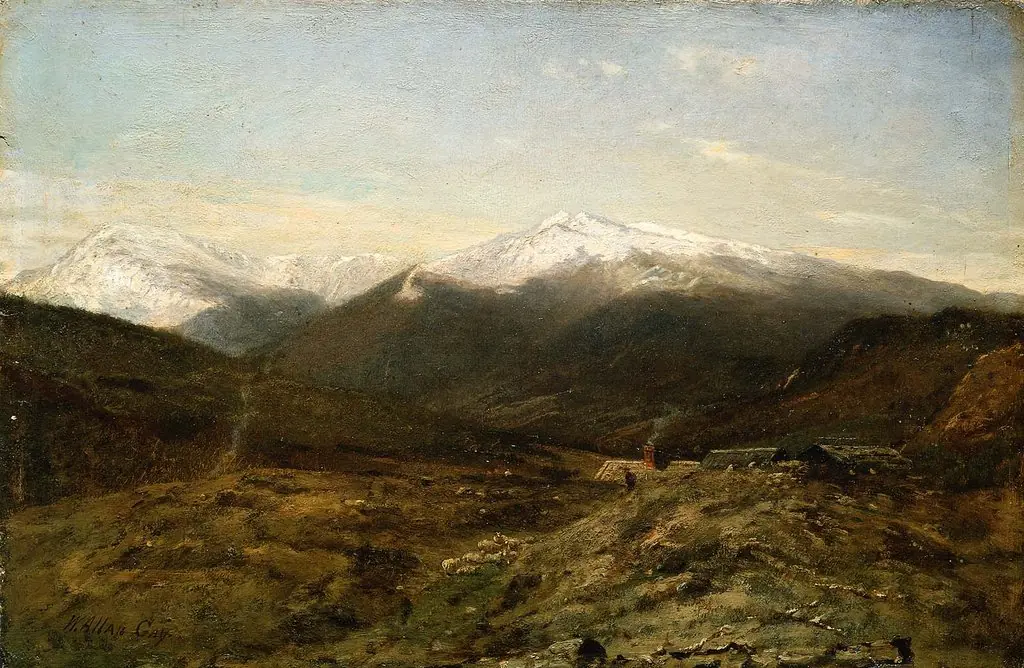
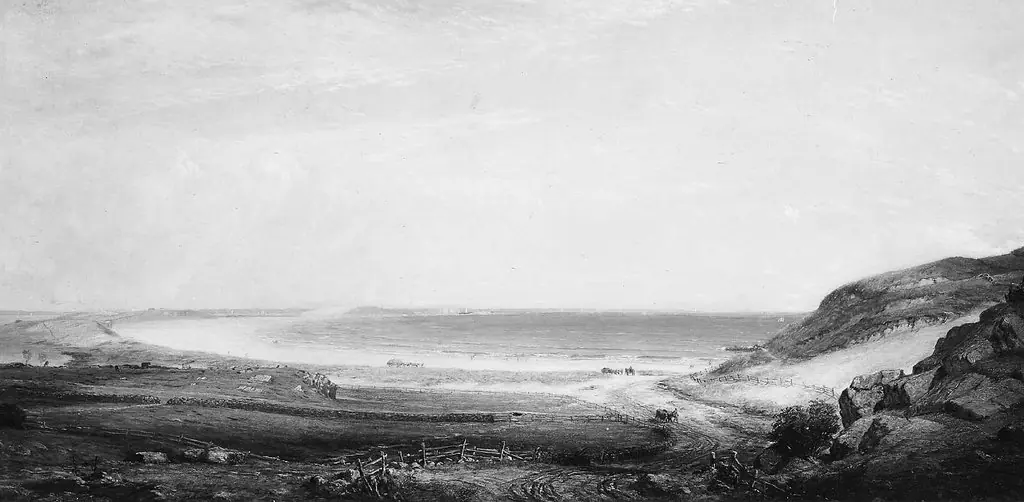
Farmhouse at Rye Beach, New Hampshire is an unspecified painting by the American Impressionist artist Winckworth Allan Gay. It dates from 1870 and is held in the collection of the Museum of Fine Arts Boston.
About this work
Overview
Gay, an American artist with training in the United States, France, and the Far East, was among the early adopters of the Barbizon approach in American art.
Painted in 1870 by Winckworth Allan Gay, this landscape captures a quiet farmhouse on the coast of New Hampshire. Gay, an American artist with training in the United States, France, and the Far East, was among the early adopters of the Barbizon approach in American art. The work exemplifies his sustained interest in rural scenes and the subtle interplay of natural elements, rendered with restrained emotion and careful observation.
Subject & Meaning
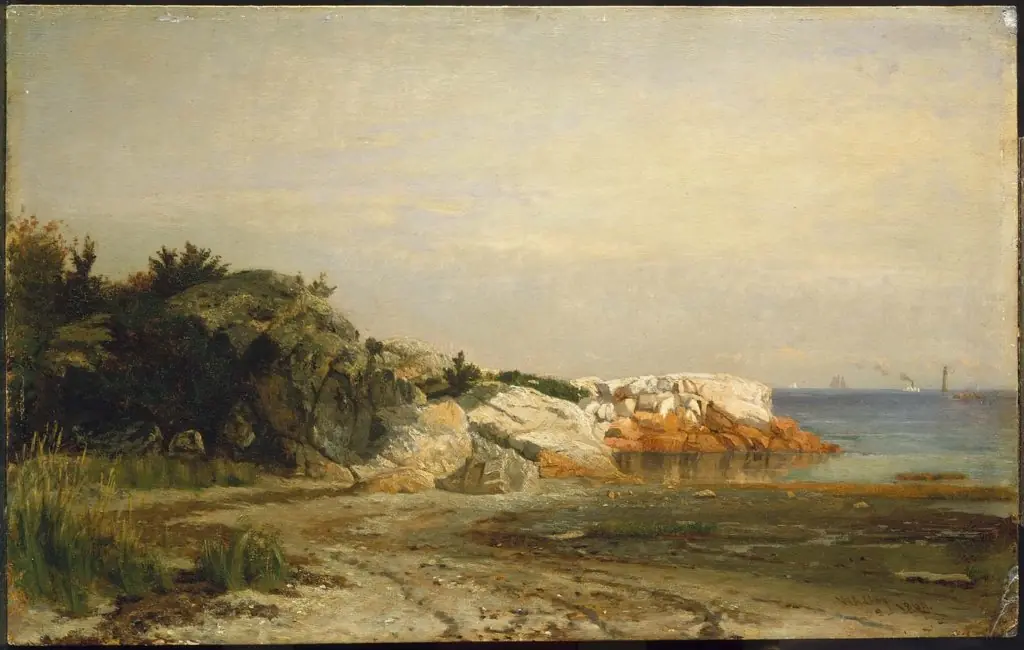
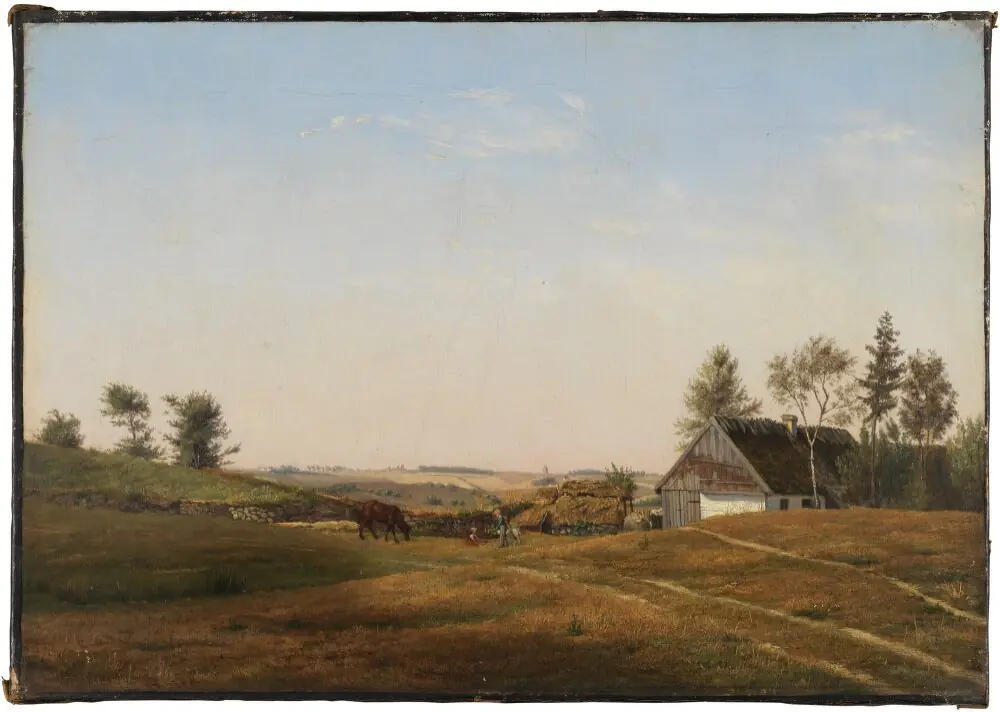
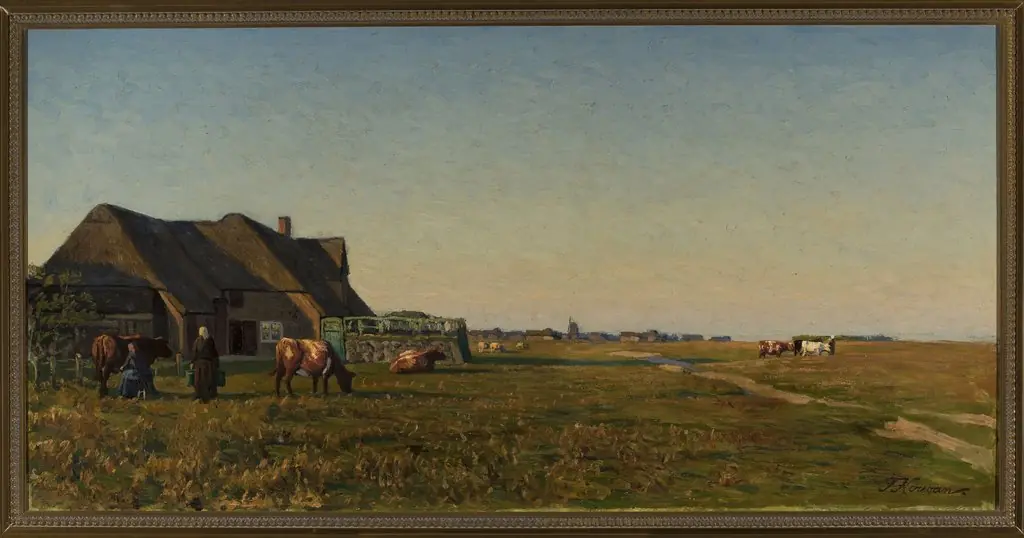
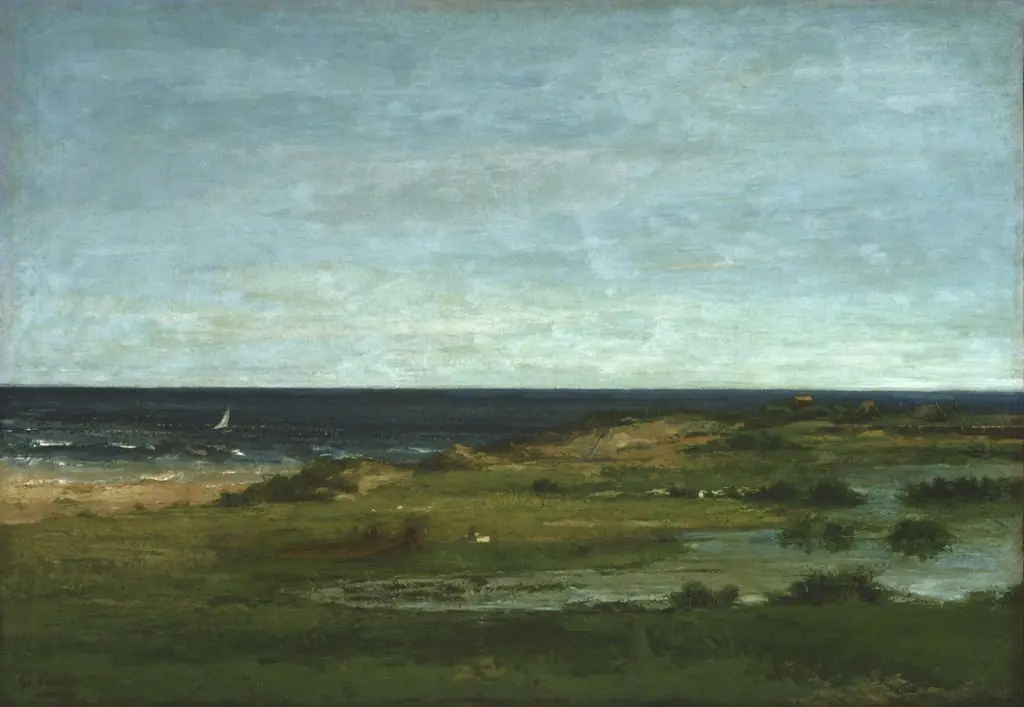
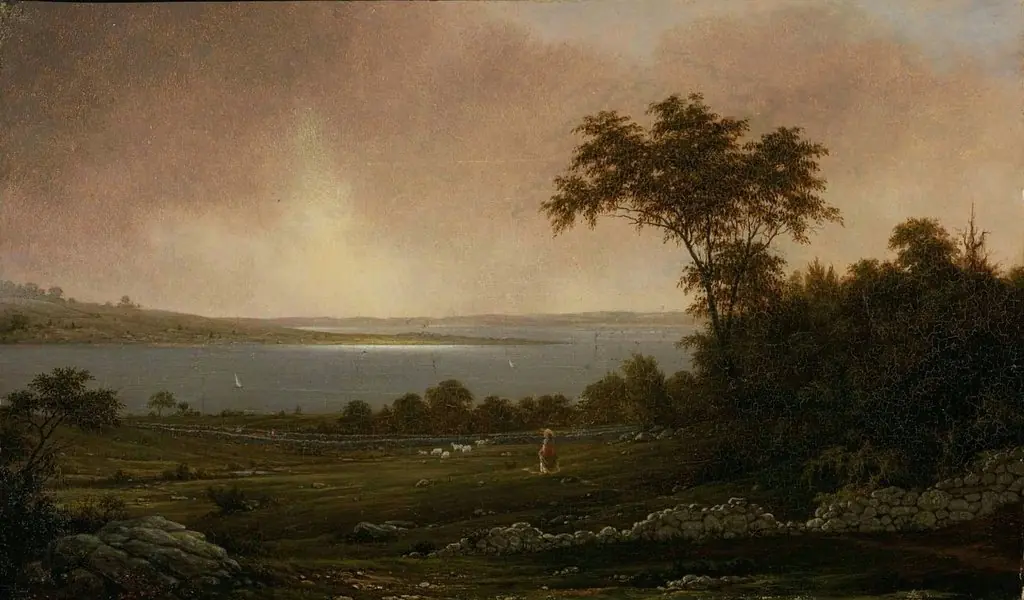
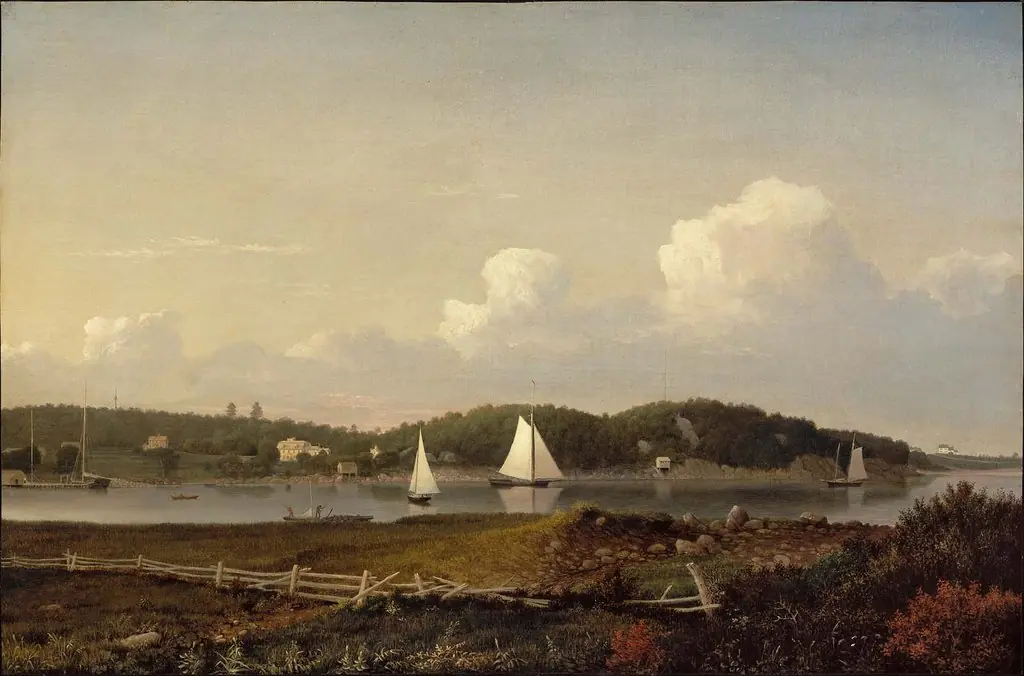
The painting presents a modest farmhouse nestled among native vegetation, framed by a low stone wall and surrounded by trees. The sea, visible in the distance, merges with the sky in a soft horizon line, reinforcing a sense of stillness. There is no human activity depicted; the scene conveys solitude and harmony with nature, reflecting a 19th-century ideal of pastoral peace rather than narrative or symbolism.
Technique & Style
Gay employed a muted palette and diffuse lighting to evoke atmosphere over detail. The sky transitions gently from pale yellow to blue, while the structure and foliage are rendered with loose, textured brushwork. Shadows are softened, avoiding dramatic contrast, aligning with Barbizon principles that favored naturalism over idealization. The composition guides the eye from the foreground wall to the distant sea, creating depth without artificial emphasis.
History & Provenance
Created during Gay’s mature period, the painting remained in private hands before entering the Museum of Fine Arts, Boston’s collection. It is one of several coastal landscapes he produced after returning from Europe, where he absorbed the Barbizon school’s emphasis on direct observation. Its inclusion in a major American institution underscores its significance in the transition of American landscape painting toward more intimate, tonal approaches.
Context
In the late 19th century, American artists increasingly turned away from grand Romantic vistas toward quieter, everyday scenes. Gay’s work aligned with this shift, influenced by French painters like Millet and Corot who depicted rural life with humility. His focus on New England’s coastal farms reflected a broader cultural interest in regional identity and the quiet dignity of agricultural existence during a time of rapid industrialization.
Legacy
Though not widely known today, Gay’s landscapes contributed to the acceptance of Barbizon-inspired aesthetics in the United States. His emphasis on atmospheric effects and subdued tones helped pave the way for later American tonalists. 'Farmhouse at Rye Beach' remains a quiet testament to a moment when American painters sought to capture the essence of place through restraint, observation, and sensitivity to light.
Artist & collection
Artist
Winckworth Allan Gay (August 18, 1821 – February 23, 1910) was an American landscape artist and was one of the first American artists to promote the Barbizon style of pastoral landscape painting.