Artwork
Guy Little Theatrical Photograph
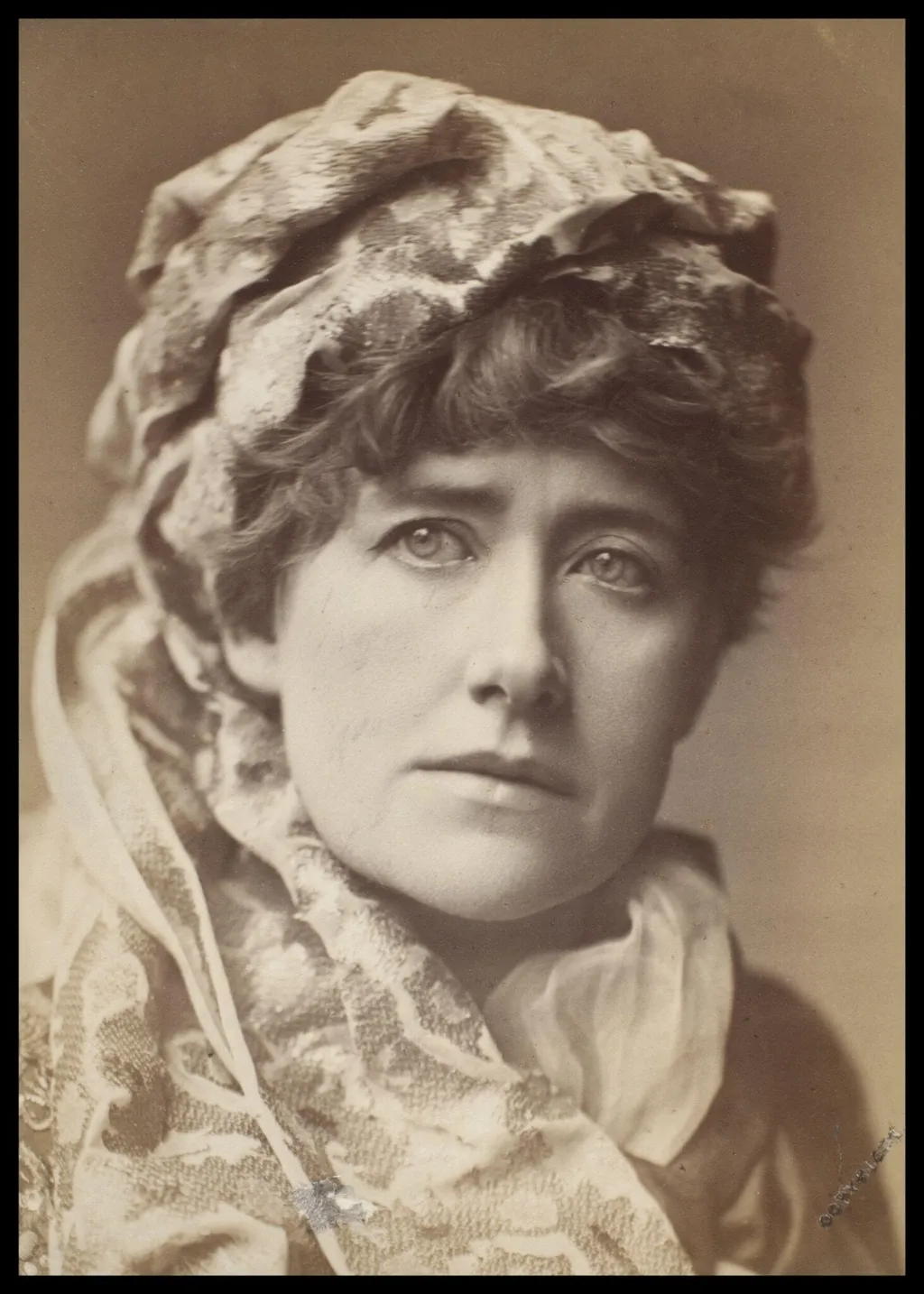
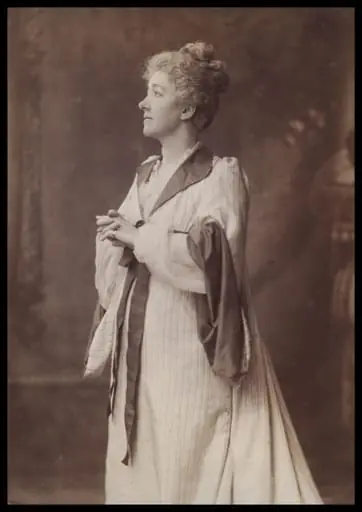
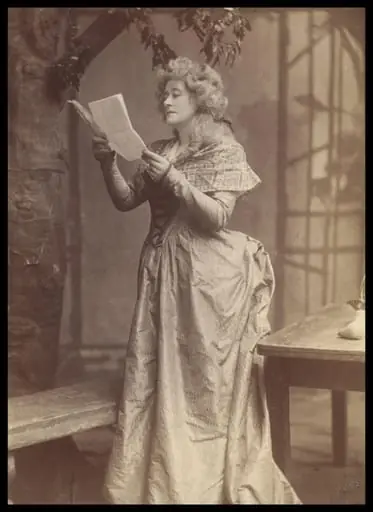
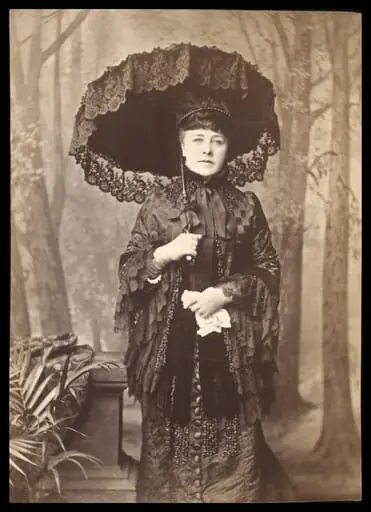
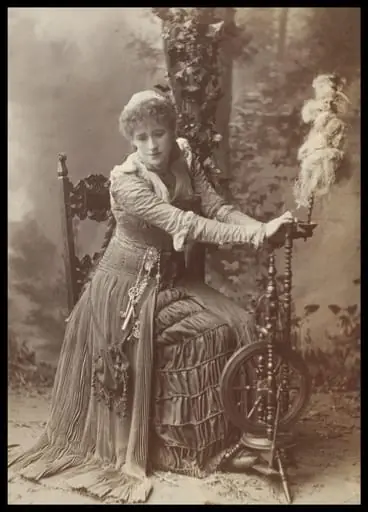
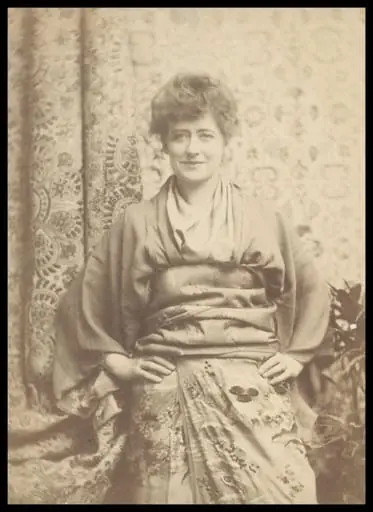
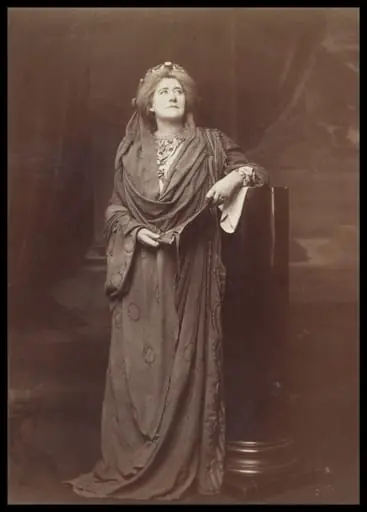
Guy Little Theatrical Photograph is a photographic photography by the Impressionist artist Window & Grove. It dates from 1884 and is held in the collection of the Victoria and Albert Museum. This photograph, taken in 1884, captures Ellen Terry in costume as Viola from Shakespeare’s Twelfth Night at London’s Lyceum Theatre.
About this work
This photo was taken in 1884 as Ellen Terry played Viola in *Twelfth Night* at London’s Lyceum Theatre. Window & Grove used photography to capture a stage moment when the art form was still new.
It’s part of the Guy Little Collection and shows how actors posed for publicity during the Victorian era.
Look up the Victoria and Albert Museum.
Overview
It belongs to the Guy Little Collection, a curated assembly of theatrical photographs originally issued as cartes de visite and cabinet cards.
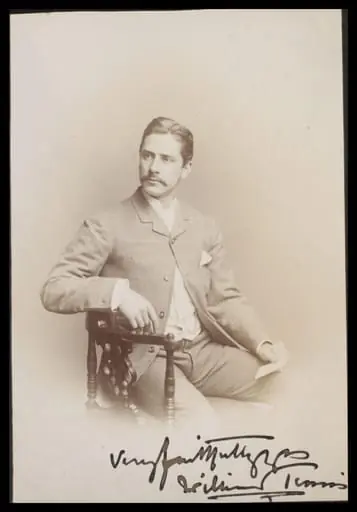
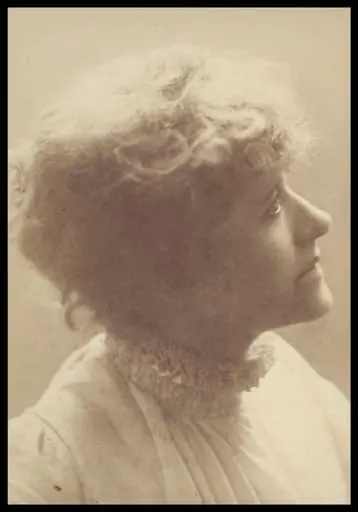
This photograph, taken in 1884, captures Ellen Terry in costume as Viola from Shakespeare’s Twelfth Night at London’s Lyceum Theatre. It belongs to the Guy Little Collection, a curated assembly of theatrical photographs originally issued as cartes de visite and cabinet cards. These small, mounted albumen prints were common in Victorian England, serving both as souvenirs and promotional tools for stage performers.
Subject & Meaning
Ellen Terry’s portrayal of Viola reflects the era’s fascination with literary theater and the cult of the actor. The image preserves a specific performance moment, transforming a transient stage appearance into a lasting object of public interest. By depicting Terry in character rather than in everyday dress, the photograph elevates her role beyond personal likeness, anchoring her identity to the literary figure she embodied.
Technique & Style
The image is an albumen print on card, typical of late 19th-century photographic practice. Made from a glass negative, it was likely produced in a studio setting to replicate the lighting and composition of the stage. Though taken during a live performance, the pose is staged—deliberately composed to convey dramatic presence rather than spontaneous action, aligning with contemporary conventions of theatrical portraiture.
History & Provenance
The photograph was collected by Guy Tristram Little, a solicitor and avid collector of theatrical memorabilia. After his death in 1953, his albums, which included hundreds of such images, were bequeathed to the Victoria and Albert Museum. Little’s collection, originally assembled from commercial prints, was later remounted without their original backings, preserving the visual content while altering their original format.
Context
During the 1880s, photographic portraits of actors were widely circulated as cabinet cards, replacing the smaller cartes de visite that had dominated the 1860s. These images functioned as both fan memorabilia and advertising, reinforcing the celebrity of stage performers. The Lyceum Theatre, under Henry Irving’s management, was a cultural hub where such imagery helped solidify the reputations of its leading actors.
Legacy
The Guy Little Collection remains a vital archive for understanding Victorian theatrical culture. This photograph, like others in the set, documents how performance was mediated through photography before the rise of cinema. Its preservation at the V&A ensures continued access to the visual language of 19th-century stage publicity and the evolving relationship between theater and mass media.
Artist & collection
Artist
These photos freeze moments from late-19th-century and early-20th-century theater.

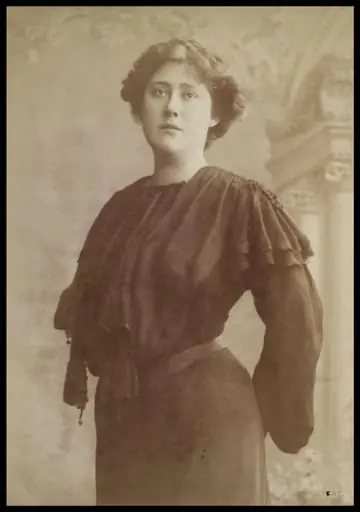
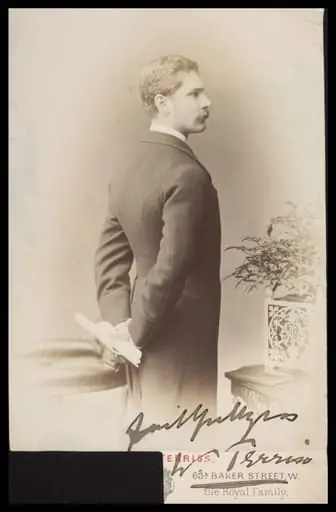
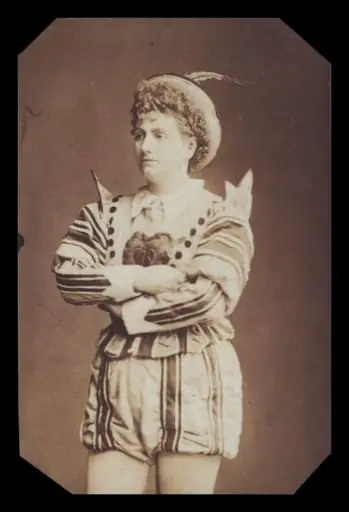
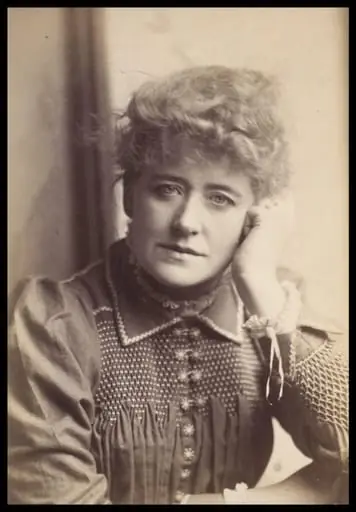 Guy Little Theatrical Photograph
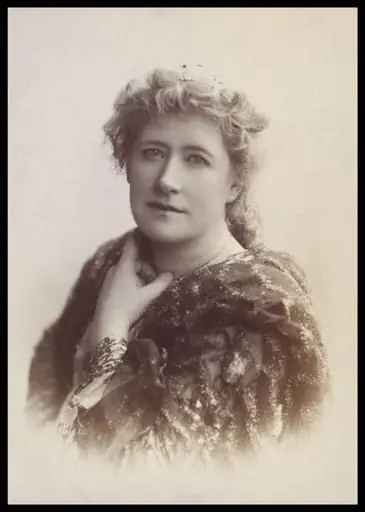 Guy Little Theatrical Photograph
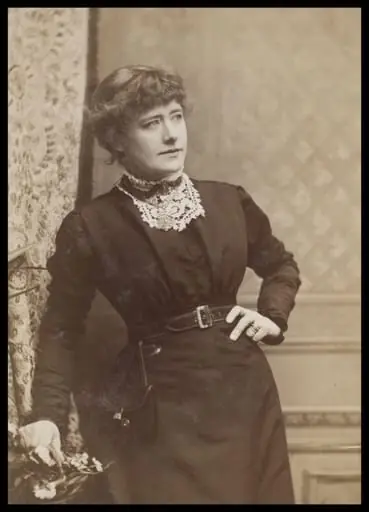 Guy Little Theatrical Photographs
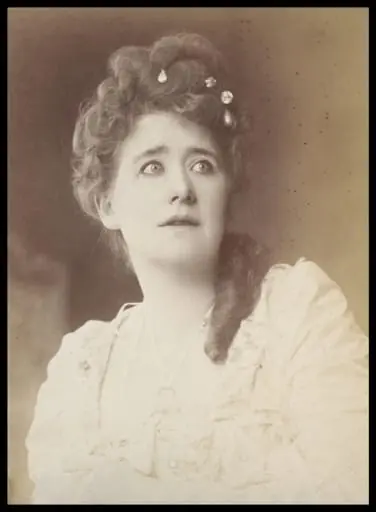 Guy Little Theatrical Photograph
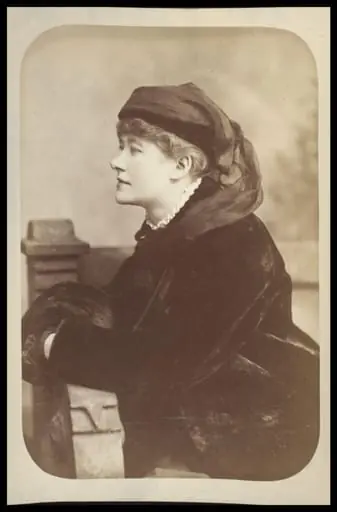 Guy Little Theatrical Photographs
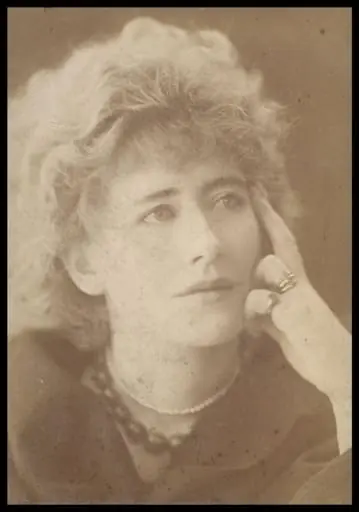 Guy Little Theatrical Photographs
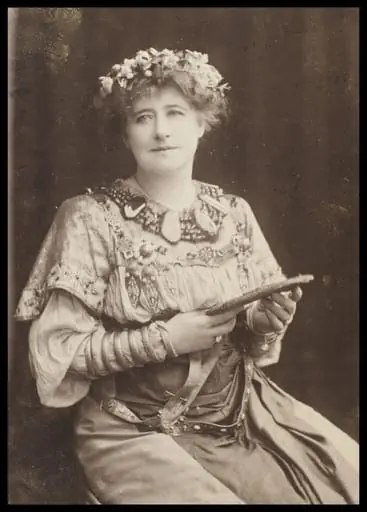 Guy Little Theatrical Photograph
 Guy Little Theatrical Photograph
 Guy Little Theatrical Photograph
 Guy Little Theatrical Photograph