Artwork
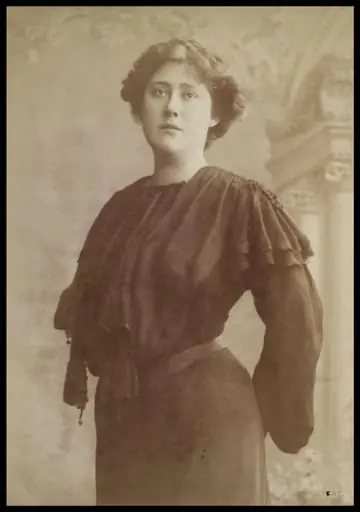
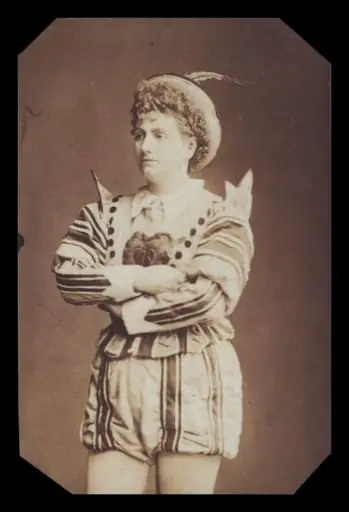
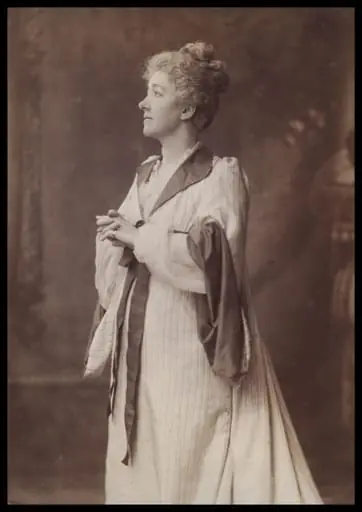
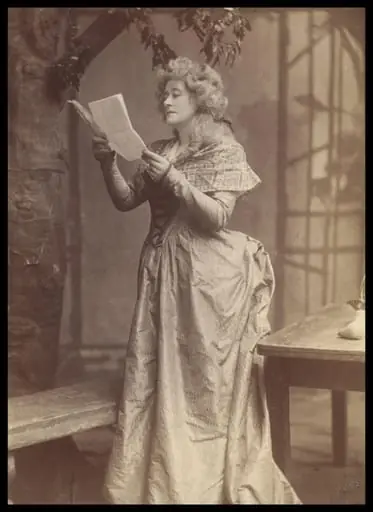
Guy Little Theatrical Photograph
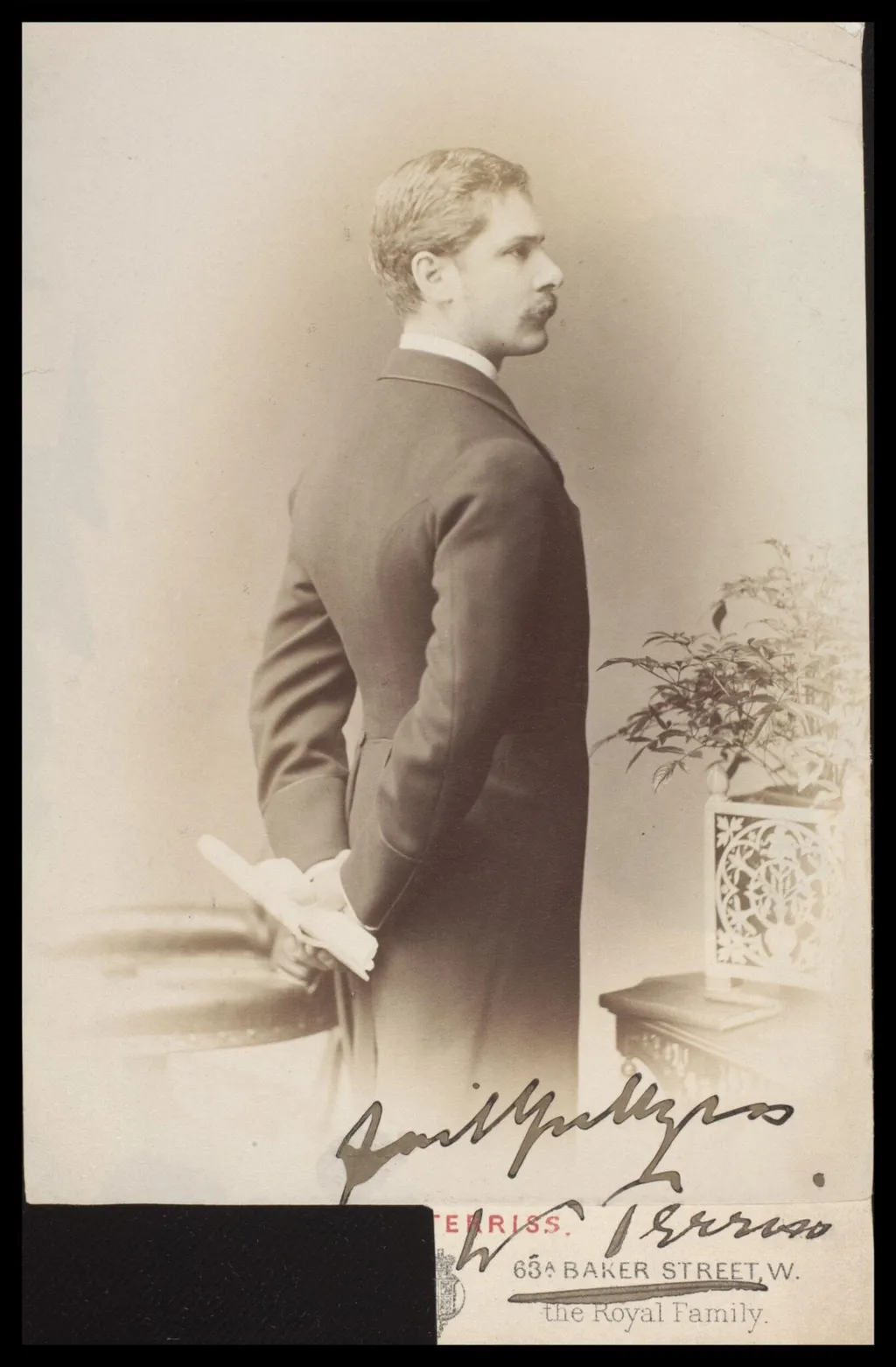
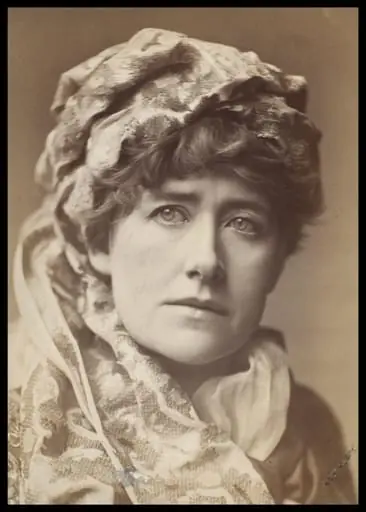
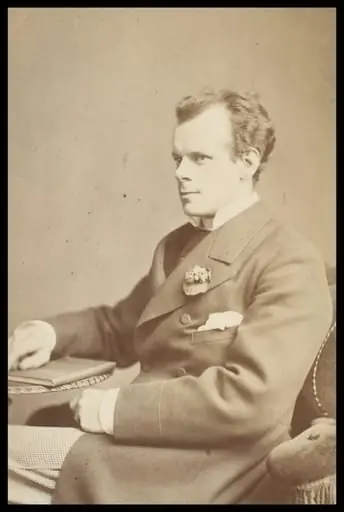
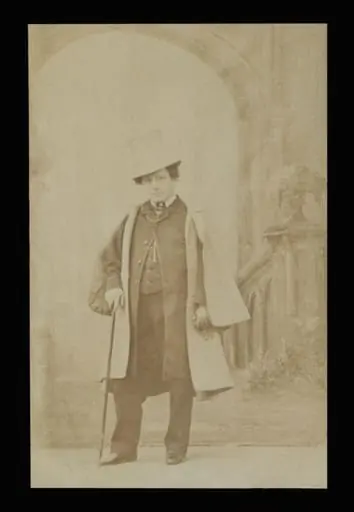
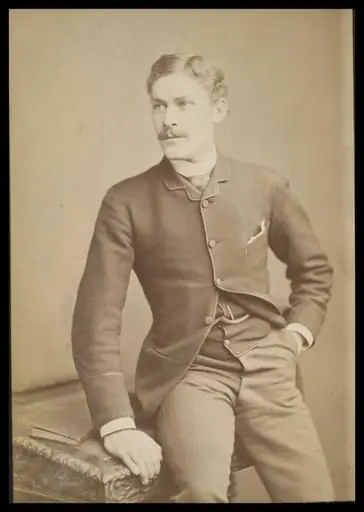
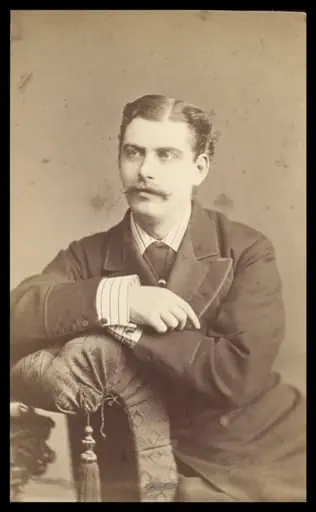
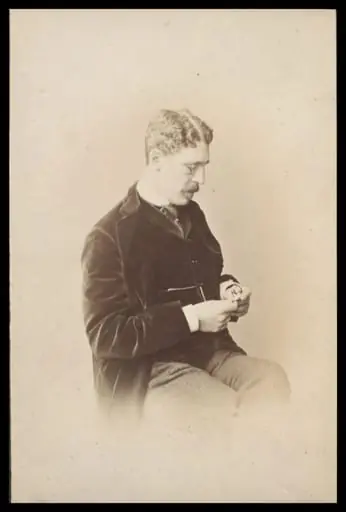
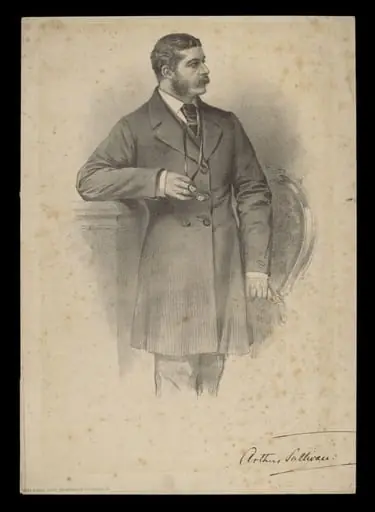
Guy Little Theatrical Photograph is a photographic photography by the Impressionist artist Window & Grove. It dates from 12 and is held in the collection of the Victoria and Albert Museum.
About this work
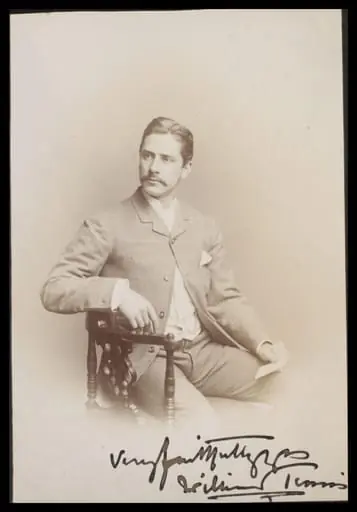
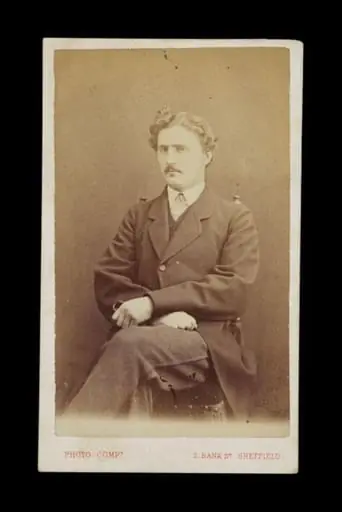
It’s a cabinet card—stiff cardboard, bigger than a postcard, meant to show off a performer’s look.
Actor William Terriss sat for this photo in 1882. It’s a cabinet card—stiff cardboard, bigger than a postcard, meant to show off a performer’s look. Before phones and social media, fans collected these photos like trading cards.
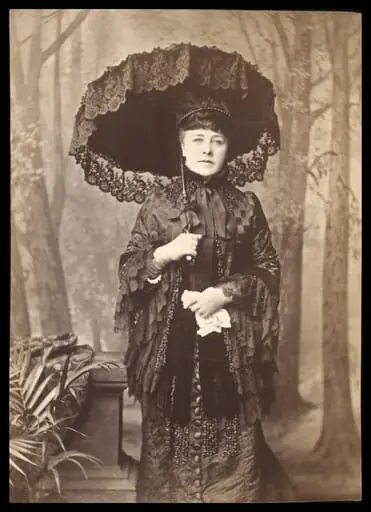
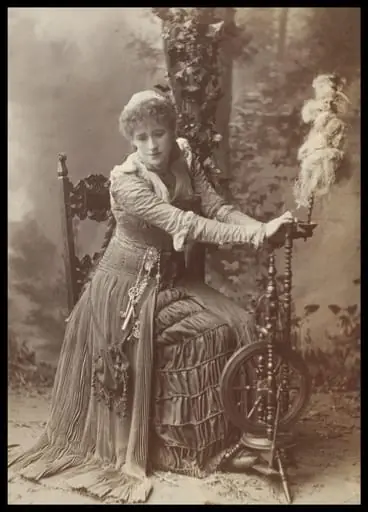
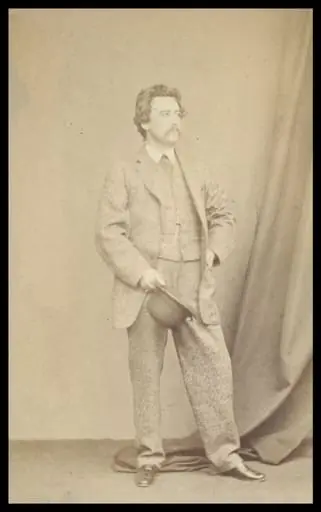
Victorian stars often posed in costume or plain clothes. The albumen print, made from a glass negative, gave a crisp image on shiny paper. These cards helped actors stay famous between shows.
Look up more about cabinet cards at the Victoria and Albert Museum.
Overview
This photograph of actor William Terriss, taken in 1882, is a cabinet card produced by the albumen printing process on paper mounted to a stiff card stock. It originates from the personal collection of Guy Tristram Little, a solicitor and avid collector of theatrical memorabilia. Little assembled hundreds of such images, later bequeathing them to the Victoria and Albert Museum, where they formed part of the foundation for its theatre holdings.
Subject & Meaning
William Terriss, a prominent stage actor of the late Victorian era, is depicted in formal attire, reflecting his public persona rather than a specific role. The portrait served as a commercial and personal keepsake, allowing fans to maintain a visual connection with performers between theatrical engagements. Such images reinforced celebrity status in an era before mass media, functioning as both tribute and commodity.
Technique & Style
The image was made using the albumen print process, which involved coating paper with egg white and salt, then sensitizing it with silver nitrate. Captured on a glass negative, the result offered fine detail and a glossy surface. Cabinet cards, larger than earlier cartes de visite, were designed for display and durability, often bearing the photographer’s imprint along the lower edge as a mark of professional origin.
History & Provenance
The photograph was once part of a bound album compiled by Guy Tristram Little, who removed the cards from their original mounts to reorganize them thematically. Little, a partner in a London law firm, collected theatrical ephemera and was closely associated with Gabrielle Enthoven, whose private collection became the core of the V&A’s theatre archive. His bequest preserved a significant cross-section of Victorian performance culture.
Context
In the 1880s, cabinet cards replaced cartes de visite as the preferred format for celebrity portraiture, reflecting growing public interest in theatrical figures. These images circulated widely, exchanged among fans and displayed in homes. Unlike modern publicity, they offered intimate, static representations—carefully staged to convey dignity, charisma, or character, without motion or narrative.
Legacy
Little’s collection, now housed at the V&A, provides a rare, unmediated record of Victorian stage culture through its visual artifacts. These photographs document not only individual performers but also the mechanics of celebrity in the pre-photographic age. Their preservation allows ongoing study of how identity, fame, and image were constructed and consumed in the 19th-century theatre world.
Artist & collection
Artist
These photos freeze moments from late-19th-century and early-20th-century theater.