Artwork
Pay Day in the Army of the Potomac
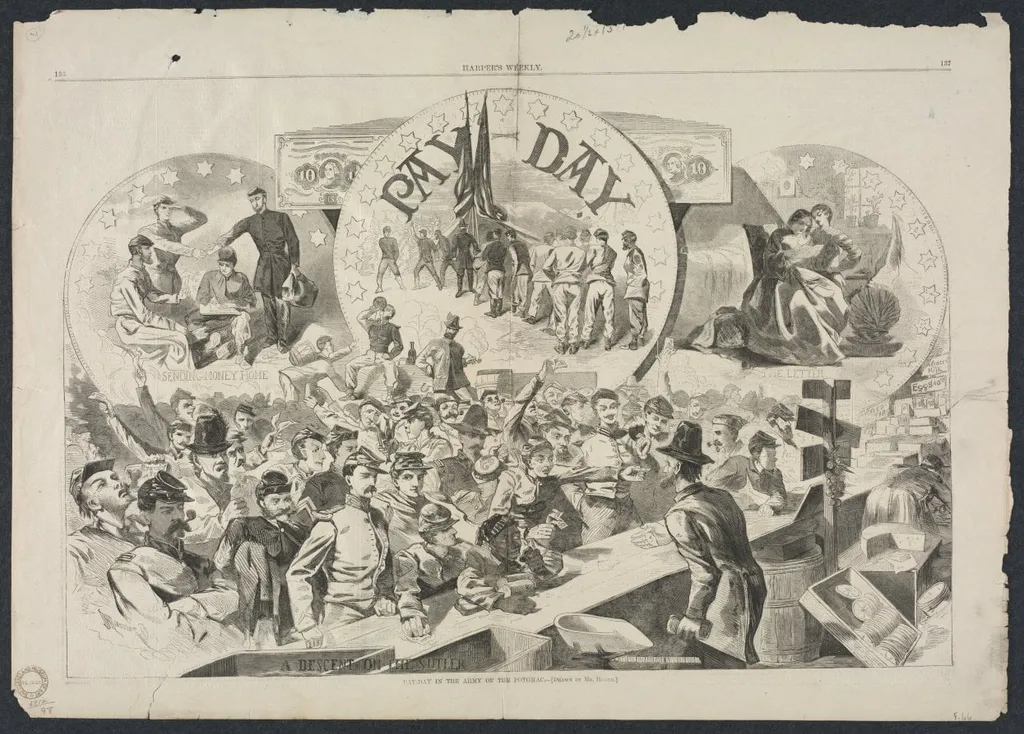
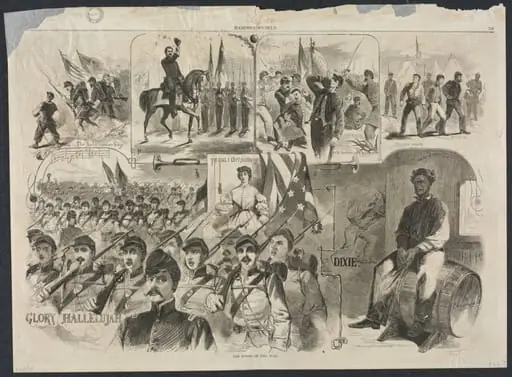
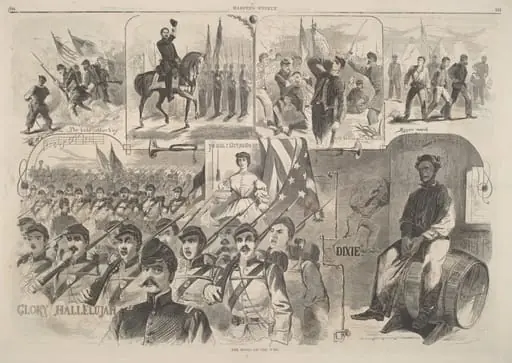
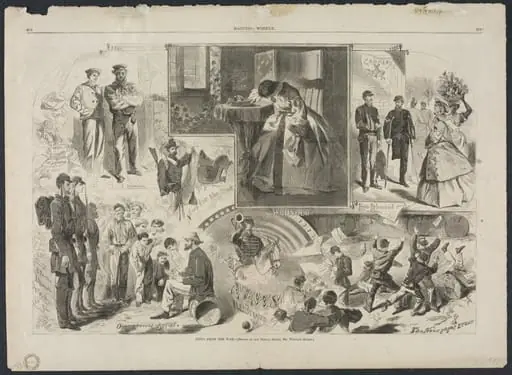
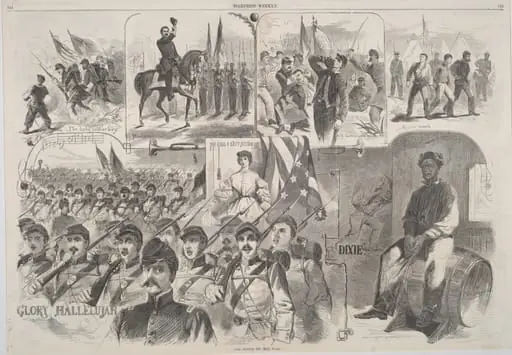
Pay Day in the Army of the Potomac is a print by the Impressionist artist Winslow Homer. It dates from 1863 and is held in the collection of the Cleveland Museum of Art.
About this work
Overview
Created during his tenure as a battlefield illustrator for Harper’s Weekly, the work records the orderly chaos of soldiers receiving their wages.
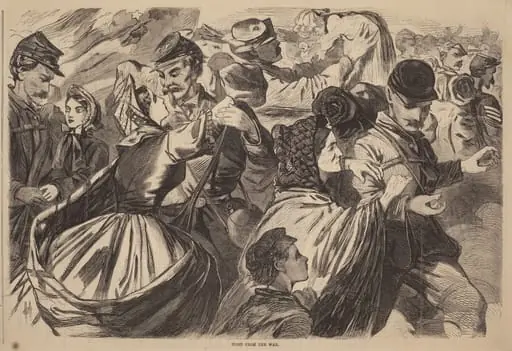
Winslow Homer’s 1863 ink and watercolor drawing captures a moment of routine in the Army of the Potomac during the American Civil War. Created during his tenure as a battlefield illustrator for Harper’s Weekly, the work records the orderly chaos of soldiers receiving their wages. Unlike grand battle scenes, Homer focuses on the quiet rhythms of military life, emphasizing the human scale of war through everyday activity.
Subject & Meaning
The scene centers on soldiers gathered around a barrel where pay is distributed, their expressions ranging from anticipation to weariness. Above, a Union flag and the words 'Pay Day' anchor the moment in institutional reality. Surrounding figures—children, vendors, and a soldier reading mail—suggest the temporary civilianization of camp life. The image conveys not heroism but the mundane, necessary rituals that sustained morale amid prolonged conflict.
Technique & Style
Homer employs rapid, fluid ink lines and translucent watercolor washes to suggest movement and texture without overdetailing. Figures are rendered with economical strokes, their postures and gestures conveying character and mood. The composition is densely packed yet carefully balanced, guiding the eye through overlapping forms and subtle contrasts of light and shadow. His approach prioritizes immediacy over polish, reflecting his journalistic roots.
History & Provenance
Created in 1863 during Homer’s assignment with Union forces, the drawing was originally published in Harper’s Weekly as a woodcut engraving. It entered The Cleveland Museum of Art’s collection in the 20th century, preserved as part of a broader archive of Civil War visual documentation. Its survival as a watercolor original is rare, as most of Homer’s wartime illustrations were reproduced for mass circulation.
Context
Homer’s work emerged during a period when illustrated newspapers shaped public perception of the war. Unlike romanticized depictions, his drawings avoided spectacle, instead documenting the physical and emotional texture of soldiering. This piece aligns with emerging realist tendencies in American art, reflecting a shift toward portraying ordinary life with unembellished attention to detail and social observation.
Legacy
The drawing stands as an early example of Homer’s commitment to observational truth, foreshadowing his later focus on labor and nature. It contributed to a visual language that elevated everyday military experience to the level of historical record. While not widely exhibited during his lifetime, it now serves as a touchstone for understanding how artists documented war beyond the battlefield.
Artist & collection
Artist
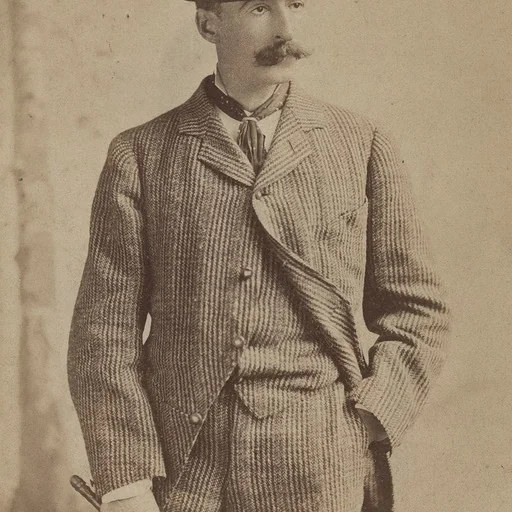
Winslow Homer (February 24, 1836 – September 29, 1910) was an American landscape painter and illustrator, best known for his marine subjects.